





Introduction: A one-day itinerary in Val d’Orcia from Siena
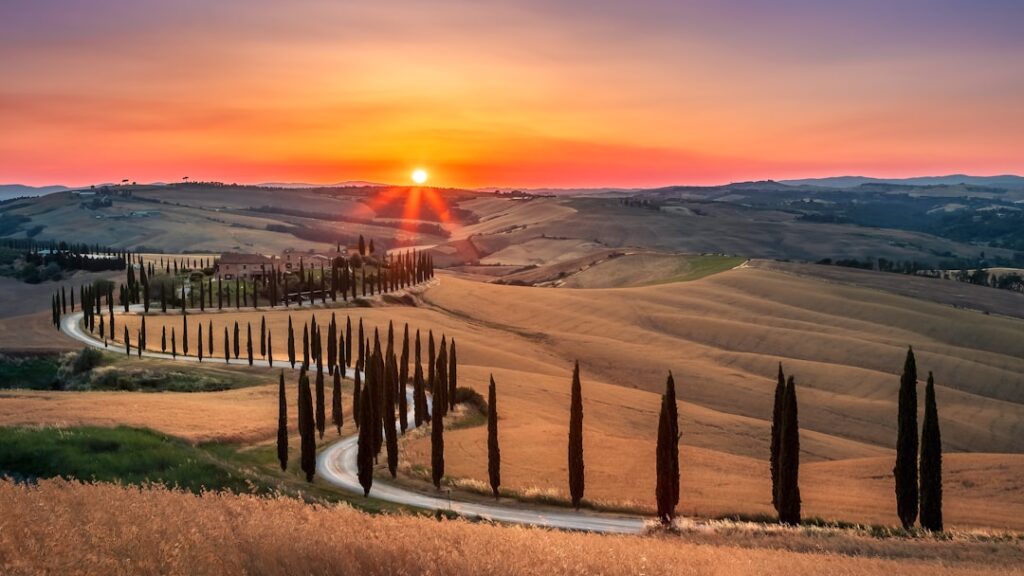
Setting out from Siena to explore the Val d’Orcia in a single day gives you a concentrated taste of Tuscany: golden hills, sculpted slopes, medieval villages and centuries-old wines. For the organised traveler, this route works best by car — the freedom to stop at every viewpoint is part of the experience. If you leave Siena early, you can visit Pienza, Montepulciano, Montalcino, Bagno Vignoni and the Abbey of Sant’Antimo, peppering the day with photo stops, Brunello tastings and lunches made from local products.
Siena is roughly a 1 to 1 hour 15 minute drive from the heart of Val d’Orcia, depending on your exact destination and traffic. Leaving Siena via the SS2 (the Cassia road) will quickly bring you to the SP146 and SP14, scenic secondary roads that cut through the countryside. Expect winding, sometimes narrow roads: they require care, but reward you with spectacular panoramas. If you’re not comfortable driving, there are full-day organized tours from Siena, but giving up your flexibility limits those spontaneous stops.
This guide is designed for a full day (early morning departure, return in the evening). It includes practical details (exact addresses, indicative opening times, prices in euros), immersive descriptions of the sights and local tips to make the most of your time. You’ll also find recommendations for foodie stops: pecorino cheeses, bruschette with Tuscan olive oil, a glass of Vino Nobile di Montepulciano or Brunello di Montalcino paired with a simple, authentic meal.
Before you go, check the weather (the hills are stunning at sunrise and sunset, but the light changes quickly) and book ahead if you want a tasting at a popular winery. Note that some religious sites have variable schedules and can close during mass or for maintenance — local etiquette calls for discretion inside churches. With a bit of planning, a day in Val d’Orcia can become one of the most memorable highlights of your Tuscan trip.
 Click here to Book a Pienza and Montepulciano day trip
Pienza: the “Ideal City” and its Renaissance piazza
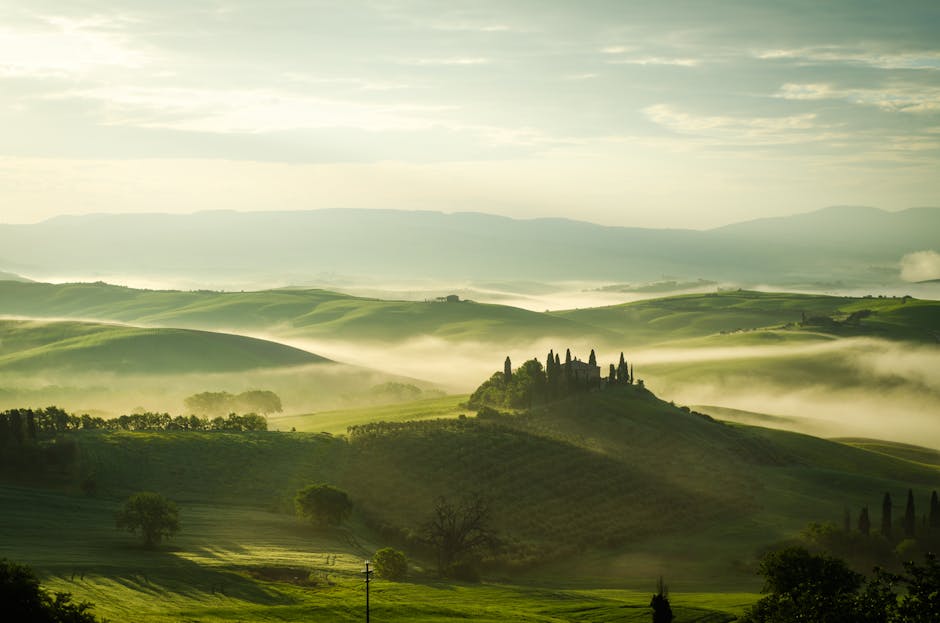
Pienza is often the first natural stop coming from Siena. Redesigned in the 15th century under Pope Pius II (Enea Silvio Piccolomini), the town is a rare preserved example of Renaissance urban planning. Start with the Cattedrale dell’Assunta (Duomo di Pienza), located at Piazza Pio II, 6, 53026 Pienza SI, Italy. Entry to the cathedral is usually free, though temporary exhibitions or certain sections may request a voluntary contribution; expect roughly €0–3 depending on the posted information. Indicative opening hours: 9:30–12:30 and 15:00–19:00 (variable with season and religious services).
Opposite the Duomo, don’t miss the Palazzo Piccolomini (address: Piazza Pio II, 1, 53026 Pienza SI, Italy), whose terraced garden offers sweeping views over the Val d’Orcia. Typical admission: €6 for the apartments and gardens. Hours: usually 9:00–19:00 in high season (April–October), reduced outside of that. Take time to wander the narrow streets (Via dell’Amore, Via Rigaiolo) to discover artisan workshops, cheesemakers and local product shops.
Pienza is also famous for its pecorino cheese. For a tasty break, stop at the cheese shop La Buca delle Fate – Caseificio Polzoni (address: Via Dante Alighieri, 10, 53026 Pienza SI) or one of the many shops along the main street. Tastings are often free or offered for a small fee (budget €3–10 if you buy a tasting plate). Pienza is easily explored on foot; recommended parking is Parking P3 (Piazza Santa Caterina) or the peripheral lots: prices around €1.50–2.50 / hour depending on the season.
Click here to book a Pienza and Montepulciano day trip
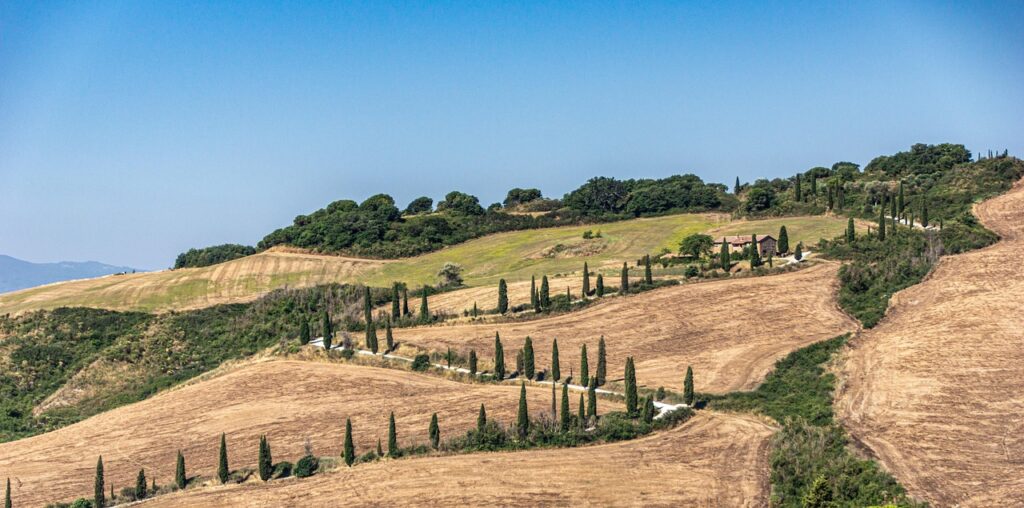
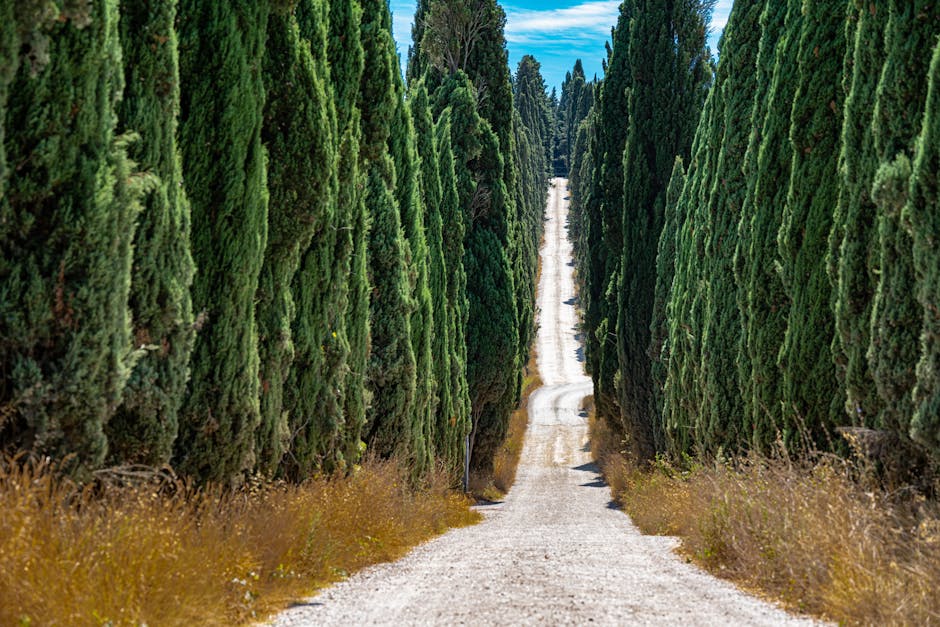
Practical tips: arrive early (8:30–9:00) to enjoy the lanes before the afternoon crowds. If you take a food tour, ask about pecorino aging methods and look for local producers who sell cheeses flavoured with olive oil or herbs. Finally, take a few minutes to admire the view from the terrace of Palazzo Piccolomini: the undulating hills lined with cypresses are the image everyone associates with Tuscany.
Montepulciano: wine, medieval lanes and the Piazza Grande
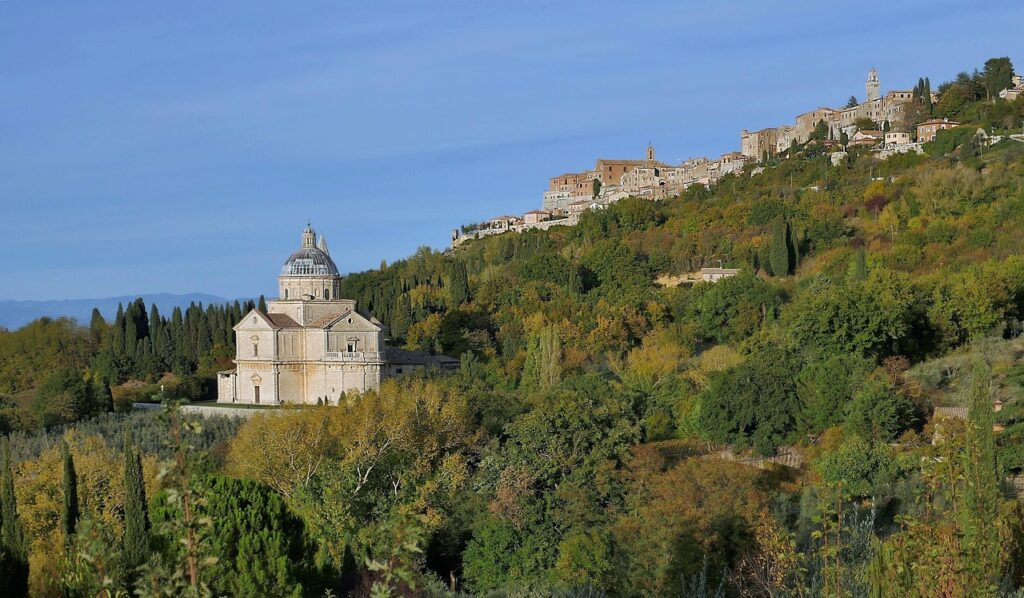
About a 25-minute drive from Pienza, Montepulciano is a lovely stop for wine lovers and architecture fans. The historic heart centers on the Piazza Grande (address: Piazza Grande, 53045 Montepulciano SI, Italy), a medieval square flanked by the Town Hall (Palazzo Comunale) and the Cattedrale di Santa Maria Assunta. Together they create a powerful atmosphere of golden stone and tight perspectives.
For a wine immersion, book a tasting at Cantina Contucci (address: Via di Gracciano nel Corso, 59, 53045 Montepulciano SI, Italy) or Cantina De’ Ricci (Via del Teatro 6). Tasting prices vary: a standard tasting typically costs €10–25 per person for 3 to 5 wines, while private tours or food pairings can reach €40–60. Winery hours are generally 10:00–18:00, but booking is strongly recommended, especially in high season.
Stroll down Via di Gracciano nel Corso (the main street) to spot artisan shops, delicatessens and enoteche (wine bars). The Torre di Pulcinella and the Palazzo Comunale offer great views if you climb to the top (entry to Palazzo Comunale: around €2–4, hours often 10:00–17:00 depending on season).
Practicalities: the main parking areas (Parking Il Poliziano and Via Gracciano parking) are located below the town. Expect to walk on slopes and old cobbles. Wear sturdy shoes and bring a small bottle of water. For lunch, pick a small osteria on the square or a less touristy trattoria in the adjacent lanes: main dishes typically cost around €10–20.
Click here to book a home-hosted culinary experience in Montepulciano
Montalcino and the Abbey of Sant’Antimo: Brunello and rural spirituality
Continuing your day, head for Montalcino, home of the famous Brunello di Montalcino. The town sits atop a hill and its most iconic sight is the Fortezza di Montalcino (address: Piazza del Popolo, 1, 53024 Montalcino SI, Italy). The fortress often hosts wine tastings and exhibitions about winemaking. Entrance fees are approximately €3–7. Hours: typically 10:00–19:00 in high season.
For a more structured tasting, book at a local winery like Cantina Poggio Antico or Cantina Caparzo (addresses available online). Brunello tastings are often pricier (budget €15–40 depending on the selection) but they allow you to taste aged wines and special cuvées.
Click here to book a Brunello tasting in Montalcino
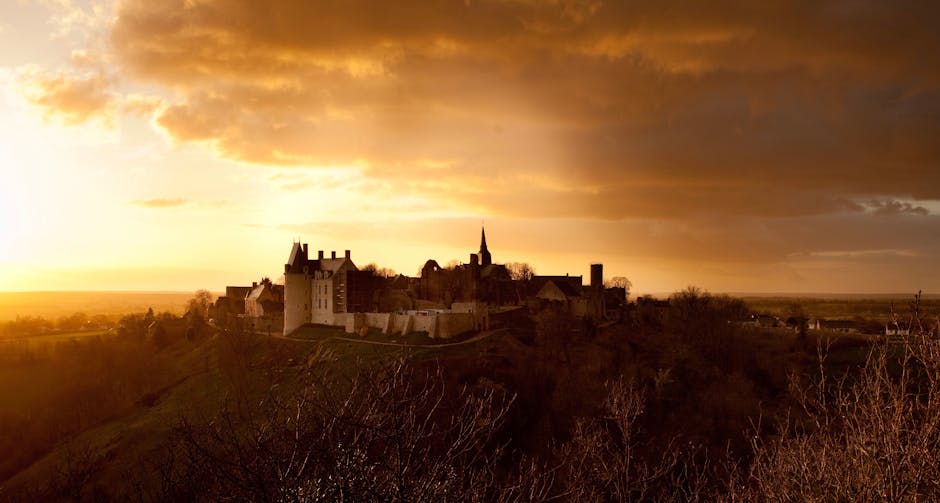
A few kilometres southwest of Montalcino, the Abbazia di Sant’Antimo (address: Località Castelnuovo dell’Abate, 53024 Castelnuovo dell’Abate SI, Italy) is an unmissable spiritual and photographic stop. This Romanesque abbey, founded in the 9th century, has a stark nave and an impressive cloister. Entry is usually free but donations are appreciated; indicative hours: 8:00–18:00, with services that may interrupt visits — Gregorian chant (when performed) is a moving experience.
Practical tip: Abbazia di Sant’Antimo sits on a small secondary road (SP14) and parking can be limited; arrive in the mid-afternoon to avoid morning tourist buses. The setting around the abbey is perfect for a contemplative photo break. If you want to combine wine and spirituality, several estates near Montalcino offer vineyard walks followed by a Brunello tasting.
Bagno Vignoni and San Quirico d’Orcia: thermal waters and Renaissance gardens
To close the loop, head to Bagno Vignoni and San Quirico d’Orcia. Bagno Vignoni is famous for its Piazza delle Sorgenti (address: Piazza delle Sorgenti, 1, 53027 Bagno Vignoni SI, Italy), a large thermal pool in the middle of the village. Unlike modern spas, this is a historic square: hot water runs continuously there, creating a unique atmosphere. Access to the square is free; using public baths or private spas typically costs between €15–50 depending on the facility and duration.
San Quirico d’Orcia, just minutes away, boasts a peaceful gem: the Horti Leonini (address: Piazza della Libertà, 53027 San Quirico d’Orcia SI, Italy), a 16th-century terraced public garden. The garden is a perfect spot for a short walk, a breather after a busy day. Entry is free and the garden is usually open from 8:00 to 20:00 in summer, with reduced hours off-season.
Don’t miss the Collegiata di San Quirico (address: Piazza della Colleggiata, 53027 San Quirico d’Orcia SI, Italy), the main church with its Romanesque bell tower. The church is often open during the day; visits are free though donations are welcome. For a late lunch or an aperitivo, pick a trattoria with views over the Val d’Orcia — expect typical dishes priced between €12–25 for a main course.

Practical tips: Bagno Vignoni can be very busy in high season. If you want to use a spa, book in advance at a venue (for example: Terme di Bagno Vignoni or local hotels that offer access). If you’re driving, there are peripheral car parks for Bagno Vignoni and San Quirico; have some change ready for certain parking meters or check local mobile apps.
Practical tips for a perfect day from Siena
Organisation and timing: leave Siena before 8:00 to make the most of the day. A sample route: Siena → Pienza (morning) → Montepulciano (late morning) → lunch → Montalcino (afternoon) → Abbazia di Sant’Antimo → Bagno Vignoni → San Quirico → return to Siena. Distances are short in kilometres but slow in time because of winding roads.
- Car: rental recommended. Roads: SS2, SP14, SP146. Make sure you have a compact vehicle for the narrow sections.
- Parking: paid peripheral parking in Pienza, Montepulciano and Montalcino. Rates: €1–3 / hour on average; free parking available on the outskirts but with a walk to the centre.
- Fuel: fill up before you go; petrol stations are less frequent on the small roads.
- Language: Italian is spoken everywhere; a little English is usually enough in tourist spots. A friendly “Buongiorno” opens many doors.
- Payment: carry some cash for small purchases (market stalls, parking meters), though most places accept cards.
- Clothing: comfortable shoes, hat and sunscreen in summer; a windbreaker in spring/autumn.
- Opening hours: check monument and winery hours; some close in the afternoon for siesta (less common in touristy Tuscany but possible in low season).
Safety and respect: respect local customs — in churches avoid overly revealing clothing; in vineyards follow guides’ instructions; for photography inside places of worship, ask whether flash is permitted. Also bring water bottles and snacks for short walks and scenic stops.
Click here to Book a vintage Fiat 500 wine tour
Conclusion: a full day — and you’ll want to come back
A day trip from Siena to Val d’Orcia is a dense and unforgettable experience: it blends art, history, wine and postcard-ready landscapes. In just one day you’ll get a convincing glimpse of rural Tuscany — but you’ll leave with an irresistible urge to return. Each village deserves a slower second visit to dive into local museums, enjoy longer tastings and discover family-run farms.
This guide has given you precise addresses — Piazza Pio II, Pienza for the cathedral and Palazzo Piccolomini, Piazza Grande for Montepulciano, Piazza del Popolo for the Fortezza di Montalcino, Località Castelnuovo dell’Abate for the Abbazia di Sant’Antimo, and Piazza delle Sorgenti for Bagno Vignoni — as well as price ranges and indicative opening hours. These landmarks will help you plan your day, but remember that times can change with the season and local festivities. The key to a successful day is flexibility: be willing to stop for a view, take time for an unexpected tasting, and save a moment simply to watch the light on the hills.
Finally, embrace the Tuscan slow pace: an espresso on a medieval square, a piece of pecorino shared with a glass of wine, a detour for a sunset photo. If your schedule allows, consider spending a night at an agriturismo in Val d’Orcia to soak up the villages after dark and leave the next morning refreshed. Whatever your pace, Val d’Orcia will give you images and flavours that linger long after you return to Siena.