





Introduction: Siena — the gateway to organic Chianti wines
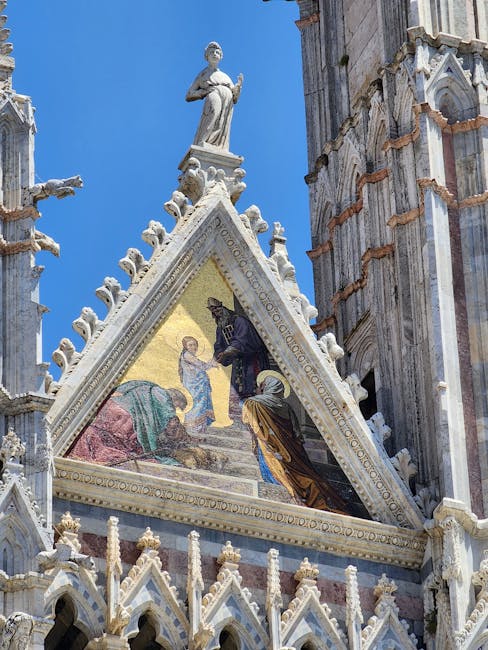
Siena, with its fan-shaped Piazza del Campo and cathedral of contrasting marbles, is much more than a frozen medieval town: it’s the perfect starting point to explore the Chianti hills and taste outstanding organic wines. Located in the heart of Tuscany and just a few dozen kilometers from historic estates, Siena combines culture and history with direct access to producers committed to ecological and sustainable practices.
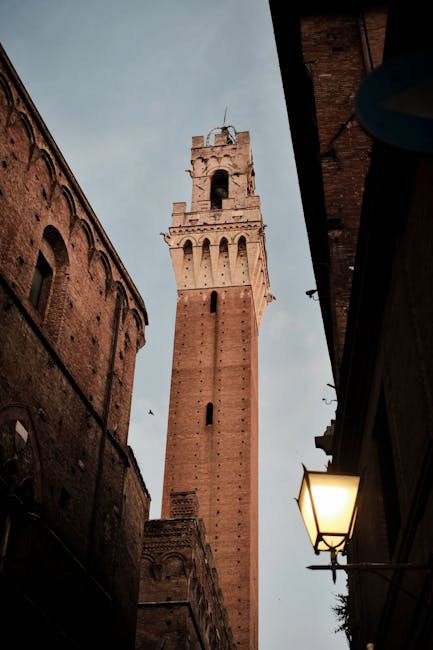
Walking from the Duomo di Siena (Cattedrale di Santa Maria Assunta, Piazza del Duomo, 1, 53100 Siena SI) toward the Fortezza Medicea, home to the Enoteca Italiana, you immediately sense the connection between urban heritage and rural terroir. The Chianti area around Siena — especially the communes of Gaiole in Chianti, Castelnuovo Berardenga, and Greve in Chianti — is dotted with small producers and estates that are increasingly adopting organic or biodynamic farming. These estates protect soils, minimize chemical inputs, and promote biodiversity, which shows in the glass as wines with striking aromatic purity.
For the curious traveler, tasting organic Chianti wines around Siena is an immersive experience: austere cellars and bucolic vistas, simple but careful food-and-wine pairings, and meetings with winemakers who openly share their technical and ethical choices. This article aims to offer a practical, detailed itinerary — exact addresses, opening hours, indicative prices, tasting tips and logistical hacks — so you can plan one or two days of tastings from Siena without missing the soul of Chianti’s organic wines.
Whether you’re an experienced enthusiast or a curious newcomer, you’ll find recommendations for estates reachable by car or organized tour, pairing suggestions with Sienese cuisine (pici, ribollita, local cured meats), and concrete tips for booking visits, handling winding roads and bringing bottles home safely. Get your palate ready and your walking shoes on: organic Chianti around Siena promises golden landscapes, scents of garrigue and oak, and genuine encounters.
 Click here to book an oenological experience at an organic estate
Suggested route: four must-visit organic estates around Siena
For a structured first look from Siena, here’s an itinerary covering four estates that illustrate Chianti’s organic commitment: Badia a Coltibuono, Castello di Brolio, Castello di Ama and Castello di Verrazzano. These stops fit a 1–2 day self-drive (car rental recommended) or a private guided tour from Siena.
1) Badia a Coltibuono
Address: Località Badia a Coltibuono, 53011 Gaiole in Chianti SI.
Opening hours: visits and tastings by reservation, typically Monday–Saturday 10:00–17:00 (closed some Sundays off-season).
Price: standard tasting around €20–€35 per person; full guided visits (with lunch) from €45–€80 depending on the formula.
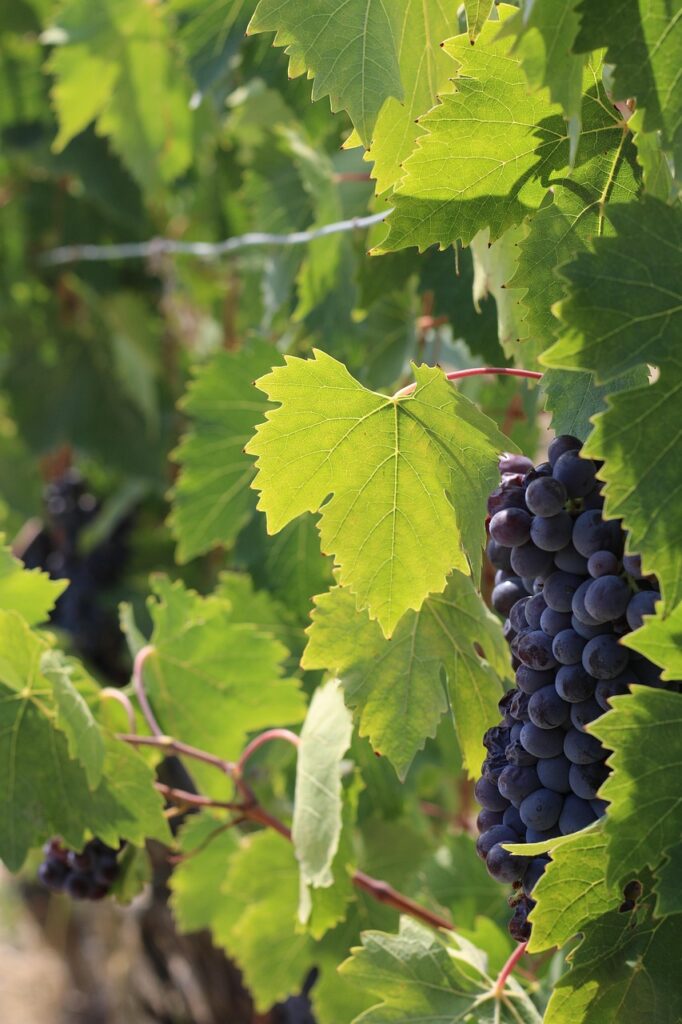
Description: a medieval monastery converted into an estate, Badia a Coltibuono practices organic viticulture on limestone hills. The experience includes a walk through terraced vineyards, a visit to the historic cellar and a simple lunch featuring local products (cured meats, pecorino, focaccia).
2) Castello di Brolio
Address: Località Brolio, 53013 Via di Brolio, Castagnoli, Gaiole in Chianti SI.
Opening hours: museum and cellar 9:30–17:30 daily (hours may vary in low season).
Price: castle and cellar tour + tasting from €15, premium tours and pairings from €40.
Description: the historic Ricasoli estate with vineyards managed using agro-ecological methods. The site offers impressive panoramic views and energetic, structured Chianti Classico wines.
3) Castello di Ama
Address: Via Ama, 53013 Baruffi, Gaiole in Chianti SI.
Opening hours: visits by reservation 10:00–17:00 (closed Sunday mornings in low season).
Price: basic tasting €25–€40, special tastings or food-and-wine experiences €60–€100.
Description: an estate known for its art projects and quality-focused organic practices. Tastings take place in modern aging rooms or on the terrace, paired with local pâtés and cheeses.
4) Castello di Verrazzano
Address: Via della Cisterna, 14, 50022 Greve in Chianti FI (about 35–40 km from Siena; 45–60 minute drive depending on the route).
Opening hours: shop and tours 9:30–18:00; tastings by reservation until 17:00.
Price: guided tours and tastings from €20–€45 per person; comprehensive wine-tour packages available.
Description: a large estate offering sweeping vineyard views and castle architecture. The estate also runs themed workshops on organic wine and guided walks between parcels.
Click here to book a visit to an organic vineyard
Click here to join a Chianti castles & tasting minibus tour
Cultural visits in Siena and local food-and-wine pairings
Before or after your excursions, take time to explore Siena itself. Two essential places to understand the relationship between the city and its terroir are the Cattedrale di Santa Maria Assunta and the Enoteca Italiana.
Duomo di Siena / Cattedrale di Santa Maria Assunta
Address: Piazza del Duomo, 1, 53100 Siena SI.
Opening hours: generally 10:00–19:00 (times vary with religious ceremonies). Admission fee, indicative 2025 prices €6–€15 depending on the route (access to the Museum, Panorama, Baptistery may cost extra).
Immersive description: stepping over the threshold of the Duomo brings you into a sanctuary of white, green and red marbles, where carved capitals and mosaic floors tell the city’s political and religious story. A morning visit helps avoid crowds and primes your senses for more subtle wines.
Click here to book your Siena Cathedral ticket

Enoteca Italiana – Fortezza Medicea
Address: Fortezza Medicea, Viale Vittorio Emanuele II, 2, 53100 Siena SI.
Opening hours: 10:00–19:00 (seasonal).
Prices: walk-in tastings à la carte from €5–€20, guided tastings around €20–€35.
Description: the municipal wine cellar offers an excellent selection of Tuscan wines, including a showcase of organic Chiantis and small regional bottlings. It’s a great spot to compare multiple producers without leaving town.
Click here to book a wine tasting with charcuterie and cheeses
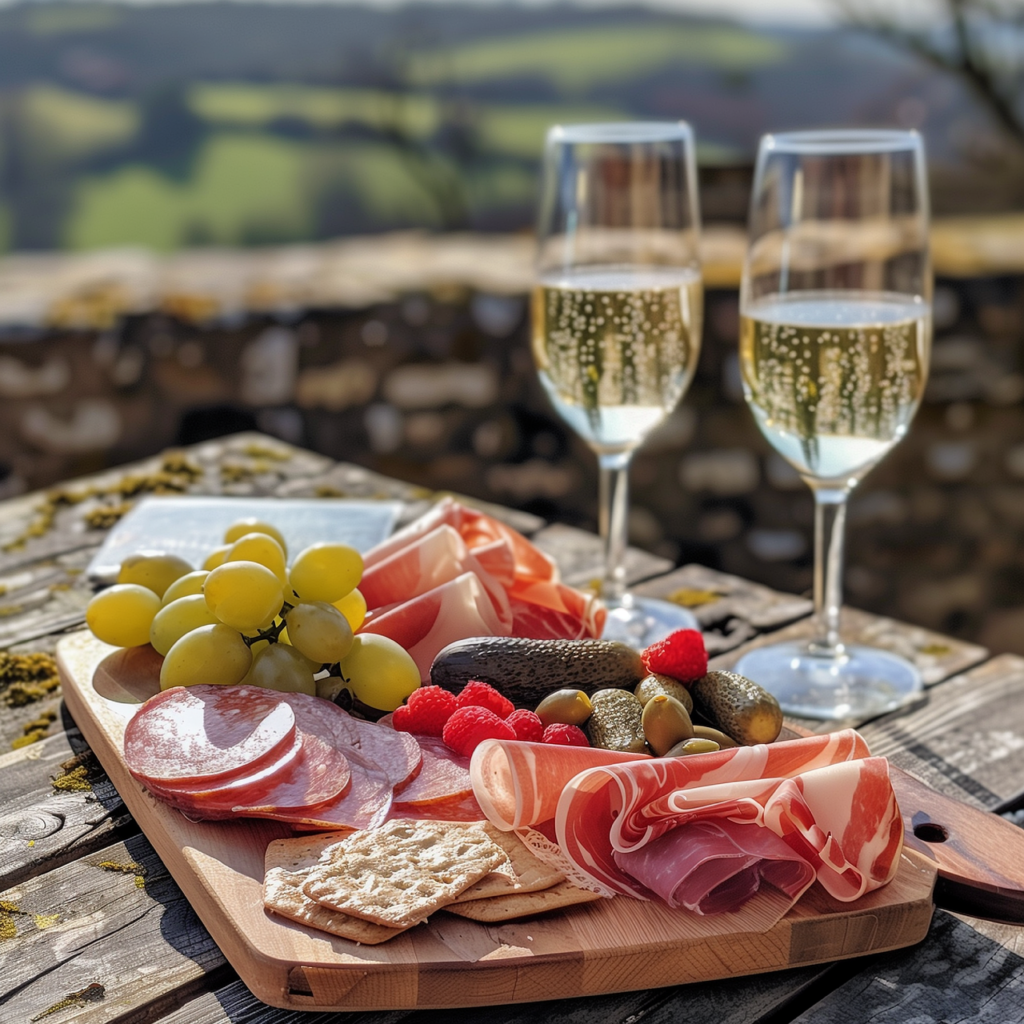
Food-and-wine pairings: around Siena, favor rustic dishes that stand up to Chianti’s tannic structure: pici with lamb ragù, ribollita, chicken liver crostini, and boards of Tuscan salumi. For an elegant organic Chianti Classico, look for wines that are young yet well-balanced, or barrel-aged cuvées to match richer stews.
Practical tips: bookings, transport, safety and purchases
Mobility and bookings
– Car rental: to freely explore the hills, renting a car in Siena is often the most practical choice. Expect roughly €45–€90 per day depending on season and category. Secondary roads are winding: choose a small car and drive slowly, especially in winter or wet weather.
– Public transport: there are organized excursions from Siena to Chianti estates; they typically cost €60–€120 per person for a full day (transport + two/three tastings).
– Reservations: always book in advance (at least 48 hours) in high season (May–Sept); some estates only welcome visitors by appointment.
Click here to book a vineyard visit with lunch
Buying and transporting wine
– Prices and purchases: expect organic Chianti bottles to range from about €10 for an entry-level bottling to €40–€70 for prestigious wines. Rare bottles can exceed €100.
– Packaging: ask the estate for proper cartons and padding for transport. If you’re flying from Florence or Rome, check airline packing rules and baggage allowances.
Responsible tasting and useful vocabulary
– Etiquette: no need for a suit, but avoid heavy perfumes (they mask wine aromas). Ask the winemaker about grape origins, type of aging (new vs. old barrels), and yield per hectare — good indicators of the estate’s philosophy.
– Key terms to know: « Chianti Classico DOCG », « vino biologico » (organic wine), « biodinamico » (biodynamic), « vendemmia » (harvest), « appassimento » (drying when used). These terms often appear on labels and in explanations.
Currency, tipping and local opening times
– Currency: euros. Estates generally accept cards and cash, but it’s wise to carry some cash for small purchases.
– Tipping: not mandatory, but leaving 5–10% or rounding up the bill at lunch is appreciated.
– Opening times: many estates close for a break in the early afternoon (usually between 13:00 and 15:30); check before you go.
Extra experiences: workshops, gastronomy and walking trails
To deepen your tasting, several estates offer themed workshops, advanced pairing sessions and vineyard walks. These experiences link agricultural practice with sensory pleasure.
Workshops and masterclasses
– Pressing and harvest workshop: some estates run half-day sessions during harvest (September–October) to teach picking techniques and let participants taste must. Indicative price: €35–€80 depending on duration and inclusions.
– Aging masterclass: learn the difference between aging in new barrels, used barrels and stainless steel. Often offered by Castello di Ama or local oenologists, prices range €40–€100.
Click here to join a complete Chianti immersion experience

Gastronomy and farm dining
– Many organic estates pair their wines with simple, seasonal farm cooking. For example, a lunch at Badia a Coltibuono or a picnic between the rows offers direct producer-to-plate pairings. Lunch at a producer typically costs €25–€60.
– In Siena, try places like Osteria Le Logge (via del Porrione, 33, 53100 Siena SI) for more refined pairings with local wines (reservation recommended; menus from €30).
Click here to taste Chianti wine and olive oil at cellar
Click here to book a traditional Tuscan cooking class
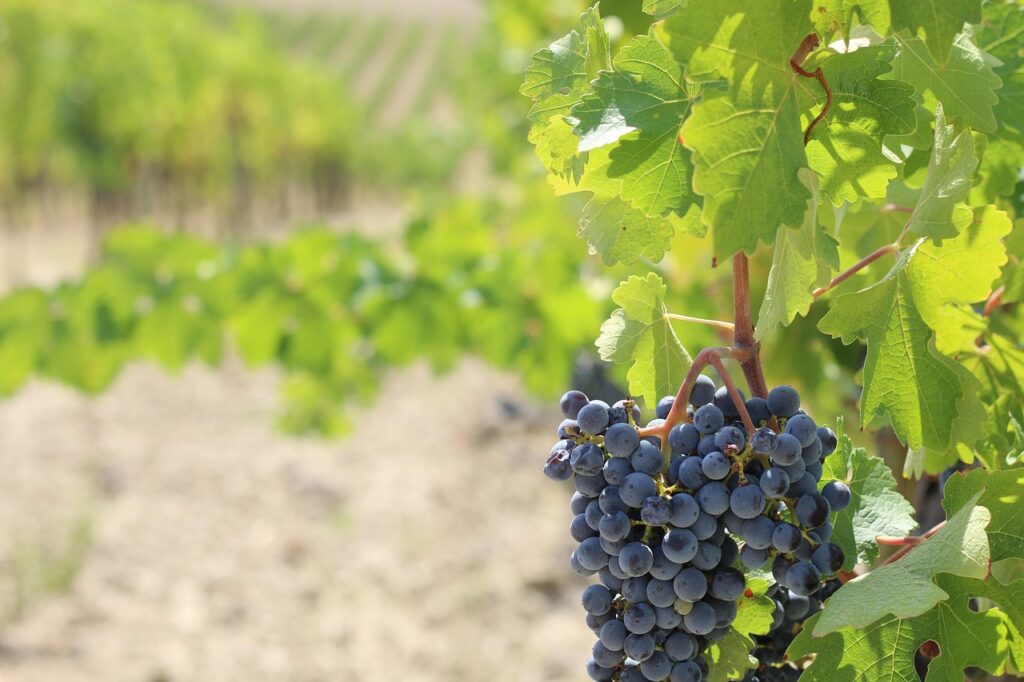
Trails and walks through the vineyards
– Walking trails: marked paths between Gaiole and Castelnuovo Berardenga offer short hikes (1–3 hours) to observe soil types and vine layouts. Bring water, closed-toe shoes and a map (or GPS).
– Cycling: mountain-bike or e-bike routes are offered by local providers, an ideal alternative to a car for a slower, more sensory trip. E-bike rental rates: €30–€60 per day.
Click here to book an e-bike tour with lunch
Conclusion: bringing the spirit of organic Chianti back to Siena and beyond
Tasting organic Chianti wines around Siena is more than sampling pours: it’s sharing the story of a place, understanding farming choices and feeling the link between soil, climate and the people who work it. The estates featured here — Badia a Coltibuono, Castello di Brolio, Castello di Ama, Castello di Verrazzano — showcase a range of approaches, from a medieval monastery to historic properties and contemporary art-driven projects, all moving toward the same goal: producing sincere wines with a reduced environmental impact.
Practically, plan your bookings, sort your transport and aim for slow tastings with local pairings. Buy a few bottles directly from the estates to support producers, and ask for storage and aging advice for the labels you bring home. Whether you take a robust Chianti Classico or an experimental small-batch wine, each bottle is a piece of Tuscan landscape you can share back home.
Finally, remember that the wine journey continues after the tasting: keep asking questions, read labels, and look for « vino biologico » or « biodinamico » when shopping. Siena and its surroundings remain a living classroom for anyone wanting to deepen their knowledge of sustainable wine. Return off-season for a more intimate experience, join a harvest if you can, and let organic Chianti change how you see the relationship between wine and the land that bears it.