





Introduction — Cheese and farms: a terroir day trip from Siena
Leaving Siena for a day devoted to cheese and farms gives you a chance to step into a less touristy, more authentic Tuscany — where the scents of freshly cut hay, warm milk and smoky wood mingle. Siena, with its Piazza del Campo and cathedral, is often the starting point for major cultural circuits; yet less than an hour’s drive away, clay-rich valleys and hills dotted with olive trees and cypresses shelter family farms that keep pastoral know-how alive. This itinerary is designed for anyone who wants, in a full day, to taste local cheeses, learn production methods, meet shepherds and cheesemakers, and finish with a farm picnic or dinner — all with practical tips to make the most of the experience.
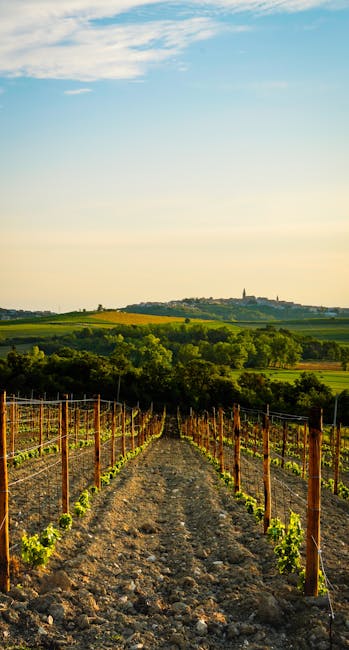
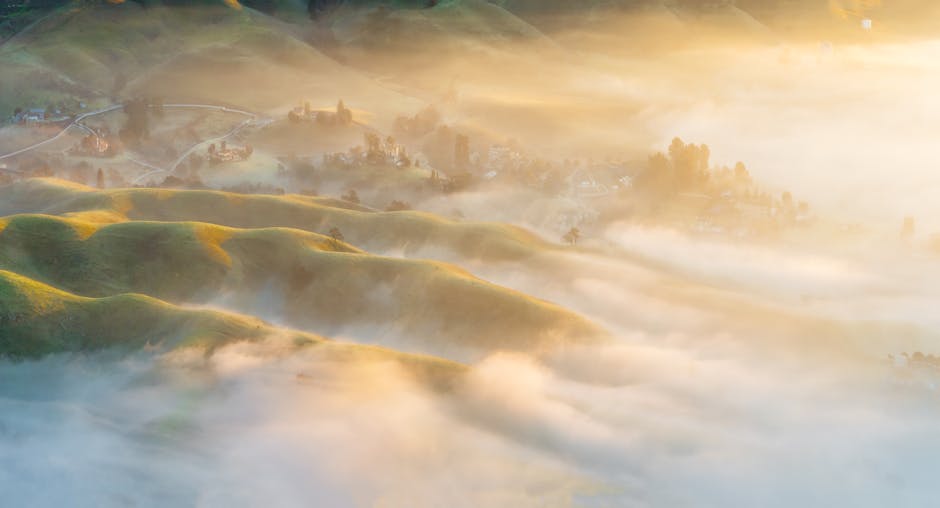
The day starts early in Siena, when the morning light turns the terracotta walls golden. You’ll first head to the Crete Senesi — that lunar, clay-streaked landscape that ranks among the most iconic rural panoramas in Tuscany. Next you’ll visit a dairy farm producing aged pecorino, then a small artisanal caseificio known for fresh ricottas and soft, herb-infused cheeses. During the visits you’ll have opportunities to watch milking, curd stirring, moulding and aging, to smell the aromas at each step and, of course, to taste with curiosity and moderation: rosemary caciotta, young raw-milk pecorino, warm ricotta, and sometimes cheeses aged in caves or stone cellars.
Beyond the cheese, the day is also about human encounters: farm owners who speak passionately about their animals, their feeding choices (natural grazing, local hay, rejecting GMOs) and their commitment to biodiversity. You’ll receive practical tips on how to store cheeses you buy (temperature, wrap in parchment rather than plastic, small tricks to extend the life of a ricotta), on regional pairings (Maremma honey, fig jam, Nobile di Montepulciano or Brunello di Montalcino wines), and on how to fit a farm visit into a larger Siena-area itinerary.
This guide doesn’t just list addresses: it gives specific practical information — postal addresses, opening hours, indicative prices, booking methods and comfort recommendations (closed shoes, clothing suitable for wind and dust, possible presence of dogs), plus an optimized route for a stress-free day. Stops were chosen for their relative proximity to Siena, the variety of their products and the quality of hospitality. Whether you’re a curious foodie, an amateur photographer hunting bucolic views, or a traveler seeking intimate contact with Tuscan land, this terroir day trip from Siena will leave lasting taste and visual memories.
Step 1 — Crete Senesi and the first farm: visit a Pecorino producer
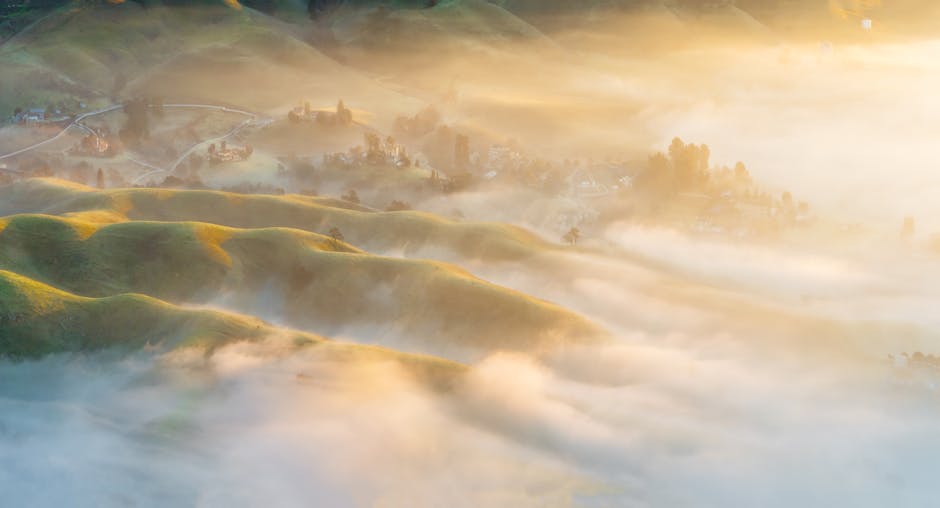
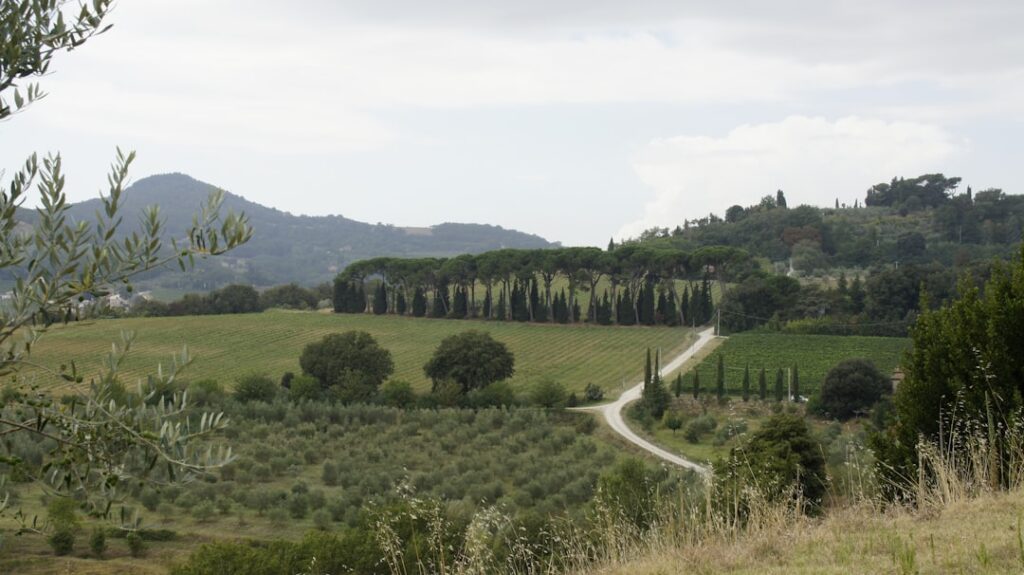
Set off from Siena early in the morning toward the Crete Senesi: count on 30–40 minutes to cover the 20–30 km separating Siena’s historic center from the wide clay expanse to the southeast. The road offers photogenic stops — undulating hills, isolated farms and cypress-lined drives. Your first halt is often a farm specializing in Pecorino, the iconic Tuscan sheep’s cheese. One recommended example is Azienda Agricola « Podere La Fonte », located at Via La Fonte 12, 53041 Asciano (SI). Note: the farm offers guided tours, milking demonstrations and tastings.
Address: Azienda Agricola Podere La Fonte, Via La Fonte 12, 53041 Asciano (SI).
Opening hours: guided visits by appointment Monday–Saturday 09:00–18:00 (last visit at 16:00).
Prices: guided tour + tasting €12 per person (children 6–12: €6, free <6). Special tastings and cheese-making workshop by reservation: €30–45 per person. Payment: cash and card accepted. Annual closure: a few days in January for inventory and maintenance (check before you go).
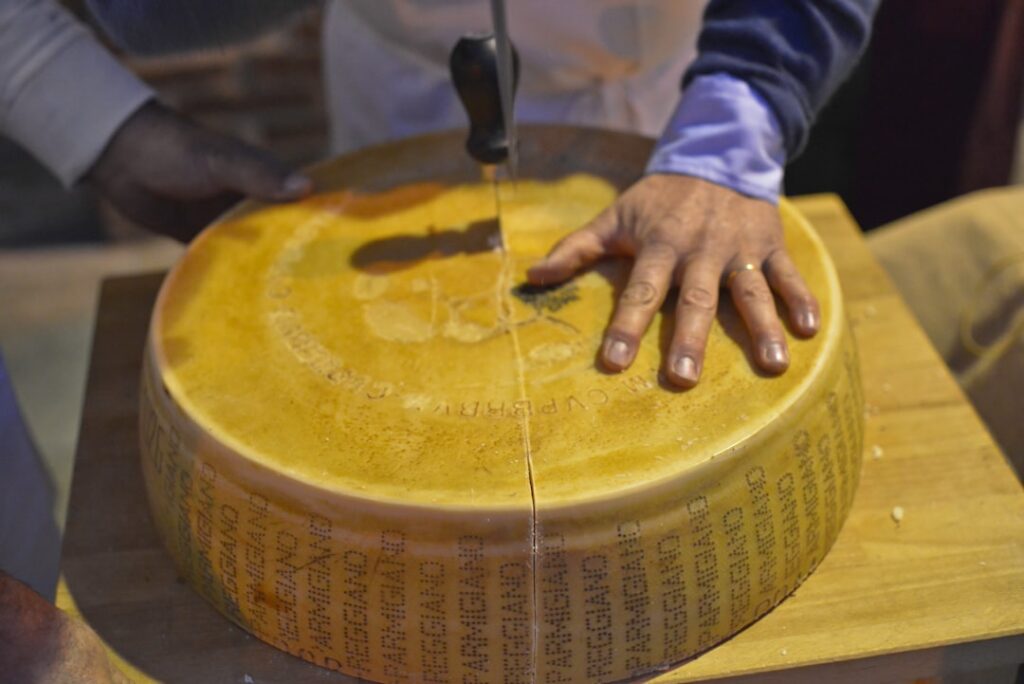
The visit usually starts with the flock: hardy sheep fed mainly on local grasses and hay. The cheesemaker explains seasonal milk cycles, the difference between raw and pasteurized milk, and why Tuscan pecorino has a specific texture and bouquet. You’ll then see the milking room and dairy: stainless-steel vats, coagulation basins, pressed moulds and wooden aging tables. The air smells of warm milk and the sweet almond of whey. Aging often happens on boards or in cool cellars; cheeses may be rubbed with olive oil, coated in pepper, or aged with herbs.
Tasting: the farm offers several aging stages — pecorino fresco (young, soft texture, lactic flavors), pecorino semi-stagionato (3–4 months, hazelnut notes), and pecorino stagionato (6–12 months, more pronounced aromas). Accompaniments include local honey (€6–10 for a 250 g jar), homemade fig or quince jams and rustic bread. Staff will also suggest ideal wine pairings: a 2016 Nobile di Montepulciano or a young Chianti Classico.
 Click here to book a farm cooking class near Siena
Step 2 — Artisanal caseificio and workshop: ricotta and caciotta
After the first farm, continue to an artisanal caseificio specializing in fresh and semi-aged cheeses. About thirty minutes from Asciano you’ll find a small family-run workshop: Caseificio « La Bottega del Latte », Via Provinciale 45, 53026 Pienza (SI). Here the focus is on daily ricotta production, rosemary- or truffle-scented caciotte, and sometimes more original dairy variations (cheeses flavored with olive oil, nuts or pepper).
Address: Caseificio La Bottega del Latte, Via Provinciale 45, 53026 Pienza (SI).
Opening hours: Tuesday–Sunday, 09:00–13:00 and 15:00–18:30 (closed Monday).
Prices: free self-guided visits; « make your ricotta » workshop €25 per person (duration 1h15, reservation required). Cheeses: fresh ricotta €4–6 per kg, rosemary caciotta €8–12 depending on weight and aging. Sales on site and shipping possible within Italy (fees based on weight).
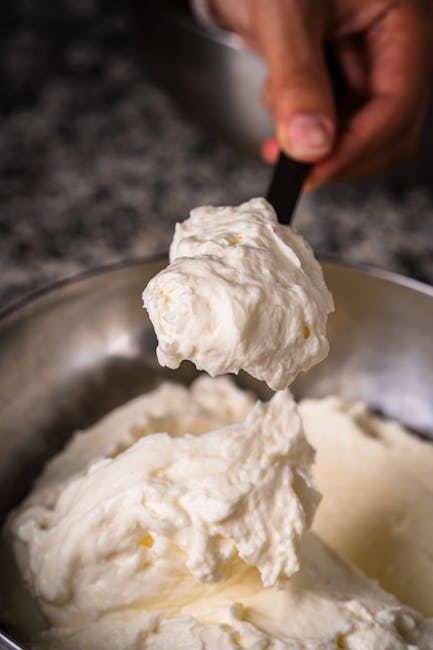
This caseificio’s hallmark is daily production: ricotta is made from the leftover whey of milk coagulation — it arrives still warm when you taste it. Textures are silky, creamy, with a pronounced milky sweetness. The owner will demonstrate precise gestures: gently heating whey, adding a mild acid to trigger coagulation, skimming the surface and collecting ricotta in wicker baskets. For caciotta, moulding and salting are done by hand; aging takes place in temperature-controlled cellars.
Hands-on workshop: you can join the « make your ricotta » workshop (€25) aimed at small groups (max. 8 people). You’ll make your own portion, learn how to salt and flavor it, and take home a small pot to enjoy within hours (fresh ricotta doesn’t tolerate long periods unrefrigerated). Practical tips: wear an apron, bring an insulated bag if buying multiple products, and check airline transport rules if you plan to take purchases abroad.
Click here to join a traditional Tuscan cooking class
Step 3 — Organic farm and cellar aging: a sensory education
To round off the morning and early afternoon, head to an organic farm that practices cellar aging and offers a sensory immersion. A good example is Azienda Agricola « Le Vecchie Cantine », located at Via delle Cantine 8, 53024 Montalcino (SI) — known for its cool stone-carved cellars and particular aging style for pressed and soft cheeses. This stop emphasizes the aging environment, which transforms texture and develops characteristic aromas.
Address: Azienda Agricola Le Vecchie Cantine, Via delle Cantine 8, 53024 Montalcino (SI).
Opening hours: guided visits by reservation only, Monday–Saturday 10:00–17:00 (last visit at 15:30).
Prices: cellar visit + tasting €18 per person (includes 4 aged cheeses and a glass of 2014 Brunello di Montalcino). In-depth workshop « Cheese and aging »: €40 (duration 2h).
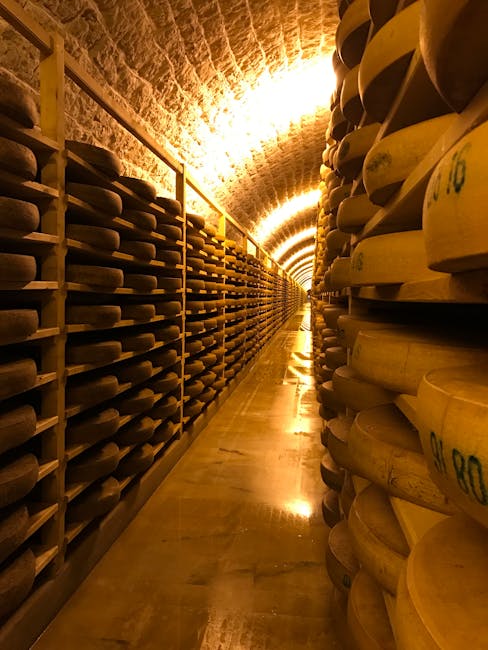
On arrival you’ll be greeted by the fresh, humid smell of stone cellars. The guide explains how temperature (10–14 °C) and humidity (85–95%) affect the rind and microbiological development. You’ll see wheels stacked on boards, some rubbed with olive oil, others brushed with a light brine. Cheeses on display vary: tomme shapes, pecorino wheels, caciotte in barrel form, and a few experiments (hay aging or aging in chestnut leaves).
Sensory workshop: during a guided tasting you’ll be taught to identify milky, floral, fruity or piquant notes. The farm recommends starting with the youngest cheese and moving toward the more aged. Accompaniments are chosen to reveal subtle differences: chestnut honey, caramelized onion jam, pear slices and toasted country bread. Local tip: always ask about serving temperature — an aged cheese reveals its aromas best at 16–18 °C, so take it out of the fridge 30–45 minutes before tasting.
Click here to book a Brunello wine tour from Siena
Step 4 — Local market, wine pairings and a countryside picnic
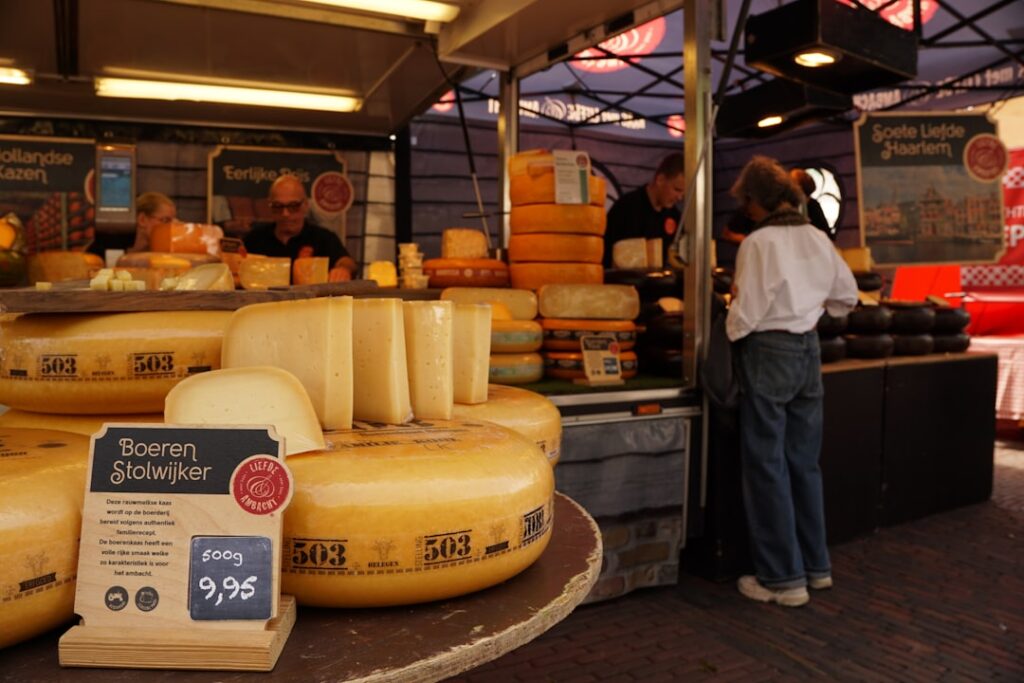
In the late afternoon, after visits and workshops, head to a less formal but equally essential stop: the local market or your chosen picnic spot. If in season, stop at the Sinalunga market (Piazza Garibaldi, 53048 Sinalunga SI) or the small Asciano market (Piazza del Grano, 53041 Asciano SI) to top up your basket: artisanal bread, extra virgin olive oil (500 ml €10–18 depending on quality), handmade jams and a small jar of honey.
Sinalunga market — Piazza Garibaldi, 53048 Sinalunga (SI). Hours: weekly market Thursday morning 08:00–13:00 (times vary by season).
Asciano market — Piazza del Grano, 53041 Asciano (SI). Hours: weekly market Saturday morning 08:00–13:00.
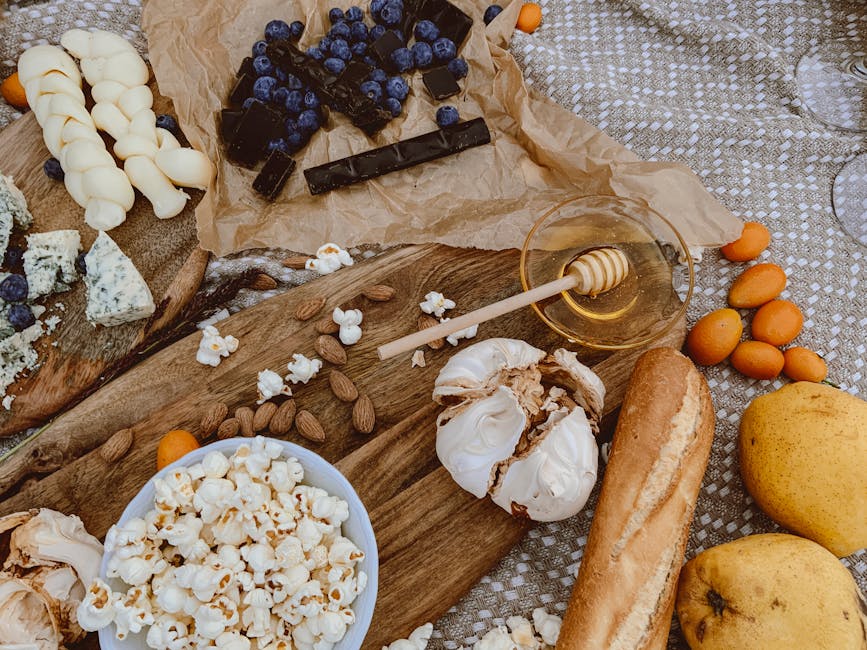
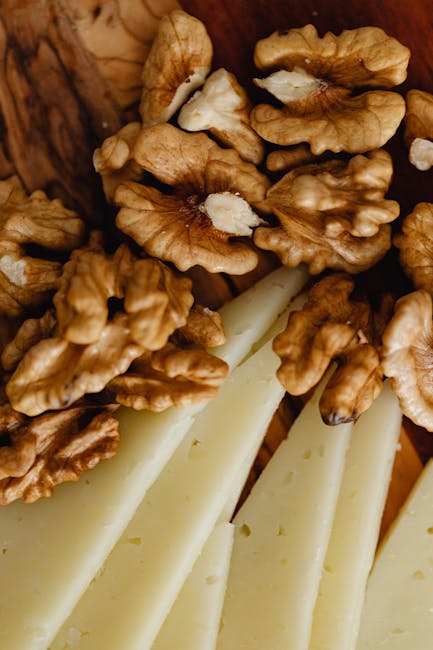
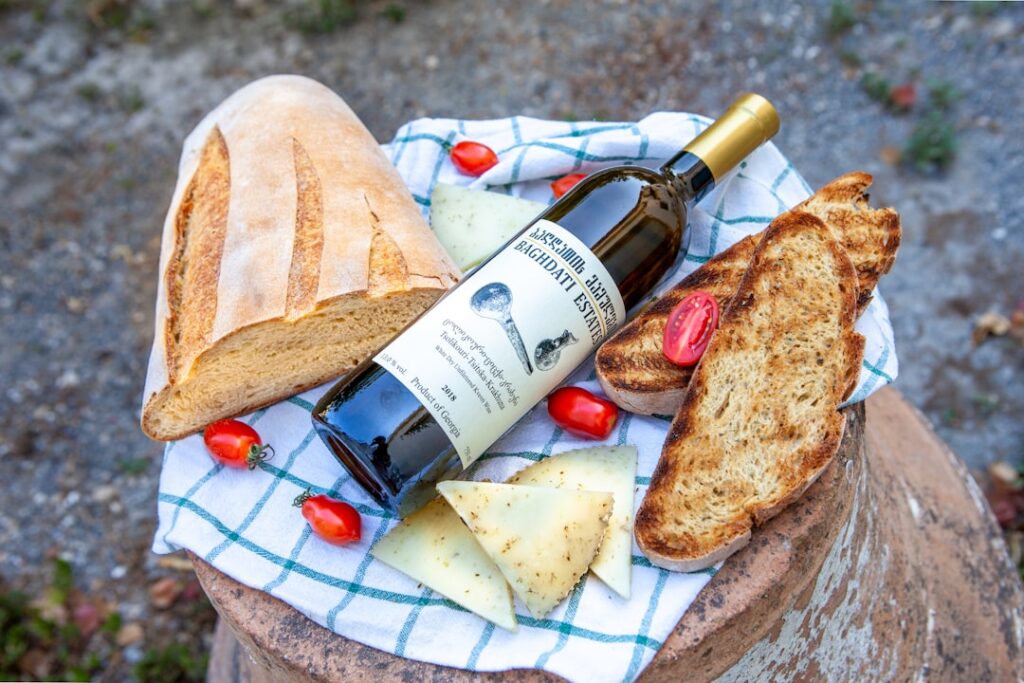
Picnic: find a panoramic spot in the Crete Senesi (for example the viewpoint at Monte Oliveto Maggiore) or in the hills around Pienza. If you choose Monte Oliveto Maggiore — Via degli Scalzi, 53041 Asciano (SI) — the abbey provides a contemplative setting for an outdoor lunch (monastery entry €5–7 depending on exhibitions; hours 09:00–17:00, check season). Practical tip: bring a soft cooler, insulated bags, napkins and reusable cutlery. Slice cheeses thinly for easy sharing; pair with dried fruit, nuts and a little honey.
Wine pairings: to accompany your cheeses, opt for smaller bottles (37.5 cl) if you don’t want to carry a full bottle. Suggestions: Brunello di Montalcino (single tasting glass often available at farms from €6–10), Vino Nobile di Montepulciano (tastings €5–8 at some cellars), or a light Chianti Colli Senesi. Observe local rules: drink responsibly, don’t leave litter and park only in designated areas.
Click here to book a cheese and wine tasting in Siena
Practical tips for organizing the day from Siena
Planning a terroir day trip takes a few precautions to keep it pleasant and hassle-free. Here are precise practical tips tailored to this kind of excursion.
- Transport: renting a car offers the most flexibility. From Siena, secondary roads are often narrow: prefer a small car or a compact SUV. Parking: leave your car in central Siena (for example Parcheggio Il Campo, Via Esterna di Fontebranda, 53100 Siena SI) then hit the road. Approximate parking cost in central Siena: €2–3 per hour, daily rates possible (€10–15).
- Reservations: most farms require advance booking, especially for practical workshops. Call or email at least 48 hours ahead, more in high season (April–October). Phone contacts are usually on the farms’ official sites or on local tourism pages for Siena.
- Gear: closed shoes (farms often have uneven floors), a windproof jacket, hat, and a mask if you’re sensitive to strong smells. Bring an insulated bag if you buy fresh products and plan a cooler and a backpack for bread and drinks.
- Budget: expect to spend about €50–80 per person for a day including two guided visits, a simple workshop, tastings and purchases (excluding restaurant meals). Farms sell takeaway products: cheeses €4–25 depending on weight and aging, jars of honey €6–12, oils €10–20.
- Respect: always ask permission before photographing staff or animals, don’t enter animal pens without accompaniment, and follow hygiene rules (hand washing, wearing an overcoat if required).
- Allergies and dietary restrictions: notify any dairy allergies in advance; some farms offer vegetable-based alternatives or adapted tastings.
Click here to reserve a Chianti vineyard tour with lunch
Useful resources and contacts for booking
To make bookings easier, here’s a list of typical resources and contacts you can use to organize the day. Remember to verify details a few days before departure — hours and prices may change with the season.
- Siena Tourist Office (Ufficio Informazioni Turistiche) — Piazza del Campo, 1, 53100 Siena SI. Phone: +39 0577 292111. Hours: 09:00–18:00 (daily in high season). Information on tours and partner farms.
- Azienda Agricola Podere La Fonte — Via La Fonte 12, 53041 Asciano (SI). Visit reservations: +39 0577 812345 (example number, check online). Typical contact email on the official site.
- Caseificio La Bottega del Latte — Via Provinciale 45, 53026 Pienza (SI). Workshop reservations: call or book via their Farm Experience page.
- Azienda Agricola Le Vecchie Cantine — Via delle Cantine 8, 53024 Montalcino (SI). Reservations for cellar visits and sensory workshops strongly recommended.
Tip: many farms accept bookings via local experience platforms (GetYourGuide, Viator, or regional Tuscan portals) but often the best prices and greatest flexibility come from contacting them directly.
Click here to book a guided food and wine tour in Siena
Conclusion — Back to Siena with flavors and memories
A terroir day trip from Siena focused on cheeses and farms is a sensory and human immersion: you’ll have touched still-warm milk, smelled the damp cellar, tasted warm ricottas, compared young and aged pecorini, and above all met people who live by the rhythm of the seasons. These experiences leave more lasting impressions than any photograph: they reveal the origin, the craft and the patience behind a product.
When you return to Siena you’ll likely have cheeses in a cooler, a few artisan contacts, producers’ tips for recreating simple recipes (like a rustic pecorino, pear and walnut salad, or ricotta-and-honey crostini), and the urge to continue exploring rural discoveries. Keep the farms’ contact details handy: many ship so you can restock once home. Consider sharing your thanks directly with the producers — a note of appreciation extends the circle of encounters and supports the local economy.
Finally, for enthusiasts who want to go deeper, several farms offer agriturismo stays or multi-day « cheesemaker in residence » programs: excellent options if you want to learn cheesemaking in depth, help care for the flock and live at a different pace. But for a single day, the route described here gives a full overview: the drive from Siena to the Crete Senesi, discovering a caseificio, visiting an aging cellar and enjoying a bucolic picnic — a simple, wonderful way to embrace Tuscan terroir through cheese.