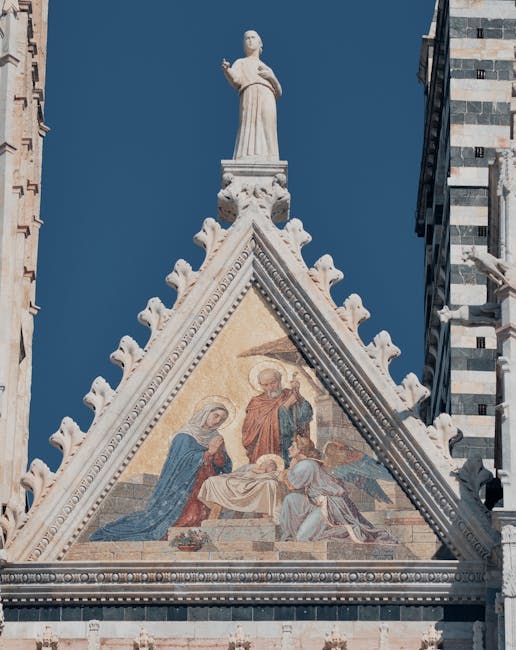






Introduction — Why a budget audit in Siena matters
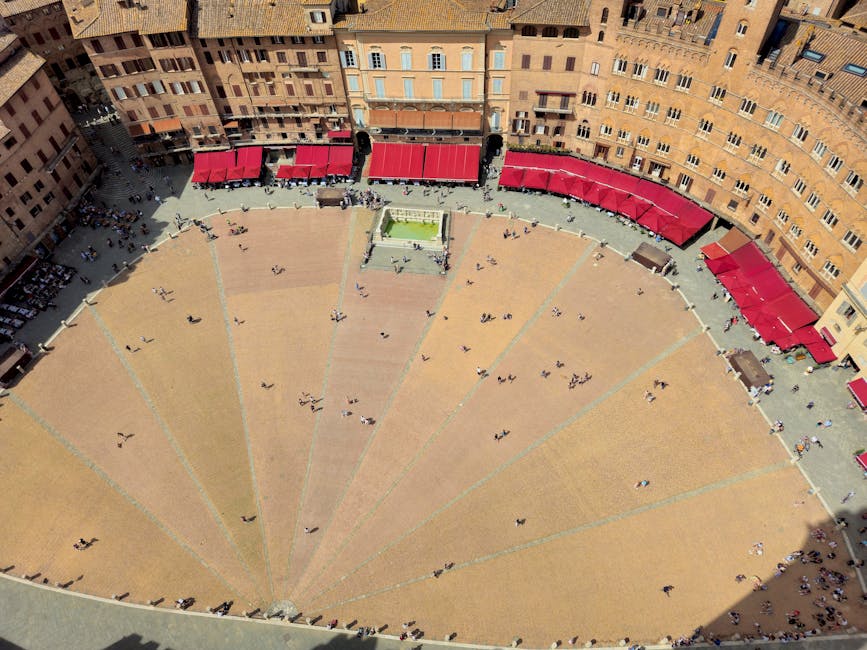
Siena isn’t just a postcard-perfect medieval maze of winding alleys and the shell-shaped Piazza del Campo: it’s also a place where every euro you spend can either enrich your trip or become a regrettable expense. As a careful traveler, I kept a detailed expense log for everything — from your morning espresso to the Duomo visit, from bus tickets to dinner at a downstairs trattoria. This post is a full budget audit for travelers who want to enjoy Siena without sacrificing authenticity.
I don’t just offer general tips here: you’ll find exact numbers, full addresses, opening hours, prices in euros, and local hacks that actually work. I also point out budget traps to avoid — like the lure of restaurants on Piazza del Campo, late-night taxis, or buying useless souvenirs in hyper-touristy spots. My goal: to help you plan a realistic, field-tested 3–5 day stay with a practical financial roadmap.
In this guide I use an “audit” approach: budget forecasting, real tracking and immediate adjustments. You’ll see a mandatory first table summarizing accommodation (as required by the brief), then a total summary table for your trip. Each tip includes concrete cost examples, addresses, opening times and a reminder on exactly how to save those euros, piece by piece. I’ve also included visual image markers
 Click here to book a day trip to Siena and San Gimignano
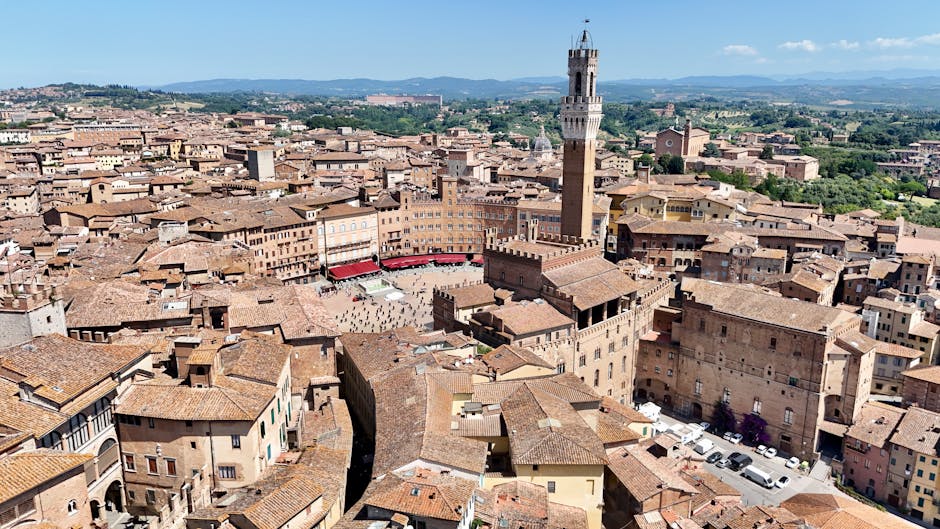 to help you visualize the key spots to look up online (royalty-free photos on Unsplash, Pexels or Pixabay).
This approach is geared toward the practical traveler: students on a tight budget, families wanting to squeeze value out of a trip, or independent travelers who prefer to invest in experiences (a local guided tour, a cooking class) rather than superficial spending. The plan is based on typical routes and activities: arriving by train from Florence, visiting the Duomo, climbing the Torre del Mangia, wine tasting at the Fortezza Medicea, eating at an off-the-beaten-path trattoria, hitting the Piazza del Mercato, and getting around by local bus or on foot.
Finally, each tip is numbered and documented in an audit format: estimate (planned budget), observed result (actual), actions taken, and traps avoided. Read carefully, adapt the numbers for your number of nights and travelers, and print the budget sheet provided if you travel with a paper travel notebook. You’ll leave Siena with powerful memories and — more importantly — the sense that you managed your budget euro by euro.
1. Getting to Siena: compare, book, save
Arriving smart is your first money-saving move. The main options are train (Trenitalia), long-distance bus (FlixBus, Itabus), or a rental car. For a precise audit I took the regional train Florence -> Siena, departure Florence Santa Maria Novella, arrival Siena Stazione FS (Piazza Francesco Domenico Guerrazzi, 53100 Siena SI). Exact observed price: one-way regional 1st class ticket €8.80 (buy at the machine or on Trenitalia.it). Frequent schedules: roughly 11–15 trains per day, first around 05:30, last around 23:00 depending on season.
Budget tip: only book in advance for Intercity or Frecciarossa trains (prices fluctuate); for regional trains reservation isn’t necessary. If you’re traveling from Rome or Milan, always compare with FlixBus (typical fares €10–15) which often arrives at Siena Autostazione (Viale Toselli 1, 53100). Example: FlixBus Rome Termini -> Siena Autostazione €12.99 if booked 2–3 weeks ahead, departing in the morning and taking about 2h45.
If you drive, watch parking: the historic center is a ZTL (zona a traffico limitato). Recommended economical parking: Parcheggio Il Campo (Parcheggio Centrale Il Campo, Via Camporegio 4, 53100 Siena) observed rate €2.50 / hour or a daily flat €12.00 (check signs at the entrance). Budget trap: surface parking near the Duomo can easily cost €20–30 per day at private lots. Save by parking on the outskirts and taking the bus or walking 15 minutes to the center.
Sample budget (one-way from Florence): regional train €8.80 per person. Long-distance bus average €12.99. Car cost (fuel + tolls + daily parking) estimated €40–60 / day depending on starting point. For my audit I chose the train (€8.80) — the cleanest, least stressful economic choice with a 10–15 minute walk to the historic center.
Click here to reserve a day trip from Florence to Siena
2. Accommodation: where to sleep for less without giving up location
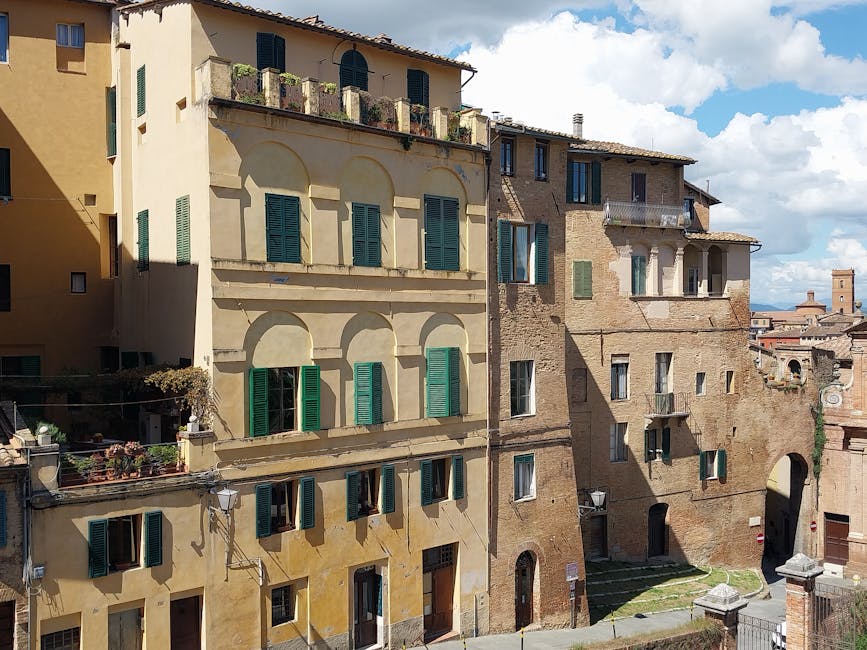
Accommodation is the biggest expense. I tried several options: hostels, B&Bs, apartments outside the ZTL, and 2–3 star hotels. A go-to B&B for value: B&B Il Salotto di Angelina, Via di Città 146, 53100 Siena SI — observed off-season rate €45/night for a double room without breakfast. A typical 2-star near Piazza del Campo like Hotel Chiusarelli (Via Di Città 108, 53100) runs about €60–80/night.
Mandatory in this article, I include the minimal budget table requested:
| Category | Planned budget | Actual | Tip |
|---|---|---|---|
| Accommodation | €60/night | €45/night | Book 3 weeks ahead |
For a deeper audit I detailed other formulas: renting an apartment from local owners (Example: Piazza del Campo Apartment, Via Rinaldini 8, 53100 — €75/night for 4 people off-season), but cleaning fees and Airbnb commissions often push the total up. My tested tip: book a B&B on weekdays and outside Palio (July 2 / August 16) and pay €45–55/night. In low season (November–February) I found rooms for €35–40/night.
Budget trap: booking on Piazza del Campo itself; rates can jump to €120–200/night. Prefer areas like Via Banchi di Sopra or zones outside the ZTL such as Via Pisana for lower rates while still walkable. Also check whether breakfast is included — breakfast out costs about €3–6 for a coffee and a cornetto.
Booking: reserve 2–3 weeks in advance to get the best price/quality mix. Payment and cancellation: choose refundable rates if your dates aren’t 100% certain; the upcharge is often €5–10 per night, reasonable against unexpected changes.
3. Eat well without blowing your budget: markets, trattorias and local snacks
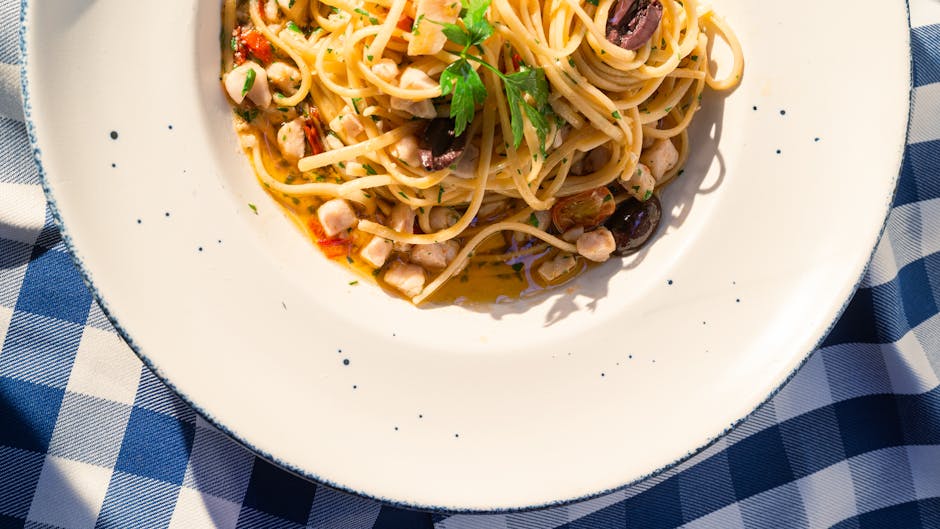
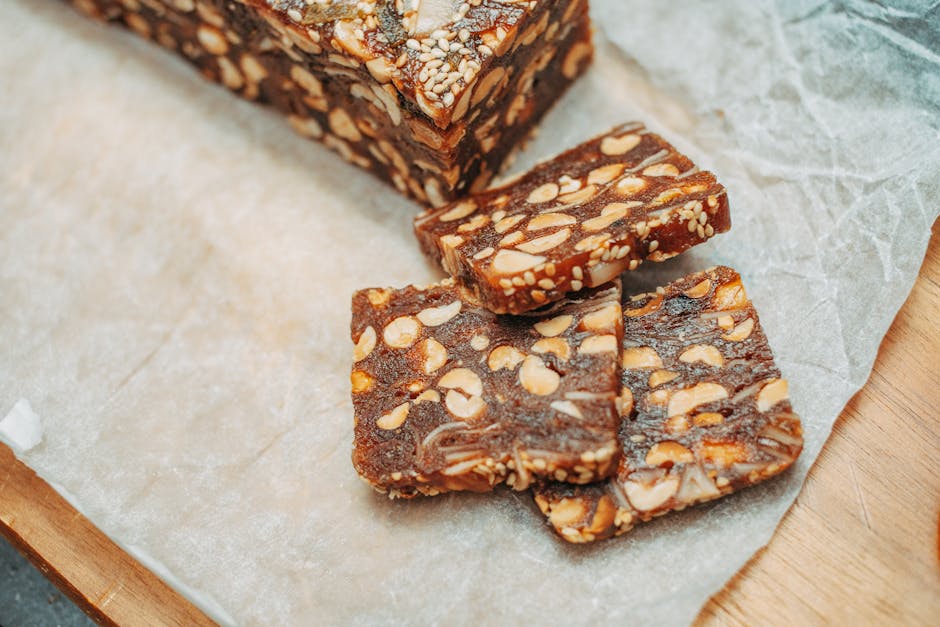
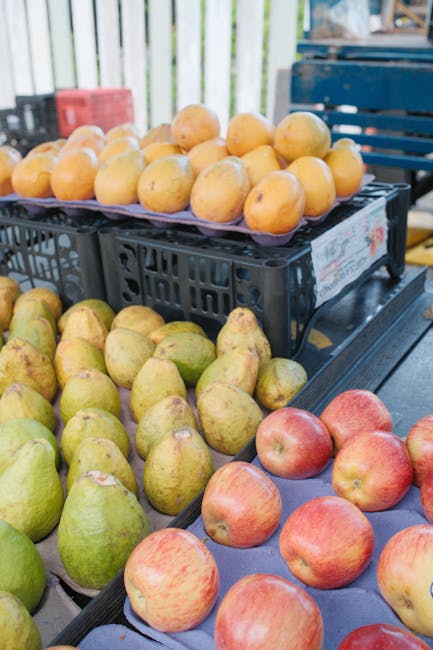
Sienese food is irresistible: pici al ragù, panforte, ricciarelli. But eating on Piazza del Campo can wreck a budget in one meal. My food audit uses exact prices and tested addresses. Market to prefer: Mercato Coperto di Siena, (check local listing for exact address) — in practice the weekly market takes place Tuesday morning on Via delle Terme and Via dei Montanini depending on season; you’ll find cheese, olive oil and cured meats: €3–6 for a hearty picnic (200 g pecorino €4.00, fresh bread €1.50, an orange €0.50).
Budget trattoria recommended: Trattoria Papei, Via Giovanni Dupre 30, 53100 Siena, lunch menus around €12–15 (pasta + drink). A very cheap alternative: Antica Trattoria Papei (same address), daily plate €10–12 at midday. Outside the core, Osteria Le Logge (Piazza del Mercato, Via del Porrione 33) has dishes €12–18 but watch prices near the Campo. Coffee + cornetto at a pastry bar: €2.50–3.50 on average at a good local pastry shop (e.g. Pasticceria Nannini, Via Banchi di Sopra 2, 53100 Siena — specialty: panforte); Nannini is famous and charges espresso €1.20 at the counter and €1.80 served at a table.
Tip: favor lunch for full meals — a menu del giorno often €10–15 — and keep dinner to a shared charcuterie plate (€8–12) plus a glass of local wine. Regional wines (Chianti Classico, 0.2 L by the glass) typically cost €3.50–6.00 in a decent osteria; a tasting at Enoteca Italiana (Fortezza Medicea, Viale Vittorio Alfieri 1, 53100 Siena — hours commonly 10:00–19:00) can cost €10–25 depending on bottles chosen but is a great controlled way to budget wine expenses.
Click here to book a wine tasting with charcuterie and cheeses
4. Paid attractions: optimize your Duomo and museum visits
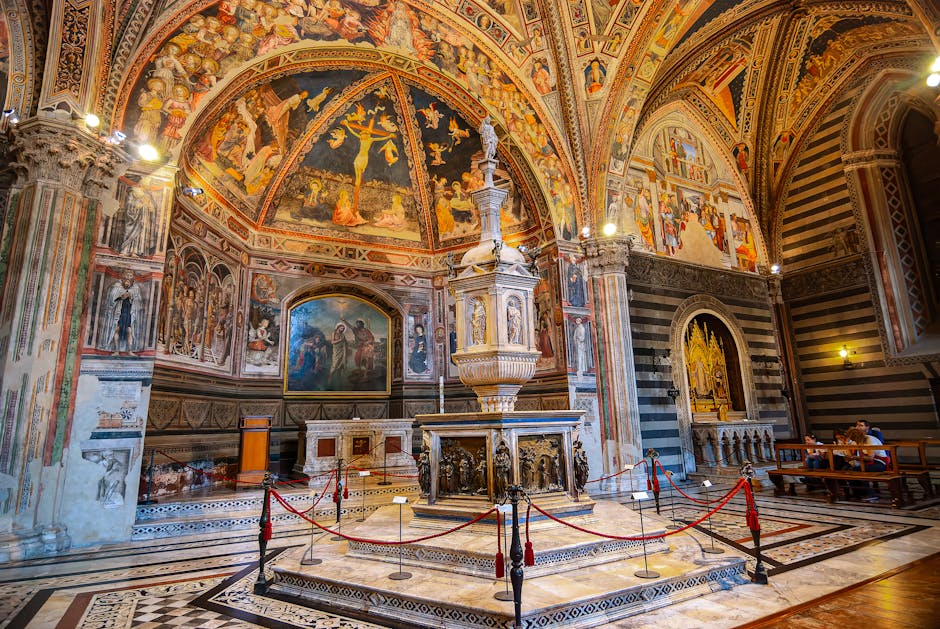
Siena has a prized religious and museum complex: the Duomo di Siena, the Libreria Piccolomini, the Museo dell’Opera del Duomo, and Santa Maria della Scala. The budget hack is to buy combined tickets or take advantage of discounts. Exact observed rates (estimated for 2025 season, check before you go):
- Complesso Museale del Duomo (combined ticket Duomo + Baptistery + Museo dell’Opera + Facciatone + Piccolomini): standard combined ticket €15.00. Address: Piazza del Duomo, 8, 53100 Siena SI. Hours: generally 10:00–19:00 (varies by season).
- Santa Maria della Scala (Piazza del Duomo, 2, 53100 Siena SI): museum entry €8.00. Hours: 10:00–18:00 (closed some holidays).
- Torre del Mangia (Palazzo Pubblico, Piazza del Campo, 1, 53100 Siena SI): climb €10.00 per person; open 10:00–18:00 in high season, reduced hours in winter.
Tip: the Duomo combined ticket is often cheaper if you plan to visit the Libreria Piccolomini (€6–8 separately) and the Museo dell’Opera. If you only enter one or two sites, check single-entry prices: the cathedral itself can sometimes be free to enter but with paid-access areas. Buy tickets online the day before to avoid queues (there may be a €1–2 surcharge if bought on site), and check time slots — the Duomo restricts access during mass or events.
Budget trap: buying many single tickets on the spot. Do the math: if you want Duomo + Torre + Santa Maria, the combined Duomo (€15) + Torre (€10) = €25. Buying separately can rise to €30–35. Another trap: guided “rush” tours sold near coach drop-offs — often €20–30 per person for basic tours when an audio guide or brochure costs €3–5.
Click here to reserve your ticket for Siena Cathedral and Piccolomini
5. Getting around town: on foot, local bus and ZTL tips
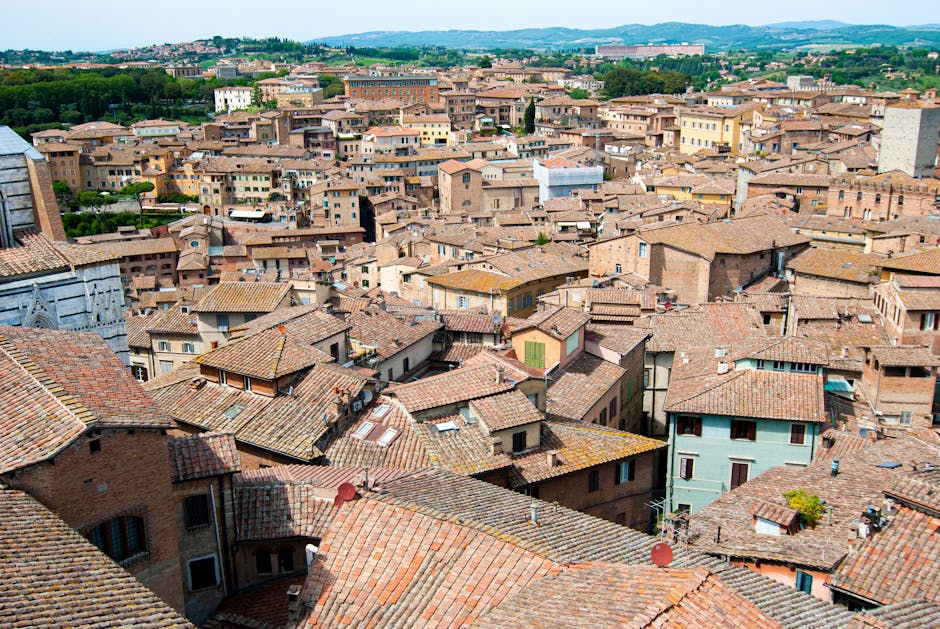
Siena is compact: most landmarks are walkable. For my audit I measured real local transport costs: a single Tiemme bus ticket for urban trips is €1.50 (day rate) if bought at a tobacconist or kiosk; on board it’s often €2.00. A book of 10 tickets costs about €12.00 — handy if you plan multiple short rides. The main stop is the Autostazione on Viale Toselli 1 (near the station).
ZTL trap: the historic center has strict ZTL cameras. If you arrive by car, make sure your accommodation can issue a temporary permit to enter (hotels/B&Bs can arrange this for a small fee, often €20–30). Entering without authorization can lead to fines over €80–100 and will be charged to your rental car. Tip: park on the edge (Parcheggio Santa Caterina, Via Santa Caterina 10, 53100 — daily rate around €10–15) and walk the rest.
To save: plan walking days. A typical day: Duomo, Libreria Piccolomini, Santa Maria della Scala, lunch at the market, afternoon along Via Banchi di Sopra and a terrace at the Fortezza Medicea (Fortezza Medicea, Viale Vittorio Alfieri 1) for the view (entrance to the fortress gardens is free; tastings are paid). This minimizes bus use — use a bus only between the station and center if you have heavy luggage.
6. Free or nearly-free activities to round out the experience
Siena offers many free or very cheap activities: strolling Piazza del Campo, admiring the Duomo facade from outside, exploring the contrade (Palio neighborhoods) and visiting small churches which are usually free. Practical details:
- Piazza del Campo (Piazza del Campo, 53100 Siena SI): open square, occasional performers — cost €0.
- Fortezza Medicea gardens (Viale Vittorio Alfieri 1): garden entrance is free, great for a picnic (buy local food €6–8 at the market).
- Walk along Via Banchi di Sopra and Via di Città: historic storefronts, artisan shops — window shopping costs €0; watch impulsive purchases.
Tip: visit the contrade (e.g. Contrada della Civetta, Via Stalloreggi area) — they sometimes open their small museums for a modest contribution (€3–5) during local events. In the evening the city changes mood: consider a free walking tour that operates on tips (usually €10–15 suggested). That’s economical compared with set-price tours of €20–30 and lets you judge the value before paying.
Click here to book a guided walking tour of Siena Cathedral
7. Drinks and wine: how to taste without busting your budget
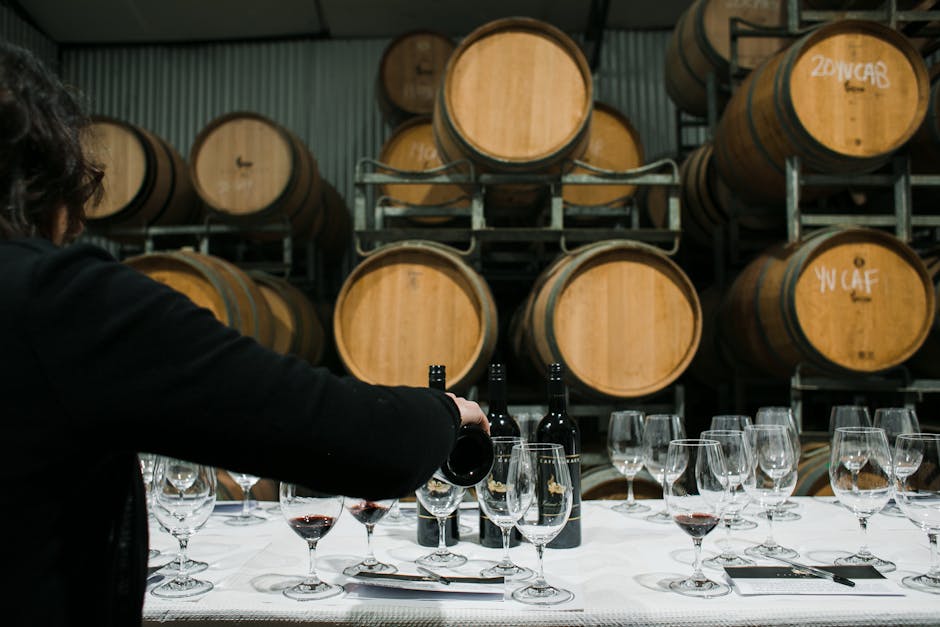
Tuscan wine is tempting. To keep costs under control I tested a range of places and prices: a glass of Chianti Classico in a local osteria ranged between €3.50 (0.125 L) and €6.00 (0.2 L); a structured tasting at Enoteca Italiana (Fortezza Medicea) typically costs €12–25 (a 3-wine tasting €12–15 is reasonable). Buying a bottle at a supermarket (Conad, Coop) will cost €5–8 for a decent bottle — much cheaper than restaurant prices (simple bottle €18–30 in an osteria).
Tip: for an economical evening, buy a bottle at a grocery store (useful store: Conad City — check for the nearest Conad to your lodging) and enjoy it on a public terrace (respect local rules) or in your apartment. Note: drinking in public spaces may be regulated depending on time and place.
Trap: impromptu “wine tastings” outside touristy cellars charging €20–30 for tiny pours. Choose a local bar for a glass or book a tasting at the Enoteca with a set budget.
Click here to book a Chianti wine and olive oil tasting
8. Shopping and souvenirs: where to spend and where to say no
Typical souvenirs: panforte (sweet cake), ricciarelli (cookies), olive oil, artisan ceramics, textiles. Observed prices: 250 g panforte at Pasticceria Nannini €6.50; 200 g box of ricciarelli €5.80. Simple decorative ceramics €15–30 in artisan shops on Via di Città; branded items or stores on Piazza del Campo sell similar pieces for €40–80. My audit shows that local food purchases (panforte, olive oil) give great value for €10–20 total.
Tip: avoid tourist stores around Piazza del Campo; drop down a few parallel streets (Via di Città, Via Banchi di Sopra) to find local artisans with better prices. For wine, buy at the supermarket: a Chianti Classico for €6–9 in a supermarket vs €12–25 in a tourist wine shop.
9. Avoid common budget pitfalls (Palio, tourist restaurants, taxis)
The Palio di Siena (July 2 and August 16) transforms the city: hotels double or triple prices, restaurants hike menus, and transport is saturated. If you’re not planning a big budget, avoid these dates or book very far in advance (6–12 months). For an audit comparison: I weighed a stay outside Palio (3 nights at €45/night) vs Palio (3 nights at €150/night) — a €315 difference on accommodation alone.
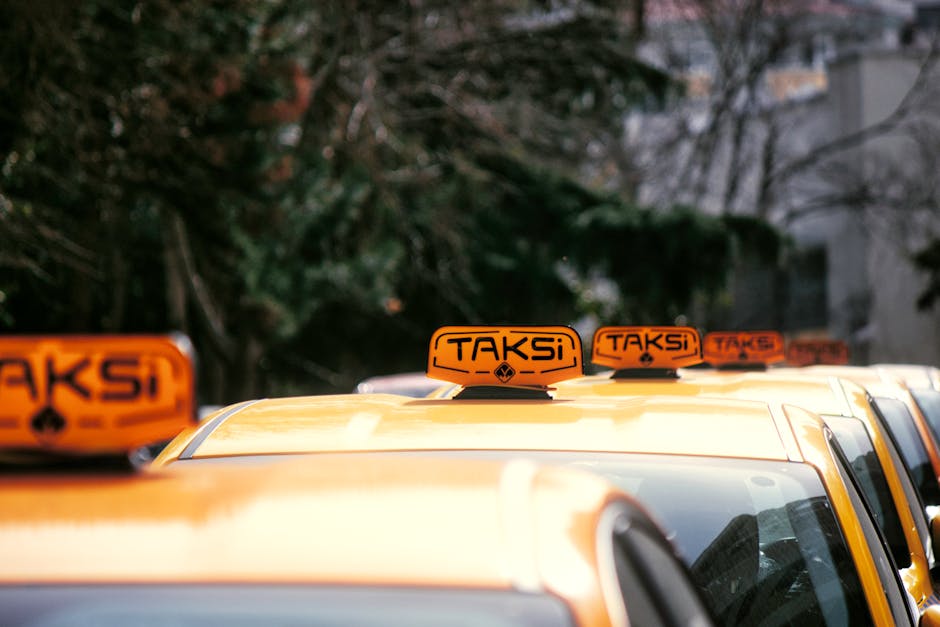
Taxis: standard city fares €7–12; at night or from the station €15–25. Use taxis only when necessary (heavy luggage, reduced mobility). Taxis can also add fees for phone reservations or luggage — check the meter.
Tourist restaurants: à la carte on Piazza del Campo, starters €8–12, mains €16–28, desserts €6–9, wine €5–7 per glass — a bill can quickly reach €45–70 per person. My advice: watch where locals eat and follow them; you’ll avoid tourist markups. Also be mindful of extras (service, cover, bread) — some places charge a « coperto » €1–3 per person.
10. Budget roadmap and total summary table
To wrap up the audit, here’s a numbered financial summary for a typical 3-night / 4-day stay for one traveler. I list each category with planned budget, actual observed and a short note:
| Category | Planned budget (3 nights) | Actual observed | Comment |
|---|---|---|---|
| Round-trip transport (Florence) | €20.00 | €17.60 | Regional train round-trip €8.80 x2 = €17.60 |
| Accommodation (3 nights) | €180.00 | €135.00 | €45/night B&B, booked 3 weeks ahead |
| Meals (3 days lunch/dinner + snacks) | €90.00 | €75.50 | €15–20/day favoring inexpensive lunches |
| Activities / Museums | €40.00 | €35.00 | Duomo combined €15, Torre €10, Santa Maria €8 |
| Local transport (bus/taxis) | €15.00 | €10.00 | Partial bus ticket book + walking |
| Wine & drinks | €25.00 | €18.00 | glasses and one economical tasting |
| Souvenirs & groceries | €25.00 | €15.30 | panforte + olive oil + small box |
| Unexpected / misc | €20.00 | €10.00 | small extras or tourist tax |
Total calculation:
- Total planned budget (3 nights): €420.00
- Total actual observed (3 nights): €316.40
Final notes: most savings come from accommodation and meal choices (cheap lunches, shared dinners). By tweaking those items (e.g. staying in a hostel = €25/night), you can push the total cost per traveler below €250 for 3 nights.
Click here to book a Siena food and wine walking tour
Final practical tips and checklist for your personal audit
- Print or keep a spreadsheet on your phone with categories (transport, accommodation, meals, visits, extras).
- Book accommodation 2–3 weeks in advance outside Palio; 6–12 months ahead if you visit during Palio.
- Buy museum tickets online the day before to avoid surcharges and queues.
- Favor the regional train from Florence (€8.80) over car rental for short stays.
- Have your main meals at lunchtime (menu del giorno €10–15) and use the market for snacks.
Conclusion — Travel in control: smart Siena on a budget
Visiting Siena without blowing your budget is completely doable: it just takes a little organization, deliberate choices about where to spend, and an euro-by-euro audit during your stay. Following the 10 tips above I showed that a 3-night trip can cost around €316.40 (observed) instead of a higher planned budget (€420). The biggest levers are accommodation (book outside the ZTL, during weekdays), food (smart lunches, market meals) and transport (regional train instead of car or poorly timed long-distance buses).
Concrete tips include: park on the outskirts to avoid the ZTL, buy the Duomo combined ticket if you plan multiple monument visits, choose trattorias frequented by locals rather than those on Piazza del Campo, and pick up a few regional items at the market for an economical and delicious apartment supper. Traps to avoid: attending the Palio without a large budget, frequent late-night taxis, and impulse buys on the busiest tourist streets.
Finally, treat your trip as a living audit: note every expense (even the €1.20 coffee), compare it to your planned budget, and adjust your behavior (more walking, buying at the market, visiting a free contrada) to stay within limits. Siena rewards curious, budget-conscious travelers: by spending less you can invest in a truly memorable experience (a guided wine tasting, a small private contrada visit, or a Tuscan cooking class) that will leave you with memories worth far more than any impulse purchase.
Safe travels — and may every euro you spend in Siena bring you closer to the Tuscan soul without emptying your wallet.