





Introduction — Getting happily lost around the Piazza del Campo
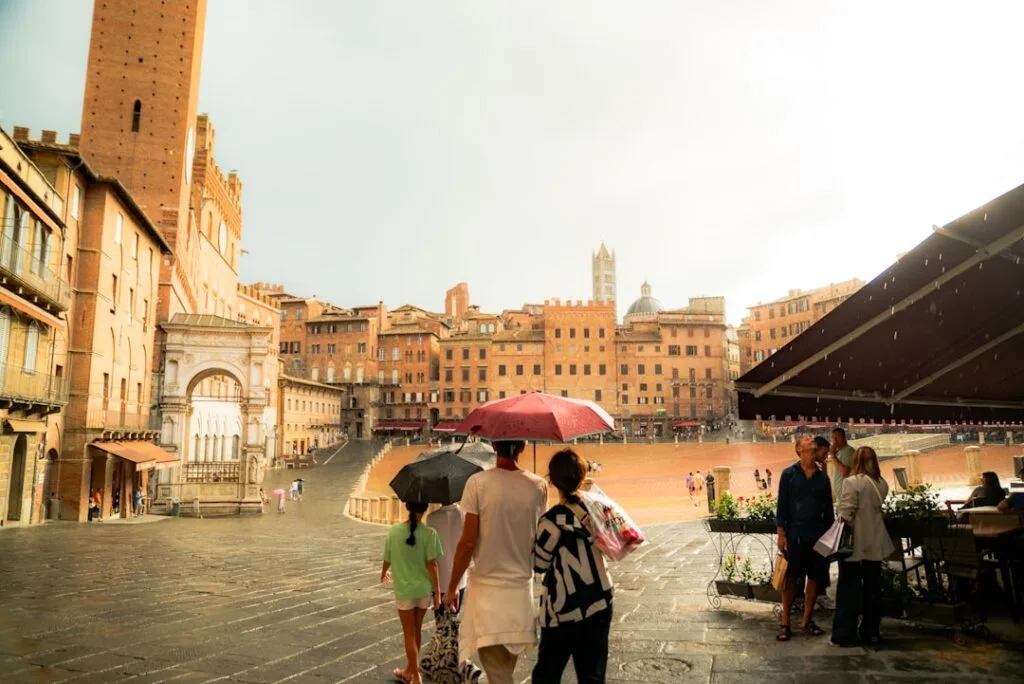
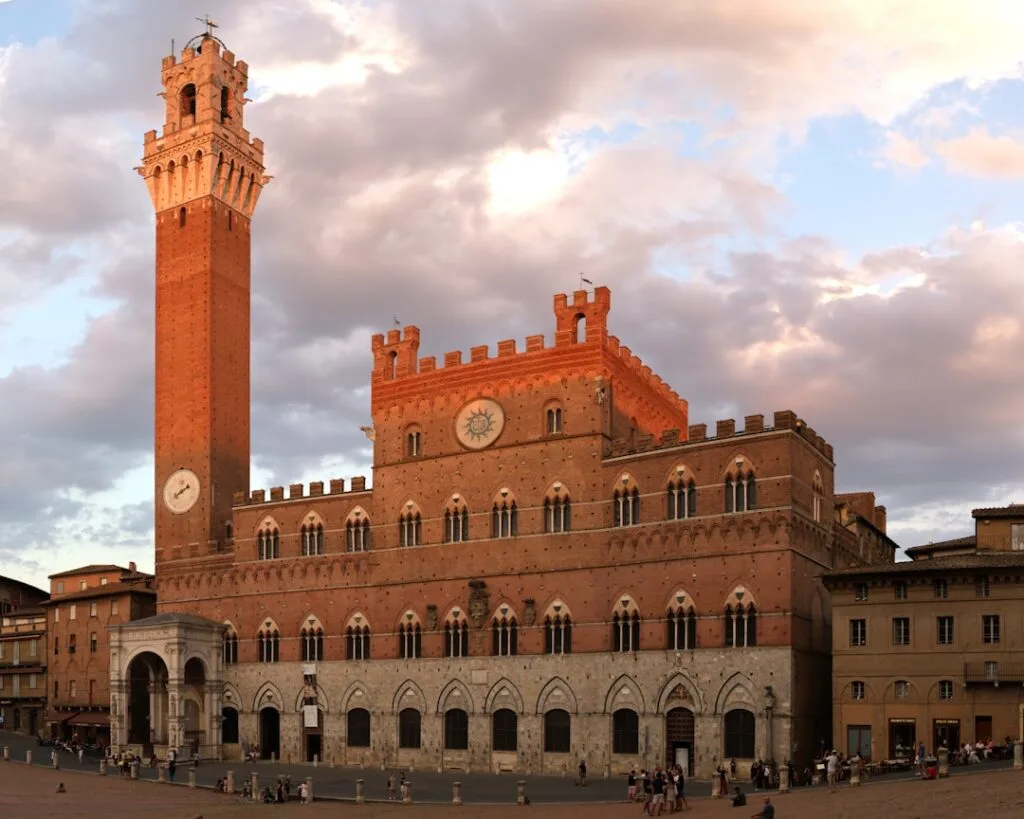
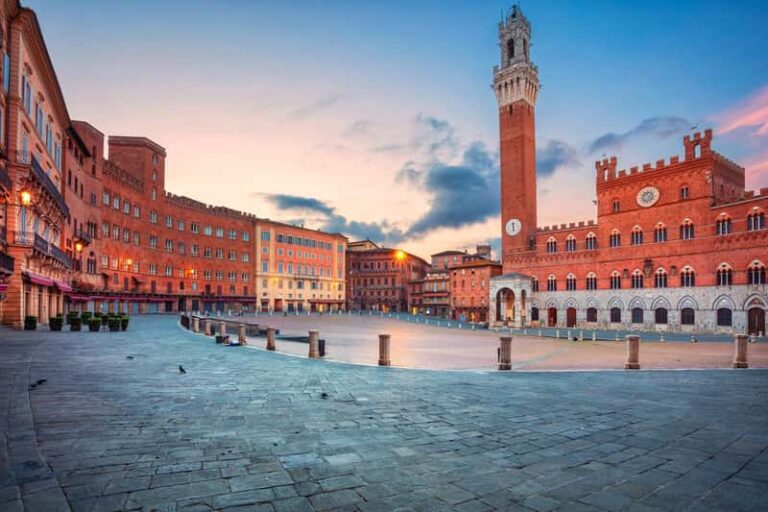
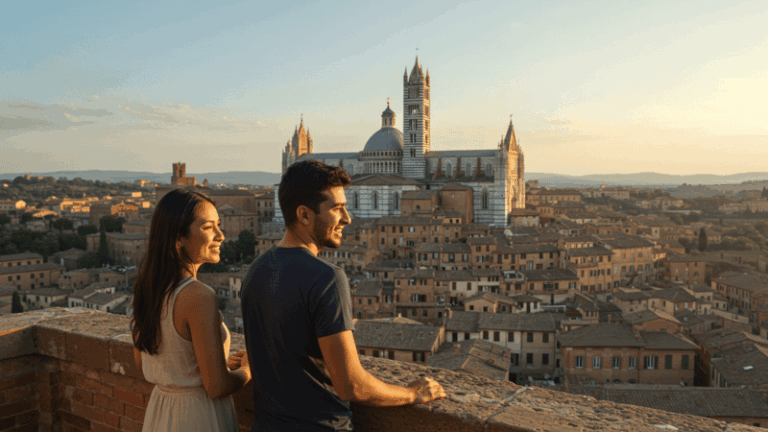
The Piazza del Campo, Siena’s beating heart, draws millions each year with its shell-shape, paved surface and the proud silhouette of the Palazzo Pubblico and Torre del Mangia. Yet just steps from this grand square hide secret alleys, narrow passages and tiny forgotten piazzas — silent witnesses to a medieval city best discovered on foot and without hurry. In this guide I offer an immersive, practical and detailed route to explore the side streets around the Piazza del Campo: addresses, opening hours, site prices nearby, sensory descriptions and local tips to fully enjoy these discreet treasures.
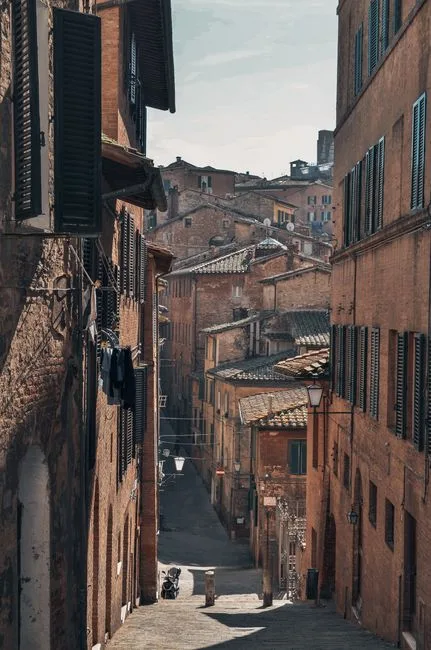
Siena is not just an open-air museum; it’s a living city where Gothic architecture meets café signs, terracotta facades tell centuries of stories and each vicolo (alley) has its own character. The lanes near the Piazza del Campo reveal artisan workshops, small churches, forgotten fountains and unexpected views over the city’s red roofs. Here you walk slowly, look up, pause at a carved door, listen to a cat’s paws on the cobbles and the distant echo of contrada fanfares.
This guide is made for all travelers: first-timers who want to stray off the beaten path, regulars seeking new discoveries and photographers hunting intimate angles. You’ll find exact addresses — streets and postal codes — practical info like opening times and fees (when applicable), plus food and logistics recommendations. Descriptions are sensory: wall textures, patterns of light and shadow, coffee scents, bell acoustics, so you can picture or recognize each spot before you arrive.
Before you set out, a few general tips: favor walking — the alleys are often too narrow for vehicles; wear comfortable shoes; bring a water bottle (public fountains like Fontebranda sometimes provide drinkable water); respect the quiet of residential areas by avoiding loud talking or blocking passages; and go early morning or late afternoon to avoid crowds on the square and to enjoy soft light for photography. This guide will take you through 5 themed sections, each devoted to a group of lanes and micro-locations around the Piazza del Campo, for a full and memorable discovery.
1) The historic arteries: Via di Città and adjacent streets
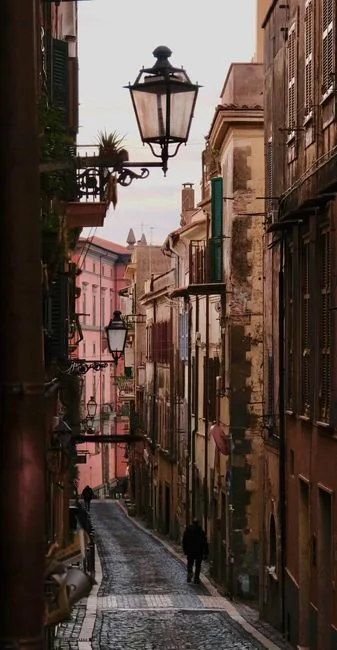
Heading north from the Piazza del Campo, Via di Città (Via di Città, 53100 Siena SI, Italy) is one of the most evocative medieval avenues. Long and at times lively, it nevertheless hides more intimate passages as soon as you turn into one of its perpendicular vicoli. Stroll along Via di Città: notice the stone lintels, old signs and wrought ironwork. The facades recall the city’s commercial past, with historic shops now converted into craft studios and small galleries.
Notable nearby address: Palazzo Pubblico, Piazza del Campo, 1, 53100 Siena SI, Italy — home of the Museo Civico. The Museo Civico (Palazzo Pubblico) offers an interior visit that complements exploring the outer lanes. Hours: generally 10:00–19:00 (seasonal variations). Indicative price: around €8–€12 for standard entry; reduced rates for students and seniors. Climbing the Torre del Mangia (via Museo Civico): combined tickets often available, approximate cost €10–€15 depending on offering and season. These prices are for guidance and may change; check official sites before your visit.
Local tip: between Via di Città and Via Banchi di Sopra, turn into the small street Via dei Montanini (Via dei Montanini, 53100 Siena SI) where several ceramics studios and traditional wax shops offer demonstrations. These workshops sometimes run one-hour classes to learn local techniques — workshop price approx. €25–€50 per person, booking recommended. The contrast between traffic on Via di Città and the quiet of a vicolo is striking: take time to sit in an inner courtyard to study the perspectives and light play.
 Click here to discover Siena with a guided tour and cathedral
2) The discreet passages: Vicoli, corti and forgotten small piazzas
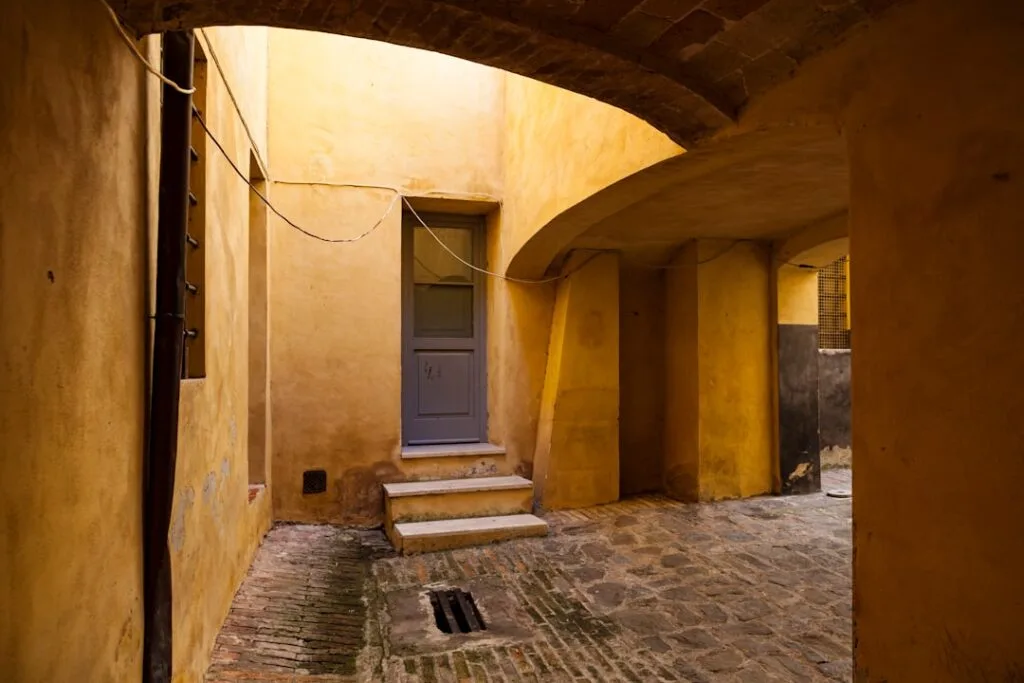
Just meters from the Piazza del Campo, many vicoli (alleys) lead to corti (courtyards) and tiny piazzas less known to tourist guides. Among them, Vicolo di Sant’Agata (Vicolo di Sant’Agata, 53100 Siena SI) and Vicolo del Fagiano (Vicolo del Fagiano, 53100 Siena SI) capture Siena’s secret charm: tuff walls, patinated wooden doors, flower pots hung from windows and cats basking in the sun. These passages offer exceptional photo angles and a perfect setting for leisurely wandering.
A often-overlooked point of interest is the small square behind the church of San Pietro alla Magione (Piazza San Pietro alle Scale, 53100 Siena SI — the church itself is about a 10–15 minute walk from the Campo). Even if some small chapels aren’t always open to the public, their exterior architecture and carved portals are worth the detour. Local church opening hours vary: many open mornings 9:00–12:00 and afternoons 15:00–18:00; some remain closed outside services. Entry generally free, donations suggested.
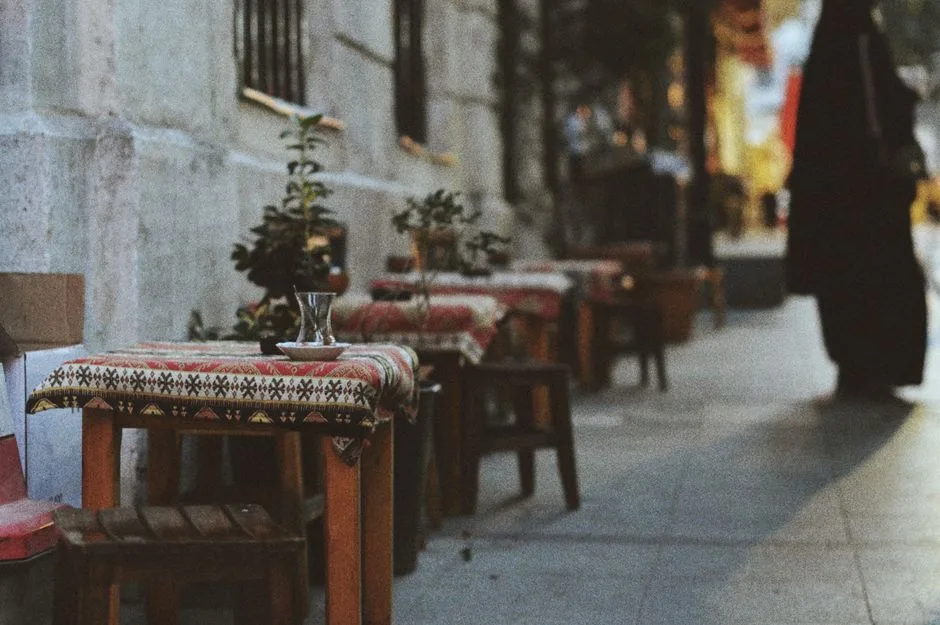
Practical tips: to find these passages, set your watch aside and follow your instincts — alleys often lead to unexpected views. Walls can be damp in the morning; avoid high heels and choose non-slip soles. Respect private signage (some courtyards are private homes) and politely ask before taking close-up photos of façades if residents are present. At the end of the day, some small cafés put tables out on these squares: a perfect chance to enjoy an espresso (about €1.20–€1.80) or a glass of local wine (glass ≈ €4–€6).
Click here to book a private walking tour of the treasures
3) Fountains, stairways and unexpected viewpoints
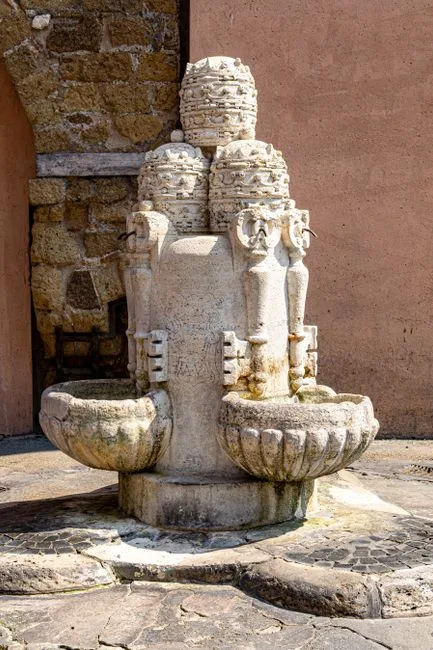
The alleys around the Piazza del Campo hide several urban features worth seeking out: ancient fountains, hidden staircases and loggias with views over Siena’s roofs. The Fontebranda, one of the town’s most famous medieval fountains, sits a little lower but is within walking distance from the Piazza del Campo (Fontebranda, Via di Fontebranda 8, 53100 Siena SI). Address and description: the fountain is a monumental stone work made of arches and basins; freely accessible and visible at all times. It symbolizes the importance of water to medieval urban life.
At the alley level, look for discreet stairs that climb to terraces or descend to hidden gardens. For example, steps between Via Banchi di Sopra and Via di Città lead to views over the Sienese countryside when the sky is clear. These stairs are often not on tourist maps but are known to locals. The viewpoints offer a rare perspective on red-tiled roofs, sculpted chimneys and the distant silhouette of Tuscan hills.
Photo tip: the best time to capture these views is golden hour — early morning (around 6:00–8:00 depending on the season) and late afternoon (around 18:00–20:00). Reflections on the walls, low-angle light and fewer crowds create intimate images. If you want a café with a view for lunch, look for small terraces around Via Salicotto (Via Salicotto, 53100 Siena SI) where you can sip a cappuccino while watching neighborhood life. Coffee prices: cappuccino ≈ €1.50–€2.50, full breakfast ≈ €6–€10.
Which of these walks around the Campo suits you?
Each option stands out by its pace and outlook on Siena: one favors simplicity and local immersion, another mixes treats and anecdotes, a third offers the flexibility of a private route, and the last opens the door to artisanal know-how. Choose based on your mood — casual strolling, sweet pause, tailored exploration or an inside look at a workshop. Formats, durations and vibes vary, but they all share the same playground: the secret alleys around the Piazza del Campo.
1. Easy local stroll
A budget-friendly, gentle walk to soak up the medieval atmosphere: quiet streets, historical markers and relaxed photo stops. Ideal for those who want to feel the town rather than tick a box.
- ⏱️ Duration: 2 hours
- 🚶 Format: Small-group walking tour
- 🗣️ Languages: Italian, English, Hungarian
- 💡 Highlight: Authentic vibe and unhurried pace
2. Gourmet and secret stroll
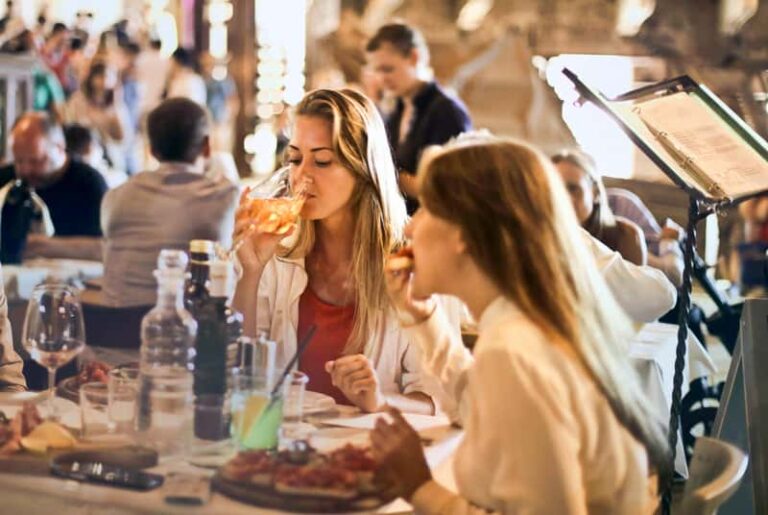
A tasty route mixing local tastings and neighborhood anecdotes: ricciarelli, gelato and a glass of wine while leaving the tourist trails behind.
- ⏱️ Duration: 2.5 hours
- 🍽️ Food: Tastings included (pastries, wine, gelato)
- 🚩 Start: Palazzo Salimbeni / Spannocchi
- ⭐ Highlight: Local secrets and typical flavors
3. Private tailor-made tour
A dedicated guide who adapts the route: hidden chapels, workshops or trattorie according to your wishes — perfect flexibility for an intimate experience.
- ⏱️ Duration: 2–6 hours (your choice)
- 👥 Format: Private, custom
- 👌 Ideal for: Travelers wanting to personalize the visit
- 🗣️ Languages: English, Italian
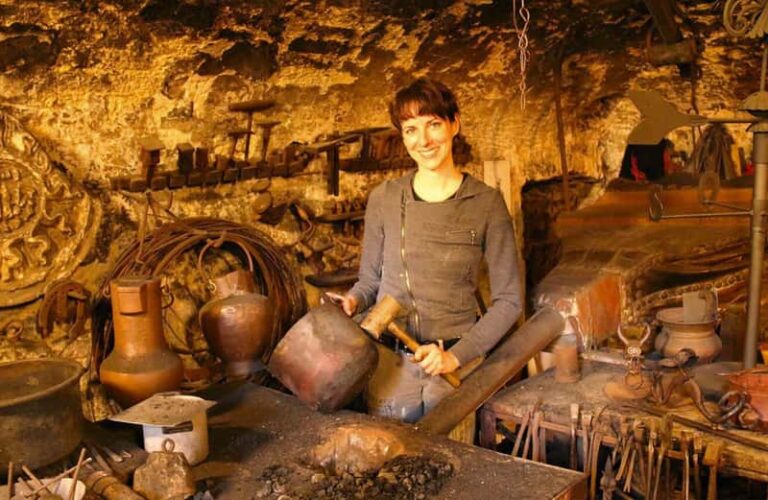
4. Metal workshop and heritage
A one-hour immersion in a traditional workshop: historical techniques, old tools and pieces linked to the Palio. A hands-on, tangible look at Sienese craftsmanship.
- ⏱️ Duration: 1 hour
- 🎧 Format : Guided workshop visit
- 💡 Highlight : Demonstrations and Palio artifacts
- 🗣️ Languages : English, Italian
4) Artisan workshops, antique shops and small museums
Around Piazza del Campo, a number of artisans keep ancestral crafts alive: bookbinding, frescoes, ceramics, leatherwork and gilding. Many work along streets like Via Banchi di Sopra (Via Banchi di Sopra, 53100 Siena SI) and Via dei Montanini. These workshops are often open to the public or visitable by appointment. A workshop visit lets you watch traditional items being made, buy authentic souvenirs and sometimes take part in short hands-on sessions.
Useful address: Museo dell’Opera Metropolitana (Piazza del Duomo, 10, 53100 Siena SI) — about a twenty-minute walk from the Campo, it houses sculptures and works related to the cathedral. Opening hours: roughly 10:00–18:00 (seasonal times). Entry fee: around €8–€12. Closer to the Campo, look for small art galleries and antique shops on Via di Città and Via Banchi di Sopra; their windows often hold historic objects, Belle Époque posters and hand-painted ceramics.
Shopping tips: haggle politely in antique stores (5–10% discounts are sometimes possible off-season); ask for protective packaging for fragile items. If you want to bring back local food (biscotti, artisanal pasta, olive oil), visit small delicatessens (around €8–€20 for a quality artisanal product). For workshops, most require prior booking — budget €20–€60 per person depending on duration and specialty.
Click here to join a traditional Tuscan cooking class
5) Small restaurants, cafés and tasty stops in the alleys
The hidden lanes around Piazza del Campo hide tasty spots that blend Tuscan tradition with a friendly vibe. Look for family-run osterie and small trattorie on side streets like Via Salicotto (Via Salicotto, 53100 Siena SI) and Via Banchi di Sotto (Via Banchi di Sotto, 53100 Siena SI). These places serve daily menus often based on local produce: pappardelle al cinghiale (wild boar pasta), ribollita (Tuscan soup), crostini Toscani and regional wines (Chianti, Brunello).
Budget example: a simple lunch (antipasto + main + water) usually costs between €12–€25. A more elaborate dinner at an established trattoria can reach €30–€50 per person, wine included. For a quick coffee, expect to pay €1.20–€2.50 for an espresso/cappuccino; an artisanal gelato ≈ €2–€4 per scoop.
Local eating tips for the alleys: prefer places that highlight local products and handwritten menus (often a sign of homemade dishes). Book for dinner, especially in high season or during Palio weekends (special event—check dates). If you want to taste local wines by the flight, some wine bars offer charcuterie and cheese boards for €8–€15. Always ask about ingredient origins to appreciate seasonality — Tuscan dishes often celebrate market-fresh produce.
Click here to taste wines and charcuterie in the city center
Conclusion — Slow down to better discover Siena
The hidden lanes around Piazza del Campo invite you to slow down: drop your pace, notice details, talk to artisans and let yourself be surprised. Using this guide, you’ll wander not just streets and addresses (Via di Città, Vicolo di Sant’Agata, Via Banchi di Sopra, Via Salicotto, Via dei Montanini), but adopt an attitude typical of Siena: respectful, contemplative, curious. Every door, every flowered balcony, every fountain has a story, and the best way to discover it is to give it time.
To summarize practical points: Piazza del Campo (Piazza del Campo, 53100 Siena SI) is the ideal starting point; Museo Civico (Piazza del Campo, 1) and Torre del Mangia offer historical context and panoramic views (indicative hours and prices: 10:00–19:00, tickets €8–€15 depending on the option); Fontebranda (Via di Fontebranda 8, 53100 Siena SI) is free to access and makes a refreshing stop; finally, budget for coffees (≈ €1–€2), meals (≈ €12–€50) and artisan workshops if you want a hands-on experience (€25–€60).
A few final recommendations: set off early to enjoy the morning atmosphere, respect residents and private spaces, bring an offline map or navigation app (signal can be patchy in some alleys), and don’t hesitate to ask shopkeepers questions — Sienese people are often proud of their heritage and happy to share a tip or story. Exploring these secret lanes reveals a less theatrical but infinitely more intimate Siena, where history is read in stone and daily life resumes beneath Gothic arches.
Keep this guide handy to plan your walks and, above all, let the city lead you. The best discoveries often come from an unexpected detour: a half-open door onto a courtyard, a sign inviting you in, an artisan at work. These moments, more than map points, are the most precious souvenirs of Siena.