





Introduction
Siena, tucked into the heart of Tuscany, is a city where medieval history blends effortlessly with a lifestyle deeply rooted in food and wine. This « Siena Wine & Trattorie (2 days) » itinerary is designed for travelers who want to pair thoughtful tastings, authentic meals and strolls through alleys where every stone has a story. You’ll discover not only the famous Chianti and Nobile di Montepulciano wines, but also family-run trattorie serving straightforward, generous dishes perfectly paired with local bottles. The experience is immersive: it starts in the city center on the Piazza del Campo, moves into historic cellars, and ends at a table where service is warm, recipes are made from regional ingredients, and the crusty bread seems endless.
In two days you’ll have time to meet passionate producers, explore wineries like Castello di Brolio and Castello di Fonterutoli, and dine at charming spots a short walk from the main sights. The pace is relaxed: quiet morning visits, lunch in a classic trattoria, a sunny digestivo nap, then a cellar tour followed by a guided tasting. At night, the Piazza del Campo lit up and the mellow vibe of the small streets create the perfect setting to extend the tasting over a plate of pici with garlic and oil or a slowly braised wild boar stew.
 Click here to book a food and wine tour in Siena
Day 1: Historical Immersion and First Tastings (morning & afternoon)
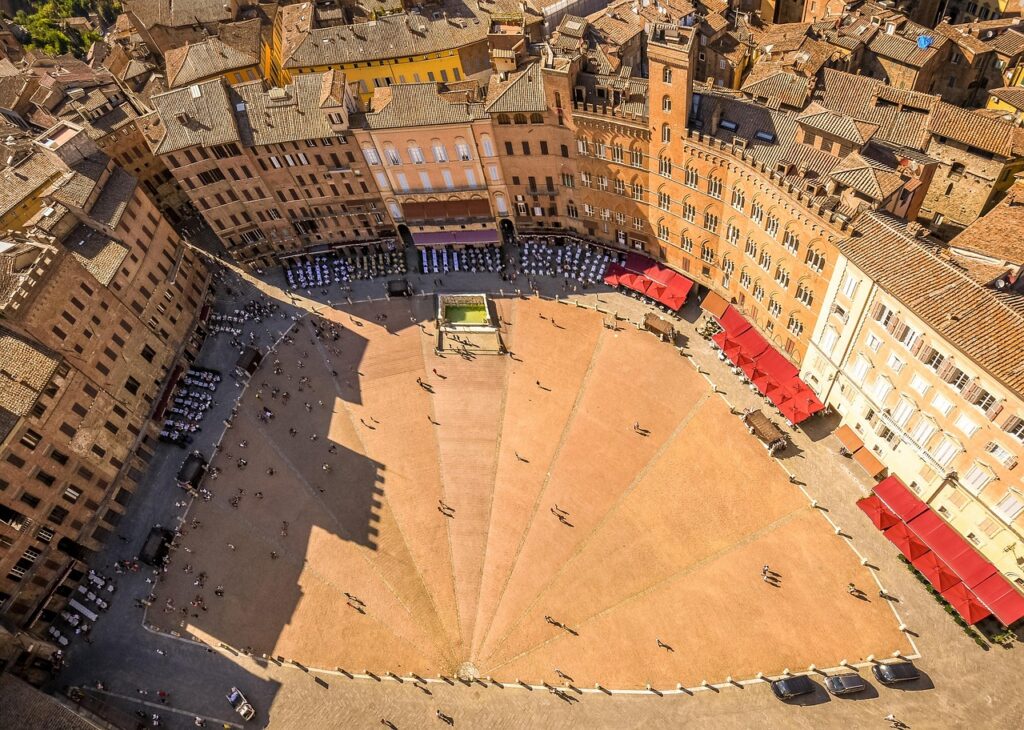
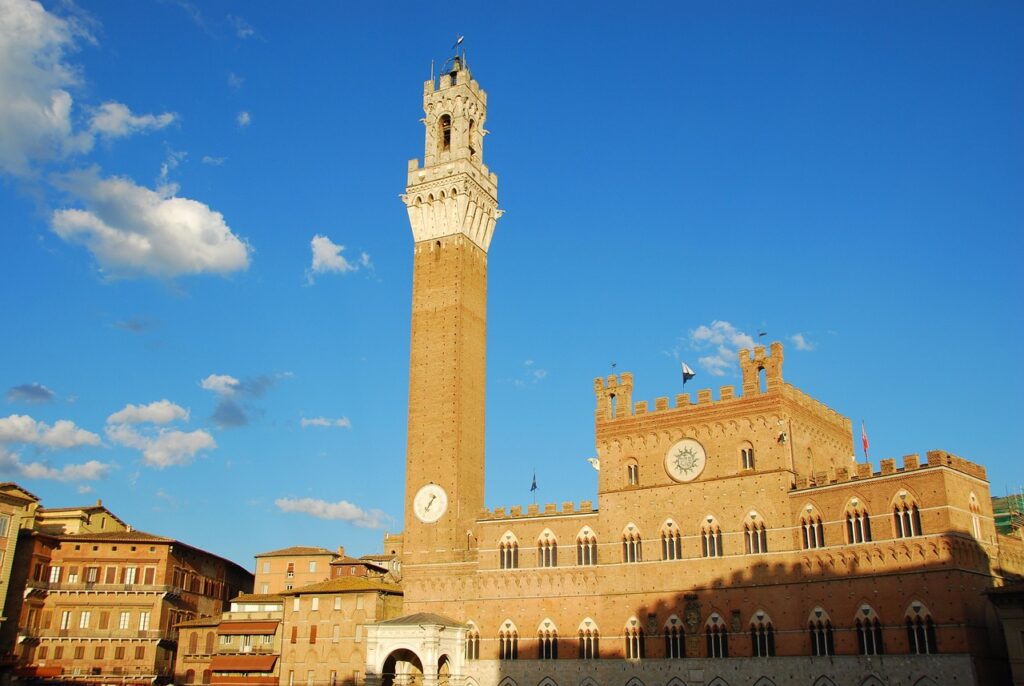
Start your first day in the heart of Siena at the famous Piazza del Campo (Piazza del Campo, 53100 Siena SI, Italy). This shell-shaped square, ringed by medieval palaces like the Palazzo Pubblico, is the best place to soak up the city’s spirit. On the corner stands the Torre del Mangia, attached to the Museo Civico di Siena (Palazzo Pubblico, Piazza del Campo, 1, 53100 Siena SI). The Museo Civico is usually open from 10:00 to 20:00 in high season and 10:00–18:00 in low season; a combined ticket for the Museum + Torre del Mangia costs around €15 per person. The climb up the Torre provides an exceptional panoramic view over terracotta roofs and the surrounding hills.
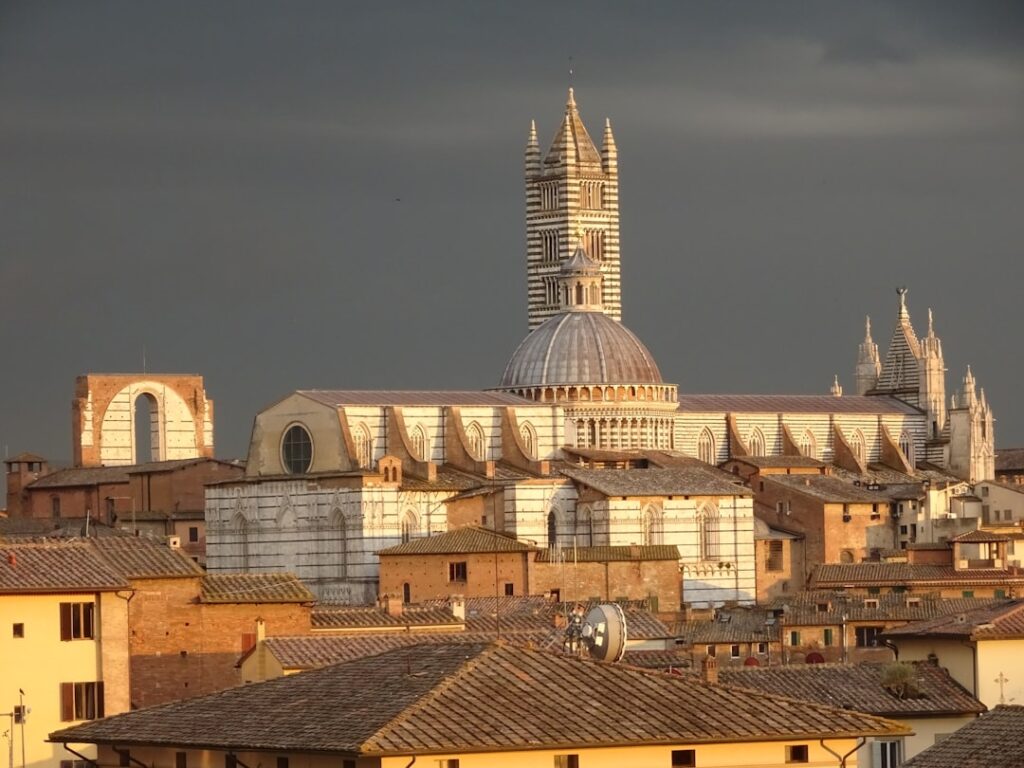
After your cultural visit, head to the Cattedrale di Santa Maria Assunta, the Siena Cathedral (Piazza del Duomo, 8, 53100 Siena SI, Italy). The Cathedral complex—from the Baptistery to the Museo dell’Opera—is an open-air museum: polychrome marble, mosaics, the famous sculpted façade and the unique floor inlaid with marble. Typical opening hours: 10:30–19:00 (may vary for religious services). Indicative price to access the complex (Duomo, Baptistery, Museo dell’Opera, Piccolomini Library): €15 – €18.
Click here to book your Siena Cathedral and Piccolomini Library ticket
For lunch, stop at a nearby trattoria such as Osteria Le Logge (Via del Porrione, 33, 53100 Siena SI). Hours: 12:30–14:30 and 19:00–22:30. Typical lunch price: main courses range from €12 to €20, tasting menus around €35 per person. The cooking is refined but rooted in tradition: pici cacio e pepe, crostini toscani, hare stew in season. Book ahead for dinner—seating can be limited.
In the mid-afternoon, make your first foray into the world of wine: the Enoteca Italiana (Piazza Matteotti, 1, 53100 Siena SI) is an ideal stop for an urban tasting. Hours: 10:00–19:00. You can opt for a free-form or guided tasting; prices range from €10 to €35 depending on the number of wines and label rarity. Staff will advise on food pairings and you can buy bottles to take away. It’s a great way to get familiar with local appellations before visiting vineyards.
Click here to book a wine tasting walk in Siena
Day 1: Winery Visit in the Late Afternoon
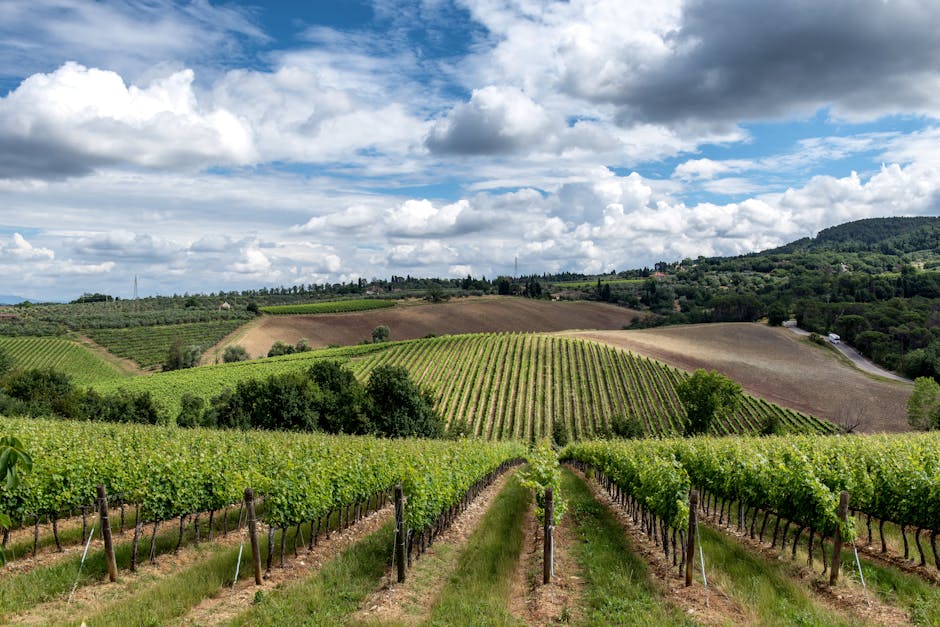
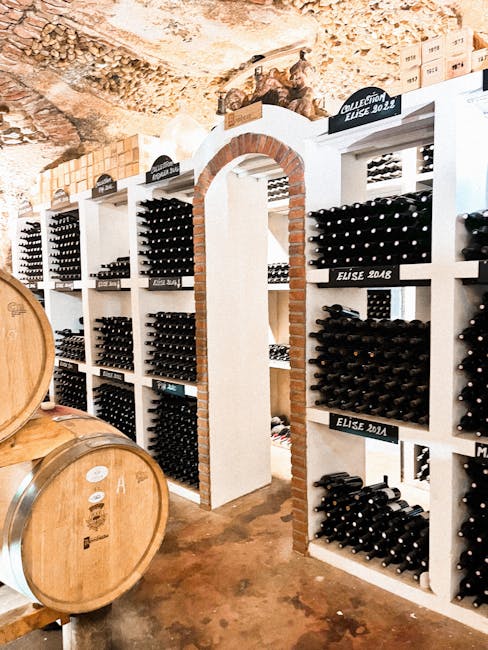
Continue your day with a visit to a winery near Siena, for example Castello di Fonterutoli (Via Casalino, 53013 Fonterutoli, Castellina in Chianti SI). This historic estate produces Chianti Classico and offers cellar tours followed by tastings. Visiting hours are generally 10:00–17:30, but a late-afternoon tour often feels more intimate. Price: guided tour + 3 wines around €25–€40 per person. Tours often include a walk through the vineyards and a detailed explanation of the vinification and barrel aging process.
Click here to book a Chianti tour with tastings
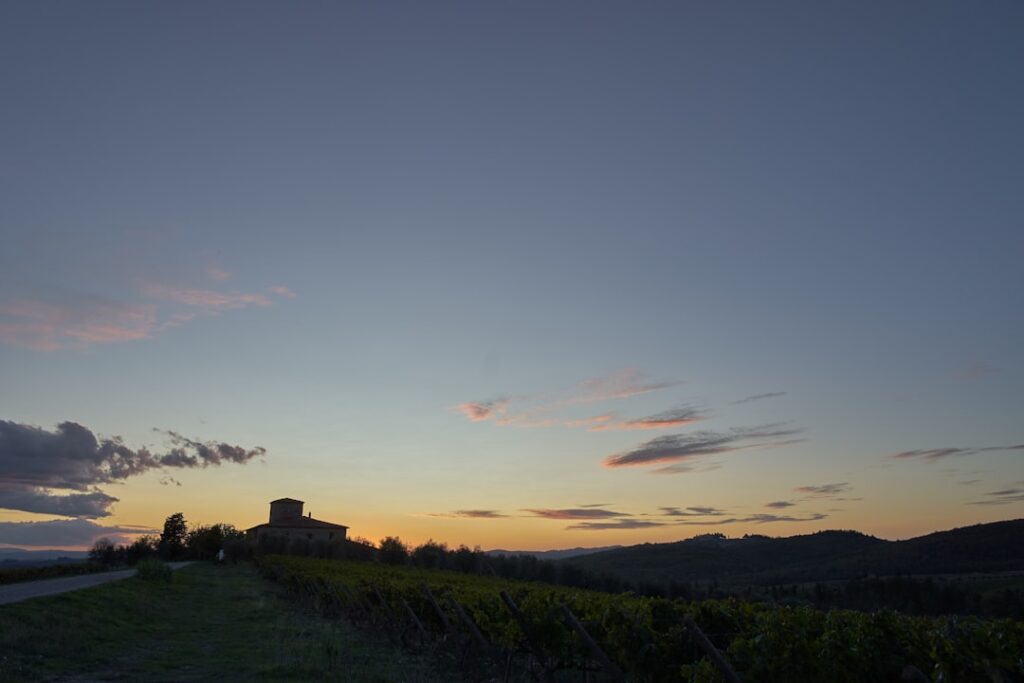
The charm of Tuscan estates lies in their rustic stone architecture, olive trees and the golden light that bathes the hills at sunset. Tastings are often served with plates of local products: Tuscan pecorino, salumi, crostini, homemade bread and artisanal jams. Practical tip: arrange transport—taxi, rental car or guided tour—since some estates are 20–40 minutes from Siena. If you’re driving, designate a sober driver or choose a tour that includes transportation.
Day 2: Wine Route and a Meal at a Family Trattoria
The second day is all about getting deeper into the countryside. Head out early southeast to visit Castello di Brolio (Località Brolio, 53013 Gaiole in Chianti SI), one of the region’s most historic estates. Hours: 9:30–17:30 (last entry may vary). Prices: guided tour and tasting from €20, more comprehensive tours €40 and up. The castle offers not only wine but also a historical route through its gardens and walls, with breathtaking views over the surrounding hills.
For lunch, aim for a local trattoria known for traditional cooking. A great option nearby is to stop at a small family osteria where dishes are made from local produce: pici alla senese, farro soup, veal chop, and desserts like Sienese panforte. Average price for a full meal in an authentic trattoria: €18–€35 per person, with wine by the carafe or bottle depending on your budget.
Click here to book a Chianti vineyards tour with lunch
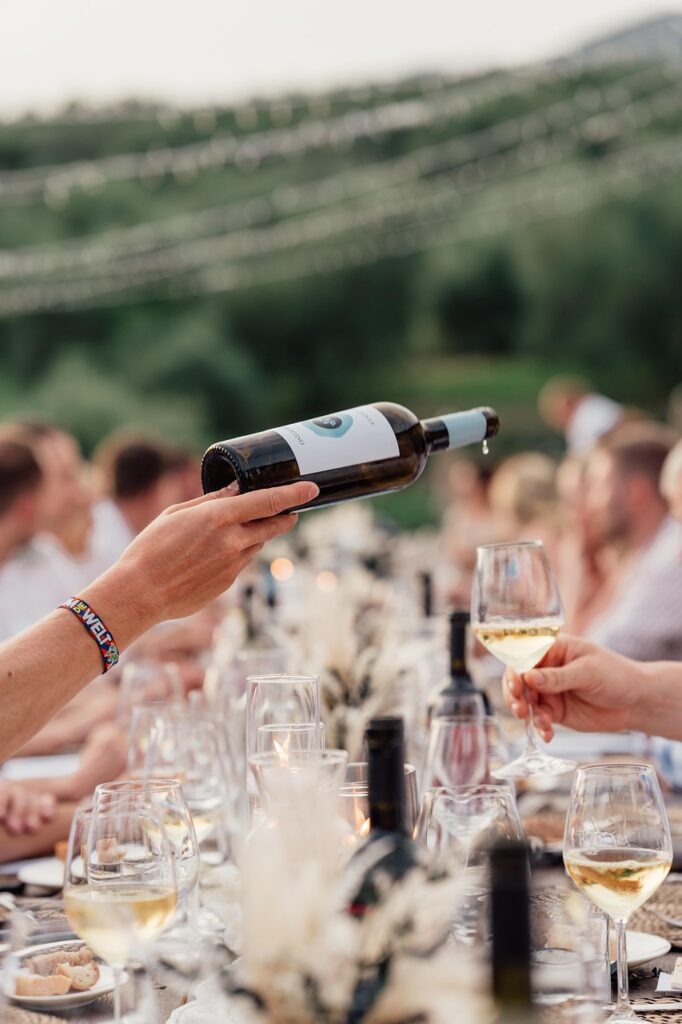
The afternoon can be devoted to a more specialized visit—perhaps to an organic or biodynamic producer to learn about alternative farming practices. Many estates offer themed tasting workshops (barrel aging, élevage, vintages): expect €30 to €60 for an in-depth session. Practical tip: if time is limited, prioritize estates that combine a vineyard walk with a guided tasting—you’ll get the most insight and the most enjoyment.
Practical Tips, Useful Addresses and Savvy Advice
Before you go, here are a few essential practical details to help you make the most of this itinerary:
- Transport: Much of Siena’s historic center is pedestrian-only. If you plan to visit wineries, rent a car (choose a small vehicle) or book an organized tour with transport. Taxis exist but can be limited in the evenings.
- Bookings: For popular trattorie like Osteria Le Logge (Via del Porrione, 33, 53100 Siena SI) or for sought-after winery visits (Castello di Brolio, Castello di Fonterutoli), book at least 48 hours in advance during high season. Phone numbers and emails are usually on official websites.
- Currency & payments: Most places accept credit cards, but some small trattorie or cellars prefer cash. Carry small bills for taxis and tips.
- Standard opening times: Major museums and attractions generally open between 9:30–10:30 and close between 17:00–19:00. Trattorie serve lunch around 12:30 and dinner from about 19:00–21:00.
- Dress: For cellar visits and tastings, dress casual but neat. Comfortable shoes are essential for cobbled streets and countryside estates.
- Shopping: Enoteche like Enoteca Italiana (Piazza Matteotti, 1, 53100 Siena SI) can sell and ship bottles. Estates often sell vintages you won’t find elsewhere.
One more tip: if you want to bring wine home in your checked luggage, check your airline’s transport rules and limits. Some visitors prefer to crate their bottles and have them shipped directly from the enoteca or the estate to avoid airport hassles.
Click here to book a day trip to Siena, San Gimignano and Chianti
Conclusion
This « Siena Wine & Trattorie (2 days) » itinerary strikes a balanced mix of cultural heritage, culinary pleasures and wine discovery. Starting with the city’s iconic landmarks—Piazza del Campo, Torre del Mangia, Cattedrale di Santa Maria Assunta—grounds your trip in history. Following up with visits to estates like Castello di Fonterutoli and Castello di Brolio lets you get hands-on with wine: touching the grapes, smelling oak barrels, tasting wines at different stages and learning from the winemakers themselves. Trattorie and osterie add a human, culinary dimension: simple plates, local ingredients and recipes passed down through generations.
To make the most of your stay, book restaurants and visits ahead, arrange safe transport for winery excursions, and leave room in your suitcase—or better yet, in your budget—for a few bottles to bring back. And don’t forget to slow down: enjoy a coffee on a terrace, wander at dusk through the lanes, or take a quiet moment on a lit Piazza del Campo. Those little pauses are often the most memorable, giving meaning to the tastings and meals. Whether you’re a beginner or an experienced enthusiast, Siena and its surrounding area offer a perfect harmony of terroir, history and conviviality—two full days that feel short but deeply rewarding.