





Introduction
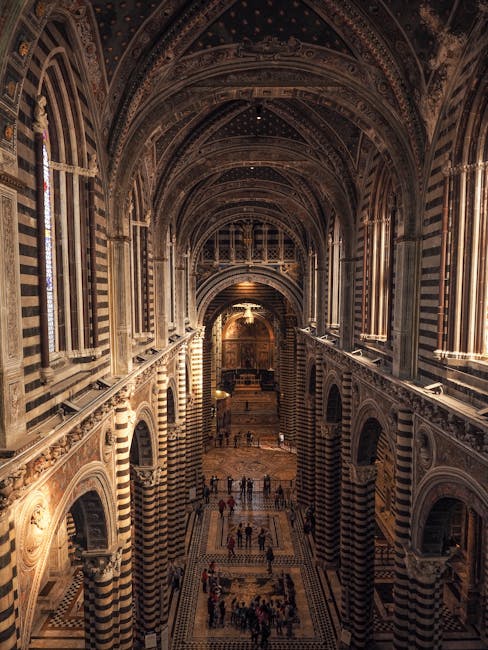
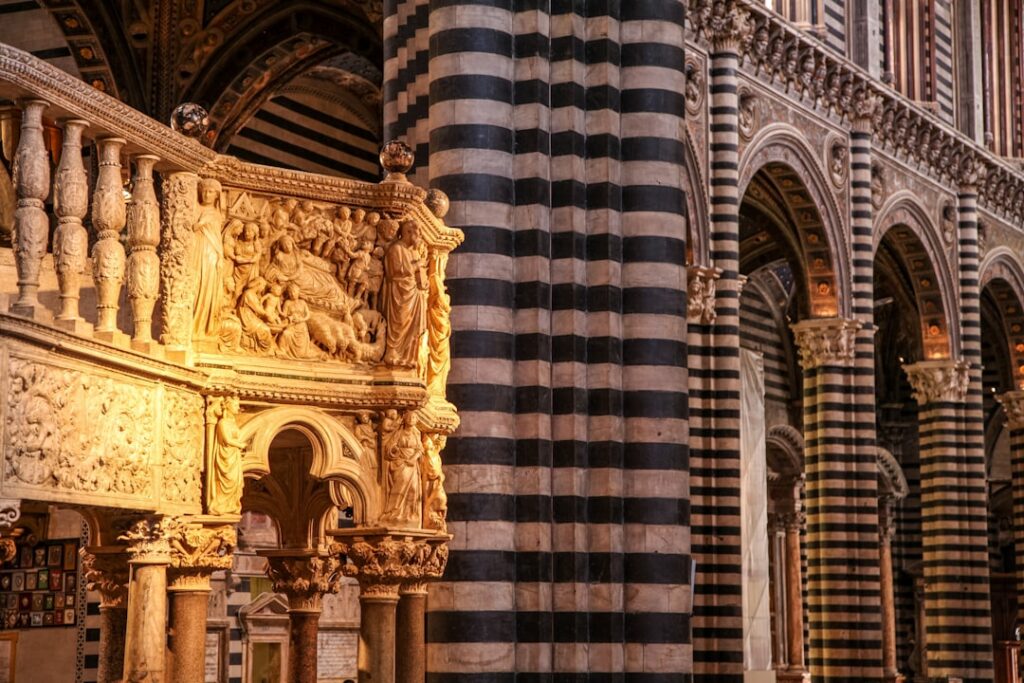
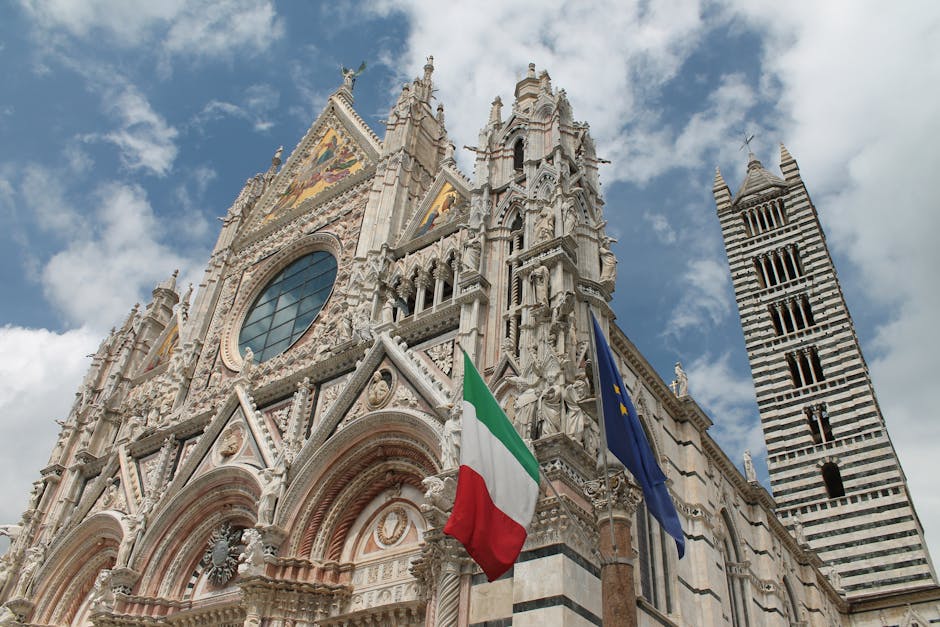
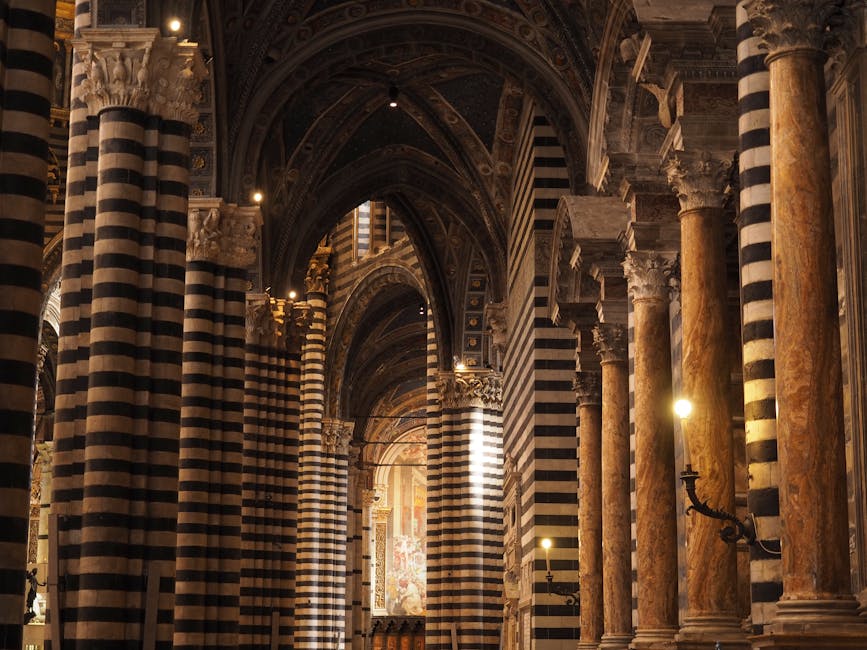
The Duomo di Siena, officially the Cattedrale di Santa Maria Assunta, is one of Italy’s richest artistic complexes. Located in the heart of Siena, it’s far more than a single church: it’s a museum-like ensemble where Romanesque and Gothic architecture meets sculpture, polychrome marble, stained glass, tapestries and, of course, frescoes. To truly appreciate the Duomo’s major frescoes you need to know where to look: the cathedral’s nave and choir, the Biblioteca Piccolomini, the Battistero di San Giovanni, the Cappella del Voto and the various side chapels. These works depict saints’ lives, papal episodes and biblical scenes, all woven into Siena’s civic and religious memory.
For visitors, plan to spend at least half a day at the Duomo and its adjoining museum to avoid missing key details. Frescoes demand patience: high vaults, lunettes and the mellowing effect of time plus dim light can hide whole scenes. The payoff is enormous: the thrill of seeing a face, a hand or a drapery painted five centuries ago suddenly come alive in good light. Beyond iconography, you sense the intimacy of the workshops — Pinturicchio, Vecchietta and many anonymous assistants — the human, collaborative hand behind each scene.
This guide aims to give you a practical, detailed roadmap to explore the Duomo di Siena’s major frescoes. You’ll find precise locations (exact addresses), indicative opening hours and prices (in euros), immersive descriptions and local tips to get the most from your visit: best times for photos, privileged viewpoints, combined tickets and dress-code advice. Whether you’re an art-history buff, a curious traveler or a photographer chasing light, this guide will help turn your visit to Siena’s Duomo into an organized, rewarding experience.
 Click here to book your ticket for the cathedral and the library
The Piccolomini Library Cycle (Pinturicchio and Workshop)
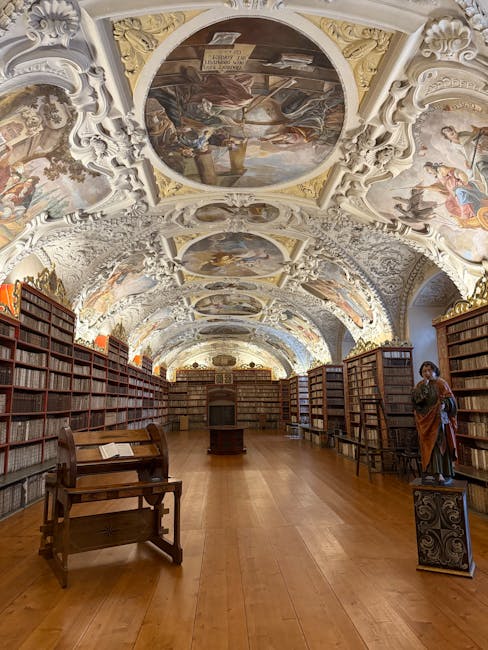
The Biblioteca Piccolomini is arguably the most richly decorated room for narrative frescoes within the Duomo complex. It’s located inside the Duomo complex: Piazza del Duomo, 8, 53100 Siena SI, Italy. Commissioned by Cardinal Francesco Piccolomini (the future Pope Pius II) in the 15th century, the library is famous for its fully painted vaults and walls by Bernardino Pinturicchio and his workshop, with probable contributions from collaborators such as Giovanni di Pietro (Sodoma) on some details.
The cycle mainly illustrates the life and achievements of Pope Pius II (Enea Silvio Piccolomini): diplomatic episodes, papal ceremonies, travel scenes and important moments linked to his career. The frescoes stand out for their light palette, refined use of gold and painted architectural ornaments that “open” the perspective. Visitors are encouraged to move slowly around the room and read the episodes in sequence, like a richly illustrated outdoor book.
Practical: the Biblioteca Piccolomini is accessible with the Duomo combined ticket. Exact address: Biblioteca Piccolomini, Piazza del Duomo, 8, 53100 Siena (entrance from inside the Duomo). Indicative hours: 10:00–19:00 (seasonal variations; last entry usually 30–60 minutes before closing). Indicative price: included in the Duomo Pass, about €15.00 per person (reduced rates for students/children; single-entry tickets for the library alone often around €6–8 depending on the season). It’s strongly recommended to check official times and reserve online to avoid queues, especially in high season.
Observation tip: use a lightweight pair of binoculars or a mid-range lens if you’re photographing; the vault’s details and figures in the upper registers become much clearer. Follow photo rules (often no flash) and take your time: the frescoes reveal iconographic details and inscriptions that only emerge on a second look.
Click here to book entry for the cathedral and the library
Practical: Address: Battistero di San Giovanni, Piazza San Giovanni, 3, 53100 Siena SI. Indicative hours: 10:00–18:00 (seasonal variations; check the official listing). Fees: usually included in the Duomo Pass (≈ €15.00), or entry separately around €4–7. Combined tickets often also cover the Museo dell’Opera del Duomo and the Biblioteca Piccolomini.
Local tips: arrive early to catch the soft light that filters into the baptistery and brings the fresco colors to life. This site is often less crowded than the cathedral itself, offering a calmer moment for observation. Respect the sacred nature of the place: dress appropriately, speak quietly and avoid flash photography.
Click here to book an exclusive morning visit to the Duomo
The Side Chapels and Fresco Fragments Inside the Cathedral
Inside the Duomo di Siena itself, side chapels and the transept arches house a wealth of frescoes, wall paintings and fragments from different periods. Many of these works were commissioned by local confraternities or noble Sienese families and offer a diverse overview of Sienese painting from the 14th to the 16th century. Notable chapels for visitors include the Cappella del Voto, the Cappella di San Giovanni and several small chapels dedicated to local saints.
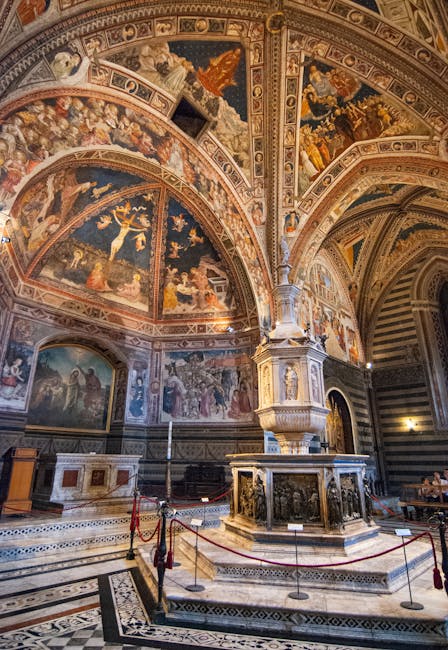
The frescoes here are not always signed; many come from collective workshops and show local reinterpretations of sacred themes (Madonna and Child, martyrdom scenes, Siena’s patron saints). Stroll slowly: the paintings on the south wall often differ stylistically from those on the north, reflecting artistic exchanges and successive commissions. Some chapels also contain painted panel altarpieces that interact with the wall frescoes and marble sculpture.
Practical: the Duomo’s official address is Piazza del Duomo, 8, 53100 Siena SI. Indicative hours: visits generally possible 10:30–19:00 (times vary with religious services; access may be restricted during Mass). Price: access to the Duomo is often part of the Duomo Pass (≈ €15.00); separate entry to the cathedral is sometimes free but access to upper areas and museums is ticketed.
Observation tips: move close to the panels, read the inscriptions (often in Latin) and look for iconographic details — martyrdom instruments, saintly attributes, family coats of arms — that explain who commissioned the work. Audio guides or a themed guided tour focused on frescoes are very helpful for reconstructing fragmented narratives.
Click here to book a walking tour with skip-the-line tickets
The Museo dell’Opera del Duomo and Fresco Conservation
The Museo dell’Opera del Duomo is the conservation and exhibition hub for works originating from the Duomo. Located right on the piazza, its address is Museo dell’Opera del Duomo, Piazza del Duomo, 14, 53100 Siena SI. Here you’ll find preparatory drawings, detached mural fragments set aside for restoration, and panels that explain the frescoes in their technical and iconographic context.
The museum explains painting techniques (intonaco, sinopia, tempera and varnishes) and presents the conservation interventions carried out to stabilize frescoes and make their narratives readable. For anyone interested in the materiality of wall painting, the Museo dell’Opera is essential: it shows how pigments, binders and brushwork contribute to narrative clarity.
Practical: Hours: ≈ 10:00–19:00 (seasonal variations). Fees: often included in the Duomo Pass (≈ €15.00), single entry around €7–10. The museum hosts temporary exhibitions and multilingual panels. Non-flash photography is generally allowed, but check on site.
Practical tip: the museum is a good place to warm up or shelter from rain while continuing your artistic visit. Informative panels and scale models of the Duomo will help you place each fresco within the building’s overall architecture.
Click here to purchase the OPA SI cathedral pass
Click here to book a walking tour with Duomo access
Practical Tips for a Fresco-Focused Visit
– Book ahead: the Duomo Pass (Biblioteca Piccolomini, Battistero, Museo dell’Opera and other paid areas) is recommended. Indicative prices: €15.00 for the combined pass; separate tickets vary (Library ≈ €6–8, Museum ≈ €7–10, Baptistery ≈ €4–7).
- Best time: early morning (opening) to avoid crowds and enjoy soft light; late afternoon for warmer contrasts.
- Visit length: allow 2 to 4 hours to see the major frescoes without rushing.
- Dress code: modest clothing required (shoulders and knees covered in religious spaces).
- Photography: generally no flash; follow rules and respect worshippers’ peace.
- Accessibility: some areas (terraces, crypt) include steps; ask the ticket desk about reduced-access options.
- Combined tickets: buy online on the official Duomo di Siena site to avoid queues and access special time slots.
Click here to book a city tour with Duomo entry

Suggested Morning Itinerary Focused on the Frescoes
1) Arrive at 09:30–09:45 on the Piazza del Duomo to buy a combined ticket.
2) 10:00–10:45: visit the Duomo — walk the nave and side chapels to spot frescoes and fragments.
3) 11:00–11:45: Biblioteca Piccolomini — read Pinturicchio’s panels in chronological order (allow 30–45 minutes).
4) 12:00–12:30: Battistero di San Giovanni — immerse yourself in the cycles devoted to Saint John.
5) 12:30–13:00: Museo dell’Opera del Duomo — concentrate on conservation and important fragments.
Click here to join a guided walking tour with Duomo entry
Click here to book a day trip to Siena and San Gimignano
This flexible schedule gives you time to observe, take notes and return to any detail that moves you. If you’ve got more time, add a themed guided tour on Sienese mural painting or a stroll through the surrounding medieval streets.
Conclusion
The Duomo di Siena is not just a monument of grand architecture: it’s a living museum of Italian wall painting, where frescoes converse with each other and with the liturgical space. From the Biblioteca Piccolomini, a narrative jewel painted by Pinturicchio and his workshop, to the Battistero di San Giovanni, the side chapels and the Museo dell’Opera del Duomo, each stop offers a different reading of the religious, civic and personal themes that shaped Siena for centuries. The frescoes — sometimes fragmentary, sometimes intact — tell as much about the patrons as about the artists and workshops, and they testify to painting practices (techniques and conservation) that continue to fascinate historians, restorers and visitors alike.
Practically speaking, book your Duomo Pass online (expect about €15.00 for the combined pass), arrive early to catch the best light and the calm needed for close observation, and show respect for the site and fellow visitors. Bring a notebook, a good pair of binoculars or a camera capable of non-flash shots, and allow yourself time: some frescoes need more than one look for their stories and color subtleties to fully emerge. Finally, make time for the ancillary spaces — the Museo dell’Opera and local bookshops — to deepen your understanding and bring back resources that extend the visit.
Siena is a compact city where art appears around every corner; multiple visits to the Duomo will let the painted work reveal itself gradually. Whether you come for art history, photography or quiet reflection, the Duomo of Siena’s fresco cycles offer an unforgettable experience full of detail, color and narrative. Enjoy the visual journey and happy discoveries!