





Introduction
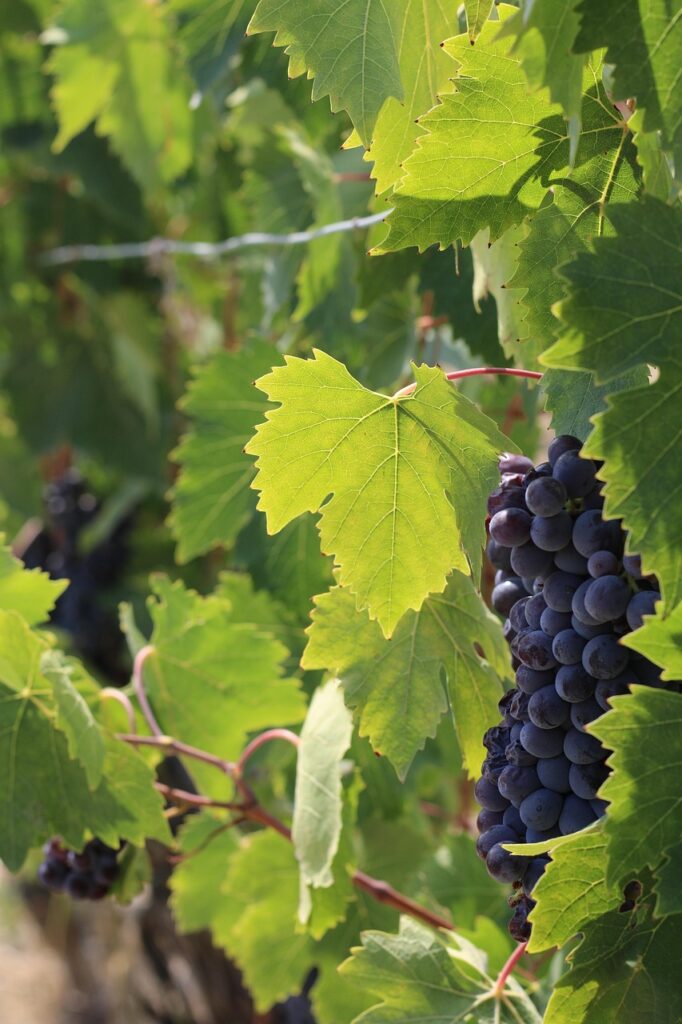
Siena, a medieval stronghold tucked into the heart of Tuscany, is the perfect launchpad for exploring the rolling hills and vineyards of Chianti Classico. Depending on where you head, the top estates are roughly 30 to 60 km northwest of Siena; here you’ll find wineries, fortified castles and former abbeys turned cellars that mix stunning scenery, history and some of Italy’s most renowned wine tastings. This guide presents the “Top 5 Chianti Wineries within Easy Reach of Siena,” chosen for their charm, accessibility from Siena’s historic center and the richness of the visitor experience — whether you’re a wine lover, photographer, hiker or simply after a sensory escape.
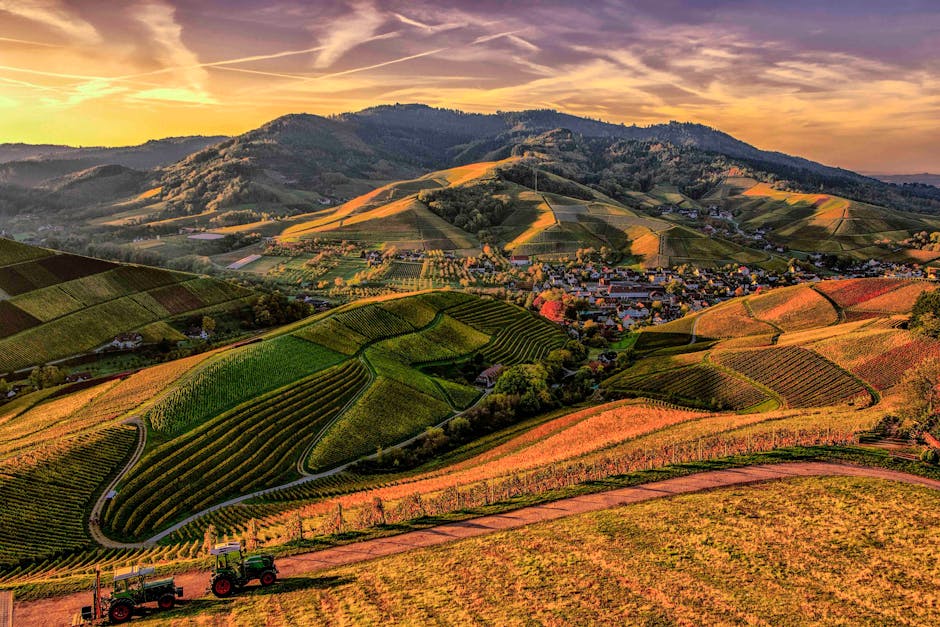
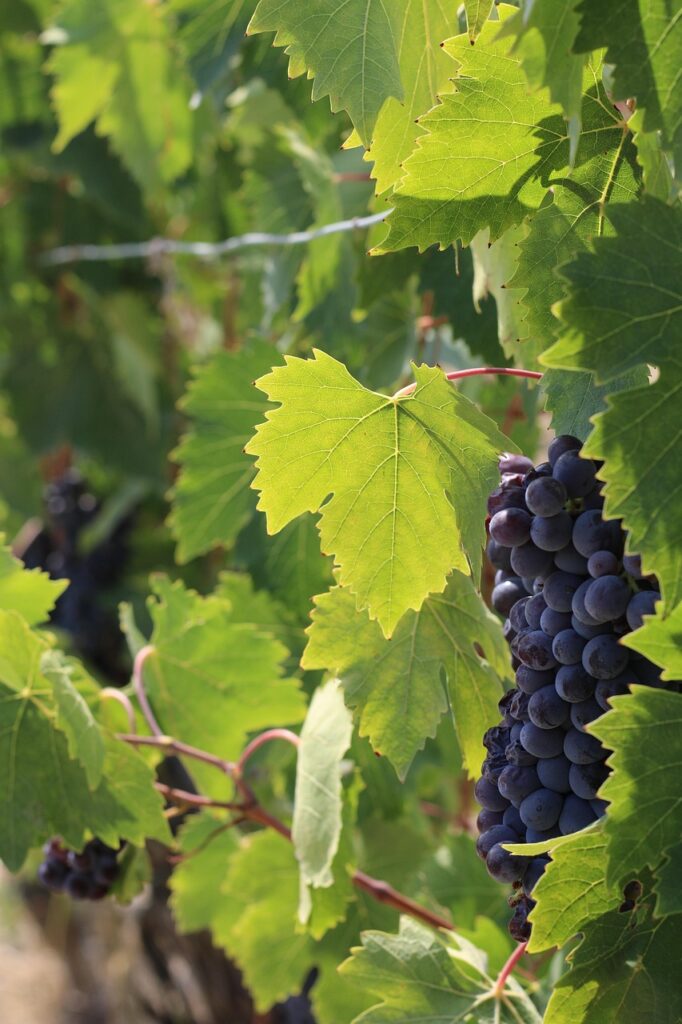
The Chianti Classico region is recognizable by its patchwork hills, cypress-lined winding roads and olive groves dotting the vineyards. Beyond the landscape, each estate has its own personality: some are steeped in feudal history (fortified castles with towers and ramparts), others stand out for contemporary architecture and designer cellars, and some offer traditional tasting experiences in abbeys or country houses. From Siena, getting there by car is straightforward — a car gives you maximum freedom — but many estates are also reachable by taxi, organized tours, or a train-and-bus combo depending on the destination.
In the sections that follow you’ll find, for each estate: the full name, exact address, indicative prices in euros, typical opening hours, an immersive description to help you picture the visit, plus practical local tips (best time to visit, tasting recommendations, on-site lunch options and photography hints). The prices and hours listed are those commonly in effect; they can vary with the season (summer high season, autumn harvest) and private events. I recommend checking the estate’s official websites or calling ahead before you leave to avoid any disappointment.
To help you plan, I also include logistical tips from Siena: approximate driving times, road access (scenic roads or narrow stretches), parking availability and public transport alternatives. Bring comfortable walking shoes, your camera and a bottle of water — visits can be long and paths sometimes pebbly. After reading this, you’ll have everything you need to plan one or several unforgettable day trips from Siena.
1. Castello di Brolio – Azienda Agricola Ricasoli (Gaiole in Chianti)
Full name: Castello di Brolio – Azienda Agricola Ricasoli
Address: Località Brolio, 53017 Gaiole in Chianti SI, Italy
Typical hours: Open daily 9:30 AM–6:00 PM (April 1–Oct 31), 10:00 AM–4:00 PM (Nov 1–Mar 31)
Indicative prices: Guided castle tour and tasting from €20 per person; private full tours from €50 per person
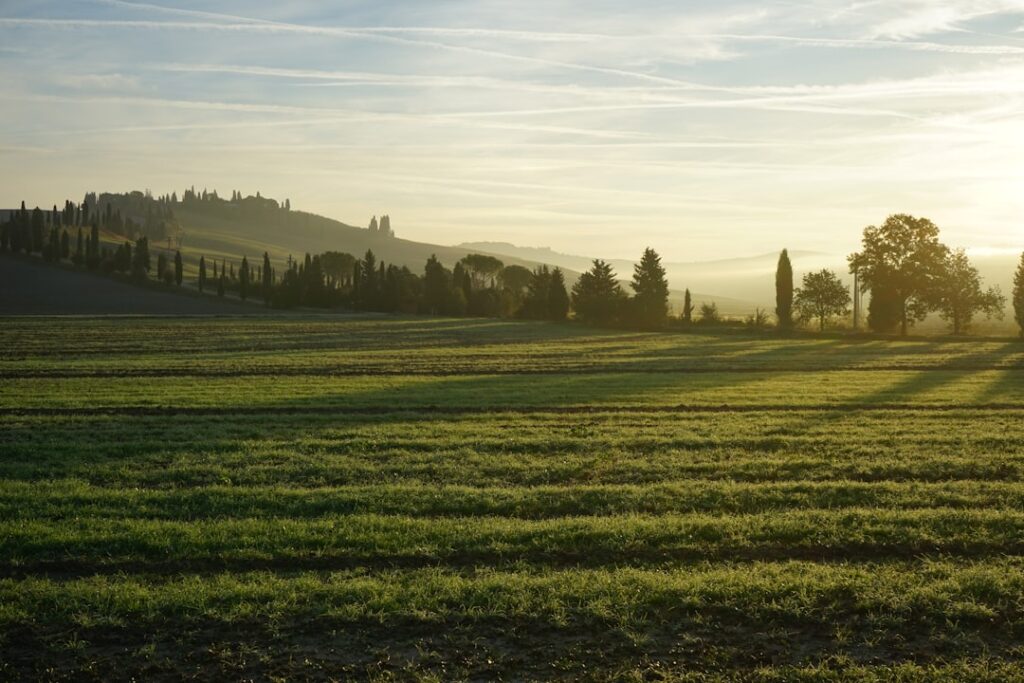
Castello di Brolio, owned by the Ricasoli family since the 12th century, is an icon of Chianti Classico. Perched on a hill, it overlooks endless rows of vines. The approach up a winding lane flanked by olive trees and cypresses delivers picture-perfect viewpoints at sunrise or sunset. The estate includes a restored medieval castle, panoramic gardens, a museum that traces the family and winemaking history, and a cellar where you can taste the on-site Chianti Classico.
 Click here to book a Chianti and castles small-group tour
Click here to Join a Chianti and castles minibus tour
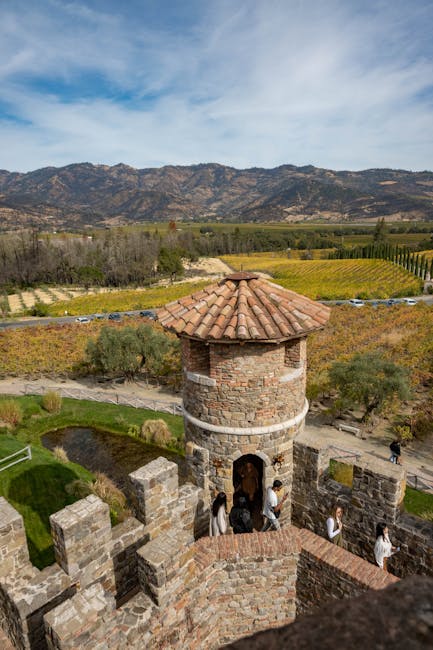
A standard visit usually includes a guided walk through the historic salons and battlements, followed by a guided tasting of several Ricasoli wines, often paired with local bread and extra-virgin olive oil produced on the estate. History buffs will enjoy the castle museum, which displays documents and artifacts tied to the estate’s management and winemaking legacy. The gardens offer viewpoints ideal for gazing over the valley, and on clear days you can pick out many of the classic Chianti villages and hills.
Practical tips: From Siena, plan around a 40-minute drive (40–45 km) via the SP408 and SR429. The estate parking is roomy but may be paid during events. Reservations are recommended, especially in high season. If you don’t have a car, organized tours from Siena often include Brolio. For photographers, late afternoon provides warm light on the façade. Consider combining the visit with a light lunch at the estate bistro or a picnic in the gardens.
2. Castello di Ama – Poggiarelle e Vigneti (Gaiole in Chianti)
Full name: Castello di Ama (Fondazione Castello di Ama per l’Arte Contemporanea)
Address: Località Ama, 53013 Gaiole in Chianti SI, Italy
Typical hours: Visits by reservation; generally 10:30 AM–5:30 PM (season and exhibitions permitting)
Indicative prices: Wine and art visit from €30 per person; in-depth visit and producer lunch from €60
Castello di Ama is a prime example of a place where wine, contemporary art and landscape converse. Located in the tiny hamlet of Ama, the estate is famous not only for its Chianti Classico but also for site-specific contemporary artworks integrated into the vineyards and buildings. Narrow village streets, stone walls and inner courtyards create an intimate atmosphere where surprising contemporary installations beautifully contrast with the rural architecture.
A typical visit blends a guided stroll through the vineyards, explanations of agricultural and winemaking practices, then a tasting in the cellar or a dedicated tasting room. Tastings often come with a small bite of local produce. Visitors can tour temporary and permanent exhibition spaces run by the Castello di Ama Foundation, where artists have left lasting marks on the landscape. The result is an immersive experience: you move from a modern vinification room to an unexpected art installation beneath an ancient olive tree.
Click here to taste wines and olive oil with cellar visit
Practical tips: From Siena, expect about a 40–50 minute drive (approx. 45 km) via the SP73/SS408. The access road to the village can get narrow: a compact car is preferable. Visits are often by reservation, especially for the art-focused routes; book several days in advance. Photographers should bring a wide-angle lens to capture both sculptures and vineyard perspectives. The estate sometimes hosts themed dinners and art events — check the calendar on the official site.
3. Badia a Coltibuono – Abbazia e Tenuta (Gaiole in Chianti)
Full name: Badia a Coltibuono – Abbazia e Tenuta
Address: Località Badia a Coltibuono, 53013 Gaiole in Chianti SI, Italy
Typical hours: Open to the public: Monday–Saturday 10:00 AM–5:30 PM; Sunday 11:00 AM–4:00 PM (hours vary by season)
Indicative prices: Guided tour + tasting from €25 per person; cooking classes and farmhouse lunch from €80
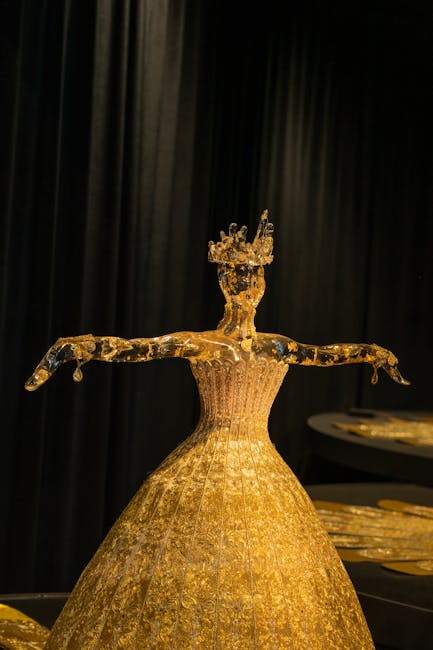
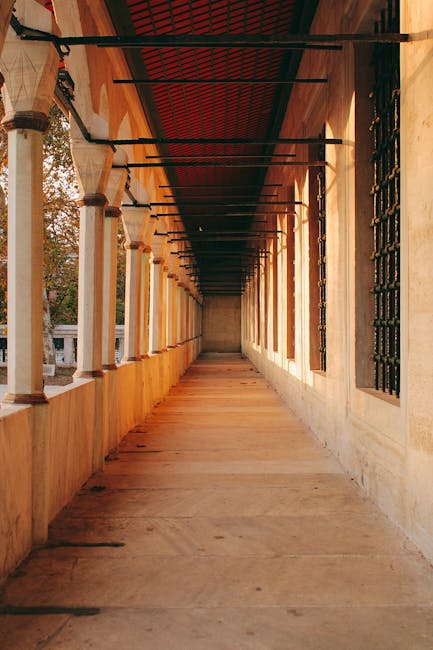
Badia a Coltibuono is a former Benedictine abbey converted into a working farm and winery. Much of its monastic architecture remains: cloister, chapel, vaulted cellars and inner courtyards. The atmosphere is steeped in serenity and history: walking under the cloister arcades feels like stepping back centuries, while the tasting rooms open onto neatly ordered vineyards.
Click here to book a cooking class at a real Tuscan farmhouse
Beyond wine, Badia a Coltibuono offers a complete gastronomic experience. The estate is known for its Tuscan cooking classes, farmhouse lunches and high-quality extra-virgin olive oil. A standard visit includes a tour of the estate, an explanation of sustainable and organic farming practices used in some parcels, followed by a structured tasting of wines and oils, often paired with warm bread and local charcuterie.
Practical tips: From Siena, allow about a 40-minute drive (around 43 km) via the SP408. The estate has parking; cooking classes and lunches should be booked well in advance. For a more immersive experience, take the cooking class — it’s a brilliant way to learn about Tuscan food and wine pairings. For food photographers, morning light in the abbey courtyard is ideal.
4. Castello di Meleto – Tenuta Meleto (Gaiole in Chianti)
Full name: Castello di Meleto – Tenuta Meleto
Address: Località Meleto, 53013 Gaiole in Chianti SI, Italy
Typical hours: Open daily (visits by reservation) 9:30 AM–6:00 PM; cellar open for tastings 10:00 AM–4:00 PM
Indicative prices: Guided tour with tasting from €18 per person; full castle visit and lunch from €45
Castello di Meleto is one of the best-preserved medieval castles in Chianti. Surrounded by walls, towers and rolling countryside, Meleto blends historic Tuscan charm with contemporary winemaking. The medieval architecture alongside a modern cellar creates a striking contrast: you can climb a defensive tower, then descend into a cellar equipped for current winemaking techniques.
Click here to book a Chianti vineyards tour with lunch
Click here to Book a Chianti vineyards tour with lunch
Tours highlight the castle’s history, viticultural practices and modern vinification methods used by the Tenuta. Tastings typically include the estate’s flagship cuvées, sometimes paired with small plates of local products. The estate also hosts seasonal events, weddings and concerts in the inner courtyards, offering very photogenic settings for visitors.
Practical tips: From Siena, expect a 35–45 minute drive (around 40 km) via the SP408 and SP73. Access roads may be narrow and occasionally cobbled near the castle; avoid large cars in high season if you’re uncomfortable on country lanes. Meleto is family-friendly and sometimes offers kid-oriented visits (non-alcoholic tastings for younger guests and playful tours). Check for private events that might close the site on your planned day.
5. Castello di Volpaia – Tenuta Volpaia (Radda in Chianti)
Full name: Castello di Volpaia – Tenuta Volpaia
Address: Via Volpaia, 53017 Radda in Chianti SI, Italy
Typical hours: Shop and tastings: daily 10:00 AM–6:00 PM (seasonal hours); guided tours by reservation 10:30 AM–4:30 PM
Indicative prices: Standard tasting from €20 per person; guided tour + full tasting from €35
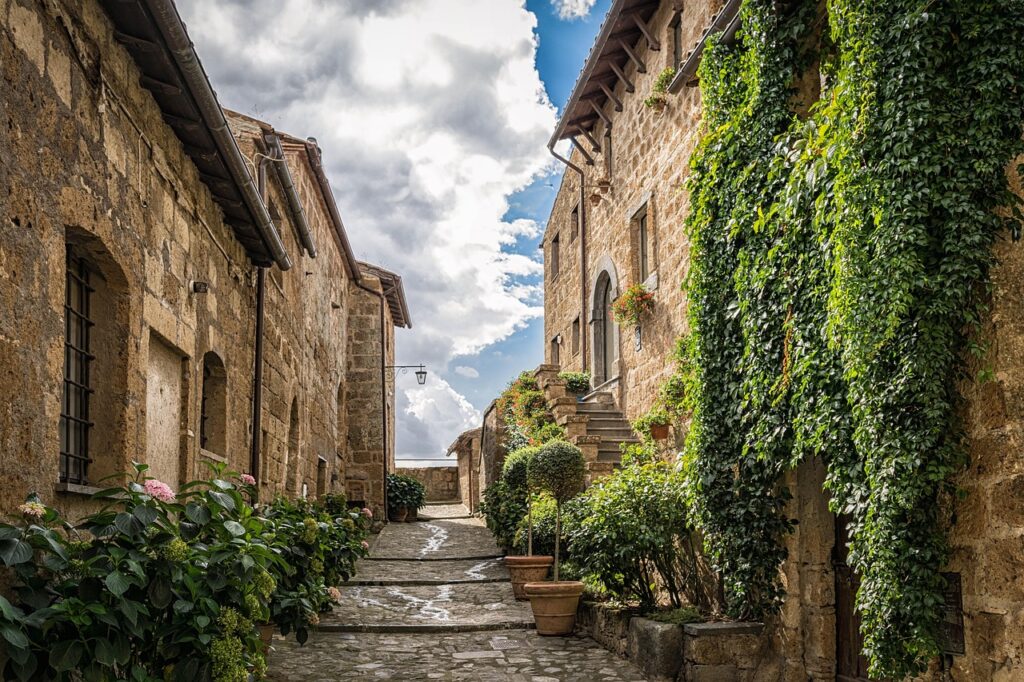
Volpaia is a fortified village turned wine estate, renowned for the minerality and quality of its wines. What makes Volpaia special is that the village itself is the attraction: cellars are built into old stone houses, narrow lanes open onto charming viewpoints, and the estate shop sells not only wine but artisan preserves and oils. Visiting Volpaia feels almost medieval, punctuated by the discreet modernity of high-end winemaking.
Tastings at Volpaia are often held in a vaulted room or on a terrace with views over the hills. Guides explain the terroir of Radda in Chianti — soils, exposure and microclimate — and how these elements shape winemaking. In addition to tastings, the estate offers cellar tours, vertical tasting workshops (different vintages) and themed sessions on food-and-wine pairings. If you want to extend your visit, the village has a small restaurant and an artisan bakery.
Practical tips: From Siena, allow about 45–60 minutes (approx. 50 km) via the SR2 and SP8 depending on your route. Park outside the village, as the climb to the historic center is narrow and often restricted to local traffic. Volpaia is spectacular in spring when the vines go green, but autumn harvest light produces incredible colors. Buy bottles from the estate shop — you’ll often find cuvées not distributed outside the village.
Click here to Immerse yourself in the Chianti vineyards
Click here to immerse yourself in the Chianti vineyards
Combined options and suggested routes from Siena
To make the most of a day trip from Siena, here are three suggested routes depending on your interests:
- Scenic panorama & history route: Siena – Castello di Brolio (morning) – lunch at Badia a Coltibuono – afternoon at Castello di Meleto. Perfect to combine castle, abbey and landscapes. Total driving time: about 2h30–3h.
- Art & wine route: Siena – Castello di Ama (morning) – lunch in Ama – afternoon at Volpaia or Castello di Meleto. Ideal if you enjoy contemporary art woven into vineyard life.
- Concentrated tasting route: Siena – Volpaia (morning tasting) – Castello di Brolio (visit + tasting) – return via an olive grove for an oil tasting. Great for wine lovers seeking a variety of terroirs.
General practical advice: drive carefully on Tuscan secondary roads — they’re often winding and narrow. In high season, estates can be busy on weekends; aim for weekdays or early mornings. Check the specifics for paid tastings and wine courses and reservation policies — many estates offer various options (standard tasting, verticals, food-pairing tastings, classes). If you’d rather not drive, several agencies in Siena run private or small-group tours to these estates; convenient, but less flexible for spontaneous stops. Finally, respect local laws about drinking and driving: plan a designated driver if you anticipate multiple tastings.
Conclusion
From Siena, Chianti Classico unfolds as a sensory and cultural playground: imposing castles, peaceful abbeys, fortified villages and estates where modern art mingles with viticulture. The five estates featured — Castello di Brolio, Castello di Ama, Badia a Coltibuono, Castello di Meleto and Castello di Volpaia — offer complementary experiences, from historic tours to focused tastings, cooking classes and artful walks. Each conveys its own character and, in its own way, opens a window onto the traditions and innovators of Chianti.
When planning your route from Siena, balance your curiosity: a morning devoted to panoramic beauty and an afternoon of in-depth tasting can turn one day into a lasting memory. If you want to dig deeper, spread the wineries over several days to enjoy the visits without rushing — Tuscany is meant to be savored slowly. Seasons also shape the experience: spring and autumn bring different light and atmospheres, and harvest time (September–October) is especially lively and authentic.
One final tip: always double-check hours and book tastings and guided tours in advance, especially in high season. Keep in mind that Tuscan hospitality is warm and often family-run — don’t hesitate to ask questions about production methods, the character of a vintage or pairing suggestions. Chianti estates tell a human story of families, terroir and centuries of know-how. From Siena, these wineries aren’t just destinations — they’re invitations to understand why Tuscany and its wines sit so close to the hearts of travelers worldwide.