





INTRODUCTION
Siena, perched on its Tuscan hills, is more than a medieval postcard: it’s the sensory gateway to Chianti, a region that helped shape Italy’s culinary identity. This article invites you on a slow, immersive journey through stone alleys, bustling markets, terraced vineyards and tables where the land tells its story, dish by dish. My goal is to give you a complete, hands-on itinerary to discover local food starting from Siena, blending cultural visits, wine tastings, cooking classes and spots where traditional Tuscan cuisine is still lovingly served.
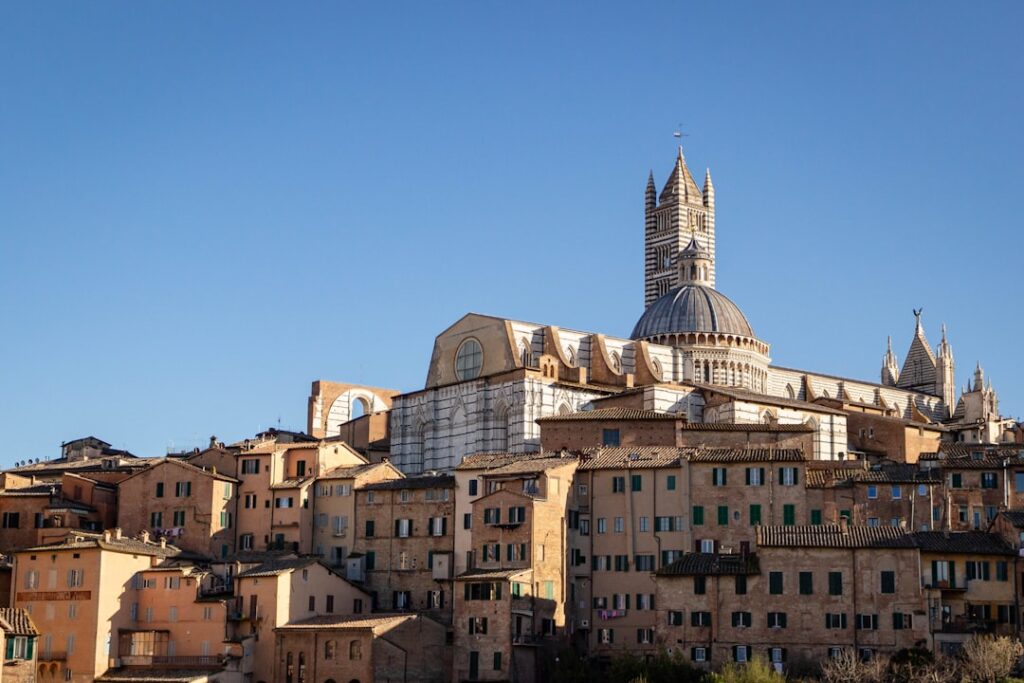
Siena itself is a foodie chapter: Piazza del Campo, the Cathedral of Santa Maria Assunta (Duomo di Siena) and the Torre del Mangia form a stage where history blends with everyday life. A few kilometers out, the Chianti Classico area unfurls in vineyards and olive groves, home to historic estates like Castello di Brolio and modern projects such as Antinori nel Chianti Classico. But the culinary discovery doesn’t stop at wine: extra-virgin olive oil, Cinta Senese cured meats, local cheeses (pecorino), homemade pici and desserts like panforte di Siena give you plenty of reasons to linger.
In this introduction I’ll paint the big picture: how to combine Siena’s sights — monuments, museums and squares — with wine-country excursions, local markets, family-run trattorie and hands-on workshops. You’ll find specific addresses, opening hours, indicative prices, sensory descriptions and practical tips to organize your days. Whether you’re driving, taking the train or opting for a private guided tour, you’ll leave Siena with tastes, smells and memories that stick.
This article is aimed at curious travelers who want to go beyond standard tourist tastings: it highlights authentic experiences — meeting winemakers, cooking in a local home, a morning market run to pick your ingredients, and restaurants that still serve ribollita like grandma used to make. You’ll also get practical details on travel times between Siena and estates, realistic price ranges for tastings and meals, and tricks to avoid peak times or get a more personal welcome.
Finally, you’ll see that Chianti cuisine isn’t frozen in time: it talks to modernity while staying loyal to sustainable ingredients and techniques passed down through generations. Get your palate and camera ready: this guide offers a full, immersive experience, balancing Siena’s monumental heritage with the Chianti’s vineyard landscapes.
Discovering Siena: monuments, museums and first tastes
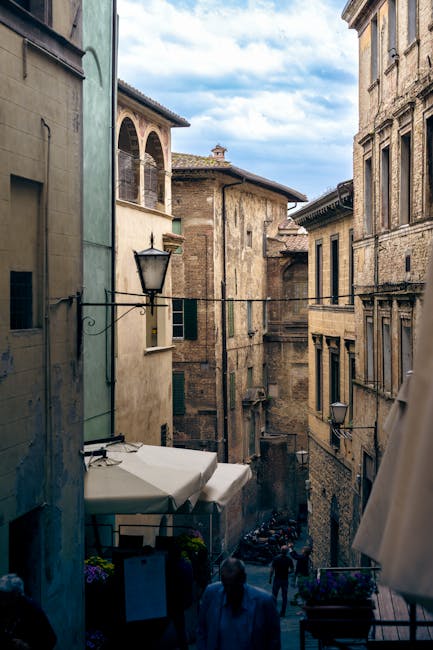
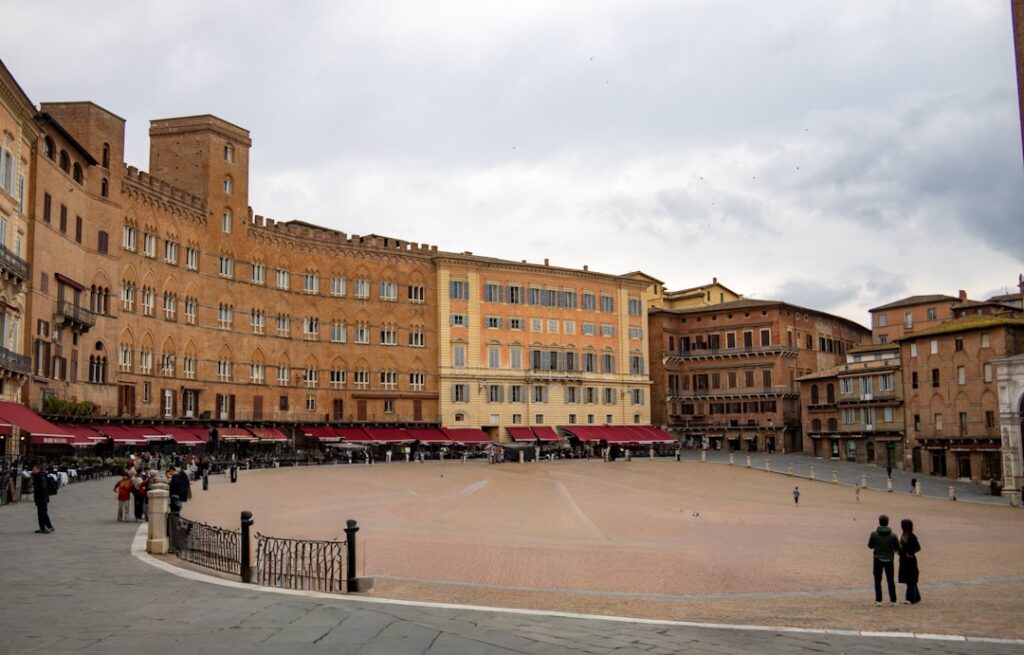
Start your culinary route in the heart of Siena to understand the link between history, public space and food. Piazza del Campo (Piazza del Campo, 53100 Siena SI, Italy) is the epicenter: a brick amphitheater that still hosts the Palio di Siena today. Stroll early in the morning to catch the golden light on the medieval palaces and head to the temporary stalls where artisans sometimes set up seasonal markets. The piazza is accessible 24/7; events like the Palio are announced in high season — if you plan to attend, book accommodation and seats early (standing access is free for the public; grandstand tickets are paid depending on the Palio organization).
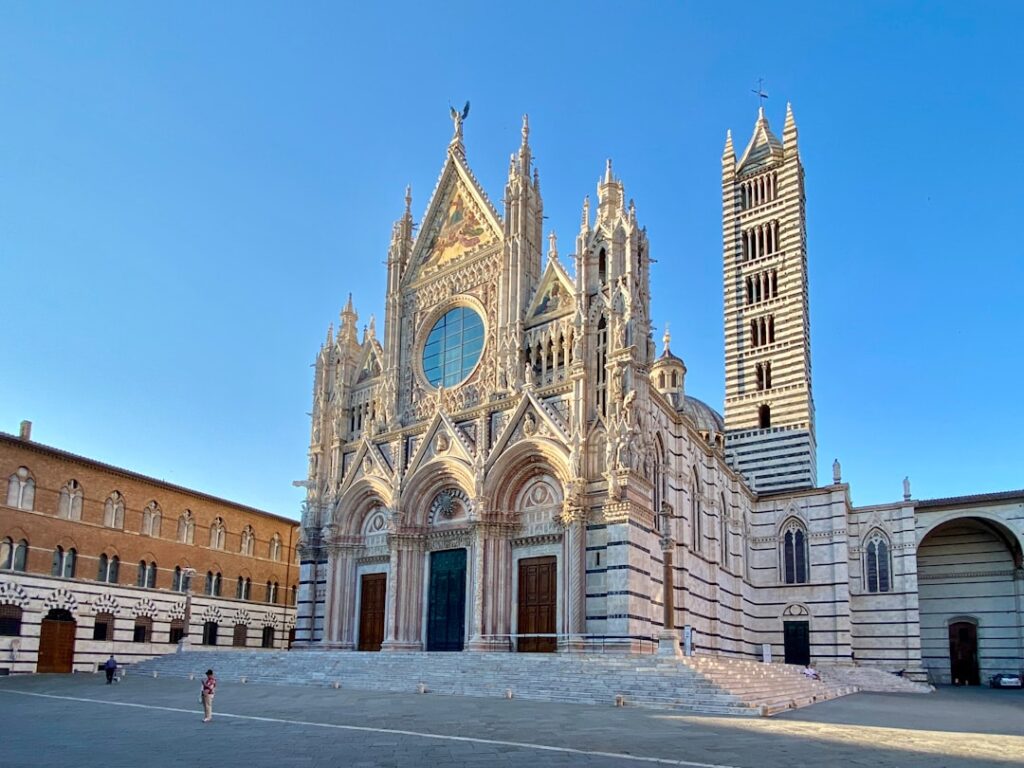
Siena Cathedral, the Duomo di Siena (Piazza del Duomo, 8, 53100 Siena SI), is a must-see: a Gothic masterpiece of striped marble, with works by Nicola Pisano and panels associated with Donatello. Indicative opening hours: 10:30–19:00 (April–September), 10:00–17:00 (October–March). Combined entry with the Museo dell’Opera del Duomo costs roughly €12–18 depending on temporary shows; entry may be free during certain mass times. The Museo dell’Opera del Duomo (Piazza del Duomo, 8, 53100 Siena) preserves original sculptures and panels — essential for understanding the relationship between patronage, churches and the wealth generated by local trade.
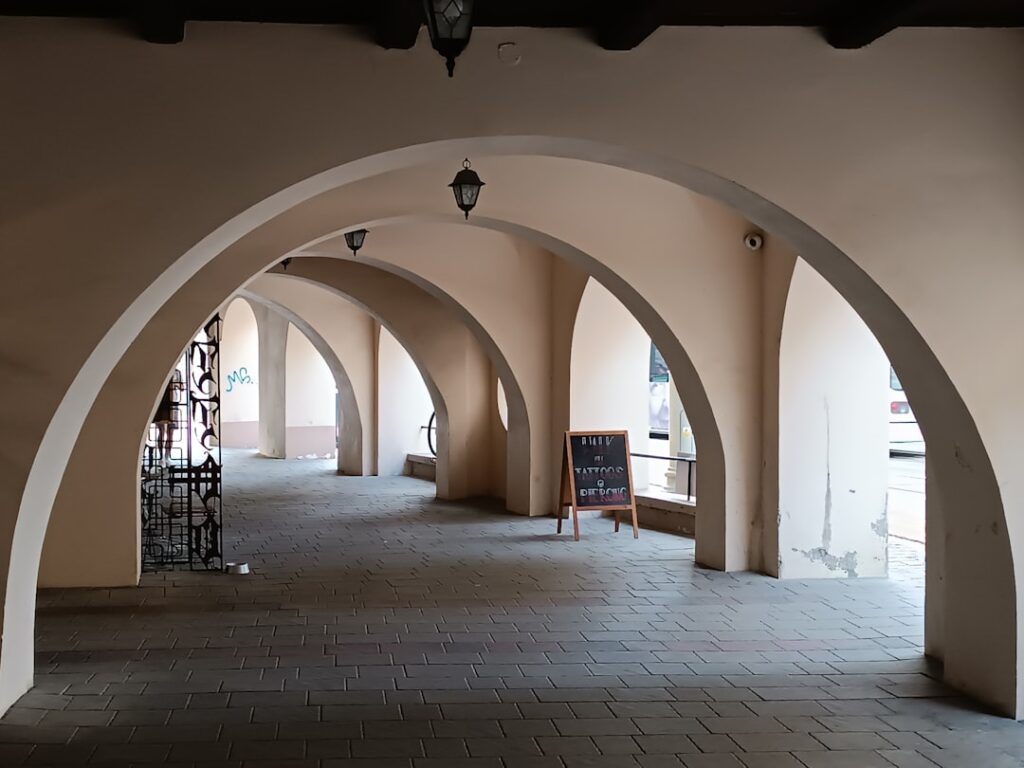
For a more intimate dive into culinary history, visit the Complesso Museale Santa Maria della Scala (Piazza del Duomo, 2, 53100 Siena). This former medieval hospital turned museum once recorded the care of pilgrims and the sick — and therefore the city’s food logistics. Opening hours: 10:00–18:00; admission around €8–12. A tour helps you understand how goods circulated and how the hospital’s staff managed kitchens and cellars.
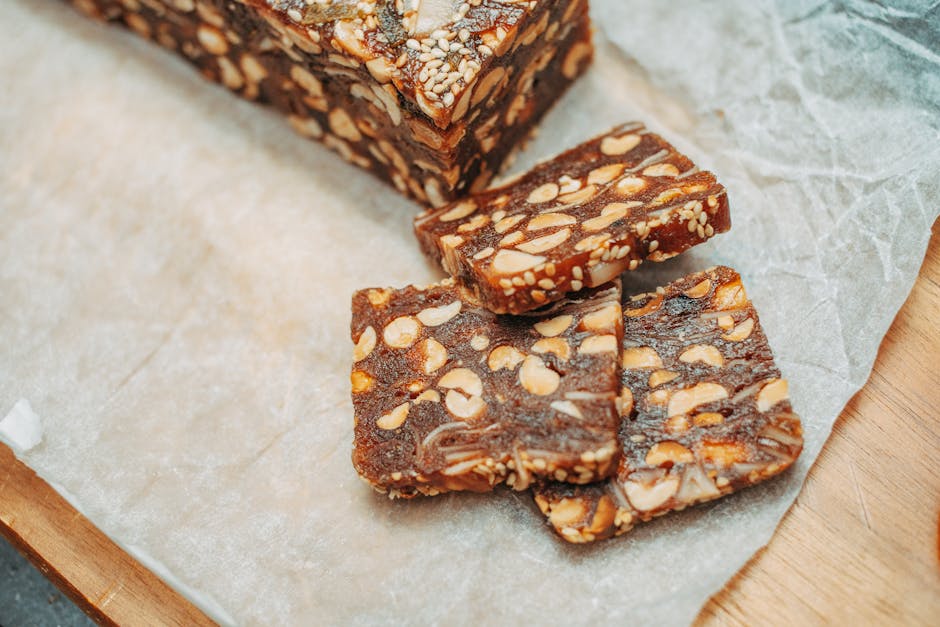
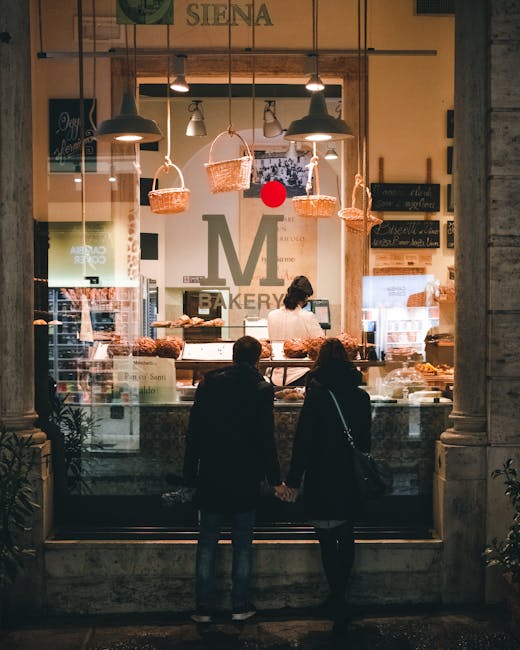
Before you leave the center, taste panforte di Siena at the historic Nannini bakery (Piazza 9 Settembre, 53100 Siena). Address: Pasticceria Nannini, Via Banchi di Sopra, 34, 53100 Siena SI. Hours: 08:00–20:00. Price: individual slice of panforte around €3–6; gift boxes €12–30 depending on size. Nannini is famed for its local confectionery — a perfect stop before you head into the Chianti countryside.
 Click here to book your ticket for Siena Cathedral and Piccolomini library
Wine itinerary in Chianti: must-visit estates and tastings
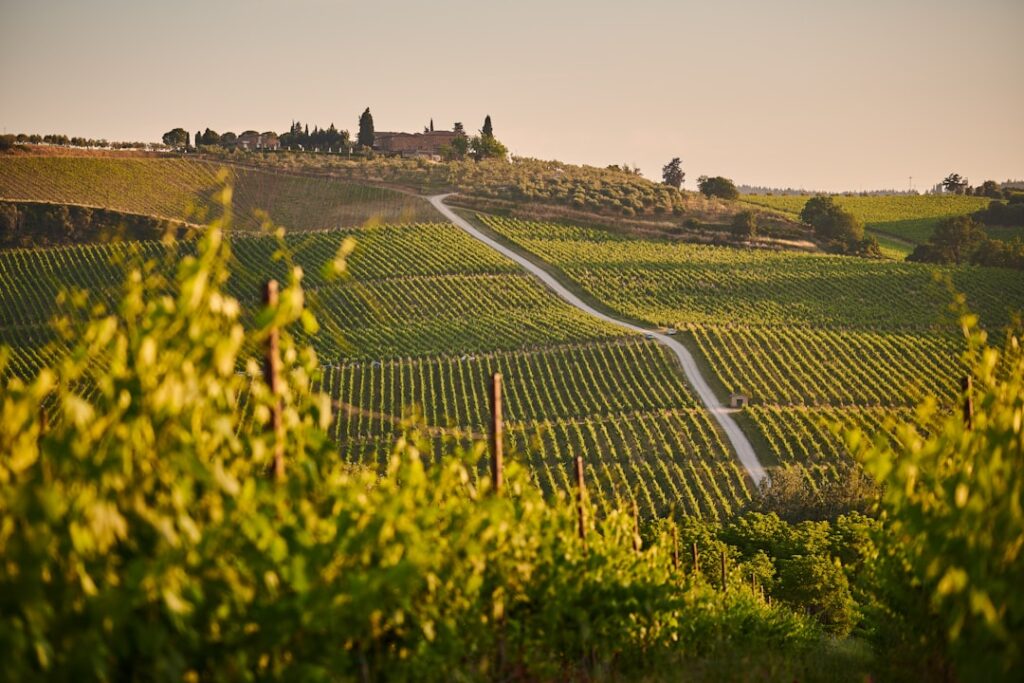
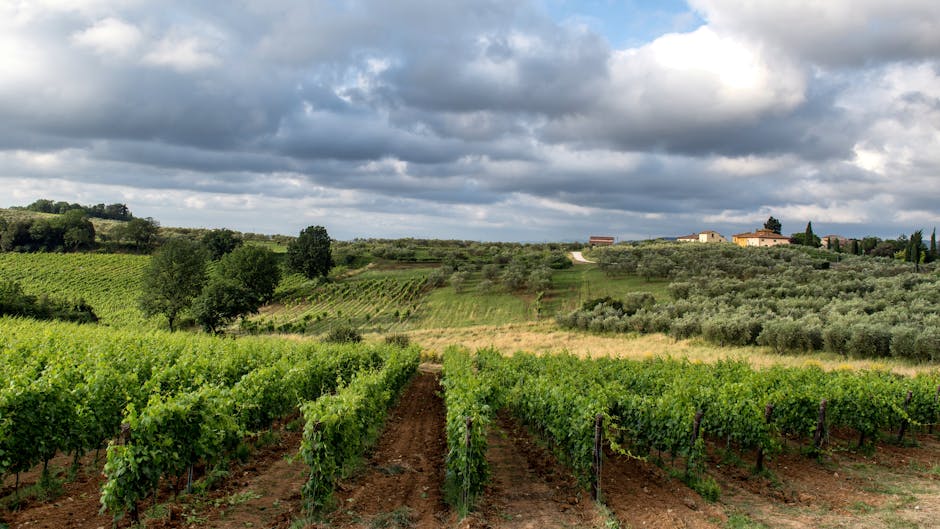
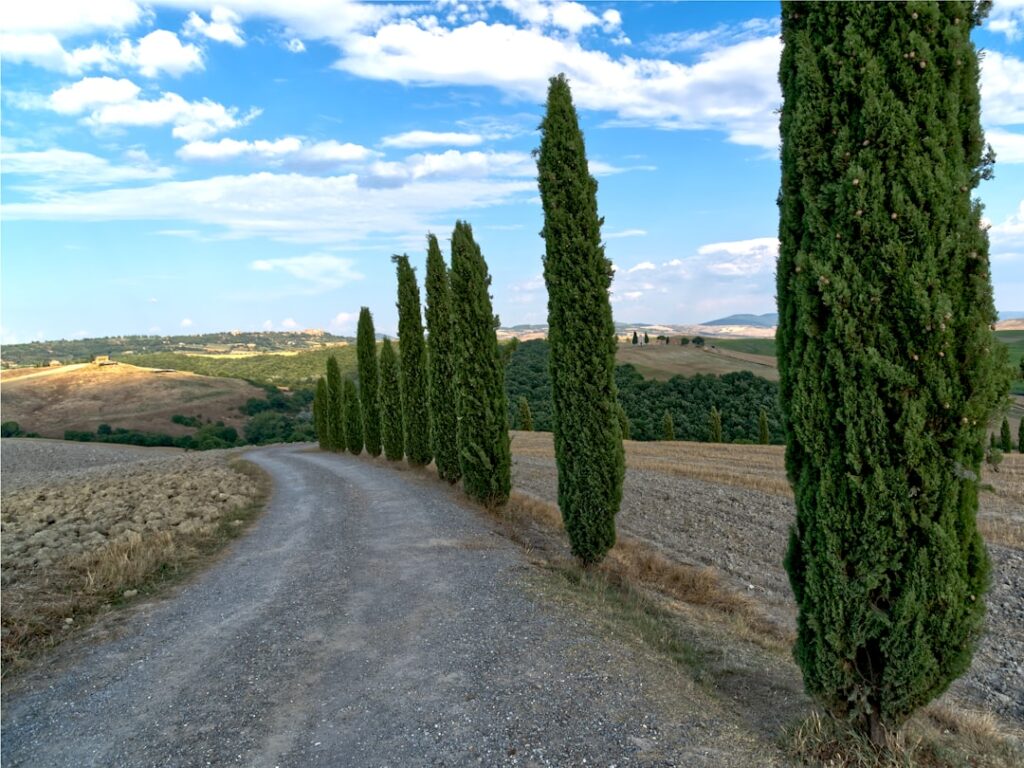
Chianti Classico stretches between Siena and Florence, dotted with historic estates and small family-run wineries. From Siena, the drive toward Gaiole in Chianti or Castellina in Chianti treats you to vistas of vine rows and cypress trees: allow 30–60 minutes by car depending on your destination. Here are three representative estates, each offering a different kind of experience.
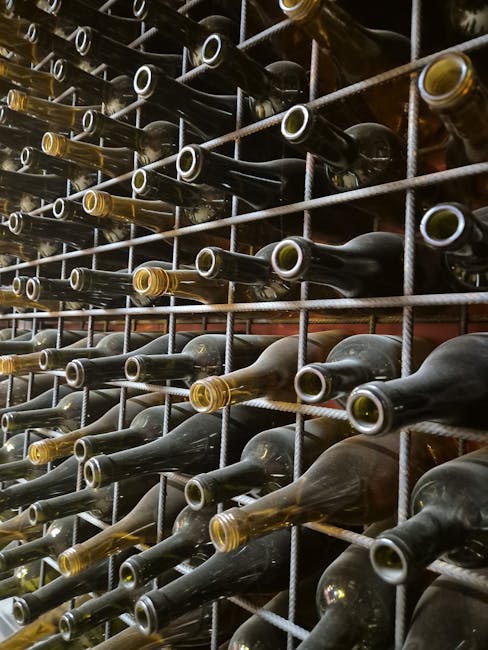
Castello di Brolio (Strada Provinciale 73, 53013 Gaiole in Chianti SI) is one of the oldest estates: owned by the Ricasoli family since the 12th century. Guided tours of the castle and cellars, a historical walk through the gardens and wine tastings are available. Indicative hours: 10:00–17:00 every day, closed on some public holidays. Prices: standard tour and tasting about €20–35 per person; premium visits with lunch or vertical tastings €45–80. The castle offers a heritage immersion: from the terrace you get panoramic views over the planted rows; in the cellars, oak barrels whisper decades of winemaking. Book ahead, especially in high season.
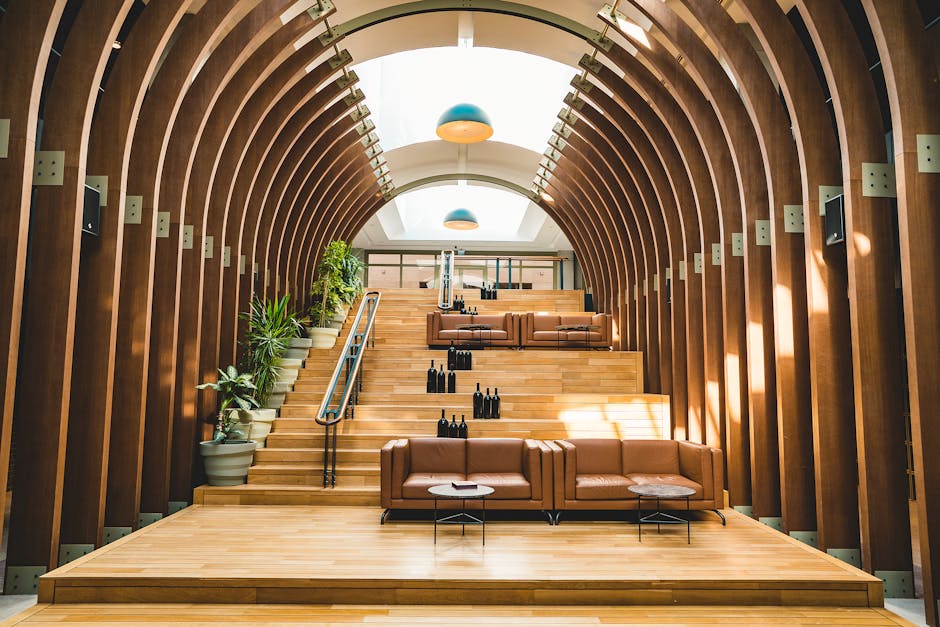
Antinori nel Chianti Classico (Antinori nel Chianti Classico, Via Cassia per Siena, 133, 50028 Bargino, Tavarnelle Val di Pesa FI) is a contemporary architecture and winemaking project combining a family museum, modern cellars and a panoramic restaurant. Hours: guided tours 10:00–18:00; restaurant 12:30–15:00 and 19:30–22:00 (times can vary). Prices: visit + tasting from €25–40; restaurant à la carte €35–80 per person. The experience blends innovation and tradition: modern extraction areas, cellars integrated into the hillside and tastings of Chianti Classico Riserva.
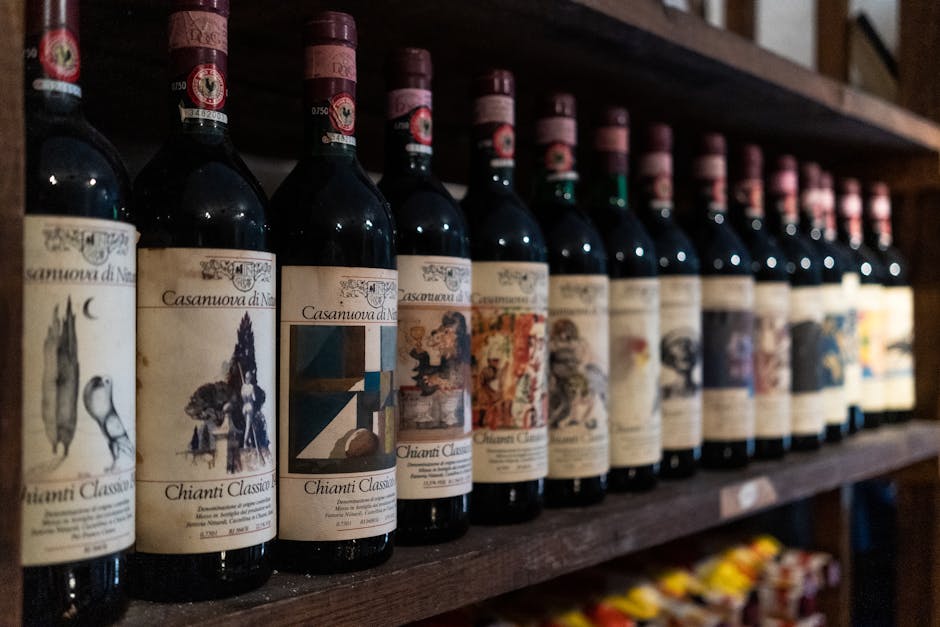
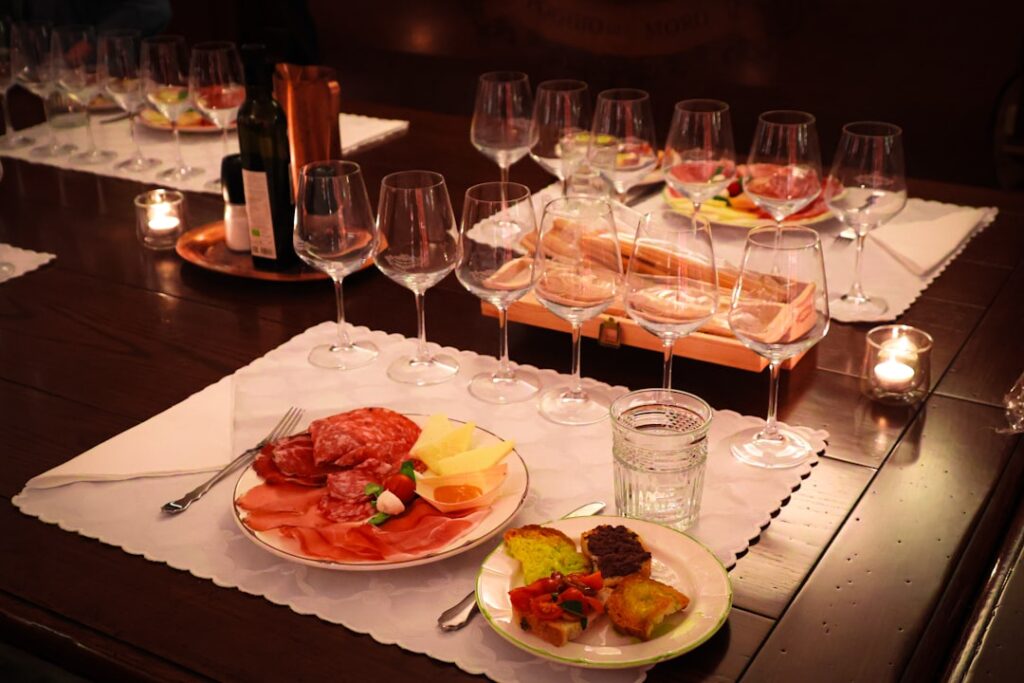
Fattoria Fèlsina (Fattoria di Fèlsina, Via di Burchio 1, 53019 Castelnuovo Berardenga SI) is a family-run example where both wine and olive oil are produced with respect for the land. Hours: visits by reservation, typically 09:30–17:00; tasting prices €20–40. Tastings at Fèlsina focus on Sangiovese wines like the « Rancia » and « Berardenga, » often accompanied by boards of local cured meats and cheeses. The tour frequently includes a look at the olive groves and the methods used to extract extra-virgin olive oil.
Practical tips for visits: book 1–2 weeks ahead in high season; arrange a taxi or a designated driver if you plan to visit several estates in one day; check tasting schedules (many places close around lunch). Prices vary by season and type of tasting: private tastings and food-pairings usually cost more. Also, ask for olive oil samples — Chianti produces excellent oils that are often as worth seeking out as the wine.
Click here to book a Chianti and castle tasting tour
Click here to experience Chianti wine and olive oil tasting
Taste experiences: markets, trattorie and local products
Chianti’s gastronomy is enjoyed as much in the glass as at trattorie tables and market stalls. In Siena, a few spots are essential to taste authentic cuisine and buy local products to bring home.
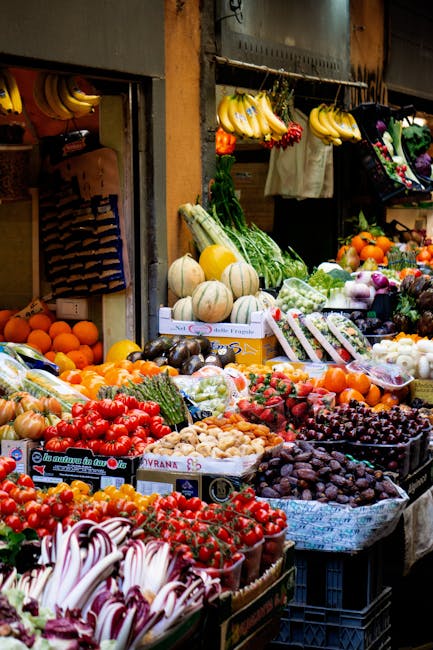
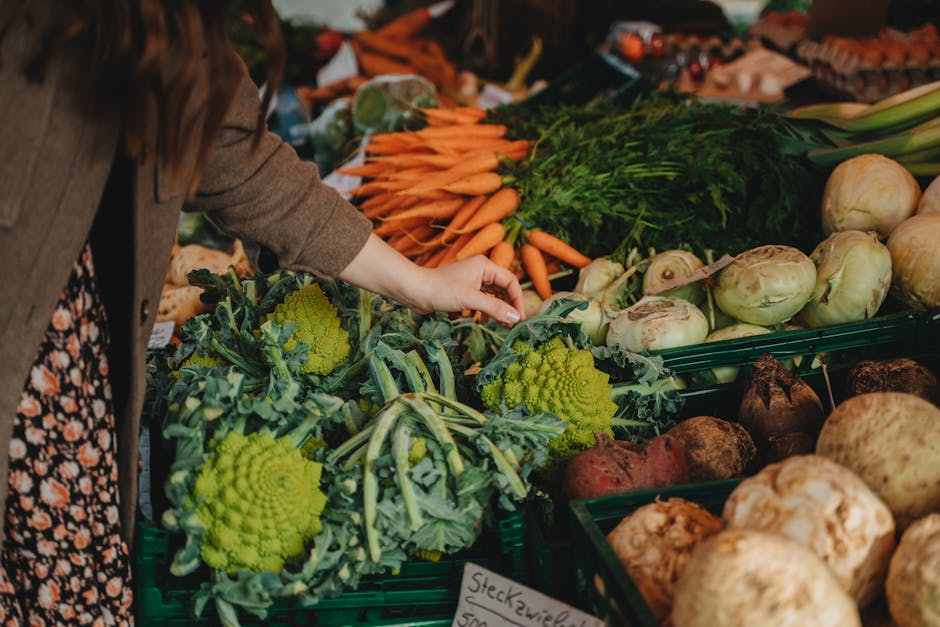
The Mercato Centrale di Siena is held in the Mercato Coperto (Via Fontebranda, 53100 Siena SI) — a place where producers and vendors sell cheeses, cured meats, seasonal vegetables and fresh pasta. Hours: 08:00–13:00 Monday to Saturday (hours vary by season and stall). Tips: arrive early for the best selection; ask for slices of aged pecorino, Cinta Senese salumi and local prosciutto. Prices: a wedge of pecorino €8–20 depending on age; artisanal salami €6–12 each. Bargain gently and use an insulated bag if you need to carry cheeses over a long distance.
For lunch or dinner in Siena, two classic addresses:
– Osteria Le Logge (Via del Porrione, 33, 53100 Siena SI). Hours: 12:30–14:30, 19:30–22:30. Prices: antipasti €8–15, mains €12–28, tasting menus €35–60. Thoughtful cooking, modern in spirit but rooted in local recipes; book ahead as it’s popular.
– La Taverna di San Giuseppe (Via Giovanni Dupre, 132, 53100 Siena SI): this cozy trattoria serves Tuscan classics like pici all’aglione and ribollita. Hours: 12:30–14:30, 19:00–22:30. Prices: dishes €10–22, shareable menus €25–45. Warm atmosphere, attentive service and a carefully selected local wine list.
Other must-try products: pici (thick local hand-rolled pasta), Cinta Senese pork (a local breed producing salamis and prosciutti) and Chianti extra-virgin olive oil. For a charcuterie and cheese tasting, look for artisanal « salumerie » such as Salumeria Verdi (example of the type of shop — check current location) where you can build a sharing board (average price €10–18 per person for a full board).
Click here to book a wine, charcuterie and cheese tasting
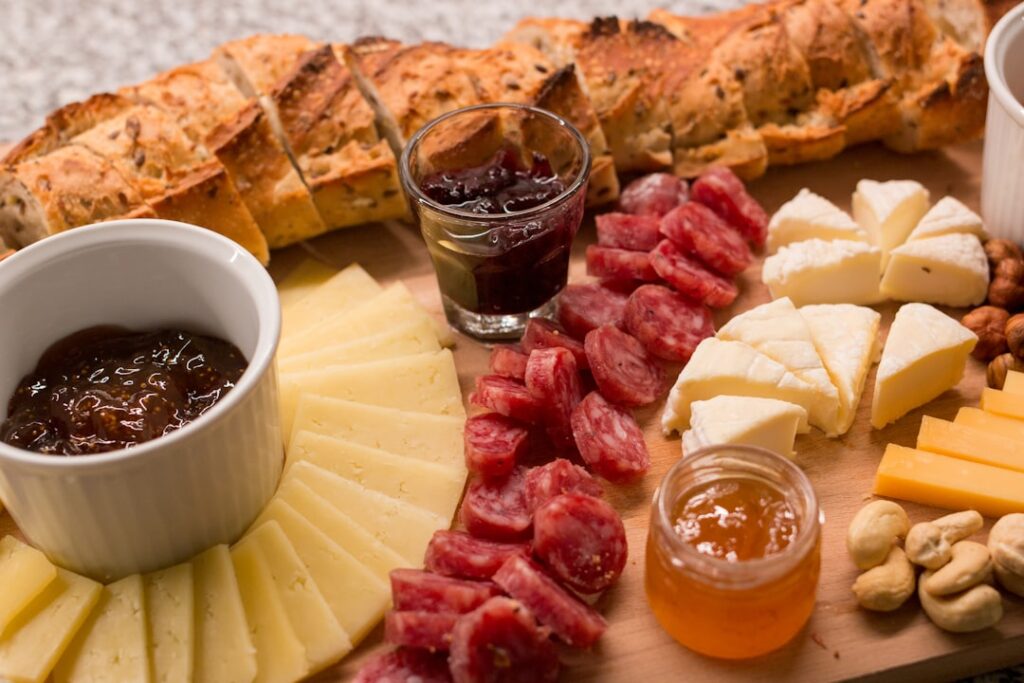
Pro tip: plan a picnic in the Chianti countryside with items bought at Siena’s market. Bring Tuscan bread (unsalted), cherry tomatoes, local olive oil and a bottle of Chianti Classico. Find a lone olive tree or a roadside rest area along scenic roads for an unforgettable al fresco lunch. And don’t forget to try vin santo with cantucci (almond biscuits) for a traditional dessert.
Guided tours and cooking workshops around Siena
Cooking classes are a chance to take home skills and edible memories. Around Siena, several cooking schools and winemakers offer hands-on courses: making pici, rolling pasta, preparing Tuscan sauces and pairing food with wine.
Cooking Class Siena — Palace cooking courses (examples of local offers): often set in historic center locations, these workshops last 3–4 hours and include making antipasti, fresh pasta (pici) and a dessert. Times: sessions at 10:00 or 15:00; indicative price: €60–120 per person depending on duration and whether a meal is included. Classes typically include a guided market visit to pick ingredients — a sought-after experience connecting technique and local sourcing.
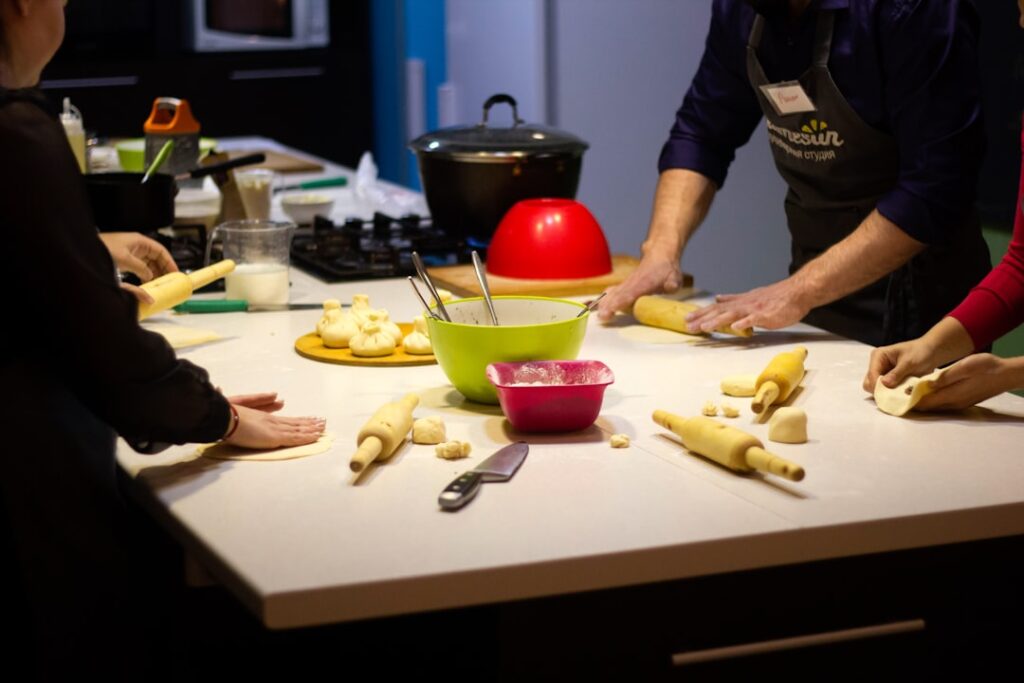
« From Market to Table » workshop: a combo of a morning visit to the Mercato Coperto in Siena (Via Fontebranda or similar) and a private class at a local chef’s place. Duration: 4–5 hours; price: €80–140 per person depending on group size and menu. The highlight is learning techniques for ribollita, a meat ragù enriched by Sangiovese, and the perfect cooking of pici. These workshops suit beginners and intermediate cooks and are often limited to small groups (max. 10 people).
Wine tours with food pairings: many estates like Castello di Brolio or Fattoria Fèlsina offer sessions where a sommelier explains how Chianti wines pair with local dishes (antipasti, pasta, cheeses and desserts). Duration: 1.5–3 hours; price: €25–60 per person for a guided tasting of 3–6 wines, sometimes accompanied by small plates.
Practical booking tips: favor morning workshops if you still want to visit an estate in the afternoon; mention allergies and dietary preferences when booking; for market classes bring a reusable bag and a small insulated pouch. Also, always ask if printed recipes are available in English or French and whether the chef can adapt the difficulty to your level.
Click here to book a traditional Tuscan pasta cooking class
Practical tips to organize your gourmet stay from Siena
Planning a culinary itinerary takes a few practical precautions. Here are concrete tips to make the most of your time, budget and enjoyment.
- Transport: Renting a car gives you the greatest freedom to explore Chianti (secondary roads, estate parking). From Siena, allow 30–45 minutes to reach Castellina in Chianti and 45–70 minutes to Gaiole in Chianti depending on route. If you prefer not to drive, several local companies offer full-day excursions with a driver: indicative prices €80–150 per person for a private day (depends on group size and services included).
- Bookings: Reserve estates and restaurants 1–2 weeks ahead in high season (June–September). For cooking workshops, consider booking 2–3 weeks ahead if your stay is short.
- Budget: Plan a daily range: €60–120 per person (meals, tastings, a small visit); more if you include gourmet lunches or purchases of rare bottles. Basic tastings often start at €15–25, while premium experiences can reach €80–150.
- Best season: Spring (April–June) and autumn (September–October) offer pleasant temperatures and harvest/fall color. Summer is hot and busy; winter is quiet but some estates reduce hours.
- Language: Many estates and restaurants speak English; a few Italian phrases (grazie, buongiorno, per favore) help secure a warmer welcome.
- Shopping: Buy olive oil, wine and packaged products directly from the producer: you’ll often get better prices and detailed storage advice. Check customs rules if you’re traveling outside the EU.
- Health & safety: If you taste multiple wines, arrange safe transport home. Always carry water and a hat for hot days, and wear comfortable shoes for cobbled streets and vineyard trails.
Click here to book a Chianti and castles minibus tour
CONCLUSION
Siena and Chianti make an irresistible pairing for any food lover: the city provides the historical backdrop and the core ingredients, while the countryside reveals terroirs, winemakers and workshops where tradition is passed on. A successful culinary trip combines cultural visits (Duomo di Siena, Torre del Mangia, Santa Maria della Scala), tastings at emblematic estates (Castello di Brolio, Antinori nel Chianti Classico, Fattoria Fèlsina) and hands-on experiences (pasta workshops, the local market, family trattorie).
The practical spots mentioned here — Pasticceria Nannini for panforte, Osteria Le Logge and La Taverna di San Giuseppe for authentic meals — are anchors for understanding Siena’s cuisine. Markets and small salumerie round out the experience by offering products to take away and enjoy in a picnic among the hills. For wine lovers, cellar tours and food-pairing sessions help you appreciate not only the taste but also the history and winemaking techniques of Chianti.
To get the most from your stay, plan around the seasons, book ahead and always arrange a safe ride back after tastings. Don’t hesitate to mix experiences: a market morning, a cooking class and an estate tasting in the afternoon make for a full day, rich in learning and pleasure. And remember that the best discoveries often happen by chance: a neighborhood trattoria, an open farm or a chat with a winemaker can lead to encounters and flavors no guide can fully prepare you for.
When you leave Siena, take home more than visual memories: recipes, the name of a producer, a bottle of Chianti Classico and the certainty that this region will keep fueling your culinary curiosity. Whether you’re a gourmet traveler, wine enthusiast or a chef seeking inspiration, the path from Siena’s alleys to the Chianti hills promises a complete, authentic and deeply Tuscan sensory experience.