





Introduction
Siena, that medieval jewel of Tuscany, is far more than an open-air museum — it’s a living place where art, food and wine have been woven together for centuries. Piazza del Campo, the iconic shell-shaped square that hosts the Palio, is usually where most visitors start; from there, narrow alleys and steep steps lead to churches, palaces and tiny shops where you can sniff, taste and learn. For wine lovers, Siena is perfectly placed: it sits at the centre of a viticultural triangle that includes Chianti Classico, the hills of Vino Nobile di Montepulciano and Montalcino’s vineyards. The result is a packed offer of guided tastings, historic enotecas and wine courses suitable for beginners and seasoned enthusiasts alike.
Doing a tasting in Siena isn’t just about sipping a glass — it’s about understanding the link between terroir, grape and cultural heritage. Tuscan wines — led by Sangiovese — tell the story of limestone-clay soils, sunny exposures and farming traditions passed down through generations. Institutions like the Enoteca Italiana and partner cellars run educational paths that explain vinification, barrel ageing and how a wine’s bouquet develops in the bottle. Wine courses can range from two-hour introductions to multi-week programs, blending theory (vocabulary and tasting technique) with hands-on practice (blind tastings, food-and-wine pairing).
This guide aims to be practical and immersive: you’ll find exact addresses, opening times, indicative prices in euros, sensory descriptions and useful tips to get the most from a wine-focused stay in Siena. Whether you want a quick tasting between sightseeing, an in-depth session with a professional sommelier, or a full-day trip into the surrounding vineyards, you’ll find structured, tried-and-tested options. Visual markers will help you picture the scenes — from the medieval square to a sunlit cellar or the traditional service at an enoteca. Grab a notebook: Siena will expand your palate, wine vocabulary and your view of Tuscany.
 Click here to book a guided walking tour of Siena
Why Siena Is a Must-Visit for Wine Lovers
Siena isn’t sitting in the middle of one huge vineyard, but rather at the crossroads of several prestigious wine regions, making it an ideal base to explore a wide variety of Tuscan wines. Within an hour’s drive you’ll reach renowned denominations: Chianti Classico (between Siena and Florence), Vino Nobile di Montepulciano to the east, and Brunello di Montalcino to the southwest. In town, wine culture is visible through dedicated institutions, historic enotecas, urban cellars and seasonal events.
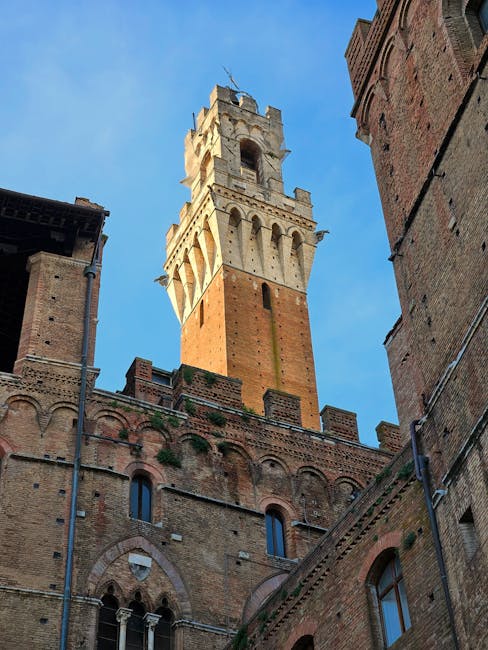
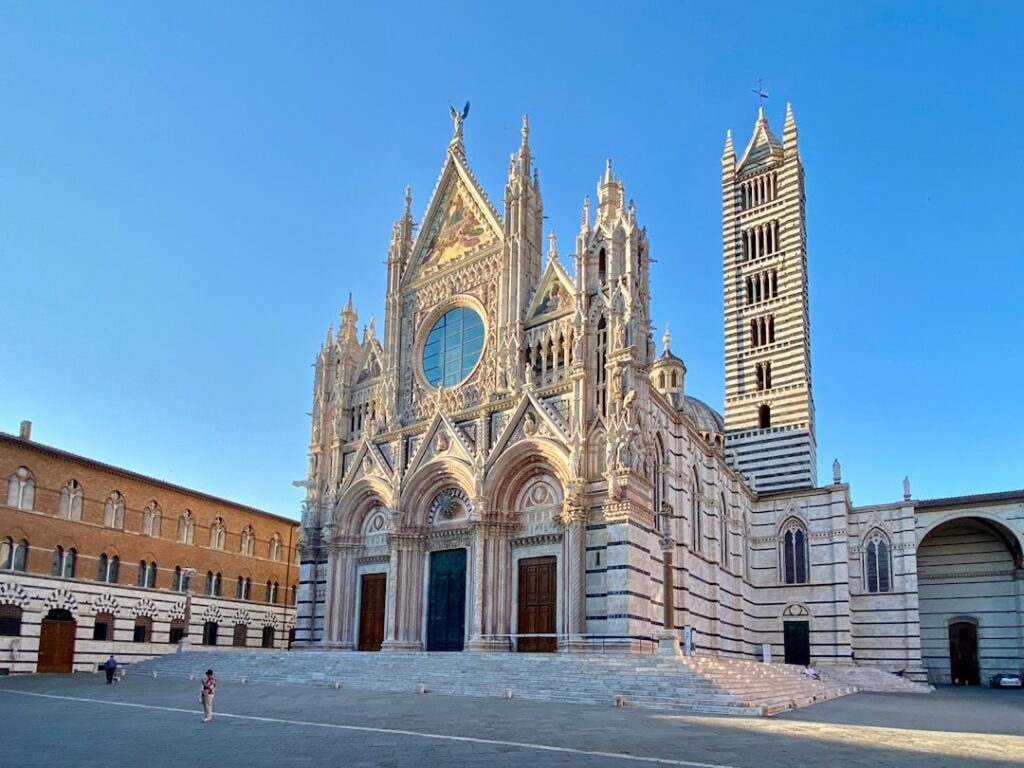
Siena’s layout encourages aimless, nose-in-the-air walks that naturally lead to tastings. Landmarks you’ll pass include the Cattedrale di Santa Maria Assunta (Duomo di Siena) on Piazza del Duomo, 8 — just minutes from the enoteca quarter — and the Palazzo Pubblico e Museo Civico on Piazza del Campo, 1, where civic history meets local food traditions. Visitors can easily alternate cultural stops and wine breaks, all within a medieval setting.
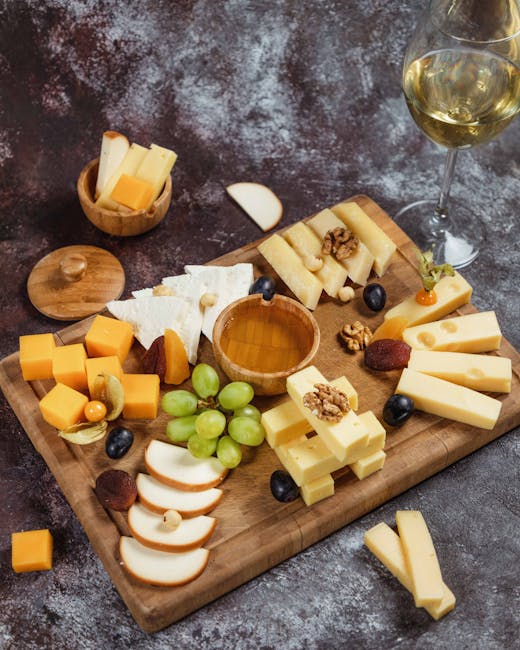
The wine culture is also evident in specialist shops offering expert advice, and in markets and restaurants that highlight local pairings: pici al ragù, crostini neri or pecorino cheesecake will pair differently depending on the Sangiovese style (fruit-forward, more tannic, oak-aged, etc.). The warmth of Tuscan hosts and the helpfulness of local sommeliers make conversation and learning simple: tasting a wine in Siena often means chatting with the winemaker, shop owner or server about terroir, vintage and farming choices.
Finally, Siena regularly hosts wine events like masterclasses, fairs and local editions of the Slow Wine Tour. These give access to producers you might not meet otherwise, and the chance to taste exceptional wines at reasonable tasting prices. In short, Siena is a full-on gateway to the variety and soul of Tuscan wines, combining monumental heritage and sensory experiences.
Where to Taste in Siena: Key Spots, Opening Hours, Prices and Descriptions
Siena offers several tasting spots within easy walking distance of Piazza del Campo. Here’s a curated list of must-visit places with exact addresses, opening hours and price ranges so you can plan ahead.
Enoteca Italiana
Address: Fortezza Medicea, Viale Vittorio Emanuele II, 3, 53100 Siena SI.
Opening hours: Tuesday to Sunday, 10:00–19:00 (closed Mondays) — hours may change by season or special events.
Prices: guided tastings from €10 (1 glass), tasting packages 3 glasses for €25, themed workshops (1h30) from €35 per person. Entry to the building is free; temporary exhibitions occasionally charge €5–10.
Housed in a restored fortress, Enoteca Italiana is one of Siena’s main wine hubs. Here you can taste selected Tuscan wines with explanations about grape varieties and vintages. The spaces are bright and set up for learning: high tables, informational panels and storage cellars. Workshops are often led by certified sommeliers and cover themes like Chianti wines, age-worthy bottles or cheese-and-wine pairings.
Osteria Le Logge and Enoteca Il Picchio
Osteria Le Logge address: Via del Porrione, 33, 53100 Siena SI.
Enoteca Il Picchio address: Via Matteo Palmieri, 3, 53100 Siena SI (indicative location in the historic centre).
Opening hours: downtown restaurants and enotecas typically open 12:00–15:00 and 19:00–23:00; Enoteca Il Picchio may be open 10:00–22:00 for casual tastings.
Prices: glasses from €5–8, charcuterie and cheese boards €8–18, tasting menus €30–60 depending on the restaurant.
For a more gastronomic tasting, some osterie and restaurants offer curated food-and-wine pairings. Osteria Le Logge, for instance, boasts a well-stocked cellar and servers trained to match wines to a meal. Enoteca Il Picchio operates like a wine bistro: friendly service, small plates of local products and the option to buy bottles to take home.
Mercato delle Erbe and specialist shops
Address: Via del Capitano, 44, 53100 Siena SI (locations for temporary markets vary).
Opening hours: morning local markets; shops generally open 09:30–19:30 (seasonal variation).
Prices: informal tastings €5–15 depending on the producer; product hampers €12–30.
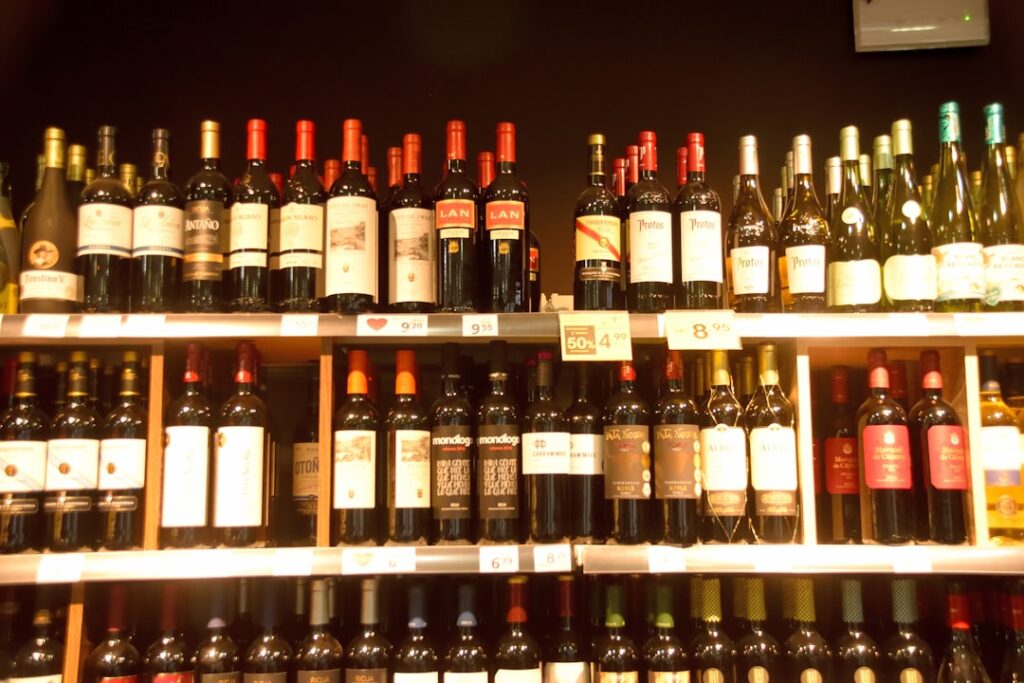
Food markets and independent shops round out the tasting scene: they sell local wines by the glass or bottle, plus complementary products (olive oil, pecorino, cured meats). Stallholders often give excellent buying advice and sometimes offer free samples to help you decide.
Click here to book a historic-centre wine tasting tour
Wineries and Day Trips Around Siena: Routes, Addresses and Prices
To deepen the experience, plan a half- or full-day trip into the nearby vineyards. Several wineries close to Siena offer tours and tastings with English- or French-speaking guides by appointment. Here are typical excursions with route examples, addresses and price ranges.
Chianti Classico outing — Estates and agriturismi
Typical route: Siena → Greve in Chianti → Castellina in Chianti → estate visit + tasting.
Example partner estate: Tenuta di Castellina (generic name for the route — book ahead; exact addresses vary by producer).
Duration: 4–6 hours.
Prices: organized group tours €45–90 per person; private tours €120–300 depending on inclusions (transport, meal, 3–6 wines).
Chianti Classico is known for lively Sangiovese wines that pair beautifully with Tuscan cuisine. Estates usually offer a tour of the vineyards, cellar and storage rooms, followed by a guided tasting. Options with a farmhouse lunch let you enjoy food-and-wine pairings in a rustic setting.
Click here to book a Chianti tour with tastings
Montalcino route — Brunello di Montalcino
Typical route: Siena → Montalcino → winery visit (e.g. Antinori, Caparzo or small family cellars) → tasting.
Duration: 6–8 hours (round trip).
Prices: winery visit + tasting at a prestigious cellar €30–80; private and vertical tastings €100–250.
Montalcino is the home of Brunello, a powerful, age-worthy wine. Visits often include a historical introduction, a walk through the vineyard parcels and several tasting stages: young, mature and reserve vintages. The rolling roads provide memorable views and plenty of photo stops.
Click here to book a Brunello di Montalcino day trip with lunch
Practical tips for day trips
- Booking: Book at least 48–72 hours in advance during high season (April–October); some wineries ask for a week’s notice.
- Transport: Rent a car or join an organized tour; don’t drive after tasting. Private transfers are convenient but pricier.
- Language: Request a French-speaking guide if needed, or choose estates that list spoken languages on their sites.
- Clothing: Closed shoes for vineyard walks; layer up for temperature swings in cellars.
- Buying bottles: Ask about export limits to your country and whether the cellar offers international shipping.
Wine Courses in Siena: Programs, Levels and Prices
Siena offers multiple course formats for all skill levels: from beginner introductions to advanced training for professionals. Courses are hosted by enotecas, specialised schools, associations like the Associazione Italiana Sommelier (AIS) or independent sommeliers. Here’s a breakdown of typical offers, with practical examples and prep tips.
Short formats and discovery workshops
Typical content: 1h30–2h, 3–6 wines, introduction to basic techniques (sight, smell, taste), tasting vocabulary.
Indicative price: €30–60 per person.
Audience: perfect for tourists wanting quick, useful reference points they can use straight away.
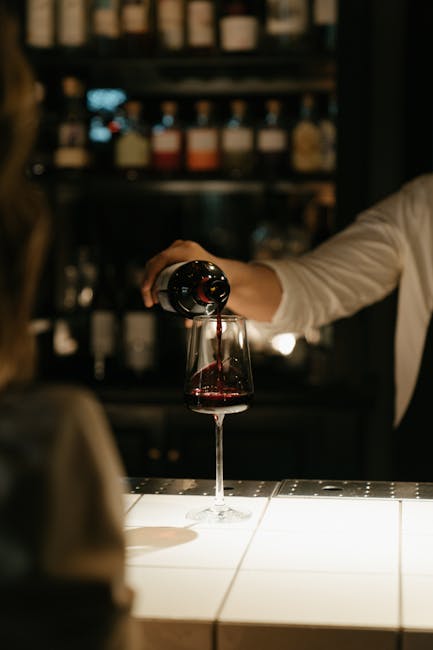
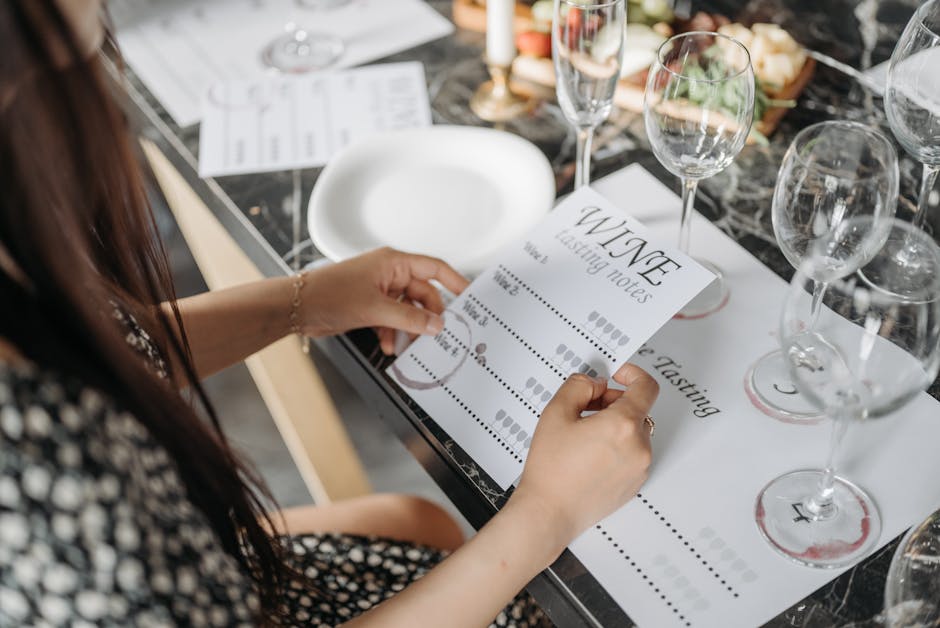
These workshops are ideal for an informative break between visits. They often take place in enotecas like Enoteca Italiana, urban cellars or restaurants. The vibe is convivial: each attendee gets a sheet describing the wines, and tastings are accompanied by explanations about grape varieties, soils and ageing methods.
Click here to book an educational visit and tasting in Siena
Certification programs and in-depth courses
Typical content: multiple-module courses covering wine history, viticulture, oenology, service and food-and-wine pairing. Some courses lead to local or national certification (e.g. AIS, WSET — Wine & Spirit Education Trust).
Duration: from several weeks to several months depending on level.
Indicative price: €250–1200 depending on the qualification and length.
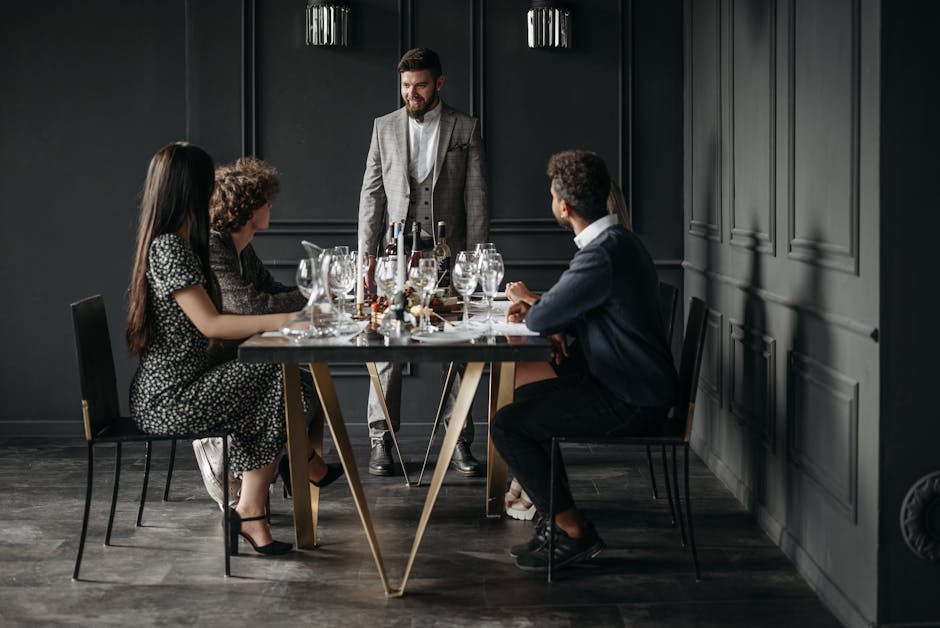
If you’re considering a career in wine or want a structured training path, a certifying program makes sense. WSET is often available through accredited centres in Tuscany; AIS runs regional courses with exams. These programs demand more commitment but deliver solid knowledge and professional recognition.
Tips for choosing the right course
- Define your goal: casual introduction, technical deep-dive, or professional certification.
- Check languages: make sure the course is offered in English or French if needed.
- Group size: small groups (6–12 people) usually mean better hands-on learning.
- Ask for the syllabus: number of wines tasted, materials provided, any cellar visits included.
- Equipment: some courses supply tasting sheets and ISO glasses; others may charge extra.
Immersive Experience: A Typical Wine Day in Siena
To help you picture a real day, here’s a sample itinerary mixing heritage and wine, with addresses and estimated costs.
Morning: visit the Duomo di Siena (Cattedrale di Santa Maria Assunta), Piazza del Duomo 8, 53100 Siena SI. Typical opening hours 10:00–19:00, entry €8–15 depending on which sections you visit. Then stroll to Piazza del Campo for a quick coffee at Bar Il Campo (coffee €1–3).
Midday: light lunch and your first tasting at Enoteca Italiana, Fortezza Medicea, Viale Vittorio Emanuele II, 3. Lunch + 3-wine pairing: around €30–50 per person. Book ahead to secure a table.
Afternoon: head into Chianti Classico (book with a local operator or rent a car). Estate visit + tasting: €45–80 depending on the winery. Return to town late afternoon for gelato in the historic centre.
Click here to book a Chianti vineyard visit with lunch
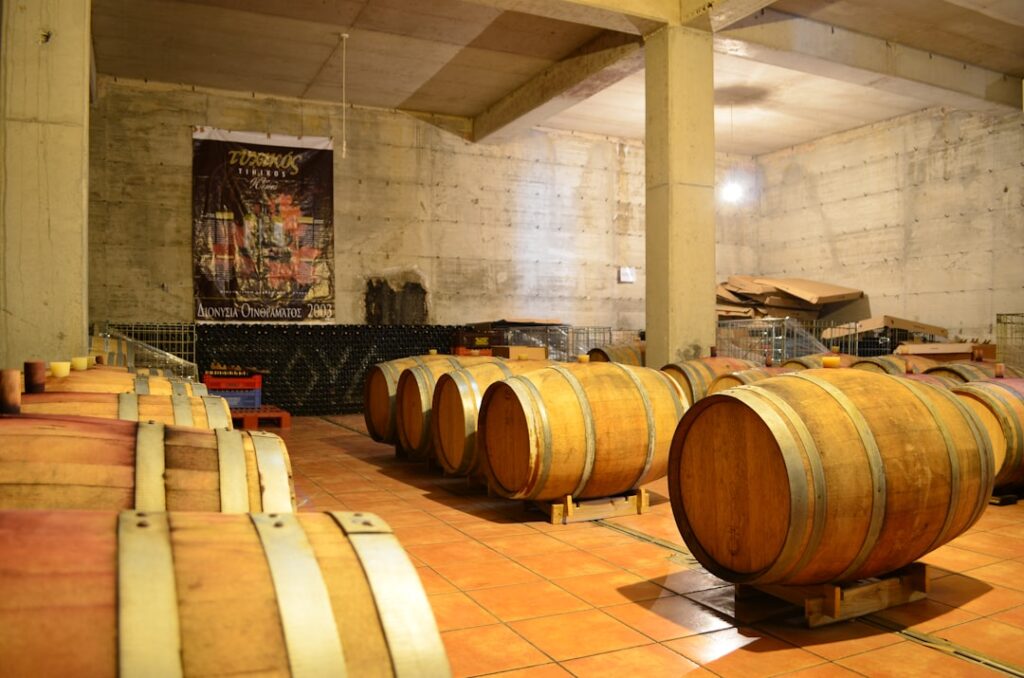
Evening: a short wine course at an enoteca or a food-and-wine tasting dinner at Osteria Le Logge (tasting menu €35–60). Finish with a moonlit walk on Piazza del Campo, the medieval atmosphere lending itself to a final chat about the day’s wines.
- Typical daily budget: €80–200 per person depending on tours and meals you choose.
- Booking: essential for wineries and workshops; recommended for restaurants.
- Transport: in town you’ll walk most places; for vineyards, book transfers if you want to taste worry-free.
Conclusion
Siena delivers a rich, flexible wine experience suitable for all types of travellers: from the curious visitor who wants three well-explained wines between monuments, to the aspiring pro seeking formal certification. Thanks to its location, the city is a great jumping-off point to explore Chianti Classico, Montalcino and Montepulciano without losing the charm of medieval streets and historic squares like Piazza del Campo and the Duomo di Siena. Between historic enotecas, friendly workshops and renowned wineries nearby, you’ll find offers for every budget — tastings from around €10 and more in-depth experiences from €30–120 depending on the format.
To make the most of your stay, book winery visits and wine courses in advance, especially in high season (April–October); check opening hours (many places close certain Mondays or reduce hours off-season) and plan transport for trips outside the city if you plan to taste freely. Bring a notebook to jot down impressions — Tuscan wines are rich enough to deserve a record — and don’t be shy about asking producers and sommeliers questions: their knowledge and sense of place will deepen your understanding.
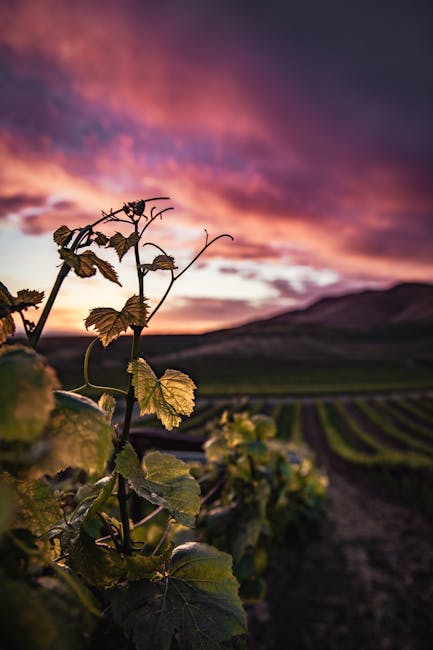
Beyond practical details and numbers, remember that tasting in Siena is first and foremost a sensory and human experience: rolling landscapes, golden light over the vines, warm hosts and a wine tradition you can read in every sip. Whether you’re after pure tasting pleasure or building professional skills, Siena will give you memorable moments — and a few great bottles to take home.