





INTRODUCTION
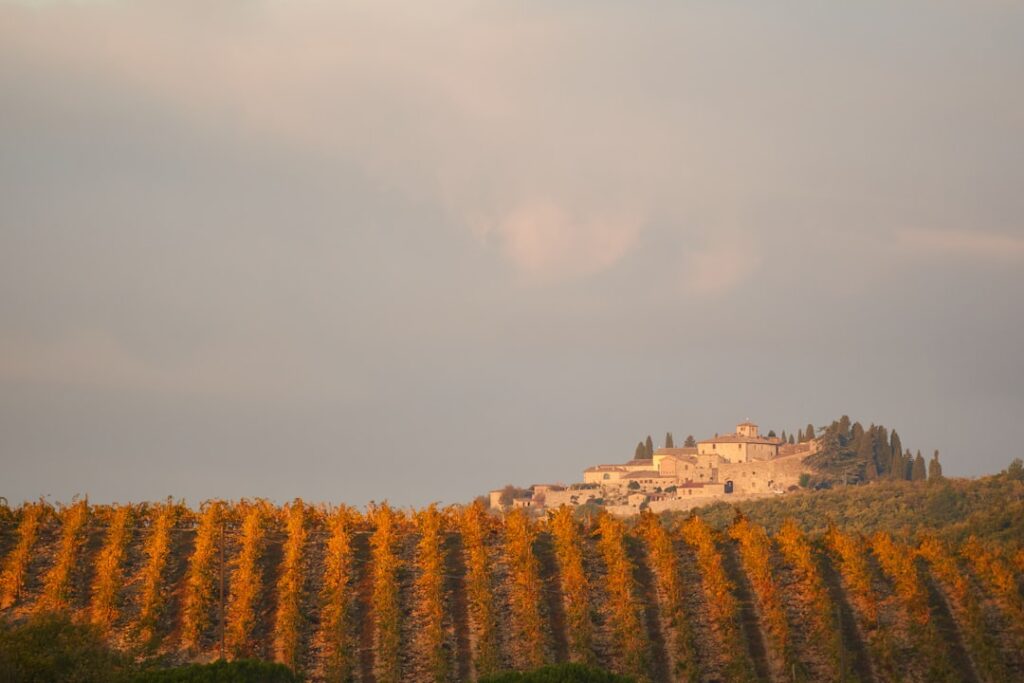
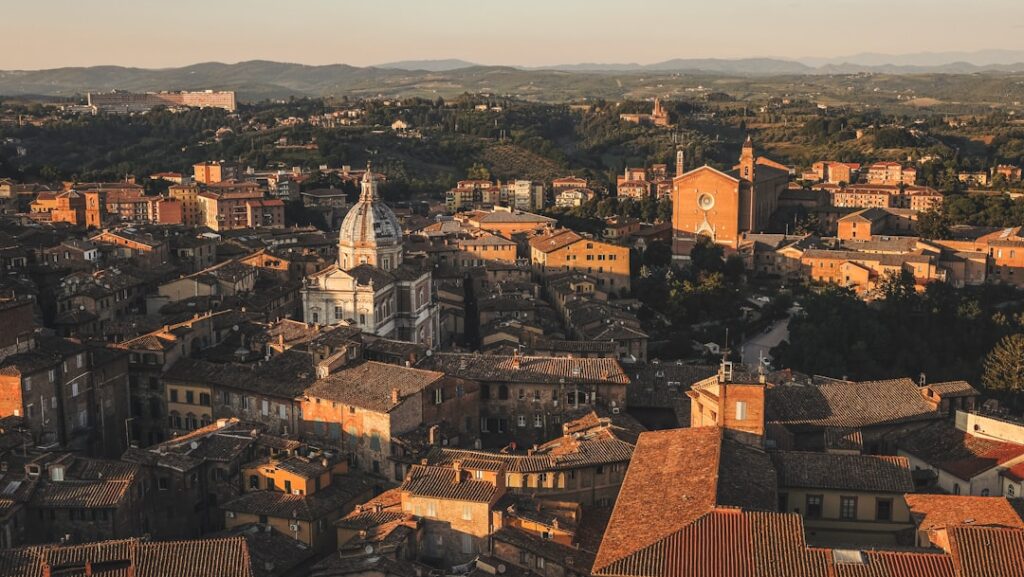
Perched on ochre hills in the heart of Tuscany, Siena is more than a historical stop — it’s the gateway to a sensory landscape where history, food and wine are woven together. Famous for its shell-shaped Piazza del Campo and its medieval rivalry still alive during the Palio, the city makes an ideal starting point for exploring the Chianti Classico region between Siena and Florence. This wine route is not just a series of estates: it’s a journey through vine-sculpted panoramas and cypress-lined roads, castles that tell centuries of harvests and occupations, and cellars where winemaking craft is passed down through generations.
In this guide I offer a detailed itinerary around Siena, highlighting must-see sights — the Siena Cathedral (Duomo di Siena), Torre del Mangia, Santa Maria della Scala — and emblematic Chianti Classico wineries like Castello di Brolio, Marchesi Antinori (Antinori nel Chianti Classico) and Castello di Ama. For each place you’ll find exact addresses, typical opening hours, indicative prices in euros, immersive descriptions to prep your visit, and practical local tips: reservations, driving the hilly roads, parking and tasting etiquette.
Whether you’re a seasoned oenophile, a curious wine-lover or a traveler craving landscapes and authenticity, the Siena–Chianti route is both accessible and full of surprises. Allow at least two full days to combine Siena with a first Chianti loop; three to four days will let you explore more wineries, dine in typical osterie and join harvest activities (in season) or blending workshops. This article aims to turn your Tuscan escape dream into a concrete, memorable travel plan.
A few practical notes before we start: the best times to travel are spring (April–June) and autumn (September–October) for the light, mild temperatures and harvest windows. Avoid the hottest hours in summer for cellar visits and wear comfortable shoes for Siena’s cobbled streets. Wineries often require reservations for tastings; some sites offer food-and-wine pairings, which are a great way to contrast Chianti Classico, Riserva and single-varietal expressions. Ready to lift the veil on Siena and Chianti? Let’s go.
 Click here to book a Siena, San Gimignano & Chianti day trip
Exploring Siena: monuments, museums and medieval atmosphere
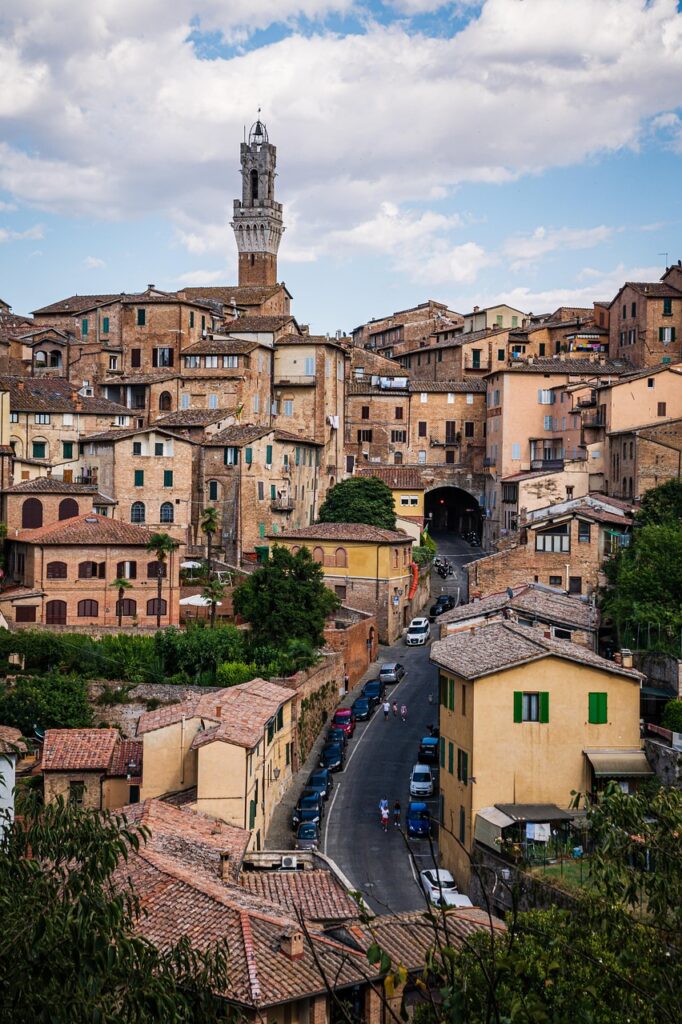
Siena is an open-air museum; its hilly layout and medieval lanes invite complete immersion. Start at Piazza del Campo (Piazza del Campo, 53100 Siena SI, Italy), the city’s beating heart. This shell-shaped square is lined with medieval palazzi, historic cafés and the Palazzo Pubblico. It hosts the Palio di Siena twice a year (July 2 and August 16), a legendary horse race that draws both visitors and locals. Strolling the Piazza del Campo at dawn, before the crowds arrive, gives you a soft light on brick and cobbles.
Right next to it stands the Palazzo Pubblico and the Torre del Mangia (Piazza del Campo, 1, 53100 Siena SI, Italy). Climbing the Torre del Mangia — the 14th-century civic tower — rewards you with a spectacular panoramic view over Siena and the surrounding countryside. Address: Torre del Mangia, Piazza del Campo, 1, 53100 Siena. Hours: usually 10:00–19:00 (varies by season). Price: around €10 for entry (indicative). Tip: arrive early to avoid the line and keep in mind the staircase is narrow and can be slippery.
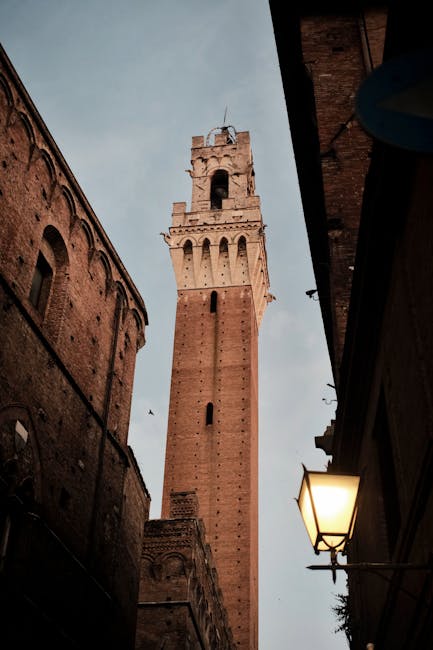
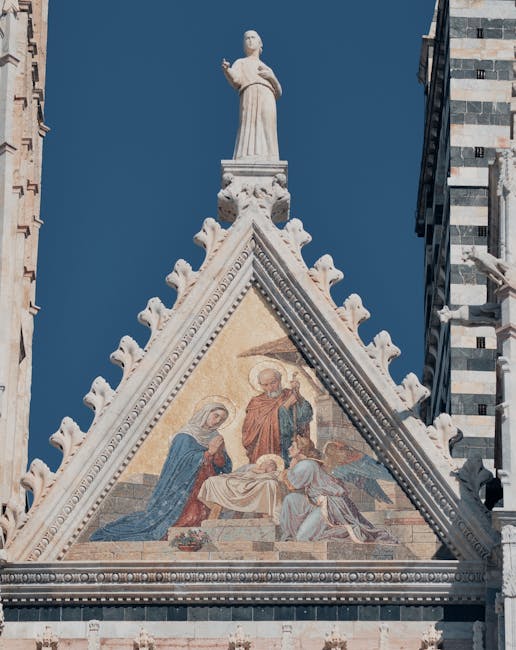
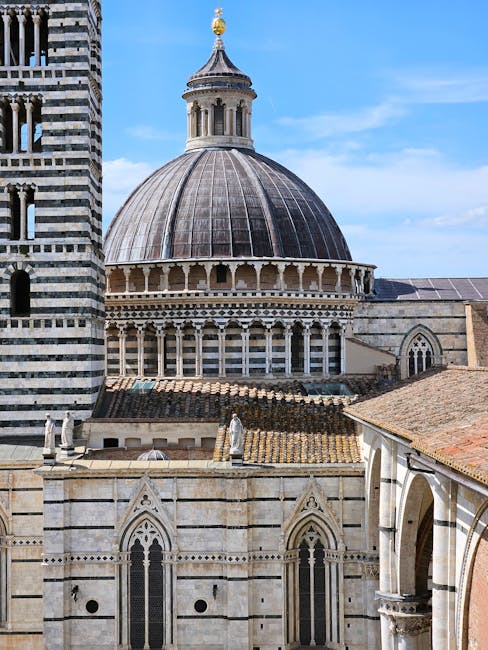
The Siena Cathedral, Duomo di Siena (Cattedrale di Santa Maria Assunta), sits on Piazza del Duomo, 8, 53100 Siena SI, Italy. Address: Piazza del Duomo, 8, 53100 Siena. It’s a masterpiece of black-and-white marble adorned with mosaics, sculptures and works by masters like Donatello and Pisano. Hours: 10:00–19:00 (sometimes closed for religious services); Price: combined Duomo + Museo dell’Opera del Duomo + Baptistery and Piccolomini Library tickets are roughly €8–€15 depending on the route chosen. Don’t miss the Piccolomini Library with its colorful frescoes, and the elaborately decorated pavement (pavimento), which is sometimes covered to protect it.
Nearby is Santa Maria della Scala (Piazza Duomo, 2, 53100 Siena SI, Italy), a former medieval hospital now transformed into a museum and cultural center. Address: Santa Maria della Scala, Piazza Duomo, 2, 53100 Siena. Hours: 10:00–18:00 (check for exhibition-specific times). Price: approx. €8–€12. The institution offers a museum route combining archaeology, sacred art and historical hospital objects, with underground rooms and impressive frescoes. In the afternoon, wander the lanes around the Duomo where local craft shops sell ceramics, leather and gourmet products.
For a peaceful moment, visit the Museo dell’Opera del Duomo (Piazza del Duomo, 9, 53100 Siena). Address: Museo dell’Opera del Duomo, Piazza del Duomo, 9, 53100 Siena. Hours: 10:00–18:00; Price: included in the combined ticket or around €5–€8. The museum preserves original sculptures from the Duomo and architects’ drawings. Finish the day with an aperitivo in a typical osteria like Osteria Le Logge (Via del Porrione, 33, 53100 Siena), where you can sample charcuterie, pici (local pasta) and a glass of Chianti Classico.
Click here to book your ticket for Siena Cathedral
The Chianti Classico wine route: itinerary and wineries you can’t miss
Chianti Classico sits within a natural triangle between Florence and Siena. For a first loop from Siena, take the SP408 toward Castellina in Chianti, then continue to Radda and Gaiole in Chianti — this trio makes up the core villages surrounded by vineyards and historic stops. Distances aren’t long, but the winding roads call for caution and calm. Driving slowly lets you admire the vineyards, olive groves and cypress trees, and spot signs for cantine (wineries) that open their doors for tastings.
A must-stop is Castello di Brolio (Via Brolio, 1, 53013 Gaiole in Chianti SI, Italy), the Ricasoli family estate since the 12th century. Address: Castello di Brolio, Via Brolio, 1, 53013 Gaiole in Chianti. Hours: guided tours generally 10:00–17:00; Price: tours and tastings around €15–€25 per person (depending on package). The castle visit often includes gardens, the wine museum and a tasting of Ricasoli’s Chianti Classico. The atmosphere is undeniably romantic — ancient walls, panoramic terraces and vaulted cellars.
Click here to book a Chianti & castles minibus tour
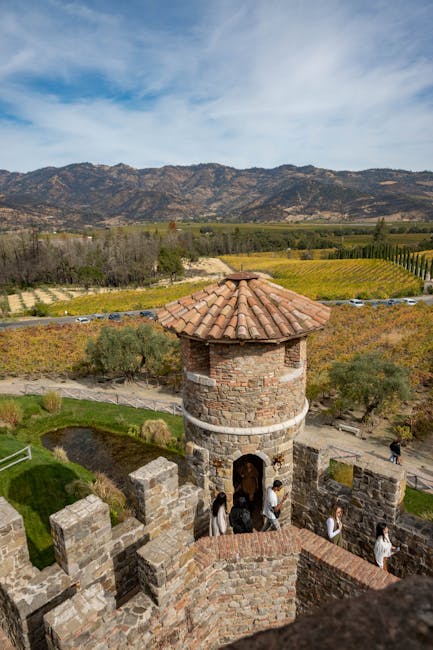
Nearby, the Marchesi Antinori estate (Antinori nel Chianti Classico) is a contemporary temple to wine. Address: Antinori nel Chianti Classico, Via Cassia per Siena, 133, 50022 (Barberino Tavarnelle) FI, Italy. Hours: visits by reservation, generally 11:00–18:00; Price: tastings and architectural tours around €25–€40. The building, designed by Archea Associati, blends glass and stone and offers a modern tasting experience with a shop and a restaurant. Tours are often led by a sommelier and require online booking.
Another standout is Castello di Ama (Località Ama, 53013 Gaiole in Chianti SI, Italy), known for integrating contemporary art into the vineyard and for expressive wines. Address: Castello di Ama, Località Ama, 53013 Gaiole in Chianti. Hours: visits and tastings by reservation, usually 10:00–17:00; Price: €20–€35 depending on the program. The owners have installed artworks across the estate, making the visit both oenological and aesthetic. Tastings, often paired with small bites, highlight the balance between tannin and the bright acidity typical of local Sangiovese.

Practical tips for the route: book tastings at least 48 hours ahead in high season. Arrange a designated driver or private transfers for tasting days if you plan to drink. Wineries mostly accept cards, but it’s handy to carry a few euros in cash. Most estates sell bottles to take home — use rigid packaging if you’re flying.
Tastings & pairings: understanding Chianti wines and where to enjoy them
Chianti isn’t a single style but a mosaic of terroirs and approaches. Chianti Classico, marked by the Gallo Nero (black rooster) seal, is made mainly from Sangiovese (often 70–100%), sometimes blended with Canaiolo, Colorino or small amounts of international varieties. Chianti Classico Riserva undergoes longer aging, showing rounder tannins and more evolved aromas (plum, tobacco, leather).
At tastings, start with the look: ruby to garnet hues, then the nose where red fruit, spice, floral and sometimes balsamic notes unfold. On the palate, seek balance between acidity, tannin and alcohol — the liveliness of Sangiovese is Chianti’s signature. For practical pairing ideas, here are typical matches:
- Bistecca alla fiorentina (Florentine steak): Chianti Classico Riserva, powerful but balanced.
- Pici al ragù (local pasta): younger, fruit-forward and lively Chianti Classico.
- Aged cheeses, Tuscan pecorino: more tannic, structured wines.
- Charcuterie (salami, prosciutto): base Chianti Classico, served slightly cool.
Winery tastings usually follow a routine: welcome, tour of facilities, tasting of several cuvées (often 3–6), sometimes with small bites. Indicative prices: standard tasting €10–€20, premium tasting €20–€50 including rare bottles or vertical flights. Estates like Castello di Brolio and Antinori offer more comprehensive paid experiences, sometimes combined with a meal. It’s recommended to ask if you can buy bottles after tasting — estate prices are often better than in town.
Tasting tips: have a bottle of water and neutral bread to cleanse the palate; avoid strong perfumes that mask aromas; ask the sommelier about the vintage, aging and cellaring advice. If you buy bottles, note the recommended storage temperature and check airline rules for transporting liquids. Local sommeliers often speak English, but a polite hello in Italian (Buongiorno, Grazie) is always appreciated.
Click here to book a wine & olive oil tasting
Villages, osterie and extra activities to round out your stay
Beyond wineries, Chianti’s villages add charm to the route. Castellina in Chianti (Piazza Matteotti, 53011 Castellina in Chianti SI, Italy) and Radda in Chianti (Piazza Ferrucci, 53017 Radda in Chianti SI, Italy) have picturesque lanes, delis and osterie for local specialties. Greve in Chianti (Piazza Matteotti, 1, 50022 Greve in Chianti FI, Italy) is known for its circular square and Sunday farmers’ market.
For lunch or dinner, favor osterie and trattorie where dishes are built to accompany wine: Osteria Le Panzanelle (Via di San Martino, 8, 53100 Siena) in Siena for home-style cooking, or La Cantina del Gallo Nero (Via Giacomo Matteotti, 12, Greve in Chianti) for charcuterie boards and pici. Prices vary: a typical osteria meal €20–€35 per person excluding wine; tasting menus at winery restaurants €40–€80.
Side activities: blending workshops to learn how to mix Sangiovese with other varieties, e-bike tours through the vineyards, Tuscan cooking classes — often offered by estates or local schools. For a cultural highlight, visit the Abbey of San Galgano (Sp 71, 53040 Chiusdino SI, Italy), a ruined Cistercian abbey with a haunting, mystical vibe.
Click here to book an e-bike Chianti tour
Click here to Book a Tuscan farm cooking class
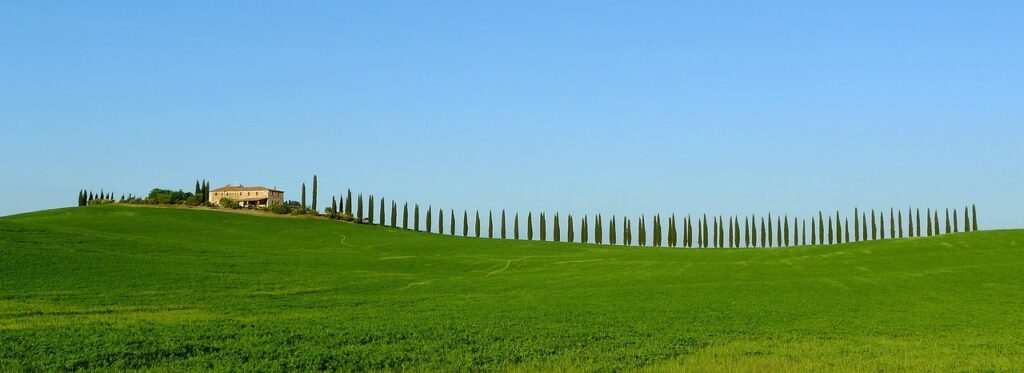
Local logistics tips: for accommodation, opt for agriturismi (farm stays) like Agriturismo La Poggiolina in Castellina or charming relais around Radda — nightly rates typically €80–€200 depending on season. Book restaurants for dinner, especially in summer evenings. If you rent a car, choose a small city car; Siena’s medieval streets and local roads can be narrow. For parking, Siena has paid peripheral lots (e.g. Parcheggio Il Campo – Piazzale Gramsci) — around €1–€2 per hour.
Detailed practical tips and safety for a smooth trip
Planning a trip in the Siena–Chianti area requires a few simple but essential precautions. First, reservations are key: estates, restaurants and special visits (Torre del Mangia, Duomo tours, Antinori) often require advance booking, especially in high season (May–September). Aim to secure your time slots at least 48–72 hours in advance to guarantee availability.
Transport and driving: driving in Tuscany is generally pleasant but calls for adaptation. Local roads (SP) can be narrow and winding; respect speed limits and be ready for tractors or slow vehicles. Pay attention to the ZTL (limited traffic zones) in Siena: if you park downtown, watch signs and cameras — many central streets are off-limits to unauthorized cars. Use designated car parks and walk into the center.
- Insurance & documents: ensure the vehicle’s insurance is up to date and carry an international driving permit if needed.
- Money & payment: major cards accepted but small shops sometimes prefer cash.
- Language: Italian is the local language; English is common at wineries and hotels, but learning a few basic Italian phrases is a plus.
- Season & weather: spring and autumn offer the best combo of temperature and light; in summer bring sun protection and stay hydrated.
- Local respect: in cellars, don’t touch barrels without permission; in churches, observe dress codes.
Health & safety: most estates follow strict hygiene standards; however, if you have food allergies, inform them before tastings or meals. For sustainable travel, favor local producers, pack food souvenirs properly and respect trails and landscapes to help preserve the area’s beauty.
Click here to Reserve an exclusive Duomo morning visit
CONCLUSION
Siena and Chianti make a complementary duo that delivers a full Tuscan experience: Siena’s refined history and architecture, and Chianti Classico’s vineyards, castles and flavors. Following the suggested route — visiting highlights like the Cattedrale di Santa Maria Assunta (Duomo di Siena), Torre del Mangia and Santa Maria della Scala, then immersing yourself in estates such as Castello di Brolio, Antinori nel Chianti Classico and Castello di Ama — lets you live the culture, art and science of wine. Each listed place includes addresses, general hours and indicative prices: remember these can change with season and special events. Check official sites before you go and book visits and tastings in advance.
This trip is more than a sequence of stops: it’s a succession of emotions, scents and textures — the crunch of Tuscan bread, the precise acidity of a young Chianti Classico, the softness of a barrel-aged Riserva, the feel of Siena’s cobbles beneath your feet. Whether you choose an immersive weekend or a longer stay, pace yourself: a morning wandering museums, an afternoon tasting in a castle, an evening in an osteria over a shared glass. Don’t forget the small practicalities that make travel easier: book ahead, designate a sober driver, pack comfy clothes and a basic first-aid kit, and leave room for spontaneous discoveries.
Finally, give yourself time to do nothing: watch the low light on the hills at dusk, read a postcard from a terrace, chat with a winemaker about his favorite vintage. Those unplanned moments are often the most precious. Buon viaggio — and cheers! Enjoy every sip, every lane and every Tuscan smile.