





INTRODUCTION
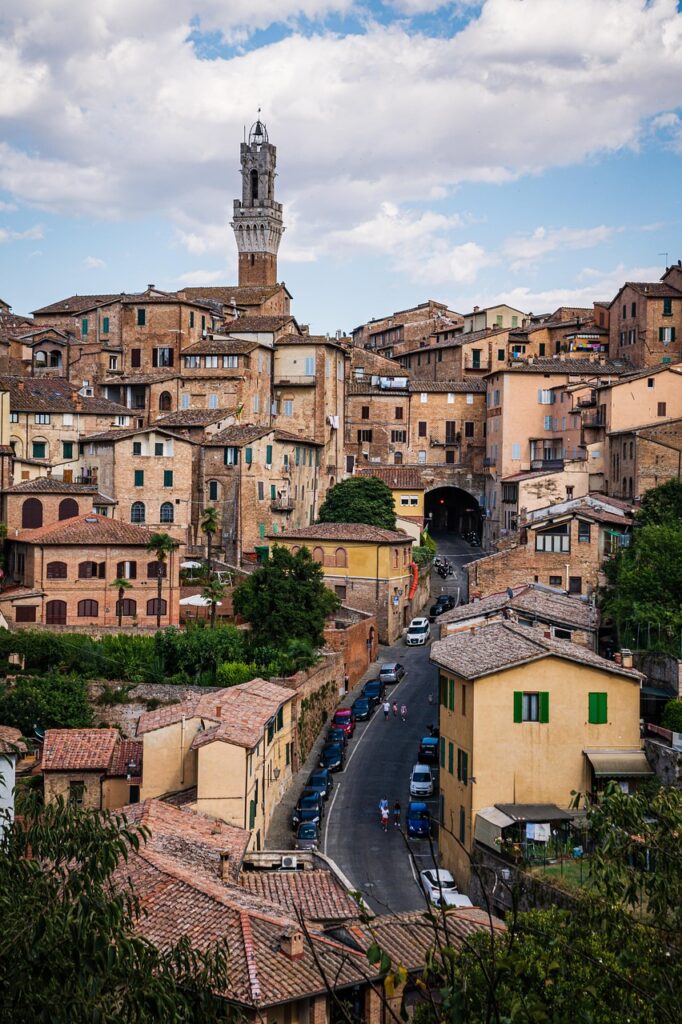
Siena is a city you savor as much as you sightsee. Perched on three Tuscan hills, this medieval town still preserves a maze of narrow streets — calli and vicoli — that hide culinary treasures. Around every corner you’ll catch the scent of warm bread, pastry displays, charcuterie counters, wine cellars and tiny osterie passed down through generations. A gastronomic stroll in Siena isn’t just about sitting in a restaurant: it’s a sensory hike across sun-warmed stone, religious frescoes and stoves simmering ribollita and pici al ragù.
This guide takes you through Siena’s gourmet alleyways, focusing on real places: exact addresses, opening hours and price ranges so you can plan your food-focused outings. Whether you want a morning cappuccino facing Piazza del Campo, a cantuccini from a century-old pastry shop, to climb the Torre del Mangia after a light lunch, or to descend into an enoteca for a Brunello tasting, each stop is described with sensory detail and practical tips.
Sienese cuisine is both rustic and refined: local products — Tuscan olive oil, goat cheeses, cinta senese pork, legumes for ribollita — come together into simple but powerful dishes. At the same time, the contemporary scene is full of creative osterie reinterpreting tradition. The often-cobbled lanes call for good shoes; opening hours vary with the season and the Palio (July 2 and August 16) changes the rhythm — some streets become the behind-the-scenes bustle for the contrade.
In this feature you’ll find routes and precise addresses: piazzas, pastry shops, taverns, enoteche and small markets. Each entry includes typical opening hours and price brackets in euros so you can budget. You’ll also find local tips — how to bargain for a takeaway portion, how to spot a daily menu, which dishes to avoid if you have allergies. I’ve added visual markers to help imagine the scenes and prepare your shots
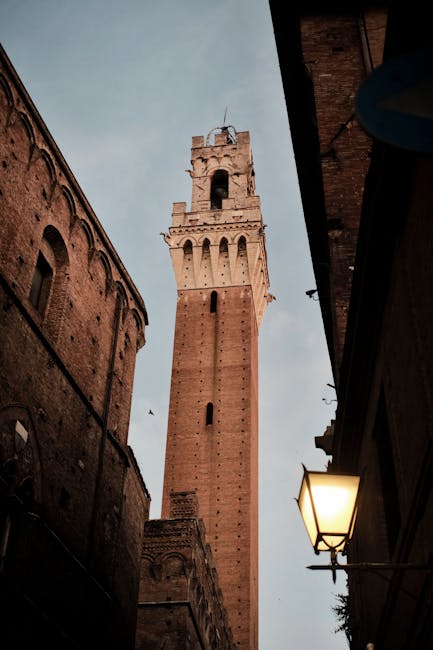
for you to picture the moments and plan your photos.
Get your appetite ready: Siena’s gourmet alleyways invite you to slow down, chat with artisans, take a second helping and let time reveal the flavors. Here’s a detailed tasty itinerary, designed for both food lovers and curious travelers.
Alleys around Piazza del Campo: Siena’s Gourmet Heart
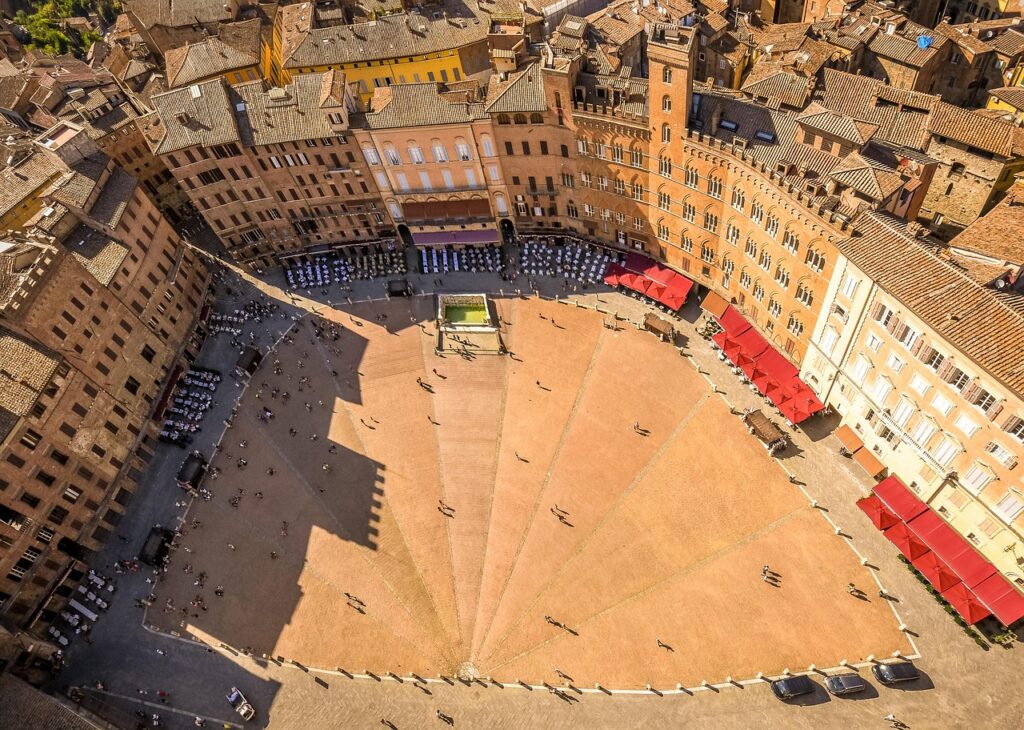
Piazza del Campo (Piazza del Campo, 53100 Siena) is the beating heart of Siena — a shell-shaped, semi-circular square where the Palio takes place. Streets fan out from the square like spokes and host numerous must-visit spots for your first taste of the city. Start early to see the square almost empty, then follow the aromas drifting from cafés and pastry shops.
A must-stop: Pasticceria Nannini (Via Banchi di Sopra 27/29, 53100 Siena). Hours: 07:30–20:00 (may close Sunday afternoon depending on season). Try Siena’s panforte and ricciarelli, local sweet specialties. Indicative prices: espresso €1.10–1.80, slice of panforte €3.50–6.00 depending on size, box of ricciarelli €8–15. The open kitchen lets you watch the biscuits being made; ask to see the baking for an authentic photo opportunity.
A stone’s throw away, Bar Il Palio (Piazza del Campo, 19, 53100 Siena) is perfect for a terrace coffee. Hours: 08:00–23:00. Prices: cappuccino €1.80–2.50, aperitivo €8–12. Note festival days: terrace prices can rise. Tip: to save around €0.50–1.00, have your coffee at the counter (al banco) instead of at a table, as locals do.
For a light lunch, head up Via di Città where small trattorie and delicatessens hide. For example, Antica Salumeria San Vincenzo (Via di Città 94, 53100 Siena) offers charcuterie and cheese boards and wine by the glass. Hours: 10:00–20:00 (closed Sunday afternoon). Prices: mixed board €12–20, glass of Chianti €4–7. Tip: ask for DOP products (Pecorino Toscano DOP) and a slice of finocchiona (local fennel salami).
The covered market near the piazza gathers stalls of vegetables, truffles and olive oil. If you visit Tuesday through Saturday, look for local producers selling extra virgin olive oil in small bottles (0.25–0.5 L, €6–18). Practical tip: ask for a small sniff test before buying and request a label indicating the category (IGP/extra virgin).
Finally, don’t miss Torre del Mangia (Torre del Mangia, Piazza del Campo 1, 53100 Siena). Climbing its roughly 400 steps gives panoramic views over the city roofs and the Tuscan countryside — a perfect cap to a meal. Hours: 10:00–19:00 (seasonal; may close in winter), fee about €8 to access. Be ready: no elevator and limited space at the top.
 Click here to book a wine tasting in the heart of Siena
The Duomo Quarter: Pastry Shops, Cheesemongers and Sacred Sweets
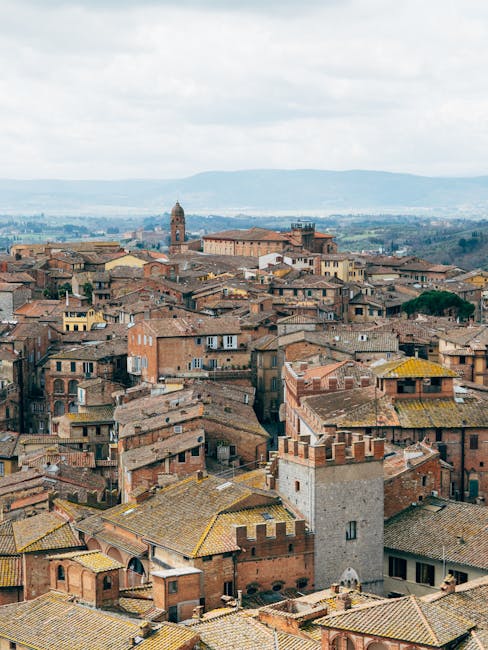
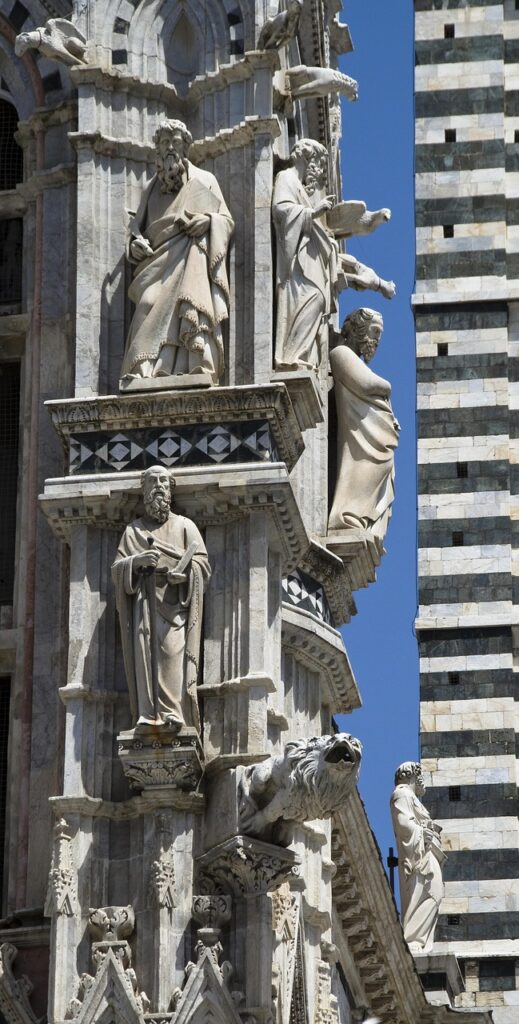
The area around the Duomo di Siena (Cattedrale di Santa Maria Assunta, Piazza del Duomo 8, 53100 Siena) is a maze of elegant streets where gastronomy meets sacred art. After visiting the cathedral — its black-and-white marble façade is a spectacle — spend half a day exploring the shops and artisans lining the lanes. Duomo address: Piazza del Duomo, 8, 53100 Siena. Cathedral hours: usually 10:30–19:00 (confirm for seasons and services); combined ticket Duomo – Baptistery – Museo dell’Opera del Duomo: about €8–12.
Right opposite the Duomo is Pasticceria Valentini (Via San Giuseppe 14, 53100 Siena), a temple of classic sweets. Hours: 08:00–19:30. Things to try: cantucci, panforte, schiacciata alla fiorentina (seasonal). Prices: coffee €1.20–2.00, box of biscuits €6–18. Plan a seated break: indulgence is best enjoyed while watching the Duomo’s façade from the street.
Click here to book your ticket for Siena Cathedral
For cheese lovers, head to Caseificio Fattoria di Colle (a small artisanal cheesemaker often present at the market near the Duomo). Market location: Piazza del Mercato, varies by season — check locally. Pecorino and fresh ricotta: €6–12. Tip: try a young pecorino lightly spread on a slice of unsalted Tuscan bread and ask the producer about the salting method — it’s one of the secrets of Sienese tradition.
If you’re after an immersive sweet experience, try a panforte workshop: some pastry shops run 60–90 minute sessions (€25–45 per person). Practical tip: book ahead, especially in high season. After the workshop, wander the lanes to discover lesser-known views of the Duomo: small squares, medieval frescoes and shops selling olive oil in pretty glass bottles.
Click here to book a traditional Tuscan cooking class
For an honest, cheap snack, look for focaccerie and small wine bars around Via dei Pellegrini. Many serve bruschette topped with local products for €4–8 each. Best time: 12:00–14:00 to avoid peak tourist crowds.
Enoteche and Wine Cellars: Tasting Tuscan Wines in the Lanes
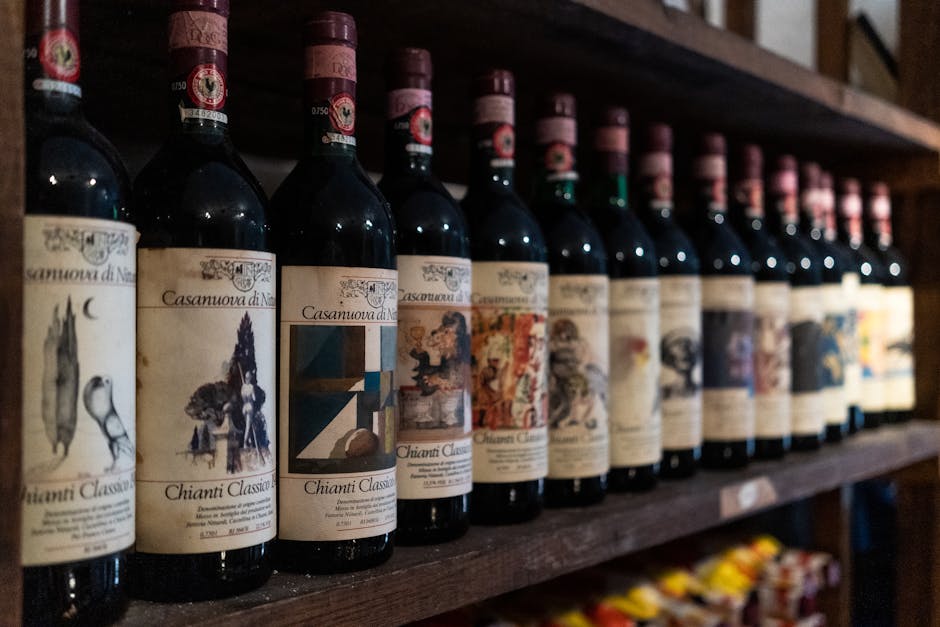
Siena is the perfect starting point to explore Tuscany’s wine palette: Chianti Classico, Brunello di Montalcino, Vino Nobile di Montepulciano. Enoteche (wine bars) and cellars tucked into the alleys offer informal or guided tastings, often paired with charcuterie and local cheeses.
A renowned address: Enoteca Italiana (housed in the Fortezza Medicea, Viale Vittorio Veneto, 53100 Siena). Hours: 10:00–19:00 (check for temporary closures due to events). Prices: guided tasting of 3 wines €12–25, glass à la carte €4–10. The enoteca also runs themed events and tasting workshops: reserve if you want a guided session.
In the historic center, look for small wine bars like Enoteca Le Logge (Via del Capitano 33, 53100 Siena) — note the name can be confused with an osteria; double-check the address before you go in. Typical hours: 12:00–14:30 and 18:30–23:00. Prices: glass of Chianti €5–8, tasting €15–30. Tip: ask for a local wine rarely exported (for example Vino Nobile di Montepulciano) to discover grapes full of character.
For a more intimate adventure, descend into a historic cellar like Cantina del Duca (a small cellar in a typical city basement; address varies — inquire at the Piazza del Campo tourist office). These places often offer wines by the glass and mid-range bottles: €18–40 for a quality mid-tier bottle. Practical tip: buy a bottle to enjoy later and ask if they provide a corkscrew and a space to drink it to go.
Important: tastings can feature robust wines often above 12–14% ABV. Stay hydrated and always pair tastings with food: bread, cheese or a slice of prosciutto crudo. If you plan to buy wine to take home, check shipping options or request special bubble wrap or a cardboard wine carrier for luggage safety.
Click here to book a major wine tasting in an Etruscan crypt
Click here to book a Chianti wine and olive oil tasting
Hidden Osterie and Trattorie: Top Spots for Sienese Cooking
Siena’s osterie are where culinary tradition truly shines. Rather than big tourist tables, choose small trattorie where the menu changes daily based on market supply. Here are some places to note (addresses and typical hours — calling ahead is advised).
– Osteria Le Logge (Via del Porrione 33, 53100 Siena). Hours: 12:30–14:30 / 19:30–22:30 (may be closed Sunday evenings depending on season). Typical menu: pici al ragù (thick local pasta), tagliolini with porcini mushrooms. Prices: starter €8–12, main €14–22, tasting menu €35–60. Reservation recommended.
Click here to book a guided food walk with a full meal
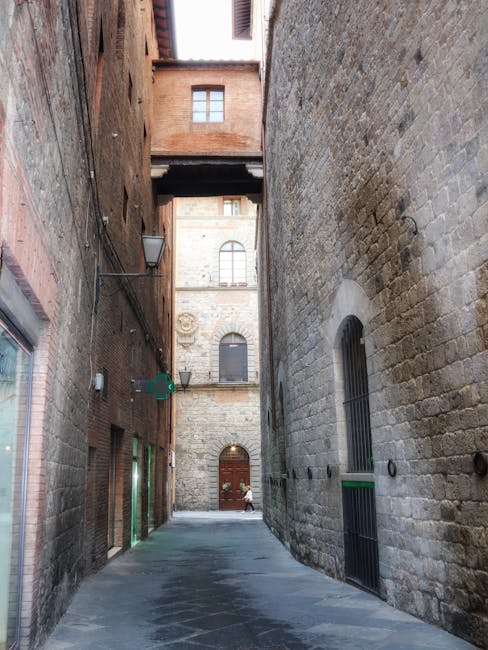
– La Taverna di San Giuseppe (Via Giovanni Dupré 132, 53100 Siena). Hours: 12:30–14:30 / 19:30–22:30. Specialties: trippa alla senese, seasonal wild boar (cinghiale). Prices: starter €7–12, main €15–28. Tips: it’s located in a vaulted basement — ask for a table by the cellar for atmosphere. Local trick: try the vin santo dessert if available (€8–12 per glass with cantucci).
– Antica Trattoria Papei (Via di Città 11, 53100 Siena — check the entrance from the main street). Hours: 12:00–14:30 / 19:00–22:30. Famous for family recipes and a medieval interior. Prices: antipasti €6–12, homemade pasta €12–18. Practical tip: portions are generous; share several dishes to taste more recipes.
Practical tips for dining in Siena’s lanes:
- Book in advance: many small osterie have few tables; in high season, booking 48 hours ahead is wise.
- Check the daily menu: dishes change with market supply; ask for the « piatto del giorno » (dish of the day).
- Local hours: lunch is often served 12:30–14:30, dinner 19:30–22:30. Some places close between 15:00 and 18:30.
- Smile and try Italian: a few words (« Buongiorno », « Per favore », « Grazie ») open doors and can sometimes earn an extra portion or a complimentary digestif.
Lastly, for an evening outing, look for the « aperitivo »: small bites and a glass of wine or spritz for €8–15. Nights are relaxed: guests linger, talk for a long time, and dishes come in a gentle rhythm. Bring curiosity and Tuscan patience — you’ll be rewarded with time-honored recipes and warm service.
Local Practical Tips for a Successful Food Experience
Exploring Siena’s gourmet lanes requires attention to local details. Here are practical tips to make the most of your visit, save money, and respect local customs.
– Payments and tipping: most places accept cards and cash. For a small counter coffee, pay in cash; for a meal, cards are usually accepted. Tipping: 5–10% isn’t mandatory, but leaving €1–2 per person or rounding up the bill is appreciated. Some restaurants add a « coperto » (cover charge) of €1–3 per person — check your bill.
– Hours and seasonal closures: many businesses close between 15:00 and 18:30. In August, some small shops close for a week or two. Palio days (July 2 and August 16) significantly affect hours and availability: some streets may be closed while crowds swell. Check official sites or call ahead.
– Transport and accessibility: the historic center is pedestrian and paved; wear comfortable shoes. Cars are rare and often restricted in the ZTL (limited traffic zone) — avoid entering without permission to prevent fines. Streets can be steep; travelers with reduced mobility should check access to sites (the Duomo, some trattorie may be in basements) in advance.
– Souvenirs to bring home: olive oil, wine (check packaging for travel), biscuits (panforte, cantucci), aged cheeses (e.g. pecorino). Ask for DOP/IGP certificates for quality products. For wine, request bubble wrap or a special carton to prevent breakage in your luggage.
– Local interactions: Sienese people are proud of their food heritage. Ask about recipes, products and seasonality; you’ll often get enthusiastic answers. Learn a few Italian phrases — exchanges will be warmer.
– Indicative daily food budget in Siena: breakfast (coffee/pastry) €3–8, simple lunch €10–18, wine tasting €12–30, dinner in an osteria €25–50 per person depending on drinks. For a comfortable day with tastings and a bottle of wine, plan €50–80 per person.
Click here to book an olive mill visit and tasting

CONCLUSION
Siena’s gourmet alleyways invite you to slow down and stay curious. Every intersection carries a culinary story, artisan hands and recipes that hold the memory of rural Tuscany. Walking Piazza del Campo, losing yourself in the Duomo quarter, descending into a cellar for a tasting or sitting in a vaulted taverna, you join a tradition that values product, sharing and know-how. This guide gave you precise addresses — Pasticceria Nannini (Via Banchi di Sopra 27/29), Osteria Le Logge (Via del Porrione 33), La Taverna di San Giuseppe (Via Giovanni Dupré 132), among others — along with hours and price ranges to plan your trip. Keep in mind that opening times vary with the season and local festivities: call or check online before you go.
Traveling for food in Siena means being open to surprises: a small bar might serve the best bruschetta of your trip, a discreet pastry shop could reveal the most authentic panforte, and a modest enoteca might introduce you to a wine you can’t find elsewhere. The practical tips — reserve ahead, favor counter service to save, ask for DOP/IGP products — will help you navigate this maze of flavors. And remember to respect the places: patience, politeness and a few Italian phrases often open kitchen doors and hearts.
Finally, leave room in your suitcase (and in your stomach) for specialties to bring home: olive oil, traditional biscuits and a good bottle of Tuscan wine. Above all, take the time to sit facing Piazza del Campo at sunset: watching the city light up with a slice of panforte and a glass of local wine is the most sincere way to end a day dedicated to Siena’s gourmet alleys.