





Introduction
Siena, a fortress-like city perched on three hills in Tuscany, keeps a remarkably authentic medieval urban fabric. Narrow lanes, vaulted passages and cobbled squares tell a story woven from politics, religion, family rivalries and popular beliefs. Walk down Via di Città, Via Banchi di Sopra or the alleys branching off Piazza del Campo and you’ll realize every stone might bear witness to an episode, a rumor or a legend passed down through generations. This piece takes you into Siena’s medieval streets, blending architectural description, historical anecdotes and folk tales — with exact addresses, opening hours, entrance fees and practical tips for curious travelers.
Siena is not only famous for the Palio, the centuries-old horse race that animates Piazza del Campo; it’s also a city of hidden streets where facades whisper of alliances and betrayals, and where painted symbols on contrada walls recall centuries of civic competition. Landmarks like the Cattedrale di Santa Maria Assunta (Duomo di Siena) or the Palazzo Pubblico are obvious anchors, but the true soul of Siena is revealed in less-touristy corners: staircases leading to unexpected terraces, baroque inner courtyards, and small artisan shops keeping medieval crafts alive.
In the sections that follow I’ll guide you by neighborhood: the main thoroughfare and its patrician houses, the streets around the Duomo and Baptistery, the lanes of the Contrada dell’Onda, the alleys near the Palazzo Pubblico and Torre del Mangia, and finally the nighttime secrets and legends only Sienese people love to tell. Each section includes full addresses — handy for plotting a route on your map — opening times (where applicable), prices in euros, and practical advice (best times to visit, precautions, and guided tour options). Whether it’s your first visit or you’re returning to look closer, these stories and practical details will turn your walks into an informed, sensory exploration.
Ready to get delightfully lost in the alleys, eavesdrop for an old anecdote, or look up and spot a half-faded medieval coat of arms? Grab a simple map, wear comfortable shoes, and let Siena’s maze lead the way. What follows is a compass: remember that in Siena, like in any medieval city, every lane has its own voice.
 Click here to book a day trip to Siena and San Gimignano
Via di Città and Via Banchi di Sopra: medieval arteries and patrician palaces
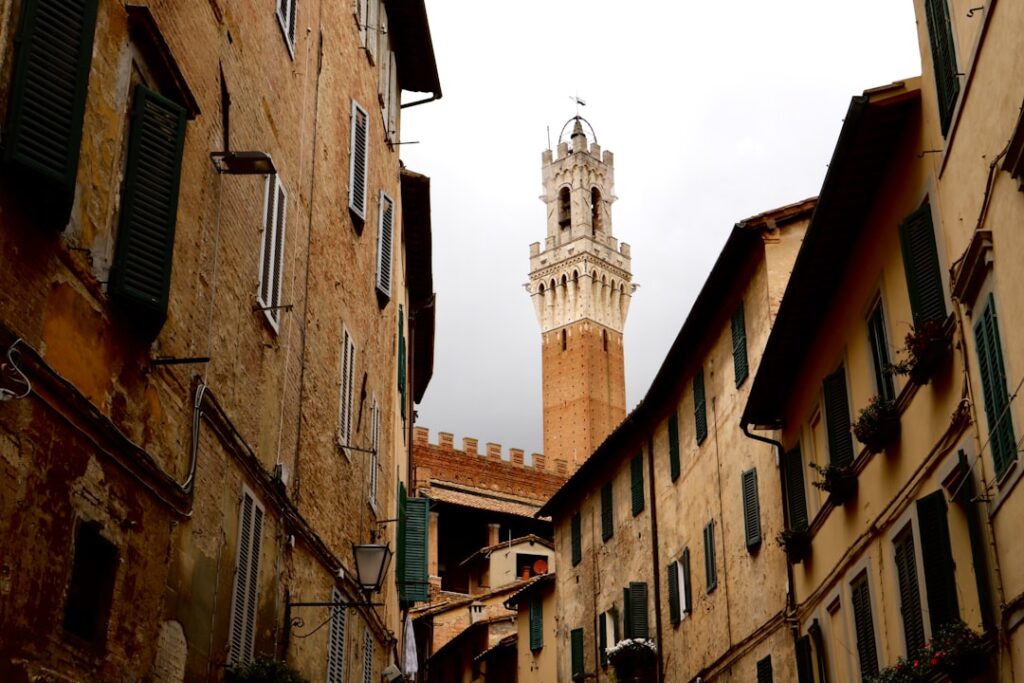
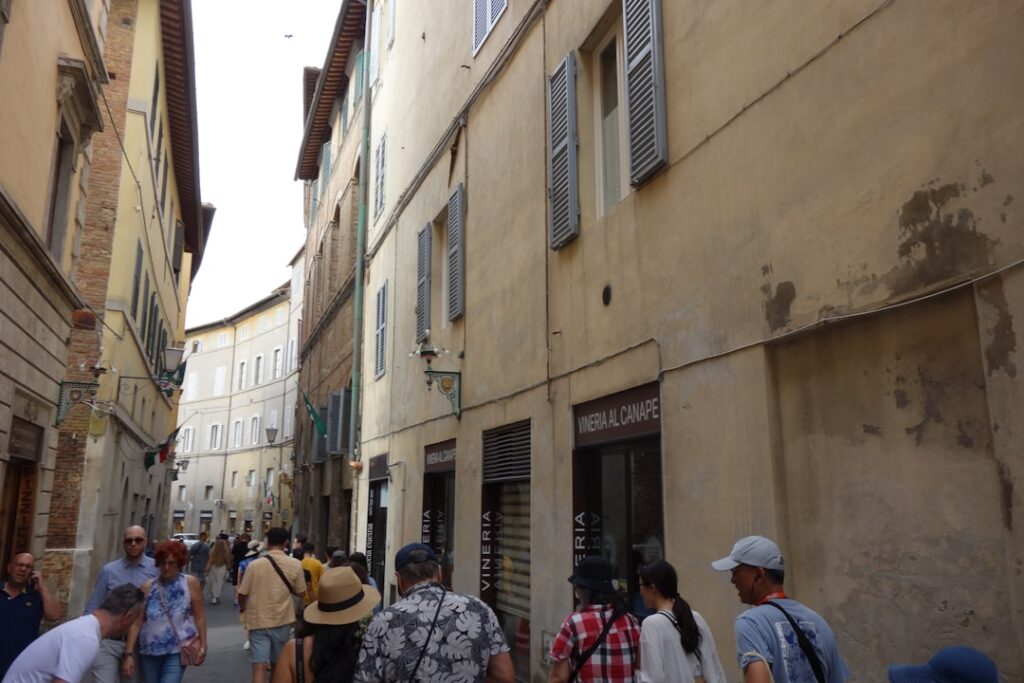
Via di Città and Via Banchi di Sopra form the layered heart of medieval Siena. These two main arteries are lined with tower-houses, Gothic palaces and age-old shops, linking key nodes: Piazza del Campo, Piazza del Duomo, and Piazza Salimbeni. Walking down Via Banchi di Sopra from the Basilica of San Domenico toward Piazza del Campo, you’ll pass facades decorated with polychrome coats of arms, pointed-arch windows and shop signs that in some cases have been there for centuries. The buildings reveal strata of history: painted plaster, traces of restoration and small loggias once used to watch the street below.
Address and practical landmarks:
- Via di Città — main thoroughfare crossing Siena’s historic center; main section between Piazza del Campo and Piazza del Mercato.
- Via Banchi di Sopra — principal medieval axis toward Piazza del Campo; notable stretch between Piazza Salimbeni and Piazza del Campo.
- Banca Monte dei Paschi di Siena, Piazza Salimbeni, 3, 53100 Siena SI — monumental facade worth observing (bank offices open to the public according to bank hours; internal visits limited).
Click here to book a private 2-hour walking tour
Anecdotes and legends:
- The tower-houses you notice along these streets belonged to competing patrician families: the taller the tower, the more it proclaimed a lineage’s power. Family disputes sometimes ended in rooftop duels, and it’s said some stones still bear inscriptions invisible to the untrained eye.
- The legend of the “Donna della Finestrella” (the woman of the little window): locals tell of a young noblewoman locked away by her family in the 13th century who used to appear at a tiny window on Via di Città to signal to her lover. Sienese people still claim that on foggy nights you can hear the rustle of a dress in the street.
Practical tips:
- Best time to visit: early morning (8:00–10:00) to enjoy the light on the facades and avoid crowds. Shops usually open around 9:30–10:00; cafés from about 7:30.
- Shoes: cobbles and uneven thresholds — opt for shoes with non-slip soles.
- Suggested route: start at Piazza del Duomo (Piazza del Duomo, 8, 53100 Siena SI) then descend Via Banchi di Sopra toward Piazza del Campo (Piazza del Campo, 1, 53100 Siena SI).
The Duomo area: silence, marbles and the supernatural
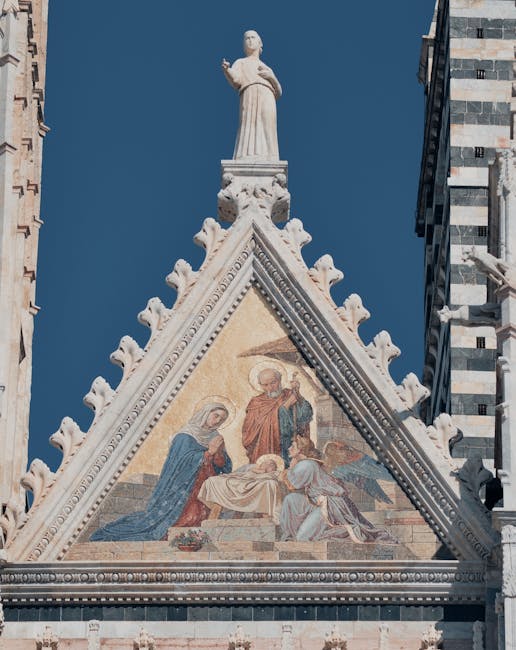
The Cattedrale di Santa Maria Assunta (Duomo di Siena) is one of Italy’s Gothic jewels, but the vibe in the nearby streets is just as compelling. The monumental complex is located at Piazza del Duomo, 8, 53100 Siena SI. The Duomo rises between narrow alleys and stairways, forming an urban amphitheater where liturgical and civic life once conversed. A few steps away, the Battistero di San Giovanni and the Museo dell’Opera del Duomo complete the ensemble.
Practical info and fees (seasonal — check before visiting):
- Cattedrale di Santa Maria Assunta — Piazza del Duomo, 8, 53100 Siena SI. Hours: generally 10:00–19:00 (high season), 9:00–17:00 (low season). Combined ticket Duomo + Baptistery + Museo dell’Opera: approximately €15–18 per adult. Reduced tickets for 6–18 year olds, students and seniors; free for children under 6.
- Museo dell’Opera del Duomo — Piazza del Duomo, 9, 53100 Siena SI. Hours: 10:00–18:00. Often included in the combined ticket (verify at the ticket office).
- Battistero di San Giovanni (inside the Duomo complex) — controlled access, usually included in the combined ticket.
Stories and atmosphere:
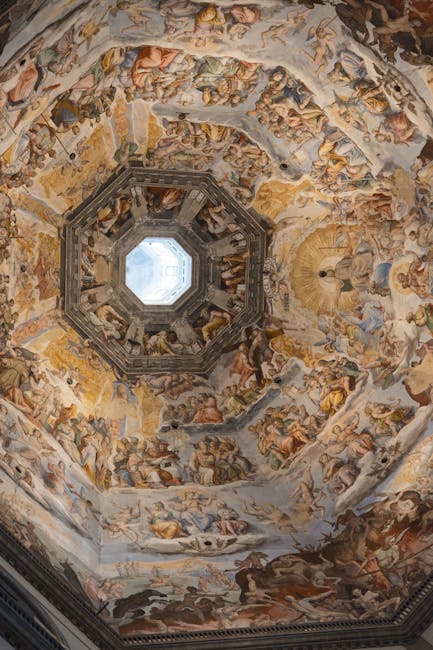
The streets around the Duomo are often hushed, shielded from the bustle of Piazza del Campo. Polychrome marbles and bas-reliefs reflect on worn stones; local lore says some capitals whisper old prayers at night. There’s a tale of a mystic monk who became a hermit in the 14th century and lived hidden in an alcove of a lane behind the sacristy — residents have reported seeing a flickering light there on moonless nights. The frescoes in the Museo dell’Opera also contain hidden motifs — cabalistic signs or painters’ signatures — that only restorers have had the right to examine closely.
Click here to book your Duomo ticket
Practical tips:
- Book ahead: combined Duomo tickets can be purchased online to avoid queues (very busy in July–August and during Palio weekends).
- Guided tours: choose a specialist guide (1.5–2 hours) if you want to learn the iconography and the legends tied to capitals and inlaid pavements.
- Respect and silence: some chapels are still active places of worship; behave respectfully and avoid flash photography in restricted areas.
Palazzo Pubblico, Torre del Mangia and Piazza del Campo: the stage of civic rivalries
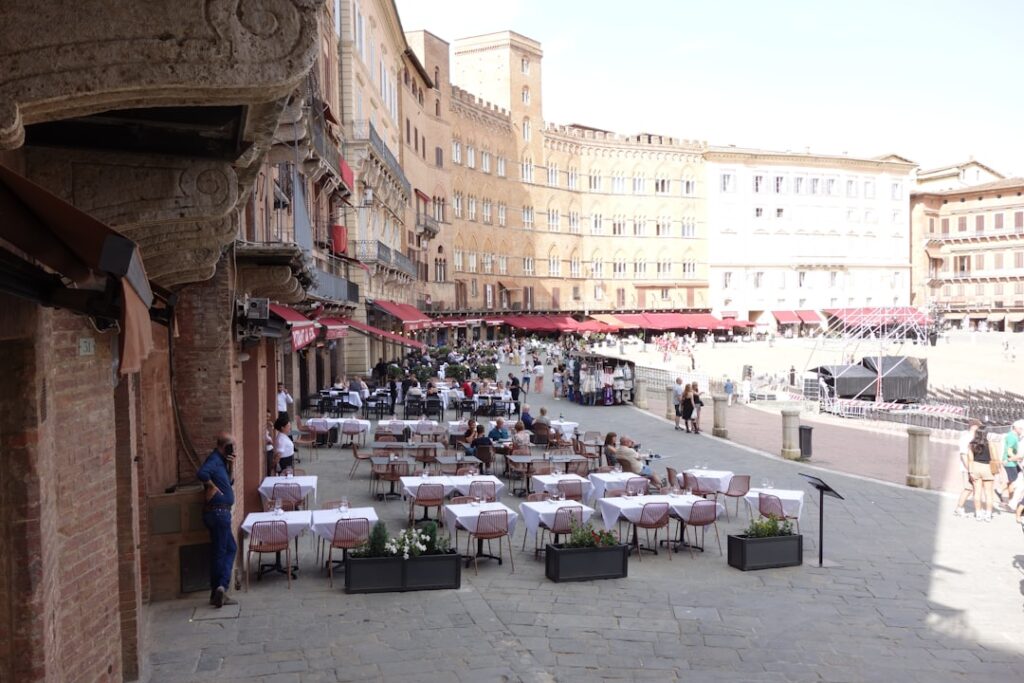
Piazza del Campo is Siena’s civic heart, where medieval public life unfolded among markets, proclamations and tournaments. Today the shell-shaped square still hosts concerts, markets and the stunning Palio di Siena. The Palazzo Pubblico and the Torre del Mangia watch over the piazza with Gothic silhouettes dominating the surrounding rooftops.
Click here to book the tour with Duomo entry and panoramic view
Addresses, hours and prices:
- Piazza del Campo — Piazza del Campo, 1, 53100 Siena SI. Public square, accessible 24/7.
- Palazzo Pubblico e Museo Civico — Piazza del Campo, 1, 53100 Siena SI. Hours: 10:00–19:00 (seasonal). Museum entrance: around €8–12 per adult; reduced rates available.
- Torre del Mangia — attached to Palazzo Pubblico, Piazza del Campo, 1, 53100 Siena SI. Climb hours: usually 10:00–18:30 depending on season. Ascent fee: €8–10 per adult (reductions possible). May be closed for events like the Palio.
Historical anecdotes and piazza legends:
- The Palio: the famous horse race pits the city’s contrade against each other. Each race is preceded by ancestral rituals, blessings and provocative posters; rivalry between contrade sometimes escalates into disputes that feel like a medieval inheritance.
- The legend of the “Pane del Comune”: it’s said that during a great medieval famine local authorities set up a communal oven in a nearby street to distribute bread. This tradition of shared bread allegedly saved many families — records of that solidarity can still be found in the Palazzo Pubblico archives.
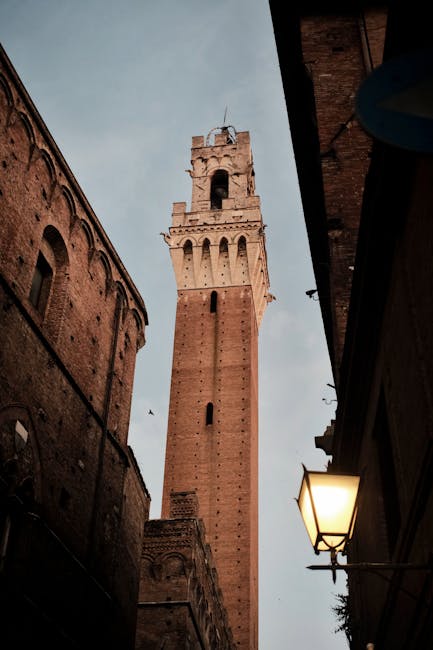
- The Torre del Mangia gets its name from the nickname of its first guardian, Giovanni di Balduccio, called “Mangia” (the eater) for his famous appetite; the tower became a symbol of civic power and a lookout over the Tuscan countryside.
Practical tips:
- Combined visit recommended: start with the Palazzo Pubblico and Museo Civico (interiors, frescoes, the Gonfalonier’s rooms) then climb the Torre del Mangia for a panoramic view (allow 30–45 minutes for the climb and 20–30 minutes for the view).
- Avoid peak hours: the square fills up mainly between 11:00 and 15:00. Early morning (7:00–9:00) the piazza is almost empty and offers exceptional photo opportunities.
- Accessibility: Torre del Mangia has steep stairs and isn’t recommended for people with mobility issues. The museum offers partial accommodations — check with the ticket office.
Alleys, contrade and little treasures: neighborhood anecdotes
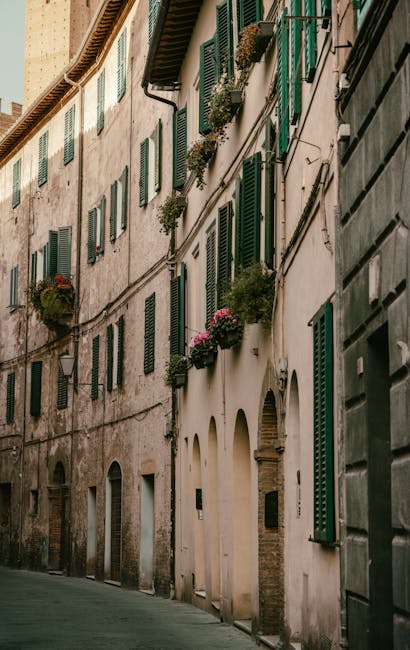
Beyond the main arteries, Siena’s real stories are told in the contrade alleys: Oca, Drago, Nicchio, Onda, Torre and the rest. Each contrada has its own museum, a small church, its symbols and often a collection of ritual objects linked to the Palio. These spots, sometimes hidden behind a gate, reveal interiors full of objects, banners and mementos that sum up local memory.
Concrete examples:
- Contrada dell’Onda — Museo della Contrada dell’Onda, Via del Capitano, 9, 53100 Siena SI. Hours: often by appointment or open in the afternoon (14:00–18:00); free entry or a small suggested donation (€2–5).
- Contrada della Torre — Museo della Contrada della Torre, Via di Città, 95, 53100 Siena SI. Hours: variable; check directly with the contrada museum for guided visits.
Anecdotes and traditions:
- Rivalries between contrade led to secret alliances and marriage pacts. One anecdote says that in the 15th century two families from opposing contrade arranged a marriage to seal peace — but the vow was broken when a banner was stolen during the night, reigniting hostilities for years.
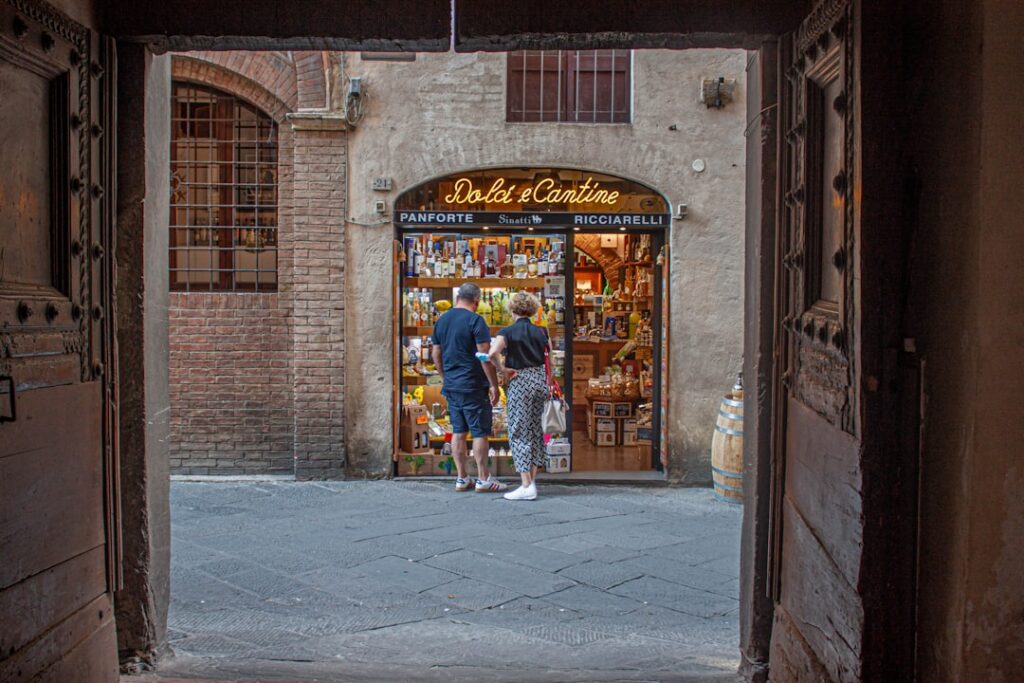
- Some passages called “passaggi coperti” (covered passages) once connected houses and workshops so merchants could move about sheltered from bad weather and bandits. Today many of these passages are small craft shops or mini-galleries.
Click here to discover Siena with tastings and stories
Practical tips:
- Respect local customs: contrada members are very proud of their history; if you visit a contrada museum, ask permission before photographing sacred objects and avoid loud behavior during ceremonies.
- Schedule: some contrada museums open mainly for events or religious festivals (processions, victory anniversaries). Check online or ask at the Siena Tourist Office (Ufficio Informazioni Turistiche, Piazza del Campo, 1).
- Buy local: artisan products (ceramics, embroidery, contrada textiles) are often sold in neighborhood shops — a great way to take home an authentic souvenir.
Nights, shadows and legends: popular tales of Siena’s lanes
Siena has its night-time stories — tales told over a glass of wine in osterie or whispered in inner courtyards. Some legends speak of apparitions, others of hidden treasures or curses tied to unpaid debts. The alleys, with their narrow geometry and shadowy corners, seem tailor-made for these narratives.
A few emblematic stories:
- The notary’s house: a popular tale describes a house on Via delle Terme where a 14th-century notary supposedly struck a pact with the devil. According to legend, every June 7 a creak echoes in the main staircase and a black ink feather reappears on the office table, as if the contract were being rewoven.
- The Florentine merchant’s treasure: a story tells of a merchant fleeing after bankruptcy who buried a chest under a slab in the small chapel of San Cristoforo (near certain alleys) and cursed the stone; treasure hunters secretly dug for it for years, leaving visible traces.
- The phantom bell: in a lane near the Duomo, residents say they sometimes hear a bell that doesn’t appear on any modern map — a remnant of a disappeared chapel that supposedly still rings by the lunar calendar.
Nocturnal guided walks: several companies offer themed “ghost & legends” tours (in French or English) that tell these stories with stops in key alleys. Price: around €12–20 per person depending on duration and language.
Click here to join the Palio walking tour in Siena
Practical tips for exploring at night:
- Safety: Siena is generally safe, but like any old city avoid completely isolated alleys after midnight. Stick to main streets and keep your belongings close.
- Nocturnal guided walks: several companies offer themed “ghost & legends” tours (in French or English) that tell these stories with stops in key alleys. Price: around €12–20 per person depending on duration and language.
- Respect residents: neighborhood life continues at night; avoid excessive noise and respect municipal quiet hours (often after 23:00).
How to spot signs of the past while walking
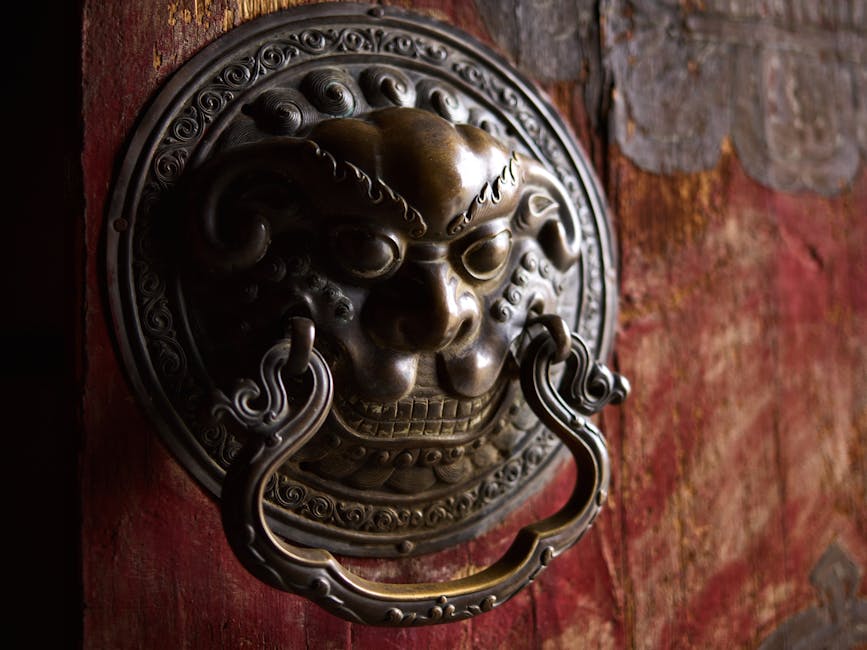
To read the city like a book, look for these clues: painted or carved coats of arms, doors with ancient knockers, funerary plaques set into walls, and traces of medieval shops (old signs, niches for stalls). Old scratches and bumps on the stones can indicate former market sites. Keeping a small notebook and making quick sketches will help you build your own story of the city.
Suggested routes and local practical tips
To make the most of a day (or several) exploring Siena’s medieval streets, here are itineraries and practical tips, including addresses, hours and approximate budgets.
Itinerary 1 — Half-day (morning): Duomo and Via Banchi di Sopra
- 09:00: Arrive at the Cattedrale di Santa Maria Assunta, Piazza del Duomo, 8. Buy the combined ticket (≈€15–18).
- 10:30: Walk down Via Banchi di Sopra, taking in facades and small shops.
- 11:30: Coffee break at Bar Il Bandierino (corner of Piazza del Campo) or a local café; espresso ≈€1.20–1.80.
Itinerary 2 — Full day: Piazza del Campo, Palazzo Pubblico and contrade
- 09:30: Visit the Museo Civico and climb the Torre del Mangia (museum tickets ≈€8–12, tower ≈€8–10).
- 12:30: Lunch in a local osteria — Tuscan pasta and a regional wine ≈€15–25 per person.
- 15:00: Visit one or two contrada museums (voluntary donation or small entry fee €2–5).
Additional practical tips:
- Tourist office: Ufficio Informazioni Turistiche di Siena, Piazza del Campo, 1 — good brochures, maps and the option to book guided tours.
- Public restrooms: limited in the historic center; prefer cafés and museums (sometimes a purchase is required).
- Transport: the central zone is pedestrian; Siena train station (Stazione di Siena, Piazza Carlo Rosselli, 50122 Siena SI) is about 15–20 minutes by taxi or 30–40 minutes on foot depending on the uphill/downhill route.
- Approximate daily budget: visits + meals + coffee ≈€35–70 per person depending on restaurant choices and tickets.
Click here to book a day trip to Siena, San Gimignano and Pisa
Conclusion
Siena’s medieval streets are far more than mere thoroughfares: they form a palimpsest where architecture, civic memory, legends and religious practices intertwine. Strolling Via di Città and Via Banchi di Sopra, climbing the Torre del Mangia, entering the Cattedrale di Santa Maria Assunta and pushing open the doors of contrada museums, visitors assemble a mosaic of experiences — and every anecdote overheard around a corner adds an intimate layer to the visit. The precise addresses (Piazza del Duomo, 8; Piazza del Campo, 1; Via del Capitano, 9 for some contrada museums) and the information on hours and fees give you a practical foundation to plan your stay.
Keep a few key recommendations in mind: favor early-morning visits to enjoy the light and tranquility, book combined tickets for the Duomo and Torre del Mangia in advance during high season, and respect local customs when entering contrada museums or attending ceremonies. Remember that some places close for local events (notably around the Palio), so always double-check opening times before you go.
Finally, let curiosity lead: follow an alley without GPS, ask a local about their contrada’s legend, and take time to notice details — carved knockers, half-erased coats of arms, votive niches. These small things are Siena’s real treasures. Whether you’re a history buff, a photographer, a foodie or a seeker of mysterious tales, Siena’s medieval streets offer a rich, multisensory experience. Bring a guide, a notebook and a measure of patience: the city reveals itself slowly, and every turn promises a new anecdote, a new legend and, above all, the pleasure of walking through centuries of human stories.