





Introduction: Why Choose Siena as Your Rail Hub to Explore Tuscany
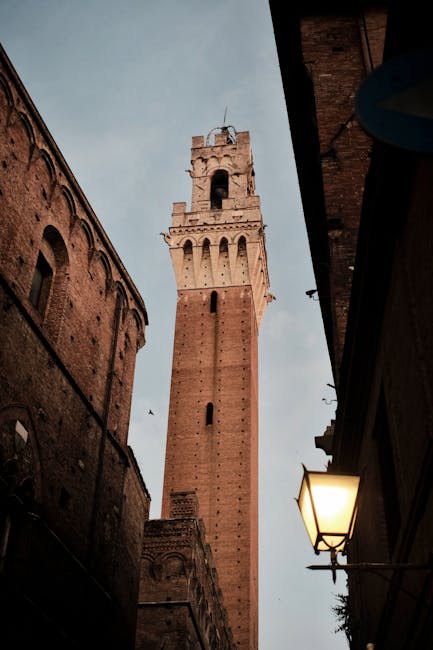
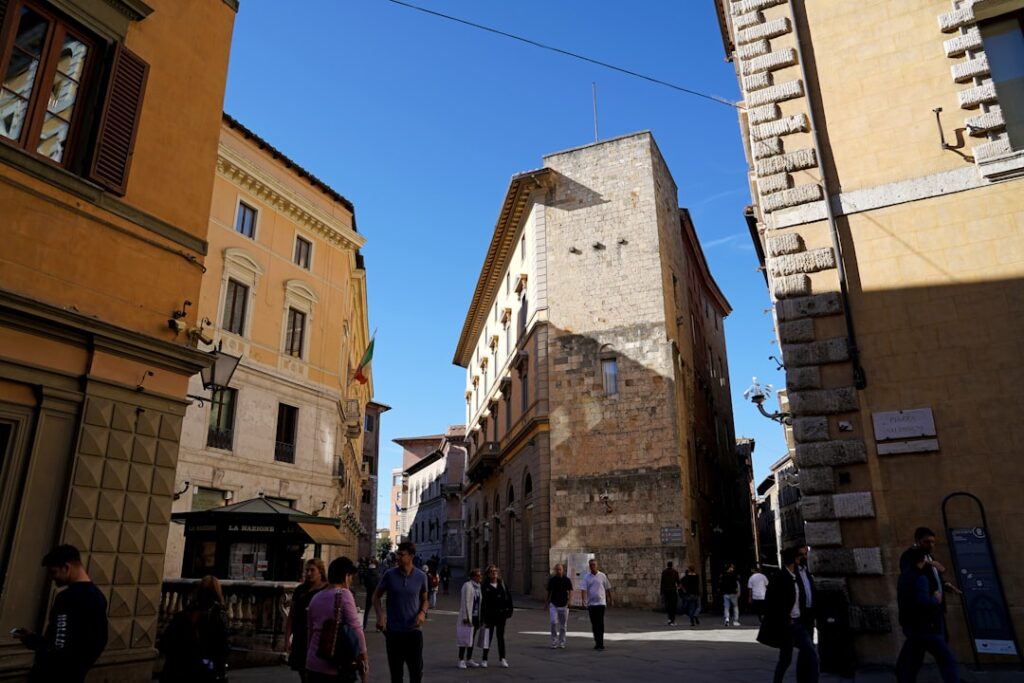
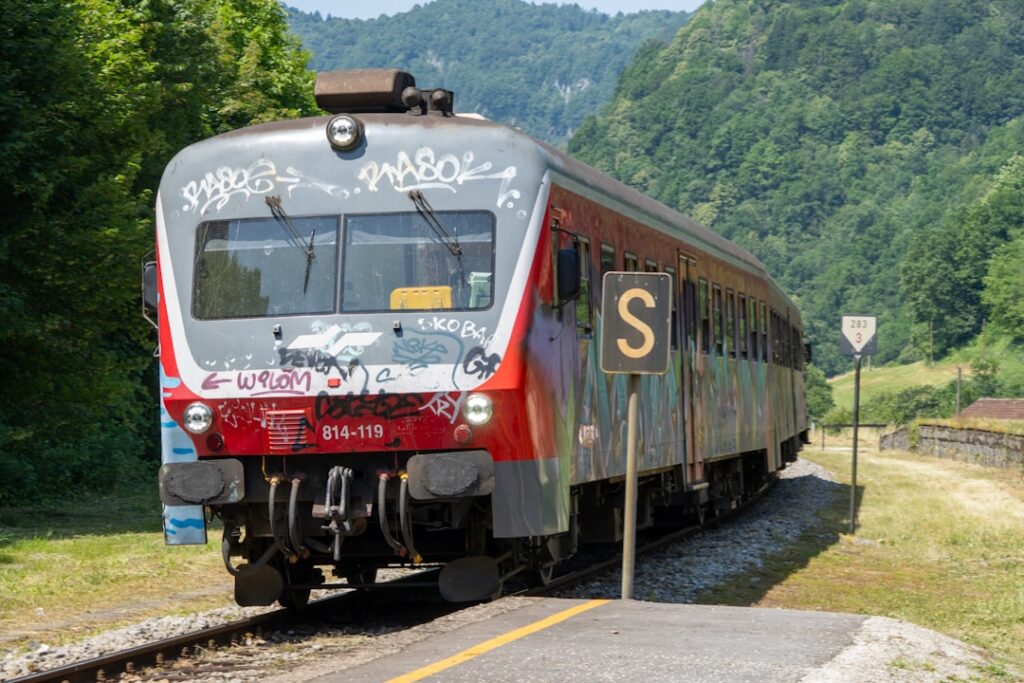
Siena, tucked in the heart of Tuscany amid rolling hills, vineyards and olive groves, is more than a museum town: it’s an excellent launchpad for day trips by train. The Siena Station (Stazione di Siena), located on the southern edge of the historic center, offers convenient connections to Florence, Grosseto, Chiusi-Chianciano Terme and, with transfers, to Pisa, Lucca and the Tyrrhenian coast. For travelers who prefer a slower pace and scenic charm, the train lets you soak in panoramic views, avoid cramped historic-center parking and skip the stress of driving on winding Tuscan roads.
In short, the station is your gateway: Stazione di Siena sits at Piazza della Stazione, 53100 Siena SI, Italy, roughly a 15–20 minute walk from the Campo, the city’s medieval heart. Main operators include Trenitalia (regional and InterCity) and some private or seasonal services. Regional fares usually range between €5 and €15 depending on destination and train type; expect to pay more if you buy a last-minute or discounted ticket. Timetables change with the season: services are more frequent in spring and summer, while off-season connections can be sparser — so check schedules on the Trenitalia website or app.
Choosing the train from Siena is also about immersion. From the moment you leave the station you’ll pass golden fields, lined cypresses and stone villages that look painted into the landscape. This article outlines straightforward train routes from Siena with practical details: full addresses for stations and sights, indicative prices in euros, opening times, sensory descriptions and local tips to help you make the most of your day. Whether you’re dreaming of a cultural day in Florence, a visit to Pisa’s leaning tower, a nature escape in the Val d’Orcia or a seaside detour, trains from Siena are accessible, pleasant and often more relaxing than you’d expect.
Siena → Florence: The Must-See Art Capital (Journey 1h15–1h40)
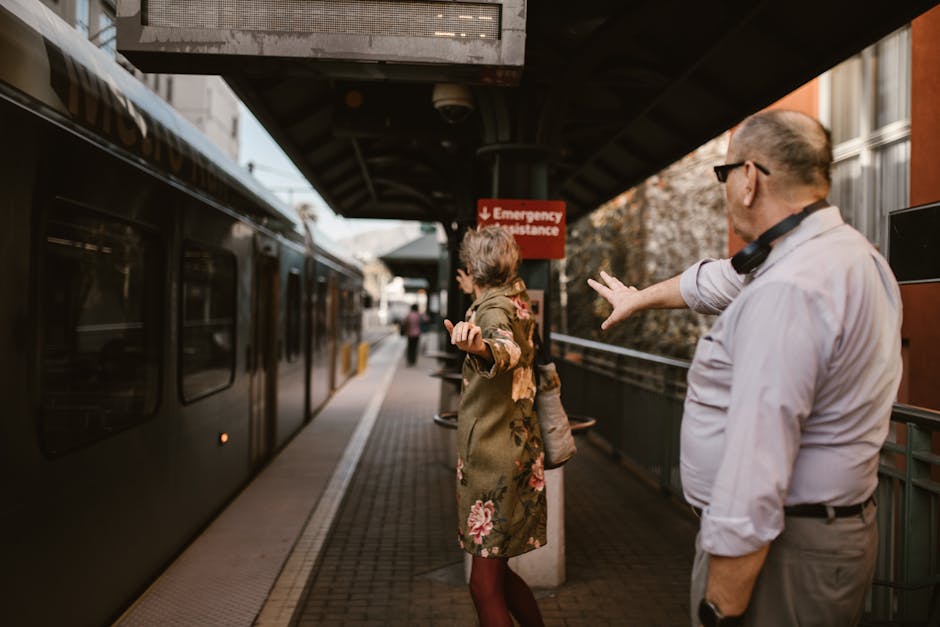
The connection between Siena and Firenze Santa Maria Novella (Florence) is one of the most popular routes for travelers based in Siena. Florence station address: Piazza della Stazione, 50123 Firenze FI, Italy. A direct trip takes about 1h15 to 1h40 depending on the train (regional or InterCity). Tickets typically cost between €7 and €15 for regional services; InterCity or reserved-seat trains can be slightly pricier.
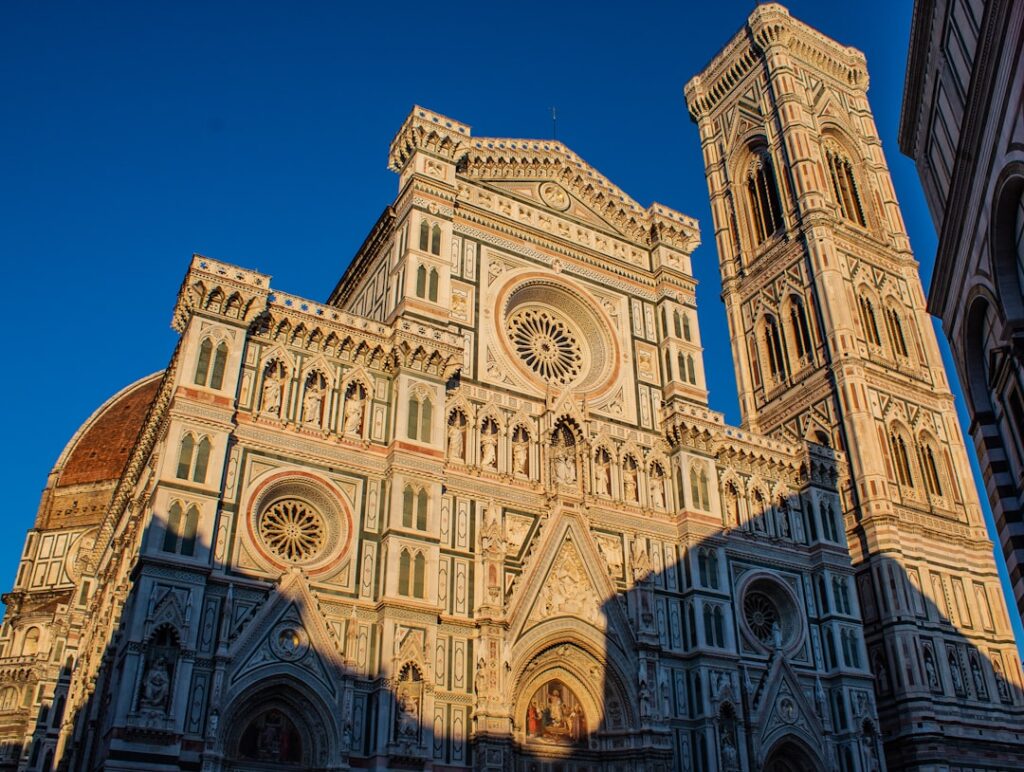
Once in Florence, you’re a short walk from Renaissance treasures. Start at the Cattedrale di Santa Maria del Fiore (Duomo di Firenze), located at Piazza del Duomo, 50122 Firenze FI. Entry to the cathedral itself is often free, but access to the full Duomo complex (Brunelleschi’s dome, the baptistery, Giotto’s bell tower) is sold as a combined ticket: expect around €20 for the full pass (prices vary by season); typical opening hours: Duomo 10:00–17:00 (check online as times can change).
Continue to the Galleria degli Uffizi (address: Piazzale degli Uffizi, 6, 50122 Firenze FI), a must for Botticelli, Leonardo and Michelangelo. Usual opening hours: 8:15–18:50, sometimes closed on Mondays for certain exhibitions; full-price tickets are around €20–€25 (advance booking highly recommended). Practical tip: buy tickets online in advance and arrive early to beat the crowds; allow at least 3 hours for a relaxed visit.
Local tips: stroll across the Ponte Vecchio at sunset for spectacular photos, and try a classic « bistecca alla fiorentina » at a traditional osteria if you have time (a steak for two often costs > €40–€60). Return to Siena: there are late trains, but always double-check evening timetables — frequencies are higher in peak season.
 Click here to book your Brunelleschi Dome & Duomo Complex ticket
Continue to the Galleria degli Uffizi (address: Piazzale degli Uffizi, 6, 50122 Firenze FI), a must for Botticelli, Leonardo and Michelangelo. Usual opening hours: 8:15–18:50, sometimes closed on Mondays for certain exhibitions; full-price tickets are around €20–€25 (advance booking highly recommended). Practical tip: buy tickets online in advance and arrive early to beat the crowds; allow at least 3 hours for a relaxed visit.
Local tips: stroll across the Ponte Vecchio at sunset for spectacular photos, and try a classic « bistecca alla fiorentina » at a traditional osteria if you have time (a steak for two often costs > €40–€60). Return to Siena: there are late trains, but always double-check evening timetables — frequencies are higher in peak season.
Siena → Pisa and Lucca: Leaning Tower and Walled Medieval Towns (Journey 2–3h with Transfers)
Getting to Pisa from Siena usually involves a transfer (often at Empoli or Florence). Pisa Centrale station is located at Piazza Vittorio Emanuele II, 56125 Pisa PI, Italy. Total travel time: 2 to 3 hours depending on connections. Indicative price: €12–€25 depending on the trains and when you buy.
On arrival, head to the Piazza dei Miracoli (also called Piazza del Duomo) to see the Torre Pendente (Leaning Tower), the Duomo di Pisa and the Baptistery. Address: Piazza del Duomo, 56126 Pisa PI. Typical opening hours: 9:00–20:00 depending on season; ticket for the tower costs around €20 (time-slot entry), the Duomo is free or may ask for a contribution depending on special exhibitions.
For a quieter, more picturesque stop, continue to Lucca. From Pisa Centrale, Lucca is only 20–30 minutes by train (Stazione di Lucca, address: Piazza Ricasoli, 55100 Lucca LU — some station entries also list Viale G. Italico). Lucca is famous for its intact city walls now turned into a tree-lined promenade. The historic center is perfect for cycling: typical rental costs €8–€12 for a half-day. Don’t miss the Cattedrale di San Martino and the Torre Guinigi (Torre Guinigi address: Via della Fornacetta, 55100 Lucca LU, tower access about €6–€8).
Practical tips: leave Siena early to get the most out of both towns. Lucca’s pedestrian paths and the Piazza dei Miracoli are ideal for morning photos when the light is soft and crowds are smaller. Bring water, wear comfortable shoes and check train times so you’re not left waiting long on the platforms.
Click here to book a day trip that includes Pisa
Siena → Val d’Orcia and Montalcino via Chiusi-Chianciano Terme: Vineyards, Spas and Scenic Views (Train 30–50 min then Bus or Short Drive)
While some Val d’Orcia villages are easier reached by road, Chiusi-Chianciano Terme station (Piazza Marconi, 53043 Chiusi SI) is a handy stop from Siena. Journey time Siena → Chiusi is about 30–50 minutes depending on the train. Fare: usually around €6–€10. From there you can catch a local bus or taxi to Montalcino, Pienza or the thermal baths at Chianciano Terme.
Click here to book a Brunello wine tasting tour in Montalcino
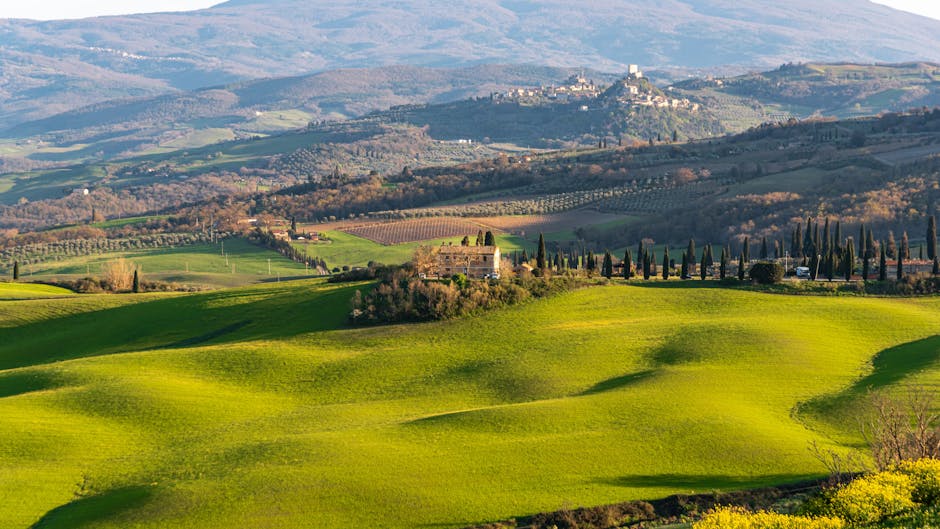
Montalcino, famed for Brunello di Montalcino, offers wineries and outstanding viewpoints. Tourist office address: Via Matteotti, 10, 53024 Montalcino SI. Wine tastings at cellars range from about €15 to €40 depending on the estate and number of wines sampled; reservations are recommended. Pienza, a must for pecorino lovers, is another Val d’Orcia gem reachable from Chiusi by bus or taxi.
Local tip: for a full sensory experience, plan a morning Brunello tasting followed by a lunch of local specialties (handmade pasta, pecorino, olive oil). Bring a small guide to the wineries and book your return transport if you’re not driving. The hilltop views at sunset are unforgettable — make time for photos.
Practical Tips for Traveling by Train from Siena
Getting around Tuscany by train is generally straightforward, but a few good habits will keep your trips running smoothly:
- Buy or validate your ticket: for Trenitalia regional trains you can buy at the station, ticket counter, vending machine or online. Remember to validate paper tickets before boarding if you don’t have an electronic ticket.
- Reservations: book ahead for the Uffizi, the Leaning Tower and certain wineries. InterCity and long-distance trains require reservations; regional trains do not.
- Schedules: check timetables the day before, especially outside high season. Transfers can be long in the evenings.
- Luggage: not all Tuscan stations have left-luggage facilities; travel light when possible or check ahead.
- Language: learn a few basic Italian phrases (thank you, please) — it helps in small stations and rural wineries.
- Safety: keep your belongings close on board, particularly at busy stations like Florence or Pisa Centrale.
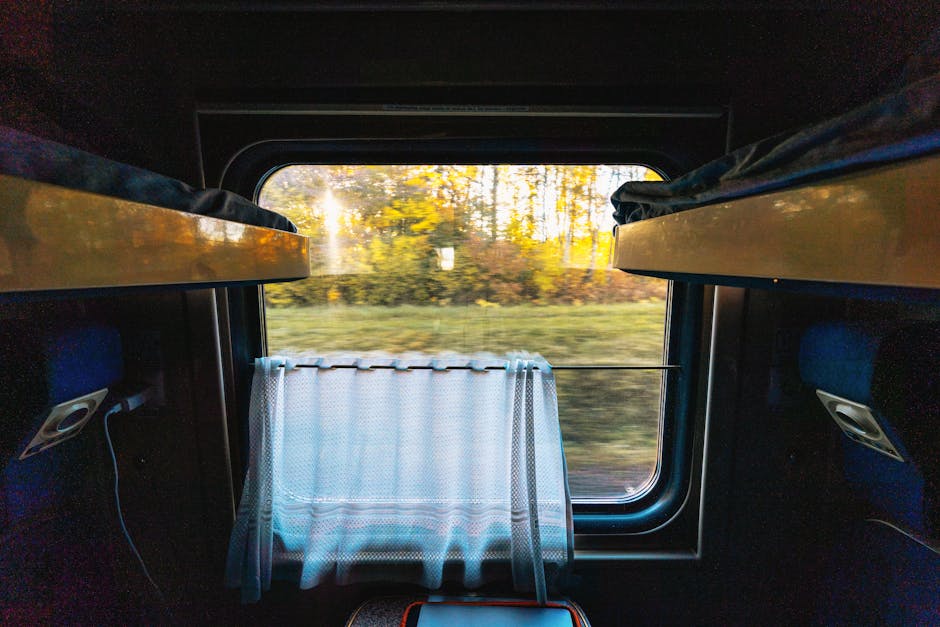
For a smoother experience, download a trip-planning app like Trenitalia or Italo (if you plan longer journeys), bring a power bank and leave some time to wander: Tuscan train connections are often an opportunity to discover a local café, market or unexpected alley.
Conclusion: Planning Your Rail Escapes from Siena
Departing from Siena by train combines the authenticity of a medieval city with the freedom to explore Tuscany without a car. Siena Station (Piazza della Stazione, 53100 Siena SI) puts Florence (Duomo di Firenze, Galleria degli Uffizi), the coast and Pisa’s wonders (Piazza dei Miracoli, Torre Pendente), as well as the landscapes and villages of the Val d’Orcia like Montalcino and Pienza, within reach. Prices vary but remain generally affordable: regional tickets between €5 and €25, attraction entries from about €6 to €25, and wine tastings between €15 and €40. Always check timetables and reserve must-see visits.
In practice, plan your days around travel times and opening hours: the busiest museums and monuments (Uffizi, Duomo, Leaning Tower) require arriving early or booking a time slot. For rural villages, a bus transfer or short taxi ride from main stations is often necessary; check with local tourist offices (Montalcino, Pienza, Chiusi) about seasonal shuttles. Finally, embrace the unexpected: a photo stop by the tracks, a local market or a trattoria recommended by a resident can turn a simple outing into a lasting memory.
Happy travels from Siena: taking the train in Tuscany combines comfort, scenery and cultural discoveries. Whether you’re into art, budding wine tasting or simply seeking peace, train trips from Siena offer an endless menu of nearby, accessible experiences.
Click here to book a guided walking tour of Siena Cathedral