



Introduction
Siena, perched on its Tuscan hills, is one of those places where the light, the stone and the scenery seem built for photography. When I say “photo tour: landscapes around Siena,” I don’t just mean snapping monuments and tourist portraits — I mean immersing yourself in a region of rolling hills, lone rows of cypress, fortified hilltop villages and winding lanes where every turn reveals a living postcard. The city itself, with the funnel-shaped Piazza del Campo and the slender silhouette of the Torre del Mangia, offers powerful urban perspectives, but it’s the surrounding countryside — the Crete Senesi, the Val d’Orcia, Monteriggioni, the Chianti hills — that becomes the real playground for the landscape photographer.
Contenu de l'article
In this photography outing I’ll point you to specific locations, give exact addresses, entrance fees, typical opening times and practical tips: which lens to favor, when to arrive for the best light, where to park and how to plan for Tuscan weather. Mental images will be paired with practical recommendations to capture the essence of each site — from the polished granite of the Piazza del Campo paving to the velvet clay of the Crete Senesi at dawn. Expect technical advice (filters, aperture, shutter speed, HDR bracketing) and straightforward logistics (opening hours, costs, contacts and parking tips).
The goal isn’t to hand you a dry list of spots but to provide an immersive, hands-on photographic route that maximizes your chances of coming home with striking images. Whether you’re an enthusiastic hobbyist, an advanced amateur or a pro searching for new frames, this tour around Siena offers visual cues and concrete pointers: where to place the horizon, how to compose with olive trees, and why morning mist can be your ally in winter. Pack a sturdy body, a wide-angle (16–35 mm), a 70–200 mm tele, a lightweight tripod, ND/polarizing filters, and a spare battery — and let yourself be guided by panoramas that have inspired painters and photographers for centuries.
Piazza del Campo, Duomo di Siena and Torre del Mangia: city center must-sees and viewpoints
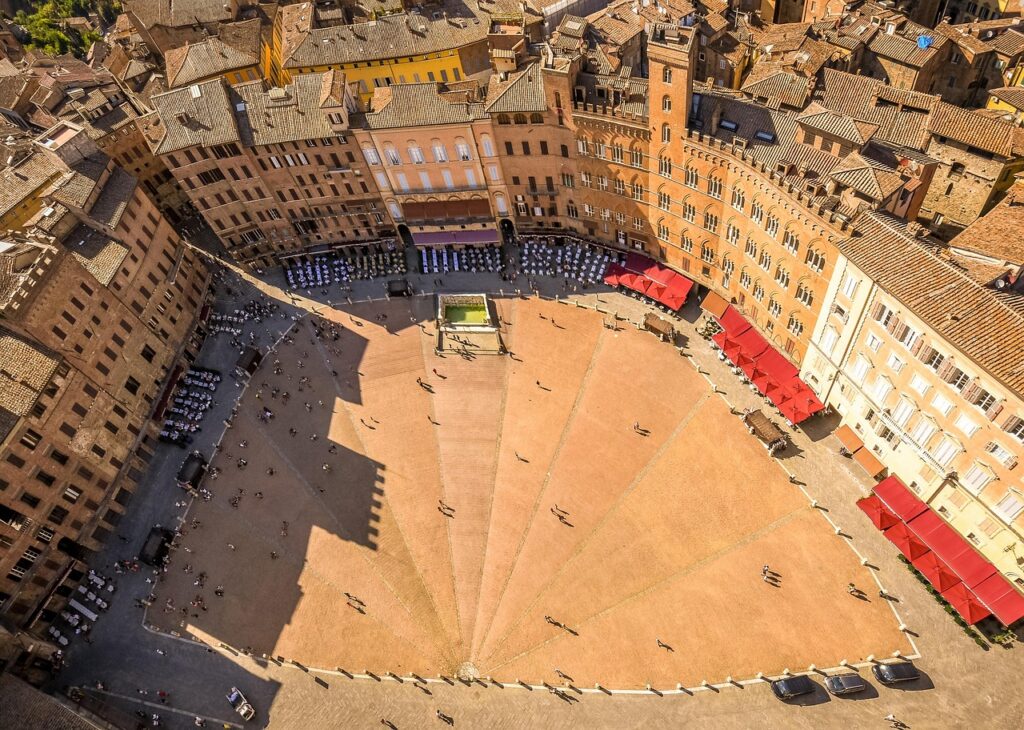
Start your photo day in the heart of Siena, where medieval architecture creates bold graphic compositions. The Piazza del Campo (Piazza del Campo, 53100 Siena SI, Italy) is ideal for first shots at sunrise, when the shell-shaped square is still empty. The patterned pavement, warm ochre façades and tiered terraces create a rich contrast of textures and colors.
 Click here to book a guided walking tour of Siena
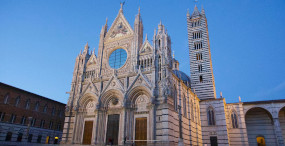
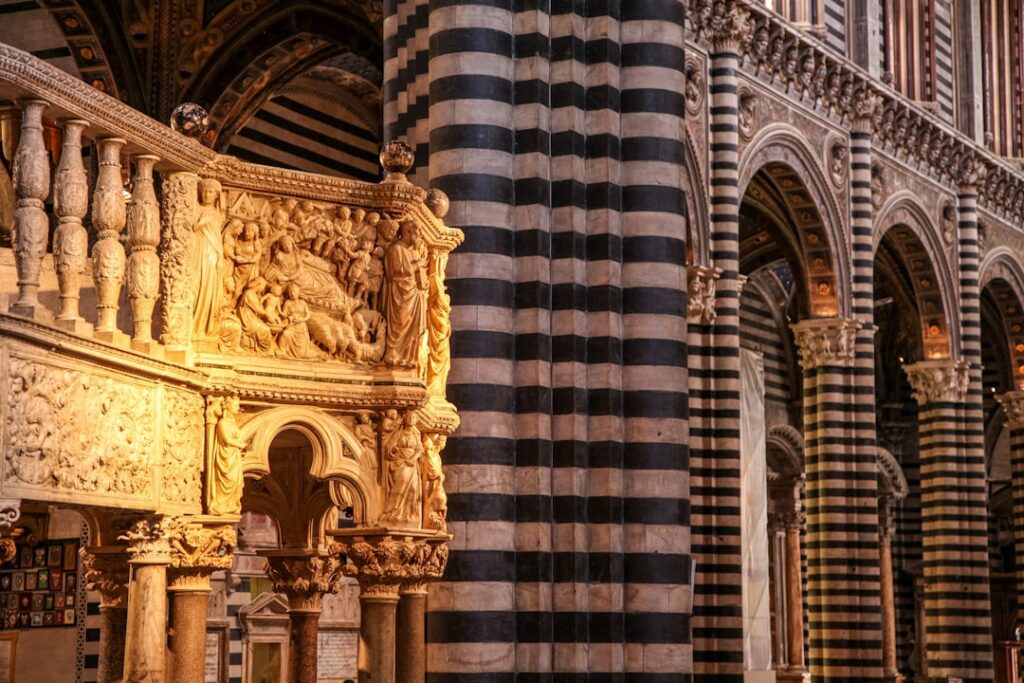
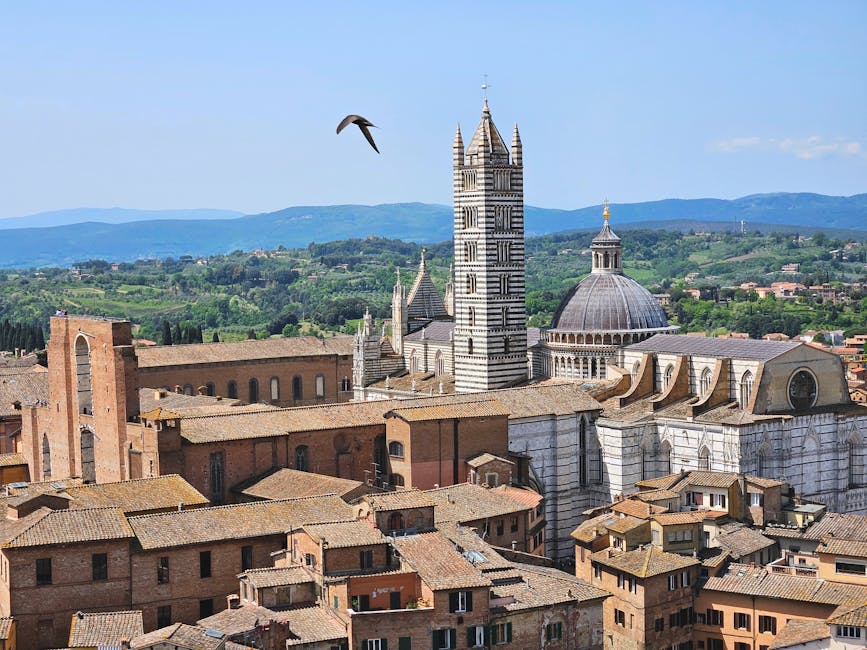
A short walk away sits the Cattedrale di Santa Maria Assunta (Duomo di Siena) on Piazza del Duomo, 8, 53100 Siena SI. Opening hours vary by season: typically 10:30–19:00 in high season and 10:30–17:00 in low season; combined ticket (Duomo, Baptistery, Museo dell’Opera Metropolitana, Piccolomini Library) runs about €12–18. The Duomo is a masterpiece of black-and-white marble: use a wide-angle to capture the façade head-on, then a standard lens to isolate mosaics and the pulpit sculpted by Nicola Pisano.
Click here to book your ticket for Siena Cathedral
For panoramic city views, the Torre del Mangia (Piazza del Campo, 1, 53100 Siena SI) provides a spectacular vantage point. Opening hours are generally 10:00–20:00 (shorter hours in winter); the climb costs around €10 (discounts for students/children). Go up early to beat the crowds and use a 35–50 mm lens to frame scenes through the battlements, or a 24 mm to take in the whole Piazza del Campo below. Note: the ascent has narrow steps and visitor numbers may be limited.
Practical tips: park at Parcheggio Il Campo – Via Esterna Prov.le Chianti or the large lot near the train station (Piazzale Rosselli); favor golden hours (early morning and late afternoon) for long shadows and warm light. Bring a small folding tripod for long exposures and a polarizing filter to reduce glare on the Duomo’s marbles.
The rolling Crete Senesi and the road to Asciano
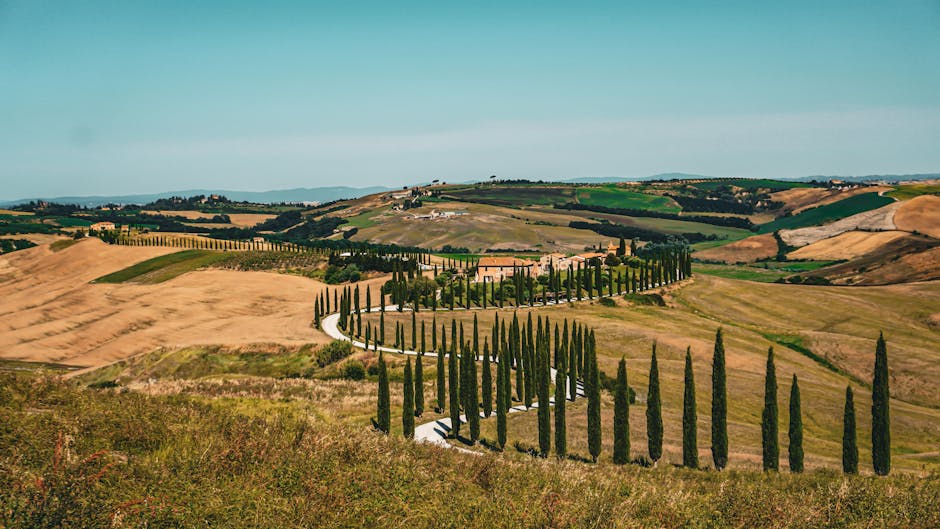
Only 20–30 minutes’ drive southeast of Siena lie the Crete Senesi, a lunar-like landscape of grey-brown clay hills, patchwork fields and isolated farmhouses. The practical access point is the town of Asciano (Piazza Garibaldi, 53041 Asciano SI). Secondary roads offer frequent pull-offs: park on the shoulder, take care not to damage crops and be cautious in low visibility.
The best times to photograph the Crete Senesi are at dawn, when mist slips through the hollows, and late afternoon, when side light sculpts the land’s curves. Use a wide-angle for sweeping panoramas and a tele to isolate a single tree or farmhouse. Don’t forget a tripod for HDR shots if you want to hold detail in both shadows and highlights. Roads around Asciano are generally open 24/7; there’s no fee to access the countryside itself, but some farms may request a contribution if you enter private property—always ask permission.
Local tips: bring sturdy footwear (clay surfaces can get slippery after rain), water (few services on site), and check the forecast to avoid heavy rain that turns clay into sticky mud. Approximate GPS coordinates for parking in Asciano are 43.2600° N, 11.6250° E; check Google Maps for exact parking spots. A drone can yield breathtaking shots here — but follow Italian drone regulations and respect private property and people’s privacy.
Val d’Orcia, Madonna di Vitaleta and the iconic cypress roads
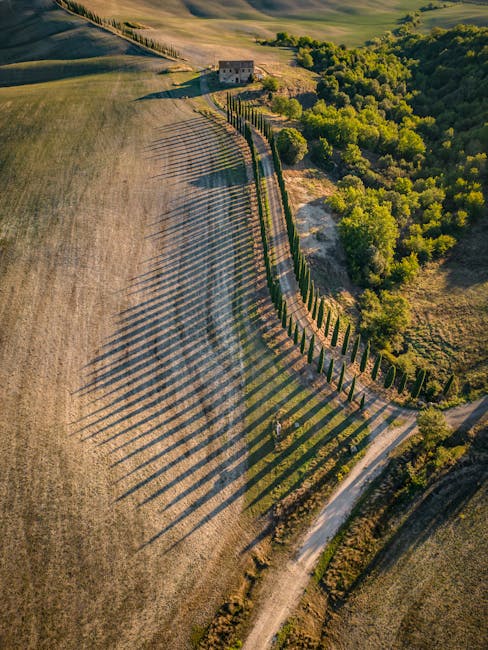
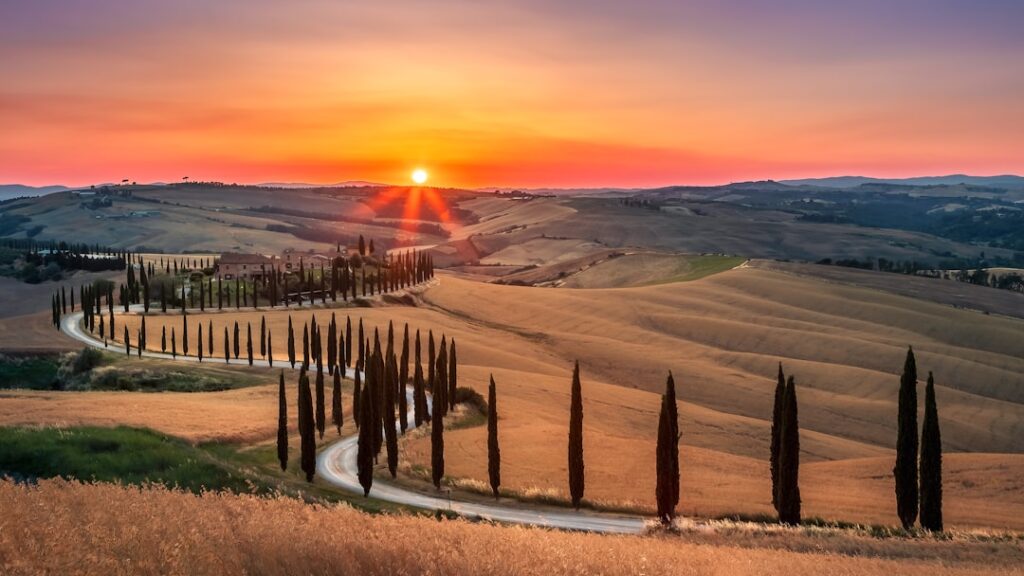
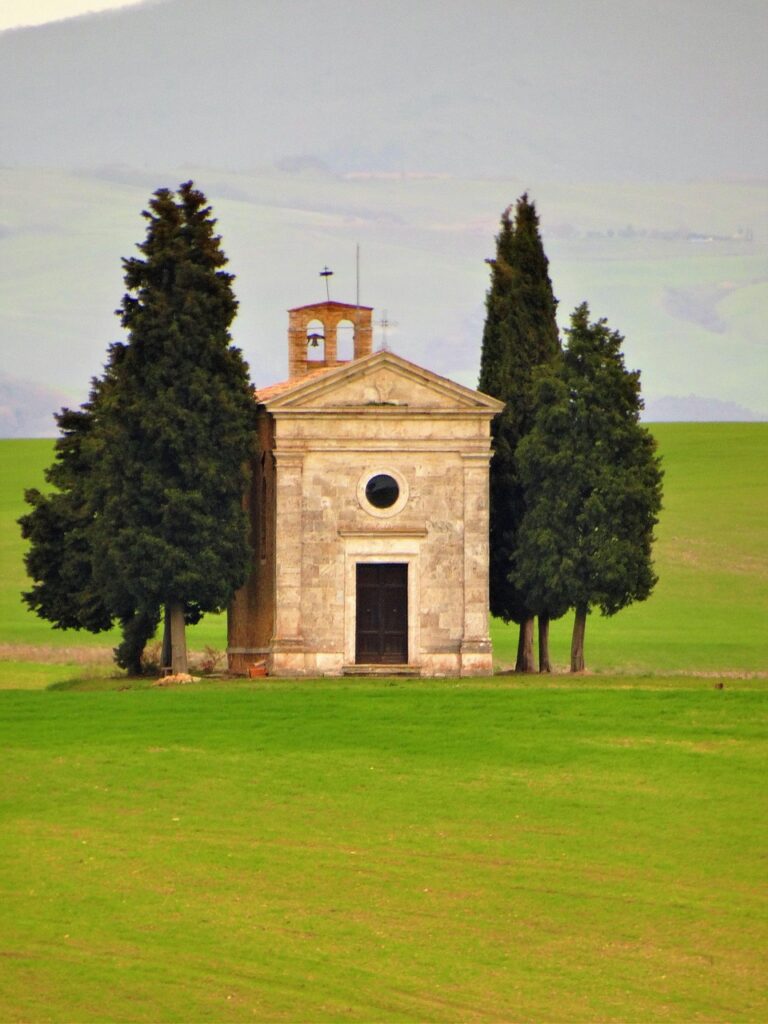
The Val d’Orcia, a UNESCO World Heritage site, is one of the most photographed areas around Siena. About a 45-minute drive away, it features picture-perfect rolling hills, medieval villages and dramatic viewpoints. For a precise marker, head to the chapel of Madonna di Vitaleta (SP 35, 53027 San Quirico d’Orcia SI). There’s no entry fee to view the chapel from the road, though nearby parking may be paid depending on the season. Access hours are free, but the chapel is mainly photographed from outside; for best results arrive early at sunrise or late afternoon to catch soft, low-angle light.
Click here to book an exclusive Val d’Orcia day tour
The road between Pienza and San Quirico d’Orcia is dotted with rolling hills and solitary cypresses: compose your shots using the tree lines as leading elements. In Pienza (Piazza Pio II, 53026 Pienza SI), the Pienza Cathedral and the views from its balconies over the Val d’Orcia provide more photo opportunities. Opening hours vary: most Pienza attractions are open 09:00–19:00 and some small museums charge €3–8.
Technical tips: for golden-hour panoramas use a 24–35 mm focal range, dial in exposure compensation if needed and consider bracketing to stitch panoramas during post-production. Rural accommodations (agriturismi) like Agriturismo Poggio al Vento nearby often grant private access to stunning viewpoints — check access fees or consider booking a night to enjoy quieter hours and better weather conditions.
Monteriggioni, Fortezza Medicea and other historic viewpoints
For compositions that combine history and landscape, the fortress of Monteriggioni is a must. The walled village sits at Piazza Roma, 1, 53035 Monteriggioni SI. Access to the village is free but visiting the walls may cost a small fee depending on the season; often entry is free and a handful of shops and cafés enliven the square. Photograph the towers at dawn to capture a pastel sky behind the battlements.
Click here to book a guided hike to Monteriggioni
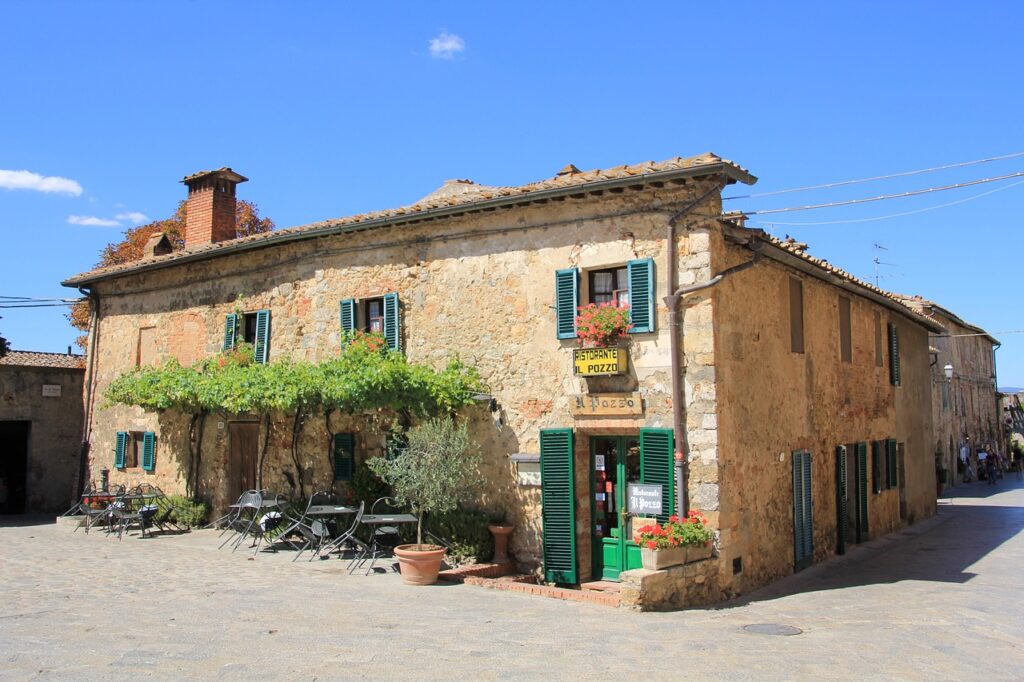
Back near Siena, the Fortezza Medicea (Viale Vittorio Emanuele II, 2, 53100 Siena SI) is an urban viewpoint offering perspectives over roofs and the surrounding hills. Access to the public park and battlements is usually free; some events or parking spaces may require a charge. The fortress is also a great place to capture local life, the grape harvest and outdoor events, especially in late summer.
Practical tips: for Monteriggioni and the Fortezza bring a 50 mm for environmental portraits and an 85 mm to compress the perspective of towers and roofs. Respect local shop hours (often 09:00–13:00 then 16:00–19:00) and scout cafés for quick coffee breaks. For safety, keep your gear close and avoid poorly lit areas at night; stick to busy routes when returning to your vehicle.
Logistics, gear and photography ethics
Planning a photo tour around Siena takes a bit of organization. Here are clear recommendations:
- Recommended gear: main camera body, 16–35 mm, 24–70 mm, 70–200 mm, lightweight tripod, ND and polarizing filters, extra batteries and memory cards.
- Clothing: layered clothing (cool mornings, warm afternoons), waterproof shoes, sun hat for strong light.
- Rental/transport: rent a compact car (essential for Crete Senesi and Val d’Orcia). Secondary roads can be narrow; a GPS and local insurance are advised.
- Respect private space: ask permission before entering private property, avoid disturbing wildlife and crops.
- Timing: prioritize sunrise and sunset. From April to October expect more visitors; off-season offers exceptional light and tranquility.
Finally, back up your images each evening to an external hard drive and note the GPS coordinates of places you love — you’ll often return to the same spot with different light.
Conclusion
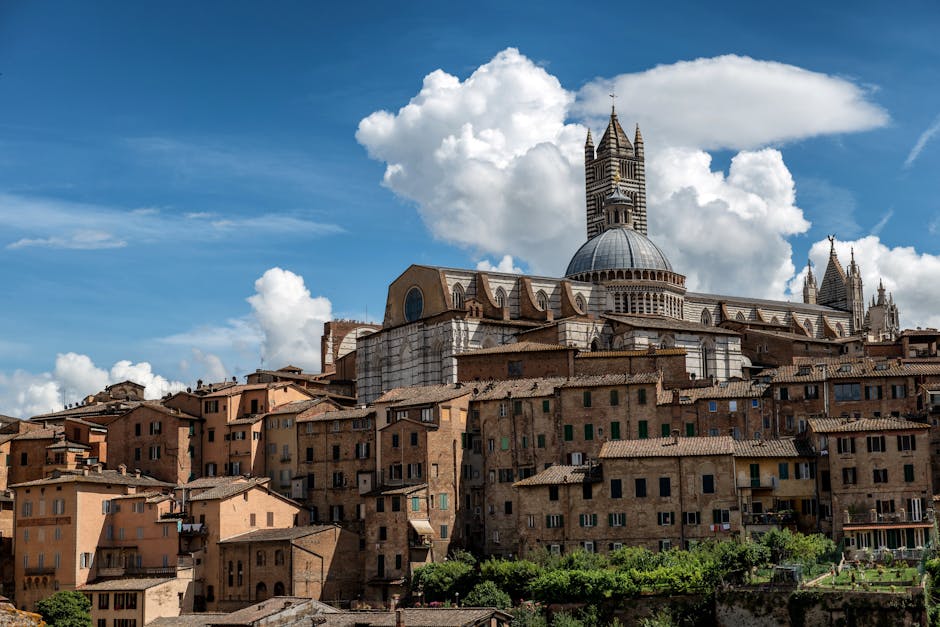
A photo tour around Siena blends urban heritage with a wide variety of rural landscapes. From the Piazza del Campo and the Duomo di Siena to the silent hills of the Crete Senesi and the perfect fields of the Val d’Orcia, each stop offers unique compositional possibilities. By planning your schedule around golden hours, choosing the right gear and following local ethics, you’ll not only improve your images but also your travel experience.
Remember: landscape photography rewards patience and repetition. Return to the same sites at different times and in different seasons to discover new atmospheres. The locations mentioned in this article — Piazza del Campo (Piazza del Campo, 53100 Siena SI), Cattedrale di Santa Maria Assunta (Piazza del Duomo, 8, 53100 Siena SI), Torre del Mangia (Piazza del Campo, 1, 53100 Siena SI), Madonna di Vitaleta (SP 35, 53027 San Quirico d’Orcia SI), Monteriggioni (Piazza Roma, 1, 53035 Monteriggioni SI) and the Fortezza Medicea (Viale Vittorio Emanuele II, 2, 53100 Siena SI) — make a reliable roadmap, with indicative times and prices to check by season.
Finally, leave room for the unexpected: a sudden shower can bring out saturated colors, morning mist can highlight an isolated silhouette, and a chance conversation with a local might open a private route to a secret panorama. Bring curiosity, respect and technical rigor, and you’ll leave Siena not only with beautiful photos but with the visual memory of the most authentic Tuscany.