





INTRODUCTION
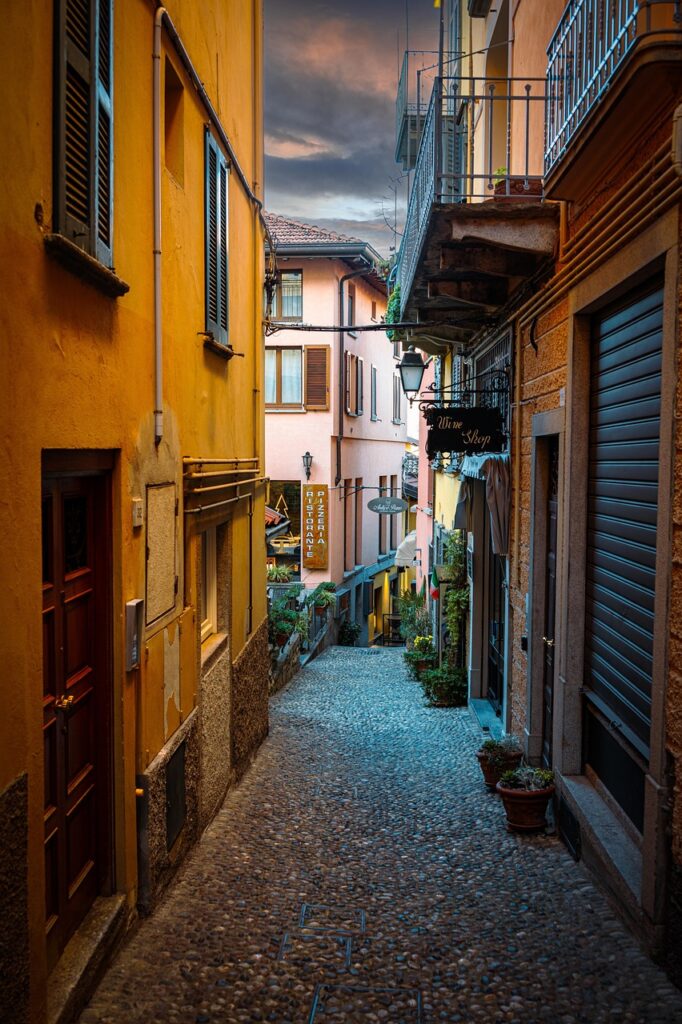
Siena isn’t just a city to see—it’s a city to feel. Tucked into the rolling hills of Tuscany, it keeps a surprisingly vibrant medieval soul, where every cobblestone tells a story and the narrow lanes beg to be explored. This walk through Siena’s secret alleys is for curious travelers who want to veer off the beaten path, linger over the sienna-colored façades, listen to the echo of footsteps, and breathe in the smells of freshly ground coffee and simmering tomato sauce in a corner osteria. Time seems to stretch here; the major monuments draw the eye, but it’s the tucked-away nooks—the shady passageways, tiny hidden squares, ceramic workshops and leather shops—that give you the city’s true measure.
In Siena, architecture, culinary traditions and neighborhood festivals (most famously the Palio di Siena) are woven into everyday life. But the city also offers moments of delicious solitude: a carved wooden door opening onto a private garden, a loggia where locals chat after the market, a medieval fountain still used to fill a fresh water bottle. In this article I’ll guide you through my strolls, giving not only the must-see landmarks to help you orient yourself, but also precise addresses, opening times, prices and practical tips to experience Siena like a local, not just a passing tourist.
We’ll cross the majestic Piazza del Campo together, but quickly slip into less-traveled lanes; we’ll visit the spectacular Cattedrale di Santa Maria Assunta and its surroundings (with practical details to make the most of your visit), then discover more discreet spots: artisan workshops, small neighborhood churches and contrada museums. Finally, I’ll share concrete tips—when to avoid crowds, how to get around on foot, where to buy local specialties (panforte, ricciarelli), and little courtesies to know when talking with the Sienese. Lace up your walking shoes: the hills are real and the cobbles can be slippery, but every step rewards you with a view, a sculpted detail or a trattoria where you’ll dine like family.
 Click here to discover Siena with a guided walking tour
Piazza del Campo and Its Surroundings: The Beating Heart and Its Edges
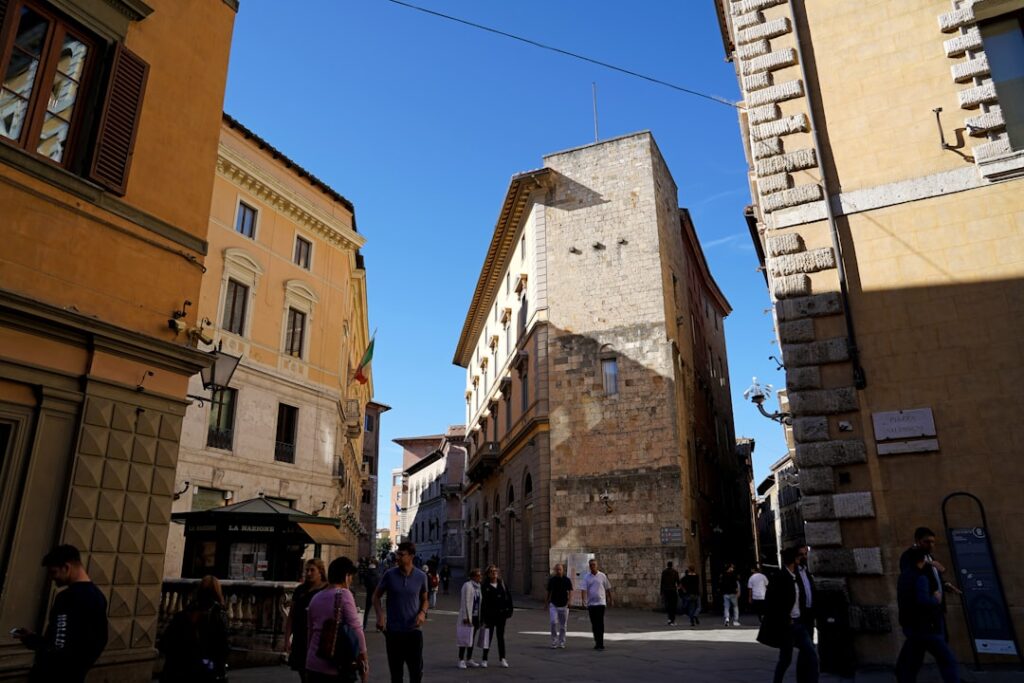
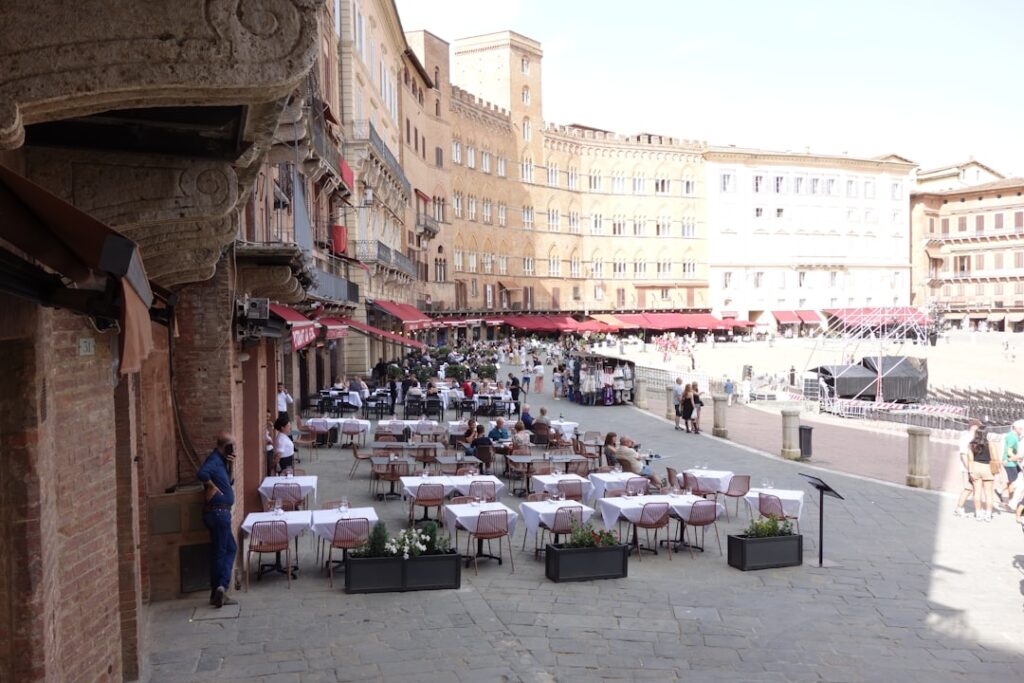
Piazza del Campo is Siena’s social and tourist heart, and also the perfect starting point for diving into the neighboring alleys. Exact address: Piazza del Campo, 53100 Siena SI, Italy. The shell-shaped square is lined with Gothic palaces and dominated by the majestic Palazzo Pubblico, home to the Museo Civico. If you want to climb the Torre del Mangia for a 360° view, access is through the Palazzo Pubblico (entry: Palazzo Pubblico – Museo Civico, Piazza del Campo 1, 53100 Siena). Indicative combined price for Palazzo Pubblico + Torre del Mangia: around €15 per person (reduced rates often available for students and seniors). Hours: in high season typically 10:00–19:00; off-season hours vary, so check the official site. Entry to the piazza is, of course, free, but access to monuments usually requires a ticket.
Piazza del Campo gets crowded from about 10:00 to 17:00, especially in summer. Practical tip: arrive early (around 8:00–9:00) to enjoy the soft morning light and watch cafés setting out their tables. After taking in the square, head down Via di Città or Via Banchi di Sopra and turn right whenever you spot a narrow passage: it’s in those snickleways that you’ll find family-run pastry shops and local stores where prices tend to be more reasonable than right around the piazza.
A short walk away, don’t miss the Enoteca Italiana (address: Piazza Matteotti, 2, 53100 Siena SI, Italy), a great spot for tasting Tuscan wines. Guided tastings start from €15. Hours: generally 10:00–20:00 (closing times vary in low season). Again, book ahead in high season to secure a spot. Heading southeast from the Piazza, look for small ceramic plaques that mark the entrances to the contrade: following these signs will lead you through neighborhoods rich in tradition and small local museums.
Click here to book a wine tasting in the historic center
Secret Lanes in the Contrada Neighborhoods: Tradition and Intimacy
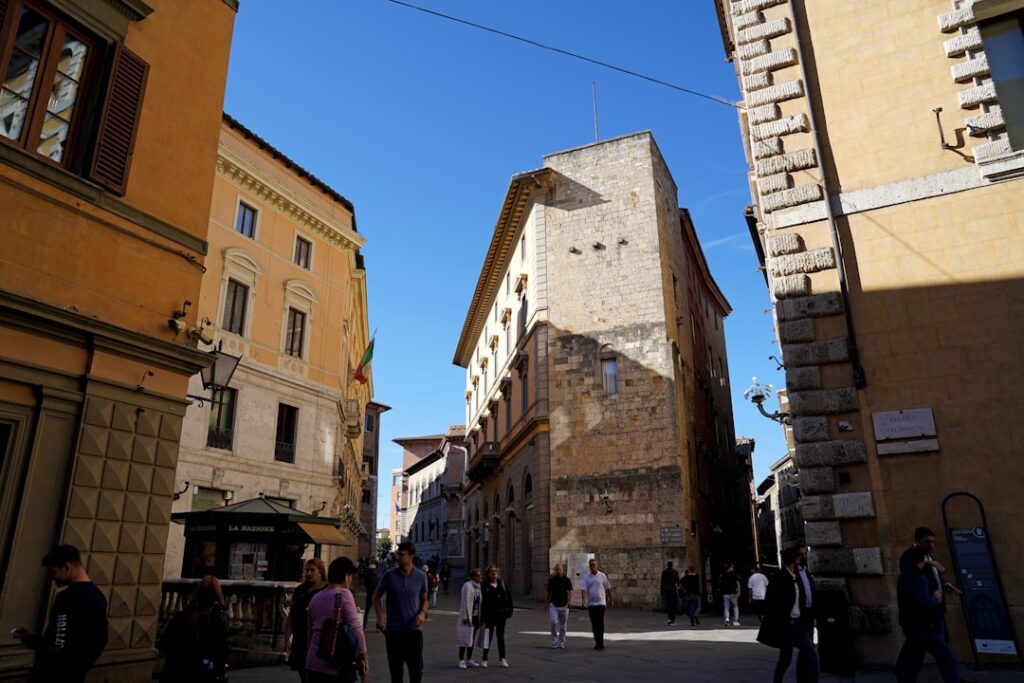
Siena is organized around 17 contrade (districts) that pulse to the rhythm of the Palio. Each has its own headquarters, museum, flag and residents fiercely proud of their identity. To feel the city differently, set off to explore the contrade—particularly Contrada del Drago, Contrada della Tartuca and Contrada del Nicchio—where the alleys take on an almost theatrical quality. One concrete example: the Contrada della Tartuca has its headquarters (casa della contrada) where internal exhibitions and archives are held, often on side streets near Via di Città; official addresses can change depending on events, so it’s a good idea to ask locals or the tourist office (Ufficio Turistico Siena, Piazza del Campo) about visits by appointment.
Getting lost among ochre façades and worn stone steps you’ll find small squares hung with laundry, wrought-iron signs for workshops, and sometimes discreet frescoes. The contrada museums open occasionally to display costumes, banners and paintings tied to the Palio. Visits are often free or pay-what-you-wish, but show respect: many places are run by volunteer associations. Tip: if you want to photograph a contrada’s interior, ask for permission—some items are private or religious in nature.
For a fully immersive experience, plan your exploration for the morning or late afternoon: low-angle light transforms the alleys and makes architectural details more photogenic. Practically speaking, know that some contrade include steep staircases and very narrow passages—travel light and wear closed shoes. Don’t forget to pop into a local grocery (alimentari) and pick up a slice of salame or a piece of panforte; it’s a welcome pause and a chance to exchange a few words in Italian.
Click here to explore the contrade with a private walking tour
Hidden Monuments and Lesser-Known Treasures: Duomo, Santa Maria della Scala and More
The imposing Cattedrale di Santa Maria Assunta (Duomo di Siena) is located at Piazza del Duomo, 8, 53100 Siena SI, Italy. It’s a must-see, but I recommend planning your visit to avoid crowds and not miss the annexed spaces that are often overlooked: the Battistero di San Giovanni, the Sala del Mappamondo and the Biblioteca Piccolomini (often accessible via the Museo dell’Opera del Duomo). Combined pass for Duomo + Museo dell’Opera + Baptistery + Facciatone costs around €15–20. Typical hours: 10:30–19:00 (hours change with season and religious services; check the Duomo’s official site).
Right opposite the Duomo lies the sprawling Santa Maria della Scala, a former hospital turned cultural center and museum (address: Piazza del Duomo, 2, 53100 Siena SI, Italy). Tickets: about €8–12. Hours: usually 10:00–19:00, with seasonal variations. Santa Maria della Scala offers archaeological exhibits, medieval frescoes and underground routes—an excellent place to understand Siena past and present, exploring spaces that once cared for and housed pilgrims.
A quiet gem: the Fontebranda, a medieval fountain located in the Fontebranda neighborhood (approximate address: Via di Fontebranda, 53100 Siena SI, Italy). Mentioned in the Divina Commedia, this watering point has kept its charm and makes a refreshing stop—perfect for filling a water bottle before continuing your walk. Another spot for art and history lovers is the Museo dell’Opera del Duomo (near the Duomo), which houses sculptures and artworks originally destined for the cathedral. Consider buying a combined ticket to save time and money.
Practical tips for visiting these monuments: buy tickets online when possible (to avoid queues), arrive outside church service times (often 12:00–15:00), and respect dress codes for religious sites (shoulders and knees covered). If you want to photograph interiors without flash, ask permission—some museums ban flash to protect frescoes.
Click here to book your ticket for Siena Cathedral
Sensory Experiences: Markets, Cafés, Artisan Workshops and Food
Siena’s secret lanes come alive thanks to neighborhood markets, small cafés and artisan workshops that preserve age-old crafts. A must-visit market is the one along Via Pantaneto and nearby streets (general address: Via Pantaneto, 53100 Siena SI, Italy), where you’ll find clothing, local products and fresh fruit. Hours: generally 8:00–13:00; closed on Sundays. For a coffee break, try traditional cafés near Piazza del Campo and along Via di Città—an espresso will cost between €1.20 and €2.50 depending on the spot.
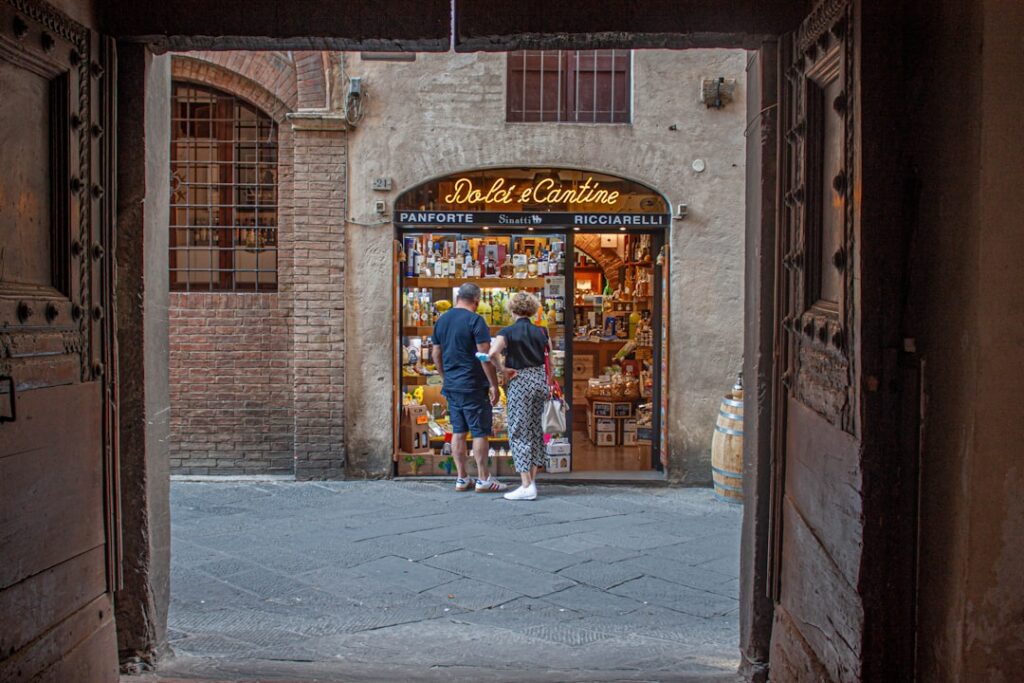
Leather and ceramic artisans often have shops in lanes like Via Salicotto or Via delle Sperandie. Small studios sometimes offer demonstrations by appointment: a leather workshop can make a customized piece in a few days (indicative price: a coin purse or small pouch €30–70). Look for studios with reviews and favor buying directly to support local craftsmen.
On the food front, Siena has specialties to enjoy in simple, welcoming settings. Don’t miss:
- Panforte di Siena — a spiced, dense cake: available in historic bakeries, priced €7–15 depending on size.
- Ricciarelli — almond biscuits often sold in decorative tins: €5–10.
- Pici al ragù — thick local pasta served with a rich sauce; a trattoria plate ranges from €8–14.
For wine tasting, return to the Enoteca Italiana (Piazza Matteotti, 2) or hunt for a small osteria in the lanes near Santo Spirito. Glasses start around €4–6. Tip: order an antipasto to share and a few cichetti to taste several flavors without overspending.
Click here to sample local specialties on a culinary walking tour
Practical Tips for the Walk: Safety, Getting Around and Seasons
Wandering Siena’s alleys is generally safe: the city is calm and people are welcoming. However, as with any tourist destination, a few practical tips will help you get the most out of your visit:
- Shoes: choose closed, non-slip shoes—medieval cobbles are uneven and can be slippery, especially after rain.
- Luggage: avoid large bags; a small backpack or a crossbody bag worn in front is recommended in narrow lanes.
- Timing: for a quieter city, visit early morning (8:00–10:30) or late afternoon (17:00–20:00). Museums often close between 13:00 and 15:00 for breaks.
- Transport: Siena is best explored on foot. Parking in the historic center is limited; if you arrive by car, use an outer parking lot (e.g. Parcheggio Il Campo, address: Via del Capitano, 53100 Siena—rates vary by season).
- Language: a few Italian words go a long way: “buongiorno”, “grazie”, “per favore”. The Sienese appreciate the effort.
Finally, plan your visits around the local calendar: the Palio di Siena (twice a year, on July 2 and August 16) transforms the city—an unforgettable experience, but prices soar and access to many alleys is often restricted. If you want to avoid crowds, steer clear of those dates. If you want to be part of it, book accommodation and tours months in advance.
Click here to Join a Palio walking tour of Siena
CONCLUSION
Exploring Siena’s secret alleys means allowing yourself to slow down and let the city surprise you. You’ll leave with vivid images: a Tuscan sky slicing across a narrow cornice, an artisan’s wrought-iron sign twinkling at dusk, the golden dust that still seems to cling to a medieval fresco. The specific addresses and opening hours given throughout this article—Piazza del Campo (Piazza del Campo, 53100 Siena), Palazzo Pubblico (Piazza del Campo 1), Duomo di Siena (Piazza del Duomo 8), Santa Maria della Scala (Piazza del Duomo 2), Enoteca Italiana (Piazza Matteotti 2)—will help you plan your route without losing the essential thing: the joy of the unexpected.
Remember that Siena’s treasures are found as much in grand works as in tiny details: a carved door knocker, a hand offered to point the way, the scent of a focaccia coming out of the oven. Respect the places you visit, buy local when you can, and take the time to step into a contrada museum or talk with an artisan. The prices and hours listed are typical estimates: for the latest information consult official sites or contact local tourist offices before your trip.
Finally, let yourself be carried along: intentionally get lost, retrace your steps, emerge down a completely different street. Siena’s intimate, secret side reveals itself through repetition, attentive looking and encounters. You’ll often return with the same feeling: that you’ve brushed against a city that still lives by its own rules, where history blends with daily life and every lane hides a small miracle. Buon viaggio e buona scoperta!