





Introduction
Siena, tucked into the heart of Tuscany, is a place where time seems to have paused to reveal an extraordinary artistic legacy. At the center of this medieval city stands the Duomo di Siena, officially the Cattedrale di Santa Maria Assunta, a history book carved in marble. While many travelers know the polychrome façade and the soaring apse, an equally dazzling but more discreet treasure lies under visitors’ feet: the mosaics and intarsi (marble inlay panels) of the cathedral floor. Often referred to as the pavimenti, these panels open like a picture library—mixing myth, biblical episodes, allegory and the visual language of medieval and Renaissance knowledge.
The hidden mosaics of Siena Cathedral are not isolated artworks; they form a symbolic and technical route of rare complexity. Created between the 14th and 19th centuries by a constellation of artists—including Domenico Beccafumi, Sano di Pietro and Paolo di Giovanni Fei—these scenes in marble and glass paste demand patience and a keen eye: sometimes covered with protective boards during high season, sometimes fully revealed during special openings. They tell the story of a city that made a way of life—and a way of thinking—into art, using the floor as a discreet classroom and a means to celebrate civic identity.
In this article we’ll explore these secret mosaics: how they were conceived, exactly where to find them within the Duomo complex, how to read them (iconography and symbols), plus practical tips to see them under the best conditions—addresses, opening hours, prices in euros, local connections, photography tips, best times to visit and guidance to preserve the experience. You’ll find concrete, immersive pointers so your visit to the Cattedrale di Santa Maria Assunta is complete, respectful and unforgettable.
The site and context: Duomo di Siena and its complex
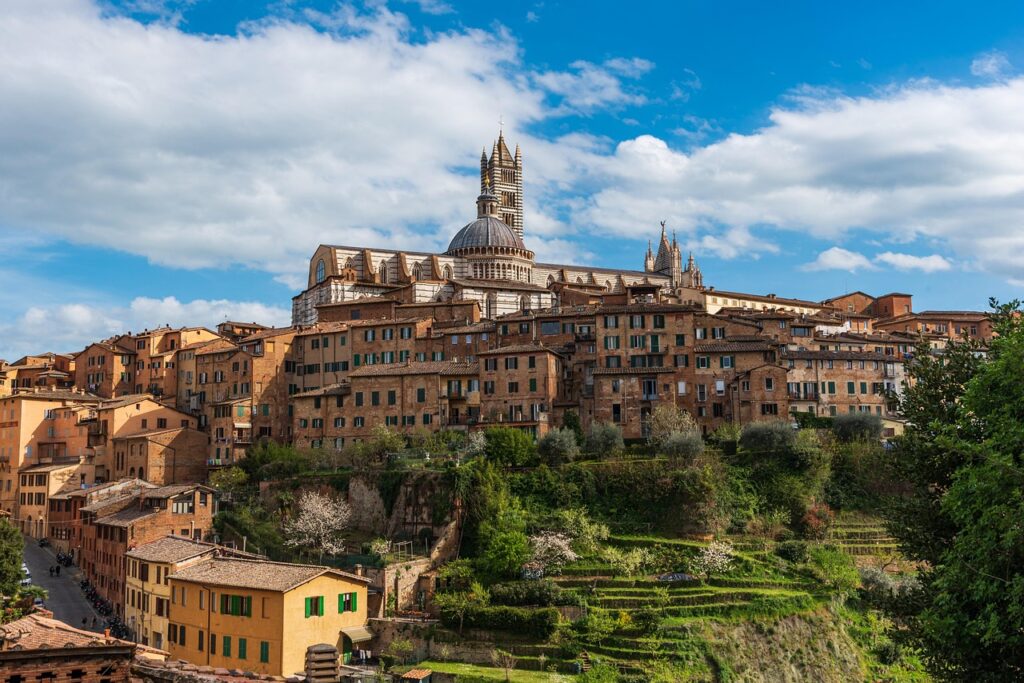
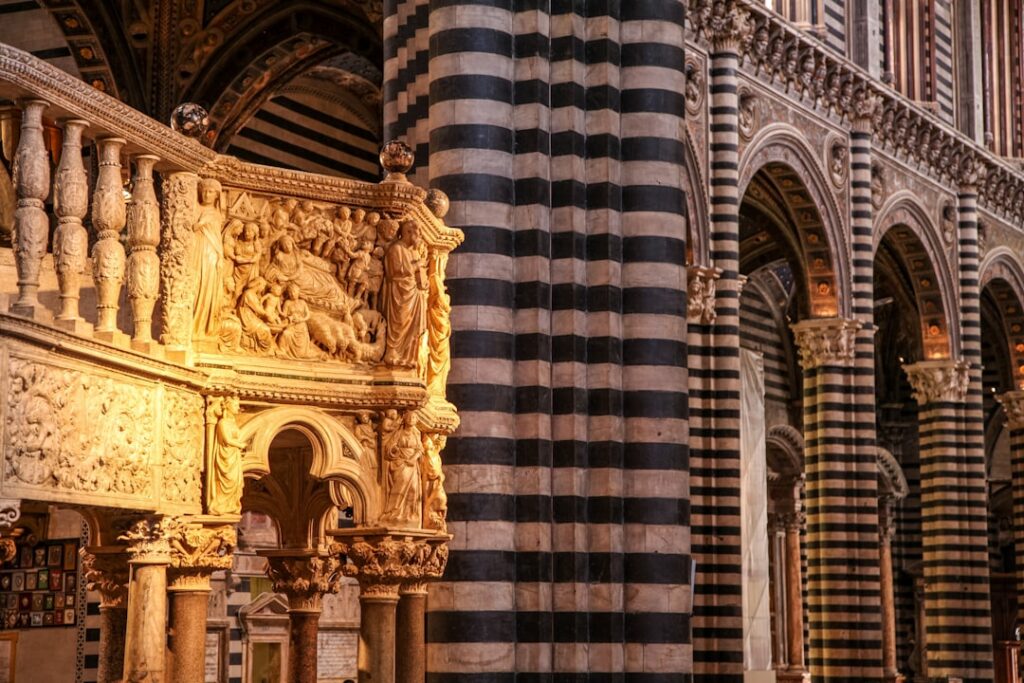
Siena Cathedral sits at Piazza del Duomo, 8, 53100 Siena SI, Italy. It’s not just an isolated church: it’s part of a large museum complex run by the Opera della Metropolitana di Siena, which includes the Cattedrale di Santa Maria Assunta, the Libreria Piccolomini, the Battistero di San Giovanni, the Crypta della Cattedrale, the Museo dell’Opera del Duomo and the Facciatone (the terrace of the unfinished cathedral). The Opera’s administrative address is the same: Piazza del Duomo 8, 53100 Siena.
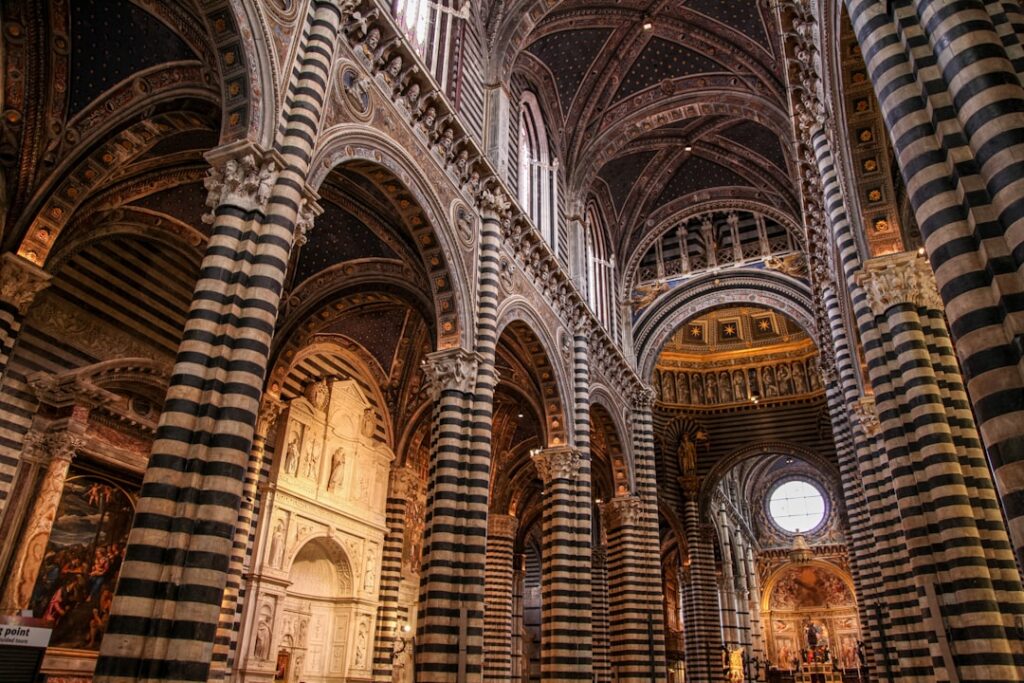
How do you access it? The main entrance opens onto the white-and-dark-green marble façade and leads into a vast central nave. The floor, a collective masterpiece, unfolds beneath your feet like a narrative carpet. It’s made up of about 56 panels, many of which are covered by removable boards in summer to protect them from wear caused by thousands of footsteps. The most famous panels—such as those by Domenico Beccafumi and the works related to Jacopo della Quercia—are sometimes fully uncovered in the low season or for special exhibitions.
 Click here to buy your ticket for the cathedral and the Libreria Piccolomini
Useful details:
- Full name: Cattedrale di Santa Maria Assunta (Duomo di Siena)
- Address: Piazza del Duomo, 8, 53100 Siena SI, Italy
- Managed by: Opera della Metropolitana di Siena
- Indicative combined ticket prices: €15.00 for combined access (adult), reduced €10.00, free for children under 6 (indicative rates—check the official site)
- Typical opening hours: Duomo 10:30–19:00 (last entry 18:00) ; Libreria Piccolomini 10:00–18:00 — please verify before you go
The mosaics and floor panels: history and techniques
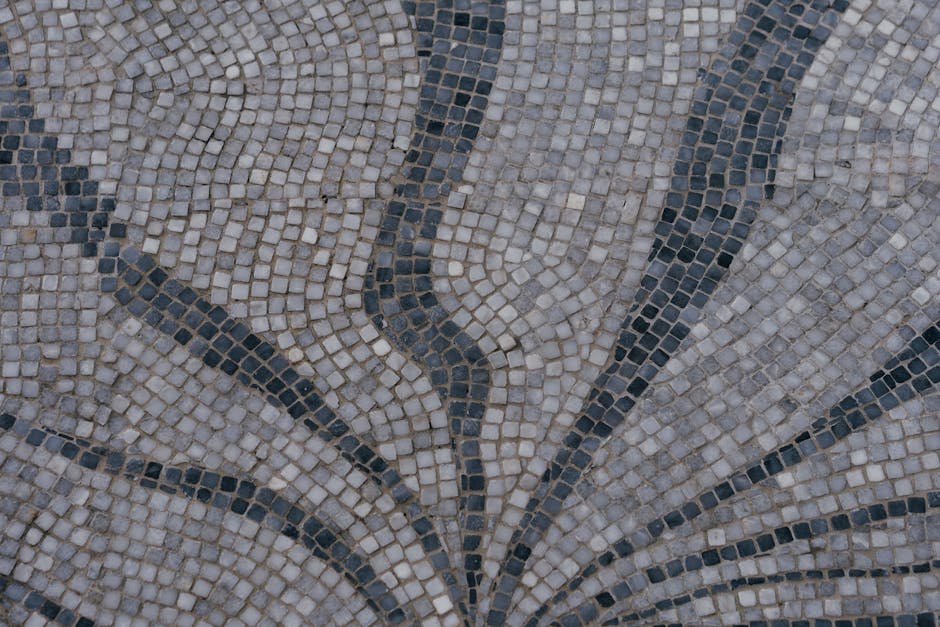
The Duomo’s floor is a palimpsest of periods and styles. Contrary to the common idea of tessellated mosaics, many panels are actually marble marquetry (intarsi) combined with small areas of glass paste or metal—techniques akin to wood marquetry but executed in stone. The earliest panels date from the 14th century, and work continued through the 19th century, which explains the stylistic richness: Gothic, proto-Renaissance, Mannerist and late Baroque pieces follow one another within a coherent iconographic program.
Notable artists include Domenico Beccafumi (1486–1551), responsible for several very refined panels, and Jacopo della Quercia, whose work inspired many followers. Techniques employed include:
- Intarsio di marmo: assembling cut pieces of marble to create a flat image.
- Pietra dura: using small inlays of colored stone that resemble thin pictorial panels.
- Glass and metal insets: enamelled or reflective elements to intensify color and shine.
These panels require complex conservation: to protect them, the Opera della Metropolitana often covers portions of the floor during the busy tourist months. To see the pavements fully « unveiled » you’ll often need to visit outside summer or join special tours that uncover the protected panels. The fragility of the materials and the historical value of the works mean that professional photography requires authorization.
Reading the images: iconography, myths and symbols
To read the Duomo’s floor is to enter a visual discourse where every detail matters. The panels combine biblical episodes (life of Moses, Last Judgment), allegorical figures (the Virtues, the Liberal Arts), mythological narratives (classical scenes reinterpreted) and local scenes tied to Siena’s history. Some panels celebrate the city’s mythical foundation, biblical episodes act as moral exempla, while allegories of Wisdom or Justice point to the civic ambitions of the Republic of Siena.
A few concrete examples:
- The Panel of Justice (attributed to the school of Paolo di Giovanni Fei): an allegorical depiction with scales and symbolic figures.
- The Life of Moses: a narrative sequence illustrating law and spiritual inheritance, resonating with local religious institutions.
- The Virtues and the Liberal Arts: didactic panels intended to educate citizens in moral and intellectual virtues.
For the visitor, the key to interpretation lies in observing attributes (objects the figures hold), occasional Latin inscriptions and stylistic details. A knowledgeable local guide or the Duomo’s audio guide can turn a contemplative visit into a rich, nuanced interpretive experience.
Planning your visit: hours, tickets, best seasons and practical tips
Planning to see the mosaics under the best conditions takes a little prep. Here are practical, up-to-date tips to keep in mind:
- Starting address: Piazza del Duomo, 8, 53100 Siena SI, Italy.
- Tickets: The combined “Opera del Duomo” ticket usually grants access to several sites in the complex (Duomo, Libreria Piccolomini, Battistero di San Giovanni, Crypta, Museo dell’Opera and Facciatone). Indicative price: €15.00 (adult), reduced €10.00; free entry for children under 6. Prices may vary by season and special exhibitions. Buy online via the official Opera della Metropolitana di Siena to avoid queues.
- Opening hours: Typical hours: Duomo 10:30–19:00 ; Libreria Piccolomini 10:00–18:00 ; Battistero di San Giovanni 10:00–17:00. Religious services can temporarily change access; hours vary by season—check before you travel.
- Best time to visit: late September through May to see more panels uncovered (many panels are covered during the peak tourist months, usually June–September).
On-site tips:
- Get an audio guide or book a specialist guided tour focused on the pavement: the iconography is dense and benefits greatly from an expert’s explanation.
- Favor weekday mornings for smaller crowds and softer light on the marble.
- Respect the panels: don’t place objects on the floor, walk only in designated aisles and follow the Opera staff’s directions.
- Photography: permitted for personal use, but tripods, flash and professional gear require specific authorization.
- Combine your visit with the Libreria Piccolomini (Address: Libreria Piccolomini, Piazza del Duomo, 8) to admire frescoes and manuscripts that complement the floor’s iconographic program.
Click here to book a guided walking tour with skip-the-line Duomo tickets
Further experiences: continue the discovery around Siena
After you’ve explored the floor mosaics, several nearby sites naturally extend the conversation between art, history and civic memory.
- Libreria Piccolomini (Piazza del Duomo, 8, 53100 Siena): a library decorated by Pinturicchio with elegantly executed frescoes, offering humanist and literary context to the floor panels. Hours: 10:00–18:00 (check opening times).
- Museo dell’Opera del Duomo (Piazza del Duomo, 13): a collection of original works removed from the cathedral, including sculptures and reliquaries—admission usually covered by the combined ticket; ideal for comparing techniques and seeing preparatory drawings.
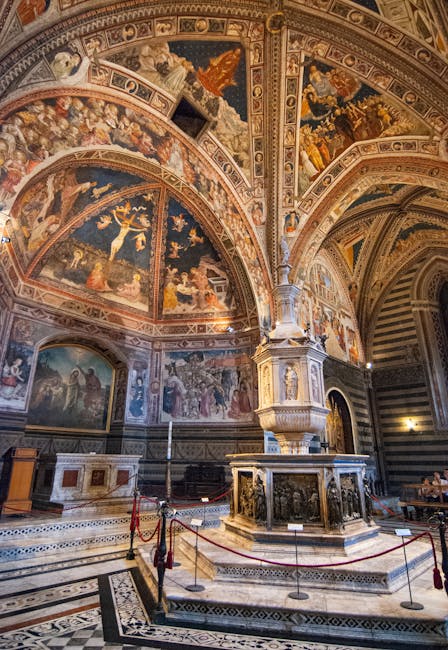
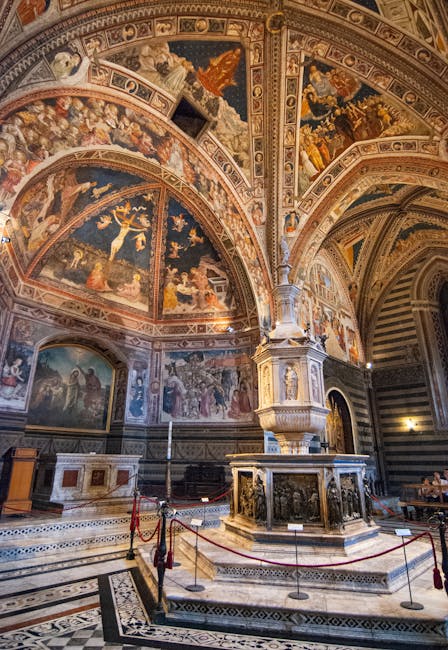
- Battistero di San Giovanni (Piazza del Duomo): the adjacent baptistery with fonts and decorations that continue the Duomo’s sculptural language.
- Facciatone (Complesso Museo Santa Maria della Scala): climb the terrace for panoramic views of the city and a vantage point that lets you imagine the floor from above (if open to visitors).
Food tip: to round off the sensory experience, try a Sienese specialty at the nearby Caffè «Caffè di Soffio» or a trattoria near the Piazza del Campo—for example, a plate of pici all’aglione (local pasta) with a glass of Chianti Classico. Carry a small notebook to jot down panel numbers and motifs that caught your eye: it’s a fun way to turn your visit into a personal research project.
Click here to book a city tour with Duomo entry and panoramic views
Click here to taste Chianti wines and olive oil with cellar visit
Conservation and contemporary challenges
Preserving the Duomo’s mosaics raises both technical and ethical questions. Marble and inorganic materials are not immune to deterioration: humidity, temperature changes and foot traffic cause wear and micro-cracks. Recent restorations, carried out by specialist conservation teams, combine modern technologies (3D scanning, mineralogical analyses) with traditional craftsmanship to stabilize the panels and restore original colorings.
Conservation actions include:
- Targeted consolidation of joints and removal of accumulated dirt.
- Seasonal protection policies (covering panels during the busiest months).
- Digital projects: high-resolution digitization of panels to enable remote study and virtual sharing without physical impact on the works.
Visitors can help preserve the mosaics through simple actions: follow the indicated routes, respect prohibitions, avoid using flash and don’t touch the surface. Supporting the Opera by buying official tickets, making donations or joining patronage programs is another concrete way to contribute to safeguarding this heritage.
Conclusion
The hidden mosaics beneath Siena Cathedral form a delicate, layered conversation between art, faith, politics and knowledge. Walking across these panels is to move through a multi-voiced story where every image was designed to instruct and to move the viewer. For the visitor hungry for meaning, the floor is not mere decoration: it’s an open library beneath your feet, a series of visual riddles to be deciphered with patience, context and curiosity. Take the time to observe, read the figures’ attributes, listen to a knowledgeable guide, and pair your visit with the Museo dell’Opera and the Libreria Piccolomini to grasp the work in its entirety.
Visit respectfully: check official opening hours before you go (Opera della Metropolitana di Siena), buy a combined ticket to optimize entry to the complex (prices around €15.00 for adults, reduced rates available), choose less crowded periods (late September–May) and consider booking a specialist guided tour if you want to delve into the iconography. Finally, let yourself be surprised by these hidden scenes: sometimes the poetry is in a tiny detail, a glass inlay, or the way morning light kisses a particular stone.
Leaving from Piazza del Duomo, 8, 53100 Siena SI, Italy with address and hours at hand, you’re ready for a unique Siena experience, where the ground becomes narrative and silence invites you to listen to centuries of history. Whether you’re an amateur historian, an art lover, or a traveler seeking wonder, the mosaics of Siena Cathedral offer one of Tuscany’s most refined and intimate readings.
Click here to enjoy a grand wine tasting in an Etruscan crypt