





Introduction: getting lost to really find Siena
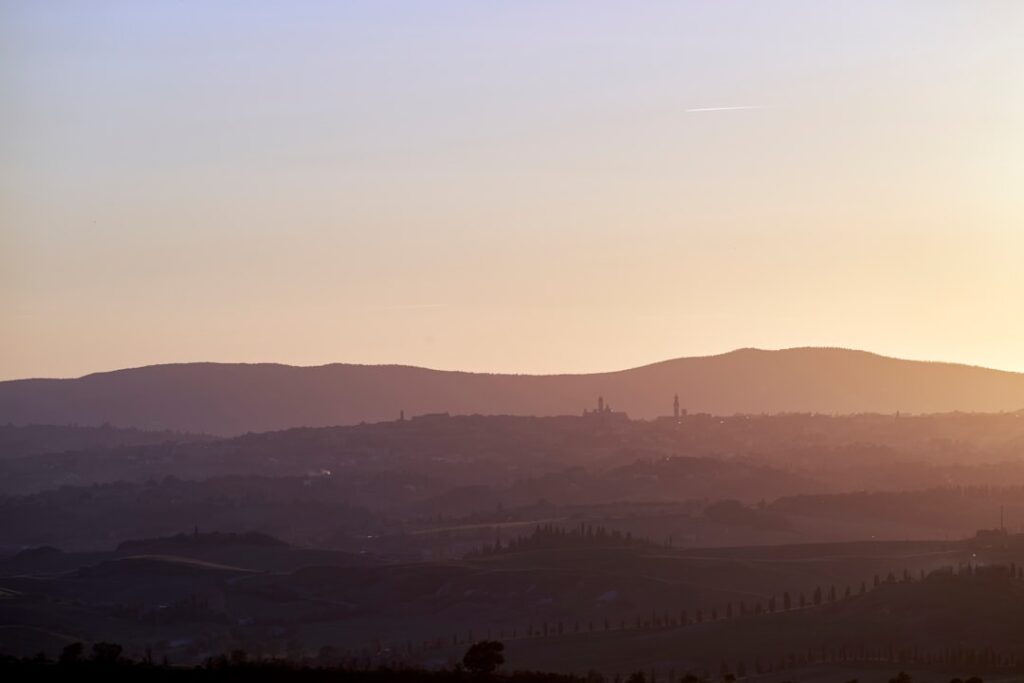
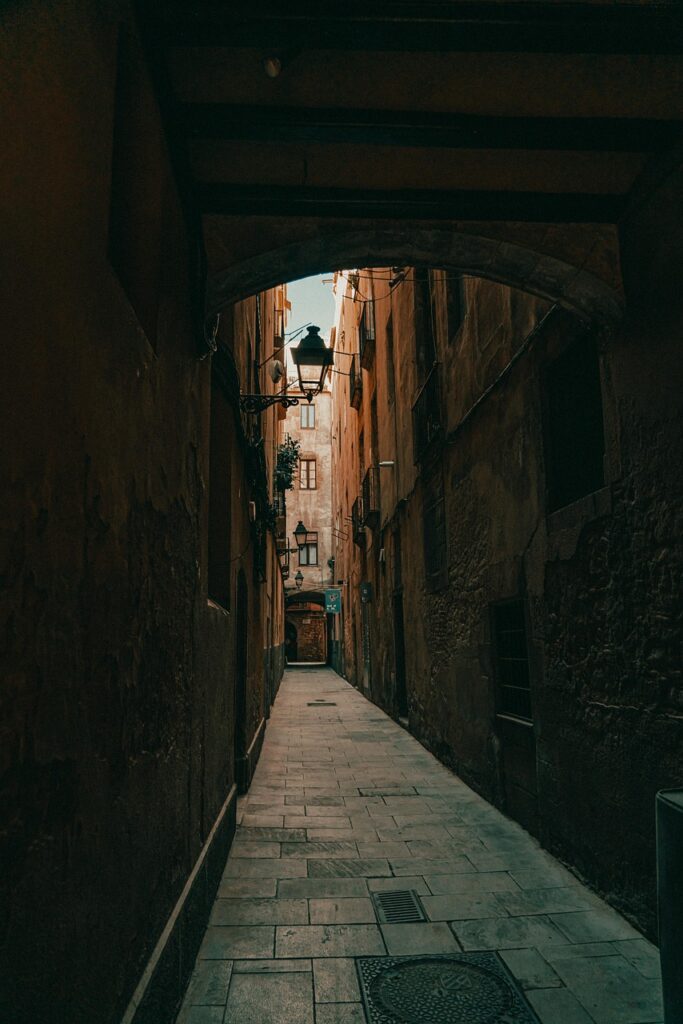
Siena (Siena in Italian) is one of those Italian towns where time seems to have decided to pause. Wander its narrow, selciato‑paved lanes and loop around its medieval squares and you’ll find a patchwork of art, architecture and living traditions. This guide lays out a one‑day walking route designed for travelers who want to see Siena’s essentials without rushing — favoring a slow, immersive and attentive experience.
Siena’s historic center is a UNESCO World Heritage site. Its medieval street plan concentrates a remarkable number of monuments into a compact area: the majestic Piazza del Campo, the campanile and dome of the Cattedrale di Santa Maria Assunta (Duomo di Siena), the frescoes and rooms of the Palazzo Pubblico, plus museums that tell the civic and religious story of the city. Walking Siena is reading history underfoot, touching stones smoothed by centuries of footsteps and smelling the simmering sauces of neighborhood trattorie.
This route covers roughly 6–8 km in total (depending on variations) and is designed to start in the morning at Piazza del Campo and finish late afternoon around the Duomo quarter. Each stop gives precise addresses, typical opening hours, indicative prices in euros and practical tips (best times to visit, access, toilets, small money‑saving tricks, safety and respectful behavior). The hours and prices listed reflect common practice but can change seasonally or be altered by exceptional closures: always check official sites or call ticket offices before you go.
The tone of the stroll is unhurried and curious: photo breaks, a panino from a local maker, climbing a tower for panoramic views of roofs and Tuscan hills, exploring a little‑visited crypt and finding a bench to watch square life. This guide also offers rainy‑day alternatives, tips for saving time at ticket desks, and recommendations for a typically Sienese lunch.
Step 1 — Piazza del Campo and Palazzo Pubblico: the civic heart
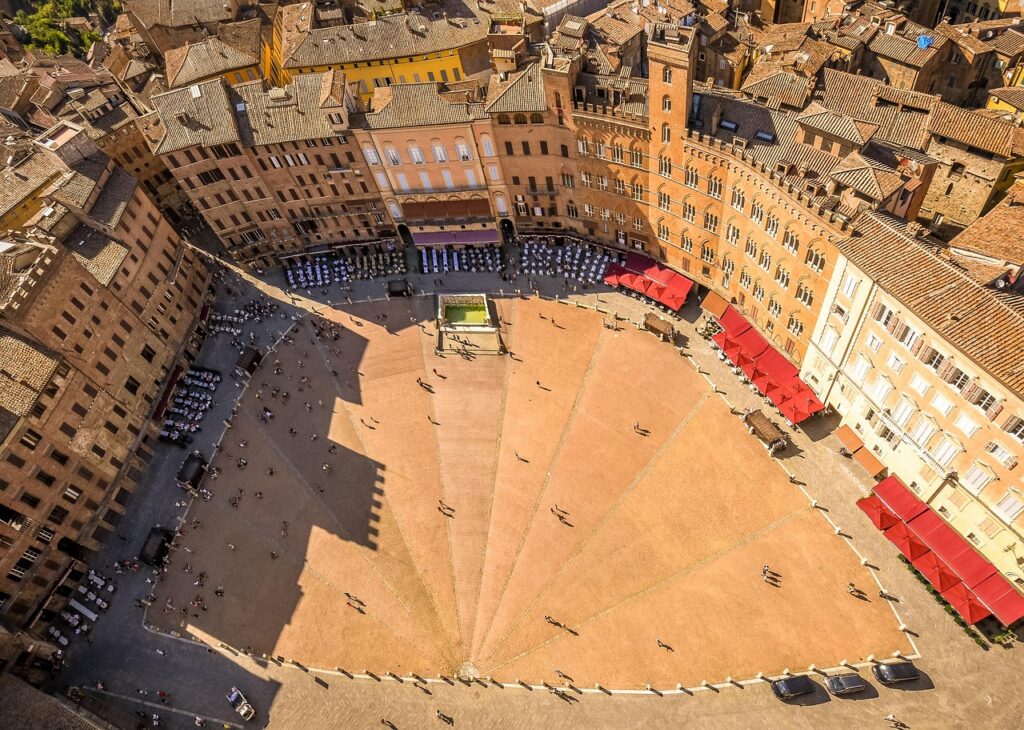
Start your day right on the Piazza del Campo, Siena’s civic soul. Address: Piazza del Campo, 53100 Siena SI, Italy. This shell‑shaped square, ringed by medieval buildings and loggias, is world famous for the Palio di Siena, the horse race held twice a year (July 2 and August 16). The square’s brick paving, laid in the « grosso » pattern, is divided into nine sections representing the city’s historic political organization, the « contrade. »
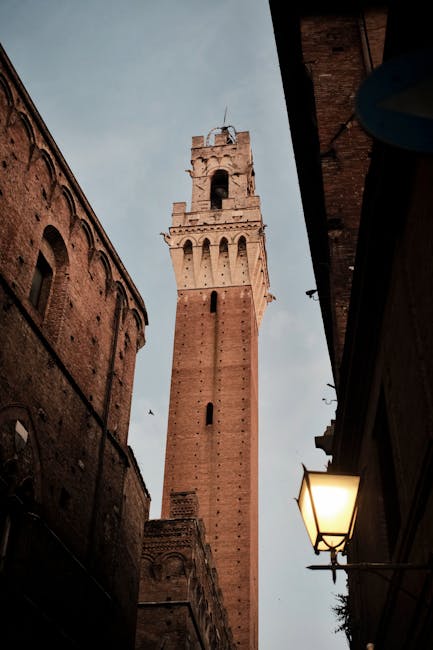
Facing the square stands the Palazzo Pubblico and its tall tower, the Torre del Mangia. Address: Palazzo Pubblico, Piazza del Campo, 1, 53100 Siena SI. The Museo Civico (housed in the Palazzo Pubblico) showcases masterpieces of Sienese painting, including Simone Martini’s famed « Maestà » and Ambrogio Lorenzetti’s panels « Effects of Good and Bad Government. » Museo Civico opening hours: typically 10:00–19:00 (last entry 18:00). Indicative price: €8.00–€12.00 (full price; reduced rates for students/young visitors available).
The Torre del Mangia is visited separately (opening hours: 10:00–19:00, seasonally variable). Tower entrance address: Piazza del Campo, 1, 53100 Siena SI. Approximate price: €10.00 (full fare). The climb — roughly 400 steps — rewards you with spectacular views over Siena’s roofs and the Tuscan countryside. Practical tip: go early to avoid summer heat and crowds; the tower isn’t recommended for those with severe vertigo or very young children.
Other services: public toilets are located at the lower level of the square (cost: €1.00), plus post offices and a few luggage storage options nearby (check availability). Coffee break: numerous bars and cafés line the square — expect slightly higher prices for a seat with a view; to save, drink your espresso at the counter.
 Click here to book a guided walking tour of Siena
Step 2 — Duomo di Siena and the cathedral complex: religious splendor
A five‑minute walk from Piazza del Campo takes you into the Duomo quarter to visit the Cattedrale di Santa Maria Assunta (Duomo di Siena). Address: Piazza del Duomo, 8, 53100 Siena SI. This masterpiece of Italian Gothic architecture stands out for its polychrome façade in white, green and red marble and its interior laid out in dramatic black and white marble patterns.
The Duomo complex includes several ticketed sites that are often bundled into a combined ticket (Opera del Duomo). Key sites:
- Duomo di Siena (the cathedral) — Typical hours: 10:00–19:00 (closed during some services); standalone visit fee: often included in the combined ticket, otherwise around €3.00–€5.00
- Museo dell’Opera del Duomo (Museum of the Opera) — Address: Piazza del Duomo, 8; Hours: 10:00–17:00; Combined ticket: €12.00–€20.00 (covers Duomo, Baptistery, Museum, Facciatone)
- Battistero di San Giovanni (Baptistery) — located to the right of the Duomo; often included in the ticket; similar opening hours
- Facciatone / Museo della Cattedrale — panoramic terrace and unfinished remains; great photo spot.
The artistic legacy is impressive: the cathedral’s Piccolomini Library displays colorful frescos by Pinturicchio; the Duomo’s floors are made up of carved and inlaid marble panels, which are protected by barriers and are only fully accessible during specific periods (guided tours sometimes available at extra cost). For an immersive experience, take time to read the details in the side chapels, admire sculpted tombs and stained glass.
Practical tips: buy the combined ticket in advance (on the Opera Duomo di Siena official site) to save time and often money. Photograph respectfully: flash may be restricted in certain spaces. If you’re religious, check mass schedules — the cathedral’s public hours can change during liturgical celebrations.
Click here to buy your ticket for the cathedral and Piccolomini Library
Step 3 — Santa Maria della Scala and Siena’s caring soul
Opposite the Duomo is the Museo di Santa Maria della Scala, once a hospital for pilgrims and children and today a museum of art and history. Address: Santa Maria della Scala, Piazza del Duomo, 2, 53100 Siena SI. Its vast halls and crypt tell the long charitable history of the city, with medieval frescoes and contemporary exhibitions.
Typical hours: 10:00–19:00 (seasonal closures possible); Indicative price: €10.00 (full fare). The visit is particularly moving: descend into hospital wards, semi‑subterranean spaces where the sick were treated, paintings devoted to saints and accounts of daily life in a medieval institution. Don’t miss rooftop views over the city from certain terraces and the rich collection of sacred art.
For immersion: enter through the Porta del Pellegrino (the historic pilgrims’ gate) and follow the chronological route that alternates archaeological areas and themed exhibitions. Children can be engaged by interactive panels and occasional workshops. Audio guides: available in several languages; rentals on site cost roughly €3–5.
Local tips: take time to read the explanatory plaques and spot Latin inscriptions on the walls. The site often hosts high‑quality temporary exhibitions; if you have a particular interest (archaeology, sacred art, history of medicine) check the program before your visit. Access: the museum is pushchair‑friendly in parts, but some archaeological zones are uneven; sturdy closed shoes are recommended.
Click here to book a walking tour with Duomo entry
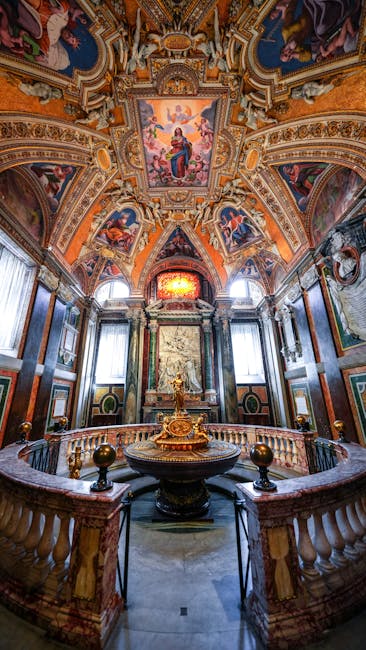
Step 4 — Pinacoteca Nazionale and artistic backstreets
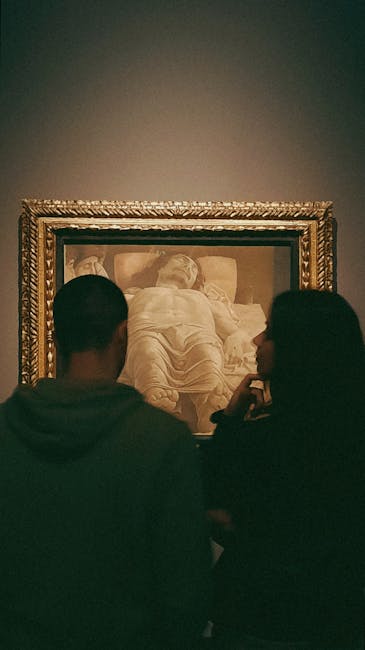
About a ten‑minute walk from the Duomo is the Pinacoteca Nazionale di Siena, home to one of the most important collections of Sienese painting. Address: Pinacoteca Nazionale, Via San Pietro, 33, 53100 Siena SI. The museum preserves major works from the 13th to the 16th centuries, with panels by Ambrogio Lorenzetti, Duccio di Buoninsegna and Simone Martini.
Typical hours: 8:15–19:15 (extended hours in high season and on some holidays); Indicative price: €8.00–€12.00. Allow at least 1h30 for a focused visit: the rooms are arranged by theme and period and help you understand the development of the Sienese school, both religious and civic.
Immersive visit: start with the large narrative compositions, then zoom in on details — facial expressions, brushwork and the richness of gilded backgrounds. The museum’s interpretive materials are often thorough; pick up a brochure or rent an audio guide to decode iconographic subtleties.
Practical tips: the Pinacoteca is usually less crowded than major cathedrals, making it a perfect refuge during peak tourist hours. To save money, check combined tickets (some passes include local museum entries) and look for student or EU resident discounts. Buy tickets online when possible to avoid queues.
Click here to book a city tour with Duomo access and views
Step 5 — Tasting, breaks and alternate routes
After cultural effort comes culinary comfort. Siena is known for simple, rustic Tuscan dishes: pici (hand‑rolled thick pasta), ribollita (peasant soup), crostini neri and, of course, the regional wines (Chianti, Brunello di Montalcino nearby). A few recommended spots and practical notes:
- Trattoria La Torre — Via delle Terme, 3, 53100 Siena SI. Traditional dishes, generous portions. Budget: €15–25 per person.
- Osteria Le Logge — Via del Porrione, 33, 53100 Siena SI. More refined cooking, well‑stocked wine list. Budget: €30–50 per person.
- Antico Caffè Siena — Piazza del Campo, 42, for an espresso or a quick dessert (cost of €2–6 depending on service).
Dining tips: favor osterie off the main square for more reasonable prices and more authentic cuisine. Ask for the « carta dei vini » (wine list) and don’t hesitate to try a glass before committing to a whole bottle. If you’re traveling light, many small bistros offer panini and takeaway dishes.
Alternate routes and weather options: if it rains, spend more time in museums (Pinacoteca, Museo Civico, Santa Maria della Scala) and skip the Torre del Mangia climb. On a fine day, consider an evening walk along the medieval walls or a short hike to Fontebranda (Piazza Fontebranda, address: Piazza Fontebranda, 53100 Siena SI — great for a few picturesque shots).
Click here to take a Chianti and castles minibus tour
Click here to join a pizza and gelato cooking class
Click here to taste wines in the historic center
Practical tips for a perfect day in Siena
– Getting around: the historic center is entirely pedestrian and very hilly. Wear comfortable shoes with good soles and bring a water bottle. Total distance: approximately 6–8 km depending on route variations.
– Tickets and hours: buy online when possible (Museo Civico, Opera del Duomo, Pinacoteca) to avoid lines. Check opening hours before you head out (they vary in low season and on religious holidays). Consider the Siena Card or combined tickets if you plan to visit several monuments (often economical).
– Best times to visit: early morning (8:30–10:30) for an almost empty Piazza del Campo and soft photographic light; late afternoon (17:00–19:00) for dramatic shadows on the cathedral and a calmer atmosphere. Avoid Palio days if you want absolute quiet (Palio days are lively and very crowded).
– Safety and respect: keep valuables secure (inner pockets or a zipped bag); Siena is generally safe but pickpockets exist in all tourist cities. Respect places of worship (keep noise down and dress appropriately). Be mindful not to block narrow passages when taking photos.
– Services and amenities: paid public toilets in tourist areas, tourist information offices (IAT) at Piazza del Campo and Piazza Duomo. Pharmacies and grocery stores are plentiful on nearby streets (Via di Città, Via Banchi di Sotto).
Click here to buy the cathedral complex pass with audio guide
Conclusion: taking Siena with you
A day on foot in Siena is a lesson in slowness and concentrated beauty. Starting from Piazza del Campo, climbing the Torre del Mangia for breathtaking panoramas, entering the Cattedrale di Santa Maria Assunta and exploring museums like the Museo dell’Opera, Santa Maria della Scala and the Pinacoteca Nazionale, you’ll have touched the city’s medieval, artistic and civic soul. This route blends history, art and local flavors — a compact but complete slice of Tuscany.
To extend the experience, leave room in your plan for unexpected pauses: a craft shop selling local ceramics, a pastry shop where you can buy panforte (a Sienese specialty) to take home, or a little alley that opens onto a hidden view. Also remember that the best way to discover Siena is to accept its slopes, stop often and listen: to the bell chimes, conversations on terraces and the sound of footsteps on stone.
Finally, to prepare your visit, keep this guide with the addresses and opening hours, but treat it as a framework: give yourself the freedom to deviate according to what catches your eye. Siena rewards walking: the more you explore on foot, the more it reveals itself and the more it stays with you. Safe travels and happy exploring!
Click here to take a Chianti tour with tastings