





Introduction: Siena — a medieval palette for art lovers
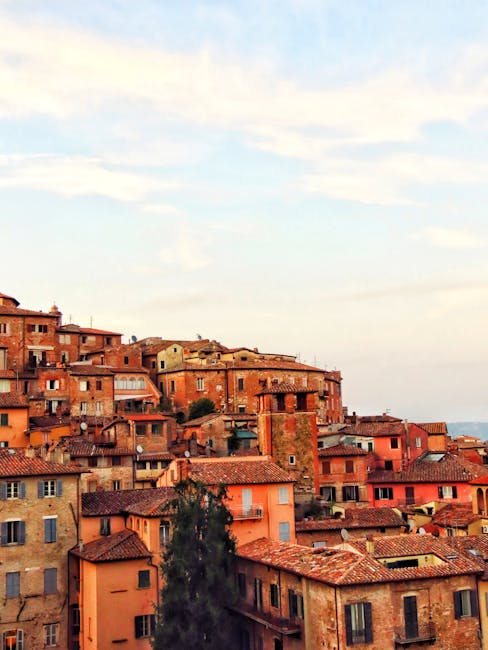
Siena reads like an illuminated manuscript: every street, façade and square tells a story, often centuries old. For the art lover, two days in Siena isn’t just a checklist of sights but a sensory immersion in a city where stone, light and color are in constant dialogue. From the hushed frescoes in intimate chapels to the polychrome marbles of the cathedral and museum rooms filled with Sienese Renaissance paintings, the city offers a compact yet intense route. Siena is small — you can see most of it on foot — but its artistic density means you’ll leave richer, sometimes moved, satisfied and already craving a return.
Two well-planned days will let you cover the essentials: the Piazza del Campo and the Torre del Mangia, the Duomo di Siena (Cattedrale di Santa Maria Assunta) and its museum complex, the Pinacoteca Nazionale di Siena, the Museo Civico inside the Palazzo Pubblico, and Santa Maria della Scala — the former hospital turned museum — with its frescoes. Beyond the major monuments, Siena is discovered in the details: a Madonna painted behind a discreet altar, a freshly restored vault, a detail in the marble pavement, the expressive face of a sculpted saint at eye level. This two-day guide is aimed at visitors focused on art and history, prioritizing major works, logical routes and practical tips (hours, prices, exact addresses, visiting hacks). It’s for both those familiar with Italy and the Renaissance and those seeing Siena for the first time.
Siena’s artistic wealth is tightly bound to its political and religious history: as a powerful city-state in the Middle Ages, Siena invested resources in grand works to assert its splendor. The Sienese developed a distinct pictorial style — often called the Sienese school — where color, linear grace and devotion often take precedence over the strict geometric perspective favored in Florence. Understanding Siena takes time: you’ll need to let the harmony between architecture and painting, between ceremonial art and the everyday devotion of the faithful, reveal itself. In two days you won’t just see the famous masterpieces; you’ll feel the city’s rhythm: the unfolding of alleys, the way light shifts across the Piazza del Campo during the day, the bells punctuating a cathedral visit.
Throughout this guide each visit comes with precise practical details: full address, typical opening hours, prices in euros, a sensory description and local tips to make the most of your time. I’ve also included advice on the best ways to photograph works, how to avoid queues and what to bring (shoes, reservations, maps). You’ll also find pointers to savour Siena differently: historic cafés, overlooked viewpoints and small detours to meet the city off the beaten path. Grab your notebook and open your eyes: here’s a two-day itinerary designed for art lovers who want to experience Siena fully.
Day 1 morning: Piazza del Campo, Torre del Mangia and Museo Civico — The civic and pictorial heart
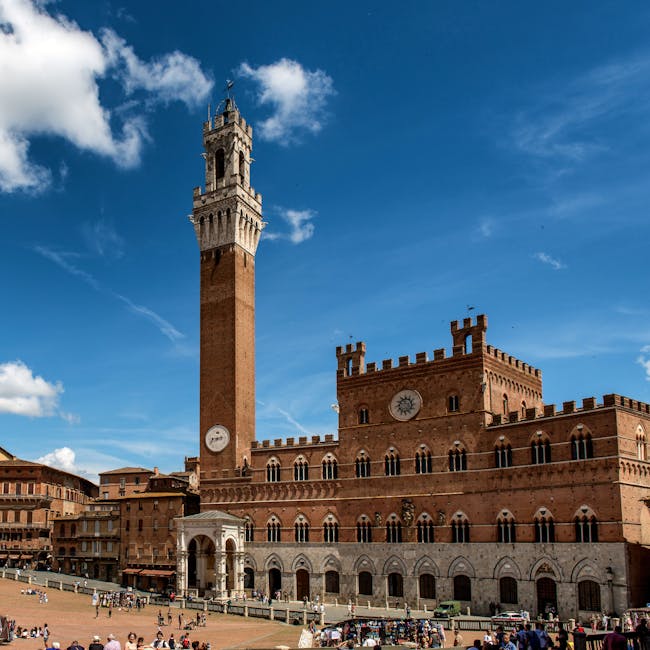
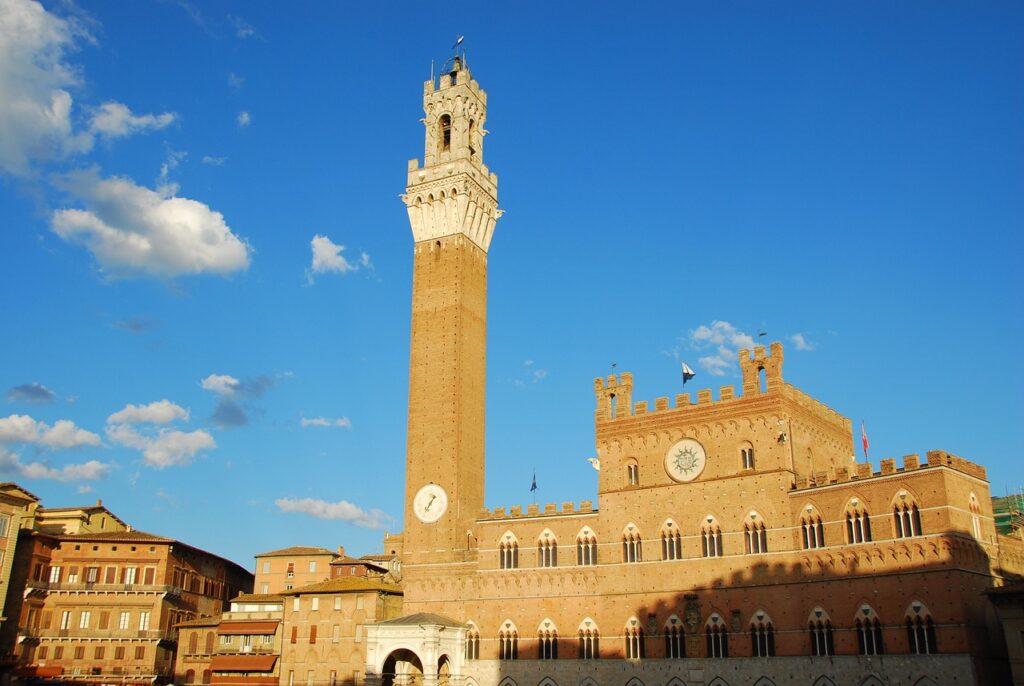
Start your artistic immersion at the Piazza del Campo, the main square and geometric heart of Siena. This shell-shaped piazza is one of the medieval urban masterpieces, lined with Gothic palaces and dominated by the Palazzo Pubblico. The square’s orientation, its sloping brick paving and the play of morning shadows make Piazza del Campo perfect for seeing how civic architecture stages public life.
Address: Piazza del Campo, 53100 Siena SI. Access: free and open. Hours: the square is accessible 24/7 (special events like the Palio can change access). Description: a broad, oval brick space surrounded by arcades and cafés (e.g. Caffè Giubbe Rosse and other local spots). Practical tip: arrive early for photos without the crowds and to enjoy soft light on the red façades. Avoid Palio days (July 2 and August 16) if you want a calm cultural visit.
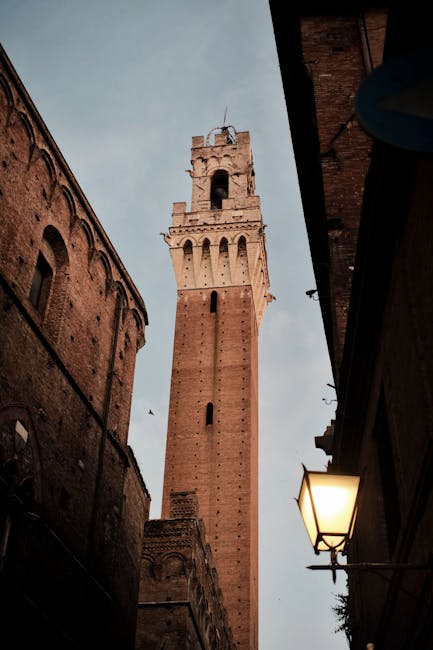
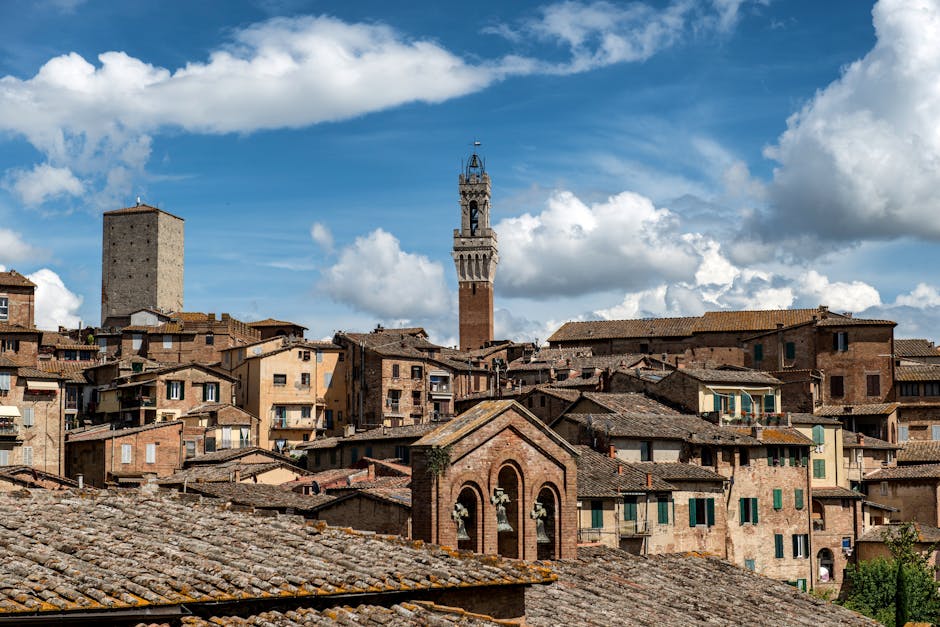
On one side of the square stands the Palazzo Pubblico, home to the Museo Civico. Climb the Torre del Mangia, attached to the palace, right away for panoramic views of the city and the Tuscan countryside: it’s one of the best ways to grasp Siena’s topography and appreciate the urban composition around Piazza del Campo.
Address: Torre del Mangia, Piazza del Campo, 1, 53100 Siena SI. Price: around €10 (adult), €6 (reduced); check locally. Hours: usually 10:00–19:00 (high season); earlier closing in low season. Description: a 14th-century tower with a narrow stairway and vaulted passages leading to a spectacular belvedere. Practical tip: wear comfortable shoes for the stairs; the climb is physically demanding and not suitable for visitors with reduced mobility. Bring water and a hat in summer.
Back at the Palazzo Pubblico, enter the Museo Civico to see key examples of Sienese painting, including the famous Maestà by Simone Martini (or reproductions if the original is on loan) and the allegorical frescoes that decorate the halls of civic power. The museum reveals how the city used art to build a civic identity.
Address: Museo Civico (Palazzo Pubblico), Piazza del Campo, 1, 53100 Siena SI. Price: around €10–12 (adult), €6–8 reduced; combo tickets available. Hours: 10:30–19:00 in high season; 10:00–17:00 in low season (check the official site). Description: collections of medieval and Renaissance paintings, rooms decorated with historic frescoes (Mappamondo Room, Sala del Concistoro). Tip: take an audio guide for the frescoes — they reveal political symbols and allegories; book online if you visit during busy periods.
 Click here to book your guided walking tour of Siena and the cathedral
Day 1 afternoon: Duomo di Siena and the Duomo Museum Complex — Religious treasures in marble
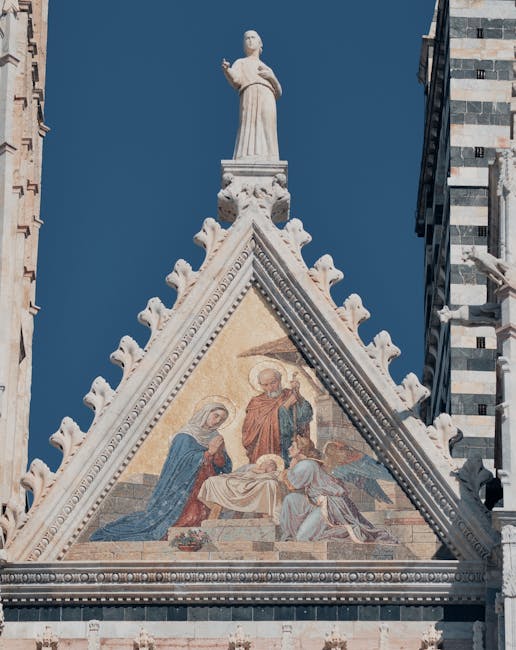
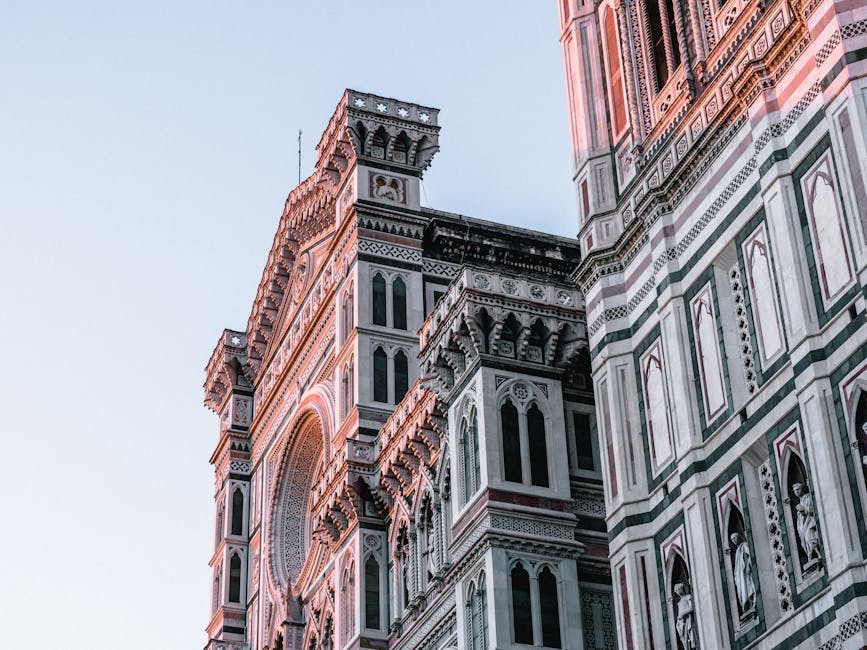
After lunch, head to the Duomo di Siena (Cattedrale di Santa Maria Assunta), a Gothic jewel of polychrome marble and richly decorated vaults. The Duomo is the city’s religious and artistic core: inside you’ll find masterpieces by Nicola Pisano, Donatello, Pinturicchio and other masters, all set against a striking contrast of black and white marble.
Address: Cattedrale di Santa Maria Assunta, Piazza del Duomo, 8, 53100 Siena SI. Price: entry to the complex (combined ticket) around €15–18 per adult (varies by options); reduced tickets available. Hours: typically 10:30–18:30 (varies with season and religious services); the cathedral may close temporarily for ceremonies. Description: sculpted Gothic façade with a richly decorated central portal, interior banded with white and dark marble. Don’t miss the pavimento (marble floor inlay) — often partially covered for preservation, but the exposed panels are breathtaking.
Practical tip: buy the combined « Duomo Complex » ticket (Opera del Duomo) which usually includes the cathedral, the Museo dell’Opera del Duomo, the Biblioteca Piccolomini and sometimes the Baptistery. The Opera museum houses original works removed from the cathedral — sculptures, reliquaries and façade panels. Lines can be long; opt for skip-the-line tickets or visit later in the afternoon.
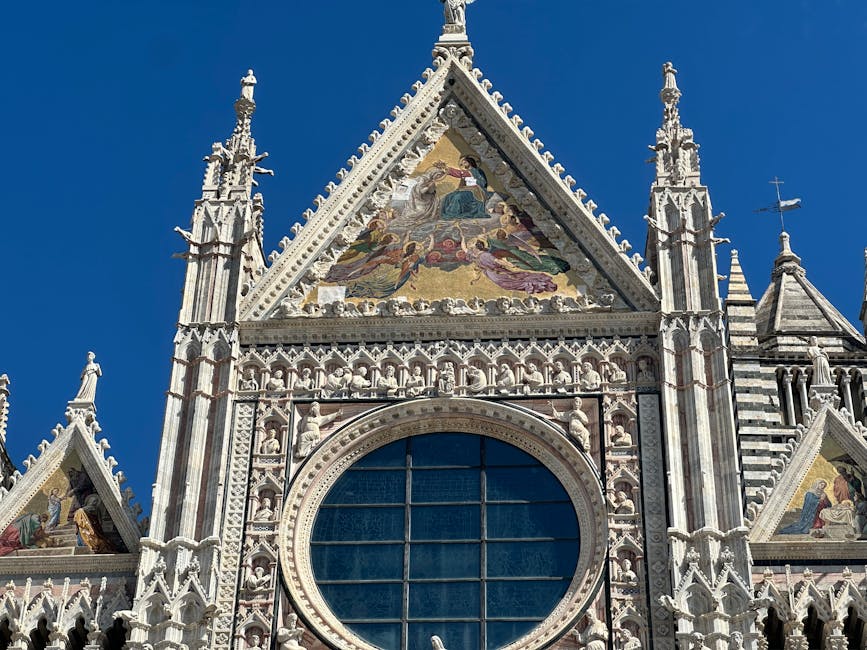
Recommended museum: Museo dell’Opera del Duomo. Address: Museo dell’Opera del Duomo, Piazza del Duomo, 8, 53100 Siena SI. Price: often included in the combined ticket (otherwise around €8–12). Hours: aligned with the Duomo; check the day’s schedule. Description: a collection of works from the Duomo — marble pieces, wooden sculptures, old panels and architectural fragments. The museum helps you understand the chronology and techniques of the artists who worked on the cathedral.
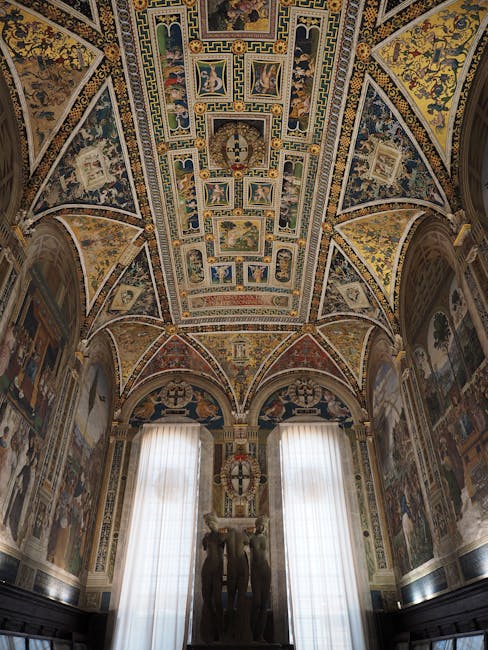
Another gem: the Biblioteca Piccolomini, located within the Duomo complex, famous for Pinturicchio’s vividly colored frescoes and illuminated manuscripts. Address: Biblioteca Piccolomini, Piazza del Duomo, 8, 53100 Siena SI (access via the Duomo complex). Hours: often included in the Duomo ticket, though visiting hours can be set separately; typically 10:30–17:00. Price: included in the combined ticket or for a small supplement (€3–5). Description: a richly painted chamber featuring a fresco cycle illustrating the life of Pius II. Tip: keep quiet and photograph discreetly; the room is narrow and very popular, so plan for early or late visits.
Click here to book your ticket for the cathedral and the Biblioteca Piccolomini
Day 2 morning: Pinacoteca Nazionale di Siena and tracing Sienese painting
Begin day two at the Pinacoteca Nazionale di Siena, essential for anyone wanting to dive deeper into Sienese painting. The gallery houses a large collection of panels, altarpieces and works from the 14th to the 16th centuries, including paintings by Duccio di Buoninsegna, Simone Martini, Ambrogio Lorenzetti and other local masters. The displays show Siena’s stylistic evolution, from delicate Gothic sensibilities to the richer narratives of the Renaissance.
Address: Pinacoteca Nazionale di Siena, Via San Pietro, 29, 53100 Siena SI. Price: around €9–12 (adult), €6–8 reduced; rates vary for temporary exhibitions. Hours: typically 8:30–19:30 in high season, 9:00–17:00 in low season; closed on some holidays (check before you go). Description: collection organized by schools and themes, medieval panels, polyptychs and portraits. The labels provide stylistic and historical context; lighting highlights pigments and gilding.
Tip: allow 2–3 hours to read the captions and savor the details (gilding, brushwork). Visitors particularly interested in Duccio shouldn’t miss his panels and the famous Maestà — be aware that some works may be on loan or displayed in fragments, so check current loans. Bring a small printed guide or an app to better understand techniques like tempera on panel and gilding.
After the Pinacoteca, pause in small churches and oratories nearby: Santa Maria dei Servi, the Oratorio di San Bernardino and Santa Maria della Scala (covered below) contain altarpieces and frescoes that are often less visited but equally moving. These sites show how religious art was integrated into the daily life of confraternities, patients and pilgrims.
Click here to book a private walking tour focused on art
Day 2 afternoon: Santa Maria della Scala, the Baptistery and often-overlooked treasures
Spend the second part of the afternoon at Santa Maria della Scala, the large former hospital turned museum that tells Siena’s social and artistic history. This sprawling complex cared for pilgrims and the poor for centuries; its rooms preserve monumental frescoes and contemporary museum installations that converse with sacred art.
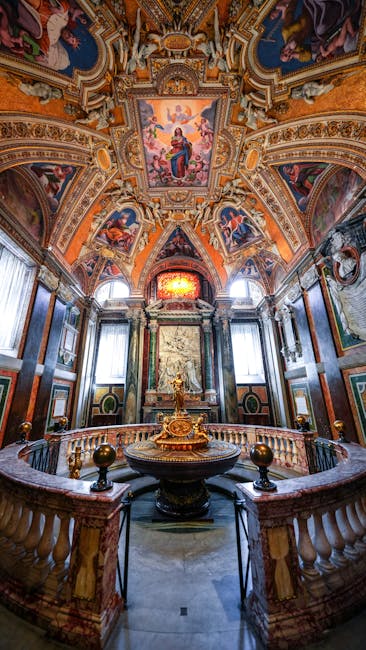
Address: Santa Maria della Scala, Piazza del Duomo, 2, 53100 Siena SI. Price: around €8–12 (adult), reductions possible; combo tickets sometimes available with the Duomo. Hours: 10:00–19:00 (seasonal variations). Description: a multi-room complex with long crypts, Renaissance frescoes and permanent exhibitions on hospital history and religious practices. The visit highlights the compassion at the heart of the city and how art adorned places of care.
Practical tip: plan at least 90 minutes for Santa Maria della Scala; some areas require following an audio-guided route. The modern display design makes it easier to read the different eras. Don’t miss the views from windows that look onto the cathedral — they offer unusual photographic angles.
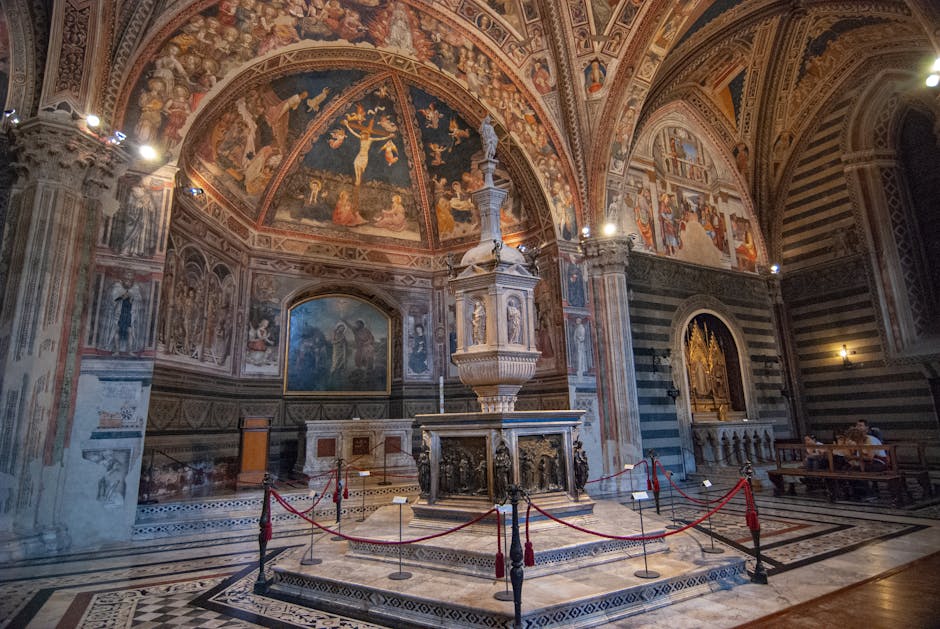
Near the Duomo, the Battistero di San Giovanni (Baptistery) is worth a visit for its sculpted works and contemplative atmosphere. Address: Battistero di San Giovanni, Piazza del Duomo, 53100 Siena SI. Price: often included in the Duomo ticket or for a small supplement (€3–5). Hours: synchronized with the Duomo. Description: a building adjoining the cathedral with a decorated baptistery, a baptismal font, sculptures and frescoes. Tip: lighting is often dim — ideal for appreciating the patina of the sculptures.
Finish the afternoon with a slow stroll to lesser-known spots: the Orto dei Tolomei (a secret garden), restoration workshops down narrow lanes, or the Chiesa di San Domenico to see the relic of Saint Catherine of Siena (Chiesa di San Domenico, Piazza San Domenico, 1, 53100 Siena SI; approximate hours 10:00–13:00 and 15:00–18:00; free or donation suggested). These brief stops round out your reading of the city beyond the major institutions.
Click here to buy the OPA SI pass to visit the cathedral complex
Practical tips and logistics for two days in Siena
Getting around: Siena is best explored on foot; most sites are clustered within the historic center. Wear comfortable shoes — cobbles and steep streets are everywhere. If you arrive by car, park in peripheral lots (e.g. Parcheggio Il Campo or Parcheggio Santa Caterina) and enter on foot; the center has restricted traffic zones (ZTL).
Tickets and reservations: save time by booking online for Torre del Mangia, the Duomo Complex (Opera del Duomo), the Museo Civico and the Pinacoteca. Many museums offer combined tickets or discounts for advance bookings. Audio guides are often available — worth the cost if you enjoy historical context.
Typical opening hours (check before you travel):
- Duomo Complex (Cattedrale di Santa Maria Assunta / Museo dell’Opera / Biblioteca Piccolomini): ≈ 10:30–18:30, combined ticket ≈ €15–18.
- Torre del Mangia (Piazza del Campo): ≈ 10:00–19:00, price ≈ €10.
- Museo Civico (Palazzo Pubblico): ≈ 10:30–19:00, price ≈ €10–12.
- Pinacoteca Nazionale di Siena (Via San Pietro, 29): ≈ 8:30–19:30 in high season, price ≈ €9–12.
- Santa Maria della Scala (Piazza del Duomo, 2): ≈ 10:00–19:00, price ≈ €8–12.
These time ranges are indicative and vary with season, holidays and religious events.
Approximate budget for two days (per person):
- Entries to main museums and monuments: ≈ €40–60 (depending on combo tickets and discounts).
- Meals: ≈ €15–35 per meal depending on the restaurant.
- Cafés and gelato: ≈ €2–6 per item.
Keep some cash on hand: some smaller museums or shops may require a minimum in cash.
Best time to visit: spring (April–June) and early autumn (September–October) offer mild temperatures and fewer crowds than July–August. Avoid Palio period if you prefer a quiet cultural trip — the city becomes very lively and many sites are affected by preparations.
Click here to book a day trip to Siena and San Gimignano from Florence
Extra experiences: workshops, restoration and photography
For art enthusiasts, complementing museum visits with a restoration workshop or meeting a local craftsman offers a fresh perspective. Several restoration studios in Siena open by appointment and provide guided tours explaining fresco and panel conservation techniques.
Click here to book a cooking class at a real Tuscan farm
Where to eat between visits: favor local trattorie and osterie to taste Sienese cuisine — pici (thick local pasta), ribollita (Tuscan soup) and crostini toscani. A few recommended places:
- Osteria Le Logge, Via del Porrione, 33, 53100 Siena SI — dishes around €10–18.
- Trattoria Papei, Via Costarella, 4, 53100 Siena SI — dishes €12–20.
- Antico Caffè delle Logge (historic café) for a terrace coffee break.
Click here to book a gastronomy and wine walking tour
Photography and observations: light is essential to how you perceive the works. Frescoes and gilding are best viewed under indirect light; in museums respect the rules (flash is often banned). For architectural photos, morning and late afternoon give the best color tones on stone and brick.
Accessibility and limitations: some sites (like the Torre del Mangia) are not accessible to visitors with reduced mobility. Historic museums often feature stairs and ancient flooring. Check access and available elevators in advance; many places offer adapted visits or alternatives to see key works.
Conclusion: Two days to enter Siena’s artistic soul
In two days, Siena reveals its identity of art and devotion, a balance of civic power and religious piety carved in stone and paint. You’ll have walked the Piazza del Campo, climbed the Torre del Mangia, entered the heart of the Duomo and its museums, explored the pictorial riches of the Pinacoteca Nazionale and the social memory preserved at Santa Maria della Scala. Each site contains works that together tell the long story of a medieval city-state that became a conservatory of art.
The experience isn’t limited to the exhibited pieces: the atmosphere of the alleys, the workshops of artisans and the people who still live around the same squares for generations give Siena a human depth that complements the aesthetic experience. To prolong your understanding of the city, leave time to wander — step into a small church, sit at a café terrace facing the Piazza del Campo, or follow a hill’s shadow to an unexpected viewpoint that offers a new perspective on the rooftops.
Finally, for art lovers, Siena is a place to return to: every visit gives you the chance to spot a missed detail, a newly restored chapel or a temporary exhibition that reframes the whole. The practical recommendations included — exact addresses, typical hours, prices in euros and booking tips — will help you plan these two days efficiently so you get the most without rushing. Take time to open your eyes, read the labels, touch the sense of the stone and let the city speak to you. Siena doesn’t give itself up at first glance; it reveals itself gradually, in layers, like a fresco to decode. Happy artistic travels.
>