




INTRODUCTION
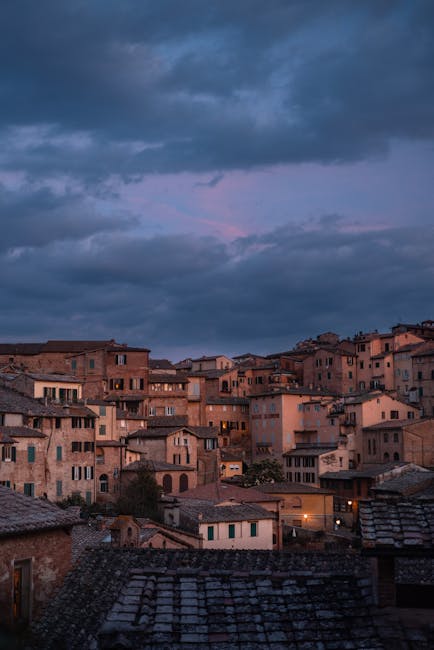
Siena, the beating heart of medieval Tuscany, is a city where art speaks from every stone and alley. In just half a day you can follow a focused artistic route that blends sacred masterpieces, civic paintings, sculptural treasures and local craft workshops. This itinerary is aimed at travelers on a tight schedule — those with a morning or an afternoon to spend — who still want to taste the artistic essence of Siena beyond a quick sightseeing loop. It’s not a race but a concentrated stroll, designed to optimize walking distances, account for likely wait times, and give practical tips so you can enjoy the monuments without feeling rushed.
The route follows a logical progression: start at the Duomo di Siena (Cathedral of Santa Maria Assunta) to immerse yourself in religious splendor, pass through Santa Maria della Scala to explore the hospital-turned-museum, reach Piazza del Campo and the Palazzo Pubblico for civic art and frescoes, then wander the side streets to find workshops, artisan shops and historic cafés. Every stop includes the exact address, typical opening hours, approximate prices in euros, and concrete tips to optimize your visit (online booking, best times, accessibility and photo pointers).
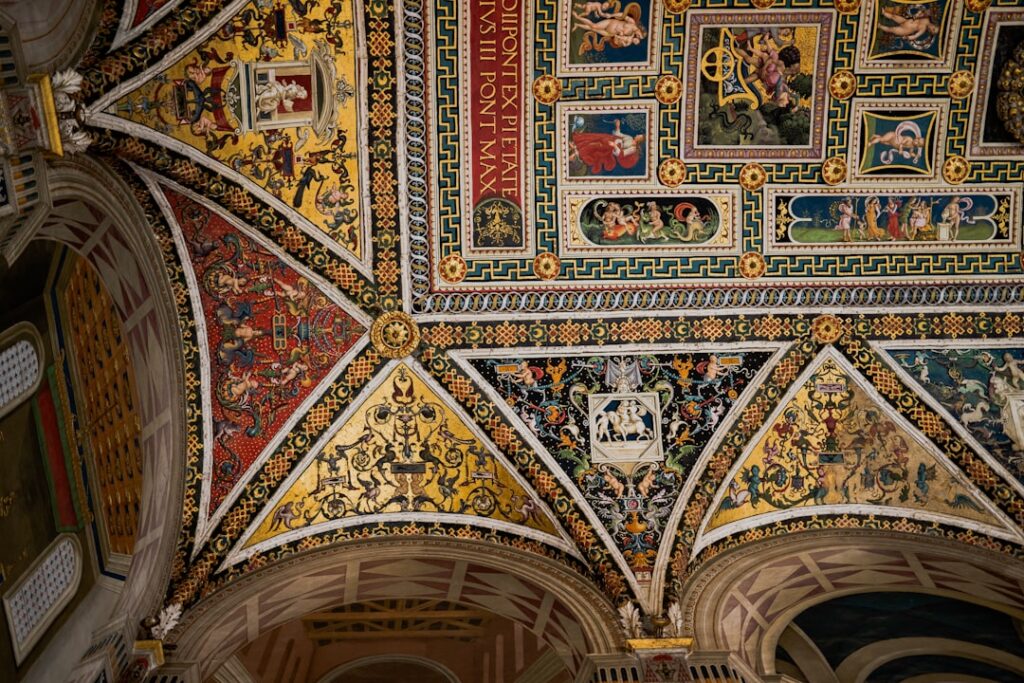
This walk prioritizes on-foot travel — the old town is essentially pedestrian and compact — and offers alternatives for those who want to avoid many stairs or who visit in the low season. It highlights visual showstoppers: the Duomo’s mosaics, the Biblioteca Piccolomini frescoes, Simone Martini’s Maestà at the Palazzo Pubblico, and the little sculptures and ceramics tucked away in the shops along Via di Città and Via Banchi di Sopra. I’ll also share quick-food tips for tasty bites between stops (pastry shops, cafés and traditional snacks), and recommendations for authentic souvenirs: ceramics, textiles and local gastronomic treats from the province of Siena.
Ready for half a day of art and feeling in Siena? This guide will help you move confidently, spot the unmissable sights and soak in the city’s artistic riches without getting scattered. Provided addresses and opening times reflect typical practice; always double-check online before your visit since hours can change with seasons, holidays or temporary exhibitions. Follow me step by step for an efficient, immersive and thoroughly Sienese route.
Step-by-step itinerary: morning or afternoon (approx. 3–4 hours)
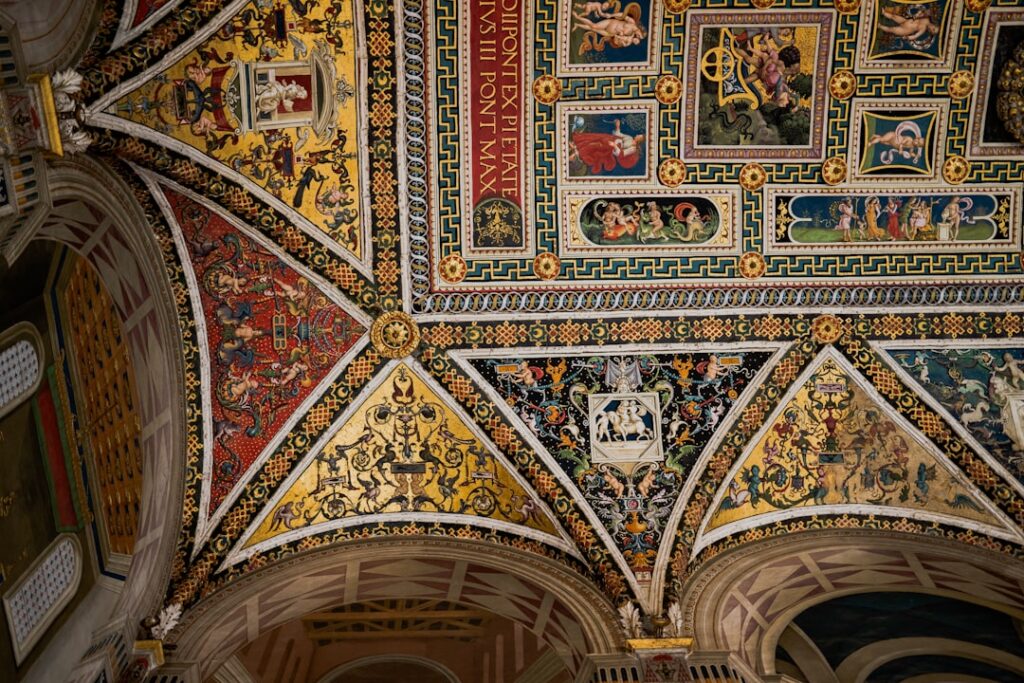
Start your half day at the Duomo di Siena (Cattedrale di Santa Maria Assunta), located at Piazza del Duomo, 8, 53100 Siena SI, Italy. Entry to the complex (the combined “Opera del Duomo” ticket) usually costs around €15–€18 per adult depending on options and discounts; booking online is highly recommended in high season. Typical opening hours: April–October: 10:30–19:00, November–March: 10:30–16:00 (hours vary on holidays). Inside you’ll find the sculpted white-and-green marble façade, the polychrome pavement (some areas accessible only at certain times) and the Biblioteca Piccolomini adorned with Pinturicchio frescoes. Allow 45–75 minutes to explore the cathedral, crypt, museum and library if you want to take in the details.
 Click here to book a half-day Siena tour from Florence
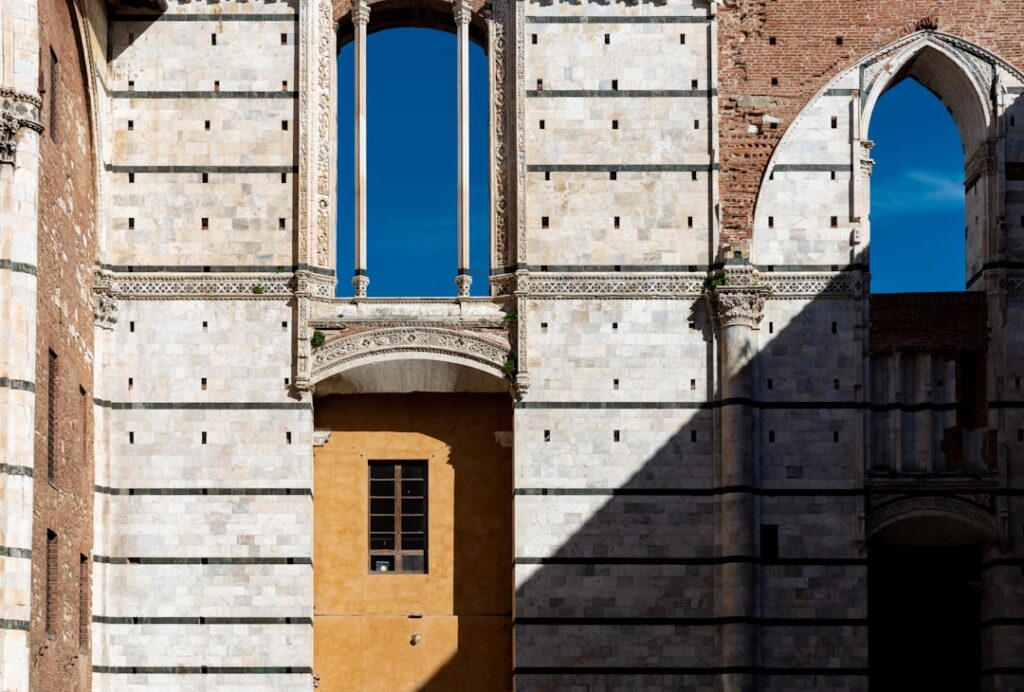
A short walk away, visit Santa Maria della Scala, at Piazza del Duomo, 2, 53100 Siena SI. This former medieval hospital turned museum offers a rich route through wall frescoes, chapels and temporary exhibition rooms. Typical price: €8–€12. Opening times: generally 10:00–19:00 (closings vary in low season). The visit is fascinating for understanding the social dimensions of Sienese art — how painting and sculpture were woven into civic and charitable institutions. Plan 30–50 minutes here.
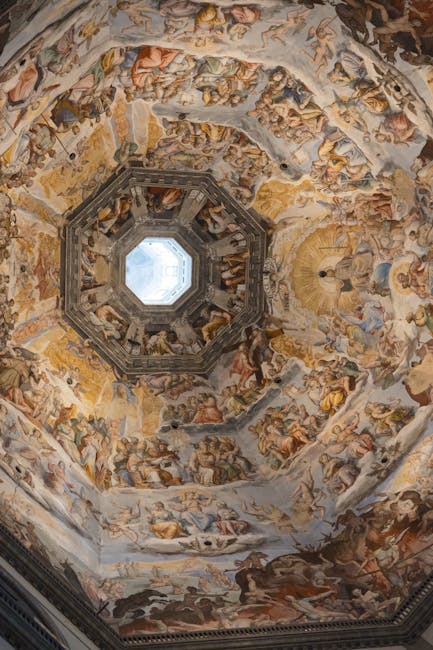
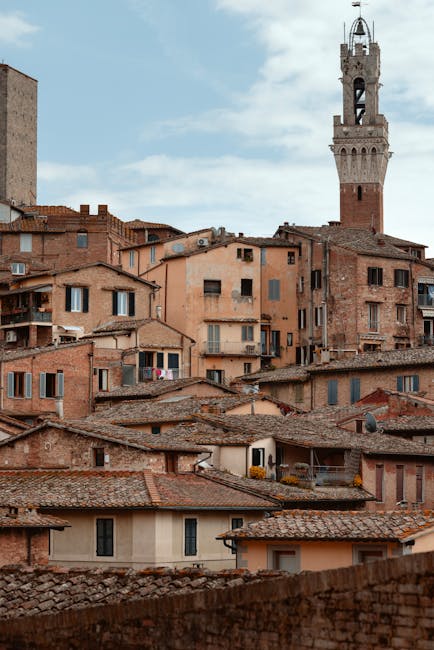
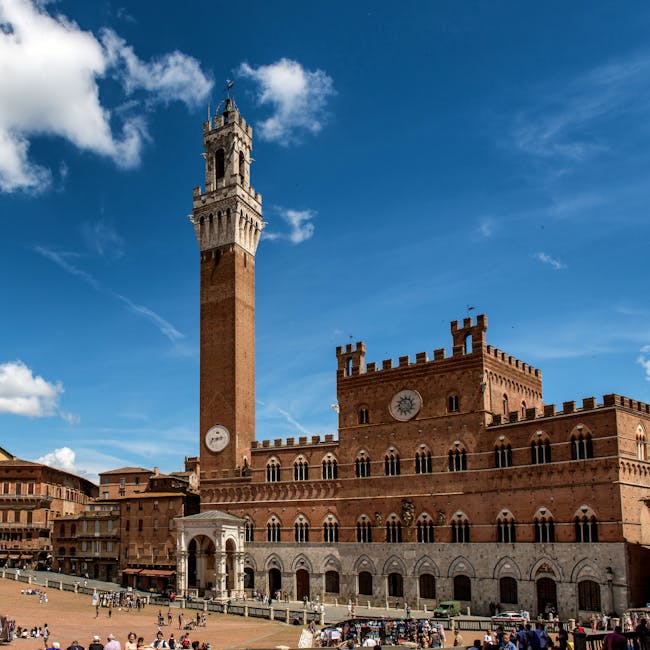
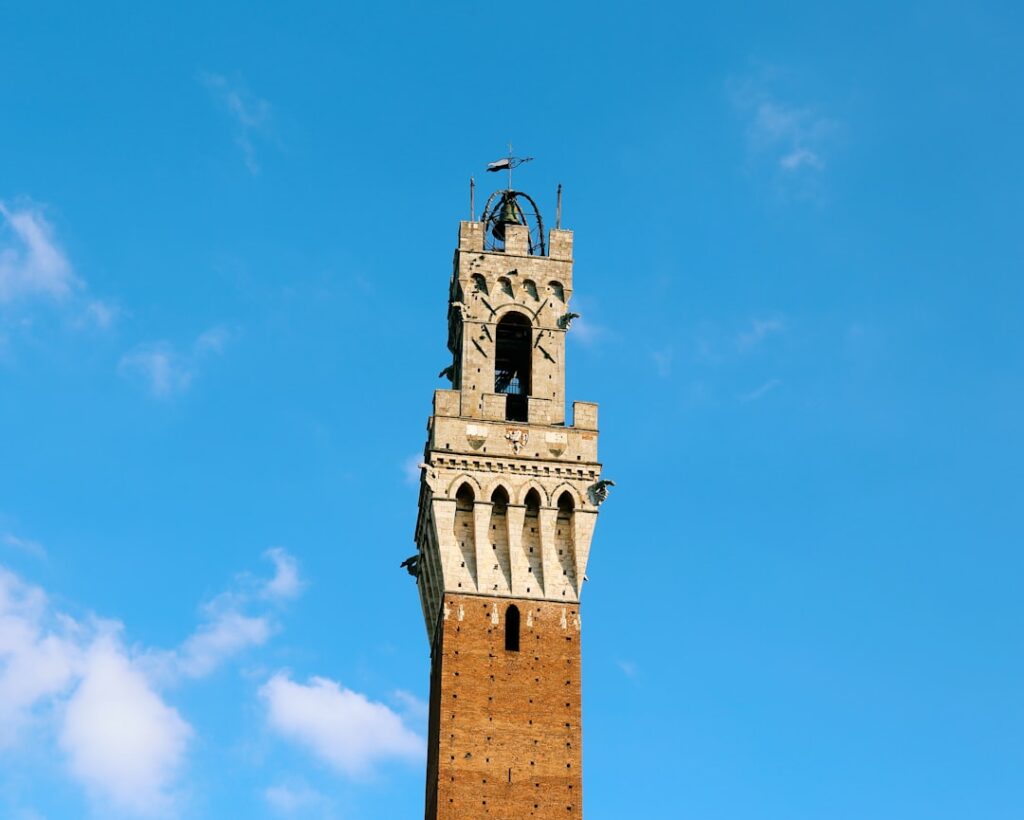
Next head to Piazza del Campo, the civic heart and the stage of the famous Palio. At number 1 stands the Palazzo Pubblico e Museo Civico, Piazza del Campo, 1, 53100 Siena SI. The combined ticket for the Museo Civico and the climb up the Torre del Mangia is usually around €10–€12. Opening hours typically run 10:00–19:00 (extended hours in summer). Inside, fresco cycles including Simone Martini’s celebrated Maestà and Ambrogio Lorenzetti’s Allegory of Good and Bad Government provide a vivid window into political and religious thought of the 13th–14th centuries. If you climb the Torre del Mangia, be ready for about 400 steps: the reward is an exceptional panoramic view of terracotta roofs and Tuscan hills. Allow 60–90 minutes for this stop.
Finish your half day with a stroll through the nearby lanes (Via di Città, Via Banchi di Sopra) to discover artisan studios, small galleries and the Pinacoteca Nazionale di Siena if time allows (Via San Pietro, 33). The Pinacoteca houses an outstanding collection of Sienese Gothic and early Renaissance paintings. Ticket: around €8–€10. Hours: often 8:30–19:30 but they vary by season and day. To close your route, sit down at a historic pastry shop like Pasticceria Nannini (Via Banchi di Sopra, 12, 53100 Siena SI) for a cappuccino and a slice of panforte. Typically open 7:30–20:00, cappuccino prices around €1.50–€2.50, panforte slice €2–€4.
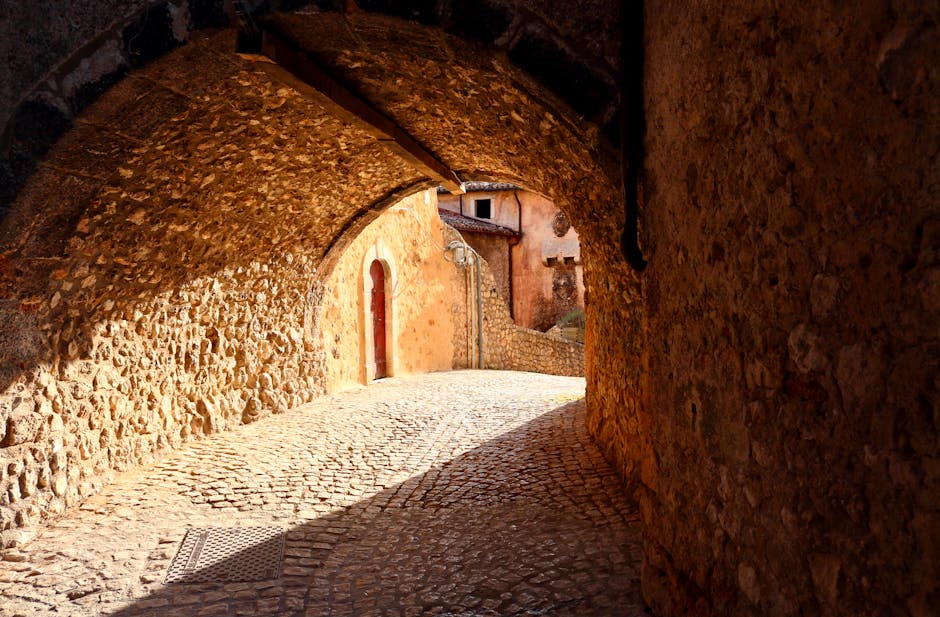
From the Duomo to the Biblioteca Piccolomini: religious treasures and carved details
Siena’s Duomo is more than a cathedral — it’s a complex where architecture, sculpture, painting and liturgical furnishings answer one another. The address Piazza del Duomo, 8 is the perfect starting point for a deeper look. From the façade, note the dramatic interplay of white and dark green marble. Inside, the inlaid pavement depicts biblical scenes and allegories: some slabs are visible only during guided visits or at specific times, so check at the ticket office. The “Opera del Duomo” ticket (approx. €15–€18) covers the cathedral, the crypt, the Biblioteca Piccolomini and the Museo dell’Opera.
Click here to book your ticket for the cathedral and the Piccolomini Library
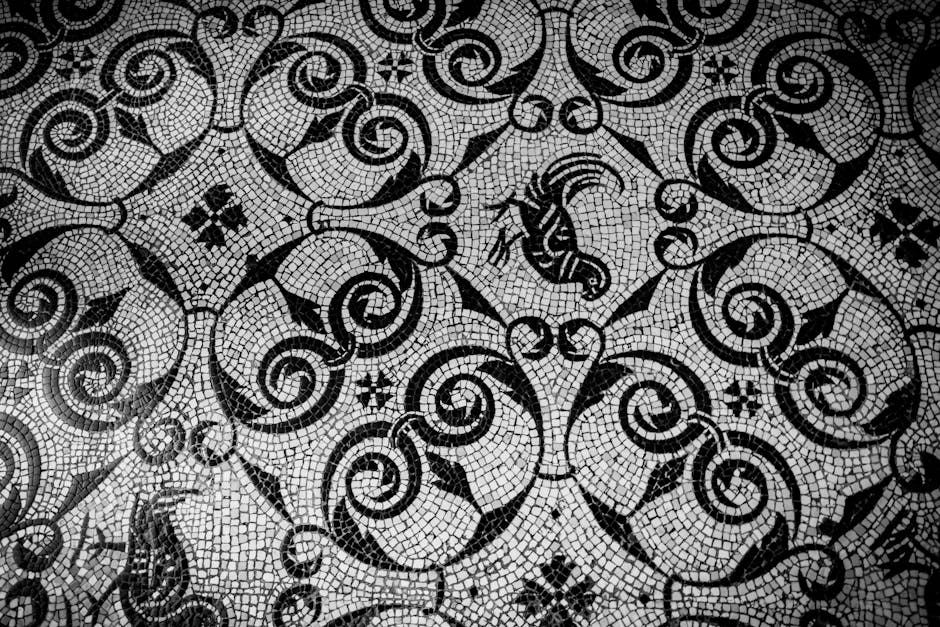
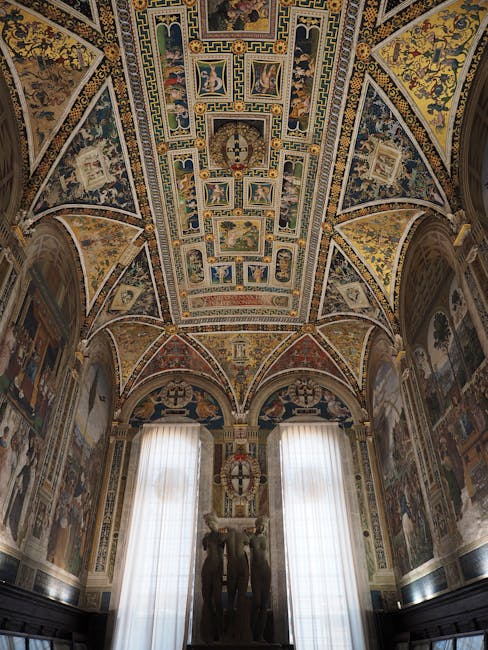
The Biblioteca Piccolomini (inside the complex, Piazza del Duomo) is a must for fresco lovers. Commissioned by Cardinal Francesco Piccolomini in the 15th century and painted by Pinturicchio, the room displays lively, colorful cycles illustrating the lives of popes and saints. Access hours match those of the Duomo (see above). The gilding and still-vibrant pigments make for superb photo angles when daylight streams through the high windows; mornings tend to offer softer light.
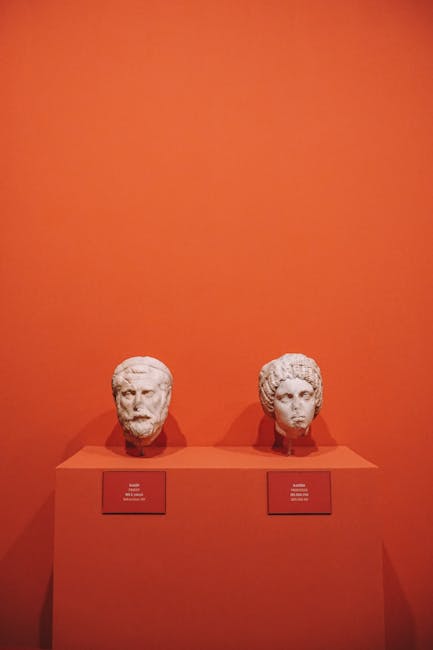
The Museo dell’Opera del Duomo (Piazza del Duomo, 8) preserves original sculptures, busts, reliquaries and works removed from the cathedral for conservation. Entry is included in the combined ticket; opening times usually mirror those of the cathedral. Highlights include sculptures by Nicola Pisano and display cases of illuminated liturgical manuscripts. Museum staff can often point out less-crowded corners rich in detail: carved capitals, bas-reliefs and medieval fragments.
Practical tips for this part of the route: buy your “Opera del Duomo” ticket online to skip the queue; arrive at opening if you want to see the pavement before crowds gather; bring a shawl for sites with strict dress codes (some venues ask that shoulders be covered). If you use a wheelchair, note that access to some historic areas may be limited; speak with Duomo staff about accessible routes and the availability of lifts or temporary ramps.
Palazzo Pubblico, Museo Civico and Torre del Mangia: Siena’s civic art
Piazza del Campo is Siena’s emblematic shell-shaped square, where the Palio horse races take place every year. The Palazzo Pubblico e Museo Civico is at Piazza del Campo, 1, 53100 Siena SI. The museum displays cycles of civic and religious frescoes intended to remind citizens of the virtues and perils of governance. The combined admission for the Museo Civico + Torre del Mangia is typically €10–€12. Hours are generally 10:00–19:00, but check for special evening openings.
Click here to book a city tour with panoramic views
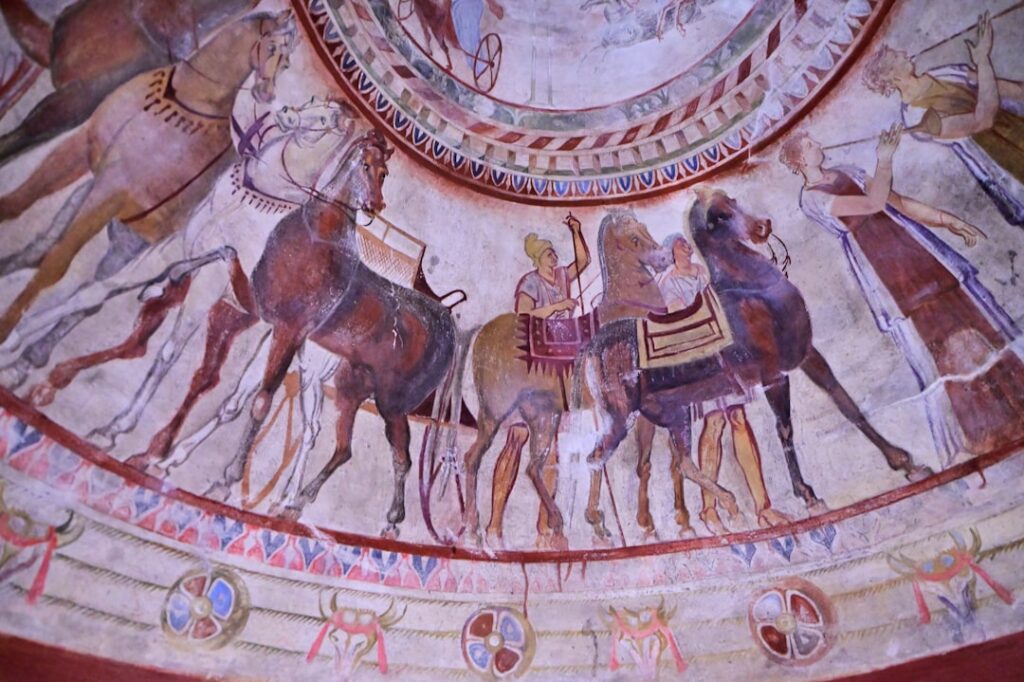
The most famous room is the Salone dei Nove (or Sala della Pace), decorated with panels and frescoes including the Maestà and the allegories of good and bad government. Ambrogio Lorenzetti’s 14th-century work is one of the earliest attempts to depict political themes in painting, showing the social consequences of governmental choices on town and countryside. Take time to study the iconography: figures, attributes, rural scenes — they narrate a clear political and moral lesson.
The Torre del Mangia, attached to the Palazzo, rewards climbers with sweeping views over the city and valley. Entry is via a paid ascent (included in the Museo Civico ticket) and requires decent fitness (narrow, sometimes vertigo-inducing staircases). Tower access hours generally match the museum, with the last climbs roughly 30 minutes before closing. Bring water and closed shoes if you plan to climb; avoid the tower in strong winds.
Practical advice for this stop: if your schedule is tight, reserve fixed-time entries for the Museo Civico and the Torre del Mangia to minimize waiting. On Palio days (July 2 and August 16) access is heavily restricted and the square is extremely crowded; avoid these dates if you want a calm cultural half day. Don’t hesitate to ask museum staff about guided routes or audio guides in English — some venues provide multilingual materials to help you understand the frescoes’ historical context.
Crafts, cafés and the end of the walk: lanes, galleries and souvenirs
After the big rooms and towers, give yourself an hour to wander the nearby streets and catch the artisanal spirit of Siena. Via di Città and Via Banchi di Sopra are lined with artisan workshops, small galleries and shops selling ceramics, silver jewelry, textiles and local gastronomic specialties (panforte, ricciarelli). Typical addresses: Via di Città, 79-85 for craft shops; Via Banchi di Sopra, 12 for Pasticceria Nannini. Shops usually open from about 9:30 to 19:00, though some close for a siesta in low season.
Click here to book a guided food tour with a full meal
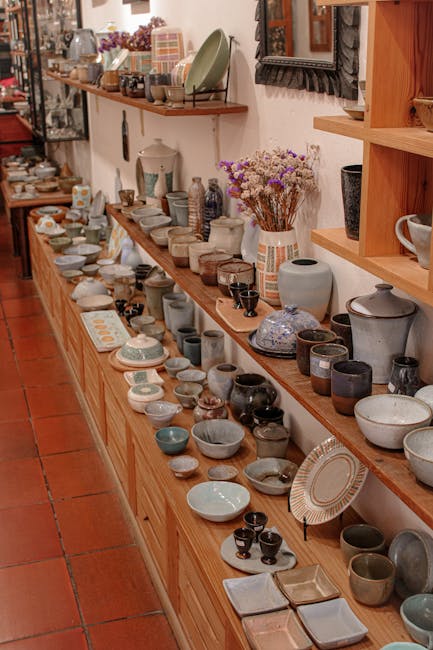
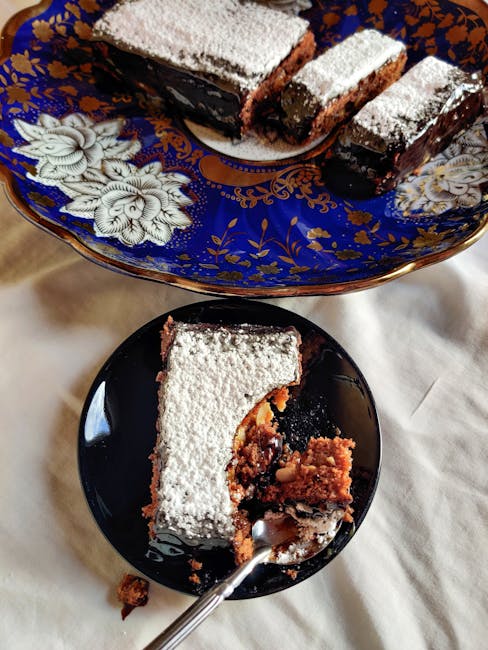
For a coffee or sweet treat, favor historic spots: Caffè dell’Orologio (address: Piazza del Campo, 31) serves quick drinks right on the square; Pasticceria Nannini (Via Banchi di Sopra, 12) is famous for pastries and local products. Price examples: espresso €1–€1.80, cappuccino €1.50–€2.50; slice of panforte €2–€4. Take the opportunity to taste Panforte di Siena (a dense cake of honey, dried fruit and spices) and Ricciarelli (almond-based cookies).
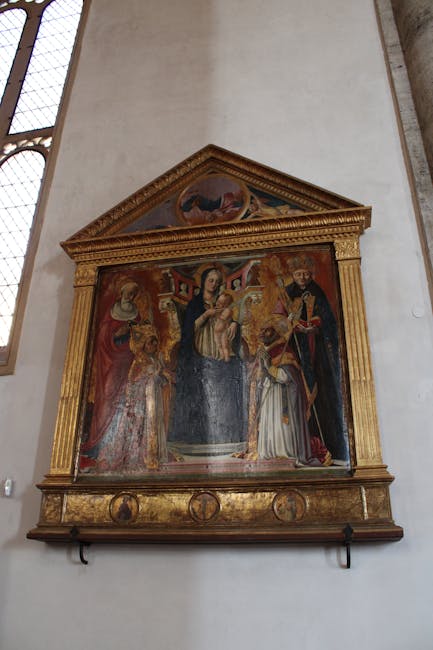
If time allows, push on to the Pinacoteca Nazionale di Siena (Via San Pietro, 33, 53100 Siena SI), which preserves an important collection of Sienese works: panels by Duccio di Buoninsegna, paintings by Pietro Lorenzetti and Matteo di Giovanni. Entry is roughly €8–€10. Hours: usually 8:30–19:30 but they can change, so check online. This pinacoteca is a great way to finish on a pictorial note, comparing Gothic styles and the early stirrings of the Renaissance.
Click here to book a guided walking tour of Siena and the Duomo
Shopping tips: choose shops that display labels or certificates (especially for leather goods and jewelry); for gourmet items, ask about origin and storage (olive oil, local wines like Chianti Classico from the province of Siena). For fragile purchases (ceramics, pastries), ask for special packaging or buy rigid boxes often offered by shops to protect your items.
CONCLUSION
A half-day art walk in Siena is a concentrated dose of emotion and learning: in a few hours you travel through centuries of visual history, from the Duomo’s mosaics and sculptures to the civic frescoes of the Palazzo Pubblico, and the artisan workshops that keep traditional crafts alive. The route, planned to be doable without rushing, helps you understand the coherence between religion, politics and daily life that shaped Siena. The experience is as intellectual as it is visual: every painting, capital or stained glass window tells a story of belief, power or local devotion.
On a practical level, a few simple rules will make the most of your half day: book combined tickets online (Opera del Duomo, Museo Civico + Torre del Mangia) to avoid queues; arrive early to enjoy morning light on frescoes and the pavement; wear comfortable shoes and carry a small water bottle; adapt your route to published opening times (some museums close earlier in low season). For families or people with reduced mobility, check access in advance: some historic areas involve steps or narrow staircases (notably the Torre del Mangia).
Finally, don’t forget that Siena is also savored in its small pleasures: an espresso taken facing Piazza del Campo, a piece of panforte bought at Pasticceria Nannini, the purchase of a small ceramic signed by a local artisan. These little things, beyond the major works, shape the memory of a trip. If your schedule allows, extend this route into early evening to see the city light up; the stone takes on golden hues at sunset that no photograph fully captures. Siena invites slow contemplation: even a well-planned half day can become one of the most memorable artistic highlights of your Tuscan stay.