






INTRODUCTION
Siena, perched on three hills in Tuscany, is a perfectly preserved medieval city—narrow alleys, fan-shaped piazzas and stones that whisper centuries of stories. Walking here is never neutral: the cobbles, often uneven and polished by hooves and footsteps, form a surface that demands attention, respect and a bit of preparation. If you plan to spend time on the streets around Piazza del Campo, the Duomo di Siena (Cattedrale di Santa Maria Assunta), Torre del Mangia, Palazzo Pubblico and Fonte Gaia, this guide will walk you through practical tips to protect your ankles, your shoes and your enjoyment.
Walking on these stones is more than a physical challenge: it’s a tactile encounter with living heritage. Stones are irregular, sometimes slippery after rain, and frequently set on steep slopes connecting one square to another. Seasons change how the surface feels underfoot: summer heat dries and roughens the stone; autumn and winter can make it greasy. In this guide I share field-tested advice so you can move confidently and safely around Siena while savouring every view, corner and terrace. You’ll find recommendations on shoes, techniques for going up and down slopes, easy routes between major sights, exact addresses, prices in euros, opening hours and local tips you can use straight away.
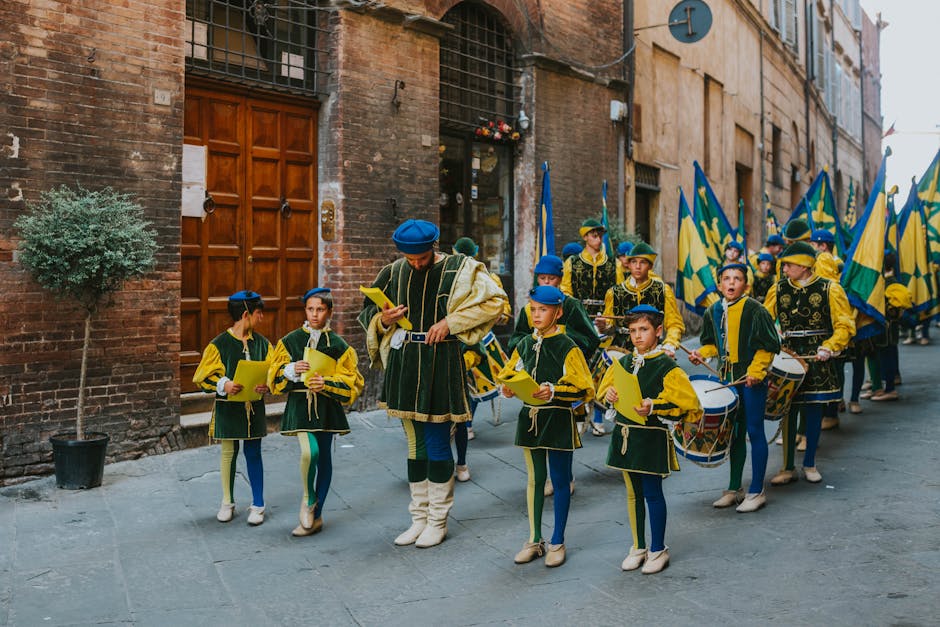
Whether you’re a photographer chasing the perfect light on the Duomo façade, a curious traveller planning to witness the Palio (must-see if you’re in town on July 2 or August 16), or just someone who loves wandering, this guide helps you anticipate challenges and turn each step into pleasure. Plan ahead, pace yourself and let Siena’s rugged beauty unfold: respect the ground, travel light, and let the city reveal itself turn by turn.
Walking on these stones is more than a physical challenge: it’s a tactile encounter with living heritage. Stones are irregular, sometimes slippery after rain, and frequently set on steep slopes connecting one square to another. Seasons change how the surface feels underfoot: summer heat dries and roughens the stone; autumn and winter can make it greasy. In this guide I share field-tested advice so you can move confidently and safely around Siena while savouring every view, corner and terrace. You’ll find recommendations on shoes, techniques for going up and down slopes, easy routes between major sights, exact addresses, prices in euros, opening hours and local tips you can use straight away.
 Click here to book your guided walking tour of Siena
Understanding Siena’s Paving and What Makes It Different
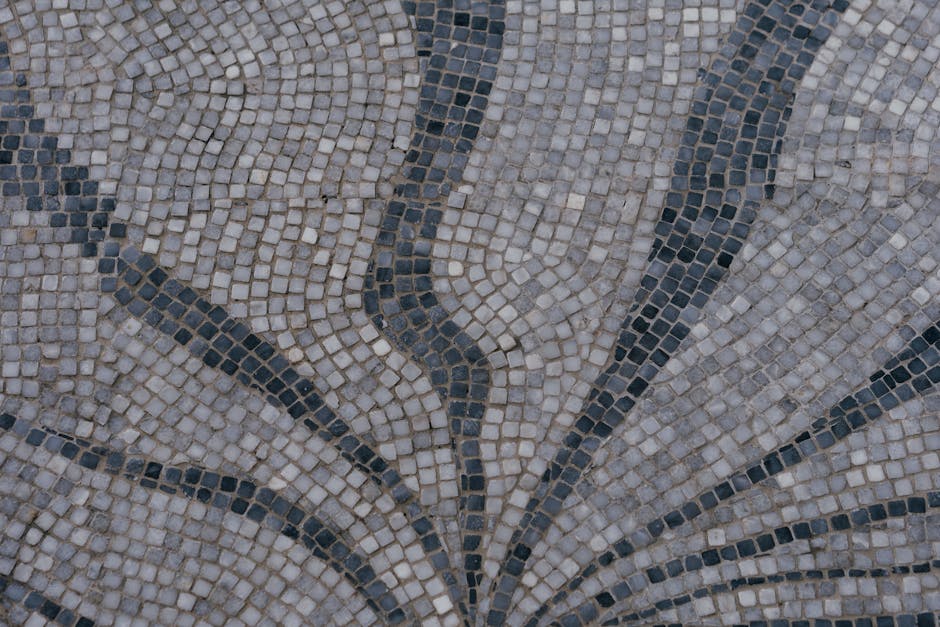
Most of Siena’s streets are paved with pietre seriche and ciottoli—various forms of stone and pebbles laid in patterns that depend on when they were set. Piazza del Campo, for example, is laid with red bricks in a fan pattern (mattoni a spina di pesce) that bears the imprint of centuries. The medieval lanes alternate limestone slabs, travertine and small rounded pebbles. That variety makes the surfaces both beautiful and unpredictable to walk on.
Why does this matter? Because friction varies a lot: a polished slab grips far less than a rough pebble surface. Wear and slope also change how stable each step feels. Areas around busy landmarks—like the entrance to the Duomo di Siena (Piazza del Duomo, 8, 53100 Siena SI, Italy)—are often smoother, while side alleys might be more uneven but less slippery.
Technical features to watch for
- Slope: many streets climb or descend steeply—watch the angle and adjust your center of gravity.
- Joints and gaps: joints between stones can trap thin heels or narrow soles.
- Polished surfaces: around major tourist spots (Piazza del Campo, Duomo di Siena) the stone can be smooth and slippery after rain.
- Seasonal changes: frost and rain increase slipperiness; heat and dust make the stone abrasive.
Being aware of these details will help you pick the right movements and gear. I’ll return to footwear and walking techniques later, but keep this in mind now: watch where you place each foot, anticipate changes in incline, and don’t try to sprint down narrow medieval alleys.
Click here to buy your ticket for Siena Cathedral
Gear and Shoes You Actually Need to Bring
Your footwear choice is probably the single biggest factor in how comfortably you’ll walk around Siena. Forget stiletto heels and smooth-soled sandals: go for closed shoes with a grippy rubber sole, good traction and enough cushioning. Lightweight hiking shoes, urban trail sneakers or low-cut walking boots work best. If you want something dressier for dinner, bring a slip-on pair and use your walking shoes during the day.
Must-have features
- Chunky rubber tread: for grip on wet stone.
- Ankle support: helpful if you’re prone to sprains, but not essential for everyone.
- Cushioning: cobbles transmit shocks—good cushioning protects your joints.
- Lightwater resistance: enough for a sudden shower, but avoid rigid, heavy boots.
Beyond shoes, think about these handy extras: a small chest pouch to keep your phone accessible without upsetting your balance; telescopic trekking poles if you plan long walks outside the centre; orthotic insoles if you need specific support; and rubber tips for poles in wet weather. Photographers benefit from a lightweight backpack with a sternum strap so the bag won’t shift on steep descents.
Practical Routes and Sights: How to Walk Safely While Seeing the Highlights
Here are routes designed to make walking between Siena’s main sights easier while minimizing tricky cobbled sections. Each stop lists the address, typical price range and common opening hours (check ahead—times can change with the season or special events).
Piazza del Campo and Palazzo Pubblico / Museo Civico
– Name: Piazza del Campo and Palazzo Pubblico (Museo Civico)
– Address: Piazza del Campo, 1, 53100 Siena SI, Italy
– Price: Museo Civico entry around €10 (adults). Reduced rates for students/young people/65+ depending on local rules.
– Hours: generally 10:00–19:00 (closing times vary off-season). Check the Comune di Siena website before you go.
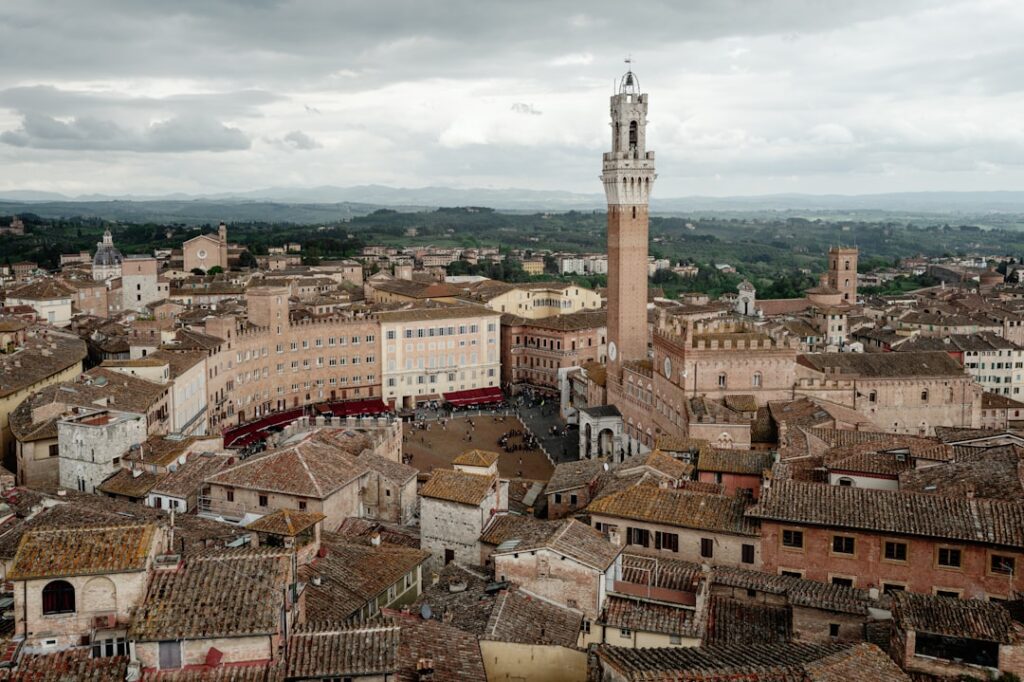
Piazza del Campo is the fan-shaped heart of the city where the famous Palio is run. Walk around the central Fonte Gaia fountain, admire the Palazzo Pubblico façade and, if you’re up for it, climb carefully toward Torre del Mangia for panoramic views (details below). Steps around the square can be worn and slippery—use handrails where available and avoid overcrowded spots during peak hours.
Torre del Mangia
– Name: Torre del Mangia
– Address: Torre del Mangia, Piazza del Campo, 53100 Siena SI, Italy
– Price: Climbing the tower about €10 for adults (reduced rates available).
– Hours: in high season typically 09:30–19:30, shortened hours off-season; sometimes closed in bad weather.
The ascent to Torre del Mangia involves many narrow, uneven steps—wear stable shoes and skip it if you’re prone to vertigo. The payoff is a 360° panorama across Siena’s red-tiled roofs and the Tuscan countryside.
Click here to book your walking tour and skip-the-line Duomo ticket
Duomo di Siena and Museo dell’Opera del Duomo
– Name: Cattedrale di Santa Maria Assunta (Duomo di Siena) and Museo dell’Opera del Duomo
– Address: Piazza del Duomo, 8, 53100 Siena SI, Italy
– Price: Combined ticket for Duomo + Museo dell’Opera + Baptistery + Crypt around €15 for adults (reduced tickets for students/children).
– Hours: Duomo typically 10:30–19:00 (except during services); Museo dell’Opera often 10:00–17:00; seasonal variations apply.
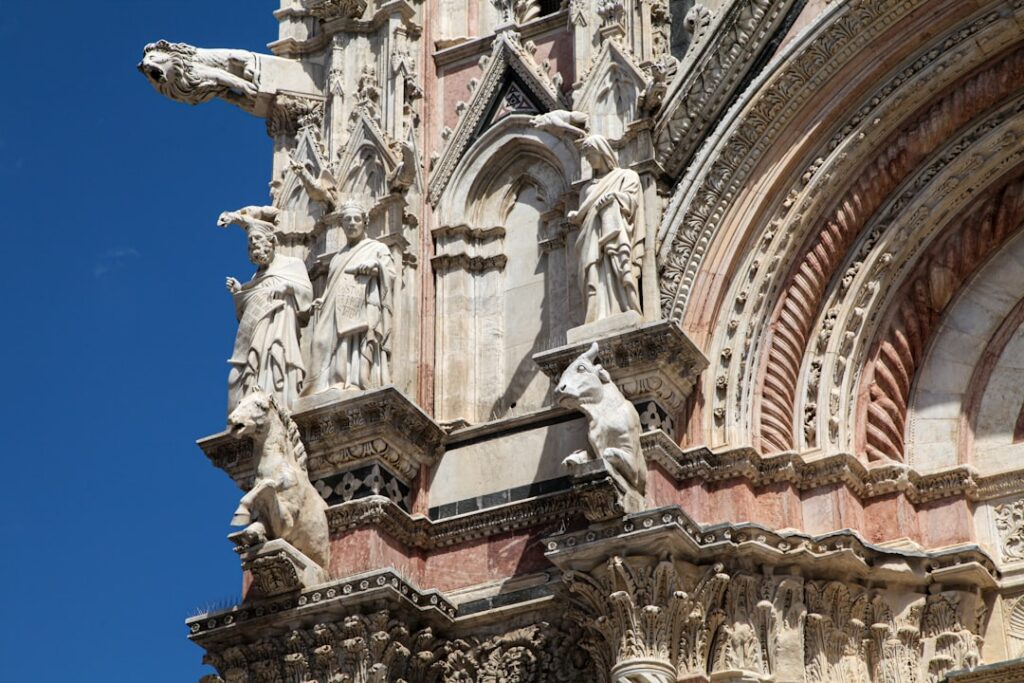
The cathedral is a riot of white and dark green marble. The squares and approaches around Piazza del Duomo require care—especially near the Baptistery of San Giovanni and the Libreria Piccolomini. Take a moment to sit on a bench and soak up the sculpted façade and mosaics before you go inside.
Click here to buy your ticket for Siena Cathedral
Safety, Weather, Accessibility and Local Tips
Staying safe on Siena’s cobbles is a mix of common sense, reading the weather and respecting local practices. Here are practical tips for different situations.
Rain and slippery surfaces
- Avoid smooth leather soles; opt for rubber with good tread.
- Walk with slightly bent knees to lower your center of gravity.
- Use umbrellas rather than wide ponchos that can throw you off balance.
Access and reduced mobility
Siena isn’t the easiest city for accessibility due to its slopes and uneven paving. Still, several sites offer adapted routes or assistance:
- Museo dell’Opera del Duomo and some areas of the Duomo have partial wheelchair access; call ahead or check online (Piazza del Duomo, 8).
- Palazzo Pubblico/Museo Civico has some lifts, but Torre del Mangia is naturally inaccessible for people with reduced mobility.
- Taxis and local buses can drop you near main entrances (station: Stazione di Siena, Piazza Gramsci, 53100 Siena).
Hours, tickets and avoiding crowds
Buy tickets online for Torre del Mangia, the Duomo and Museo Civico to avoid standing in lines on the cobbles. Try to visit early morning or late afternoon for softer light and fewer people on the steps. Always check official websites for current opening hours—church services and municipal events can cause closures.
Click here to buy your pass for the cathedral complex with audio guide
CONCLUSION
Walking Siena’s cobbled streets is a full sensory experience: you touch history with every step, feel the age of the stones beneath you and admire architecture that has survived centuries. To keep that experience pleasant and safe, the essentials are the right gear—grippy-soled shoes, a light bag, rain protection—and adjusting your pace to the surface and weather. Knowing a few addresses and opening times helps you plan visits (Piazza del Campo, Piazza del Duomo, Torre del Mangia, Palazzo Pubblico — Museo Civico) and avoid peak crowds.
Remember that the quality of your walk depends on your willingness to slow down: the lanes invite you to pause, study a façade, slip through a doorway into a quiet cloister, sit by the Fonte Gaia and listen to the square. Respect the ground and the local people, don’t run on wet slabs, and if you’re visiting during the Palio, anticipate traffic restrictions and crowds. Finally, always double-check prices and hours before you go—the figures given here (Torre del Mangia ≈ €10, Museo Civico ≈ €10, Duomo/Museo dell’Opera ≈ €15) are indicative and may change—but they’ll give you a solid starting point to plan.
With a little preparation and attention, your walks in Siena will turn into real discoveries: every step on the cobbles tells a story and every climb rewards you with a view. Enjoy the city at a human pace, let the Tuscan light guide you and savour a late-afternoon break on a terrace. Buon viaggio e buona passeggiata a Siena!