





Architectural Walking Guide: One-Day in Siena
INTRODUCTION
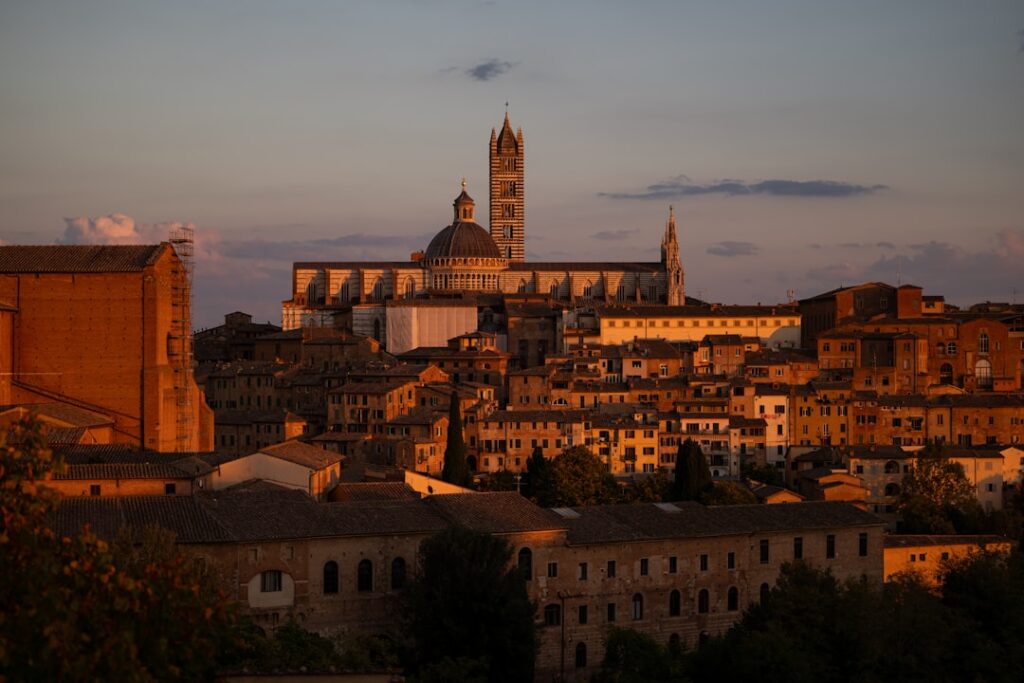
Siena is an open-air museum where every stone tells a medieval, Gothic and Renaissance story. For architecture lovers, a single well-planned day can reveal the city’s stylistic and symbolic richness. The route I suggest focuses on Siena’s signature architectural landmarks — the cathedral, civic squares, palaces, basilicas and museums — while taking walking distances, opening hours and practical tips into account to help you make the most of your visit. Siena’s urban layout remains almost unchanged since the Middle Ages: sloping alleys, alternating bands of marble on façades, ornate loggias and bowl-shaped public squares. In one day you can absorb the essence of this architectural identity, from the inlaid marble floors of the Duomo di Siena to the austere masses of the Basilica di San Domenico and the civic harmony of the Piazza del Campo.
This itinerary is designed to start early in the religious heart of the city — the Cathedral Complex — then unfold toward the Piazza del Campo and civic buildings, ending with more intimate discoveries like small churches and panoramic viewpoints. I give exact addresses, indicative prices in euros, typical opening hours and practical advice: where to buy tickets, how to avoid queues, what to wear inside religious buildings, and what to do if an exhibition is closed for restoration. This guide reflects local realities: many sites follow seasonal hours, some explanatory panels are only in Italian, and most monuments require walking on old, uneven surfaces — sturdy closed shoes are essential.
Finally, I offer sensory observations for each stop: how the light falls on the paving at the center of the Campo in the mid-afternoon, the smell of sun-warmed marble near the Duomo, or the sound of footsteps on the stone stairs up to the Torre del Mangia. These details will help turn a simple visit into an immersive experience where architecture becomes a text to read. Follow this route to get the most out of a day in Siena, whether you’re a photographer, an art history student, or just a curious traveler.
FIRST STOP: CATTEDRALE DI SANTA MARIA ASSUNTA (Duomo di Siena) AND THE CATHEDRAL COMPLEX
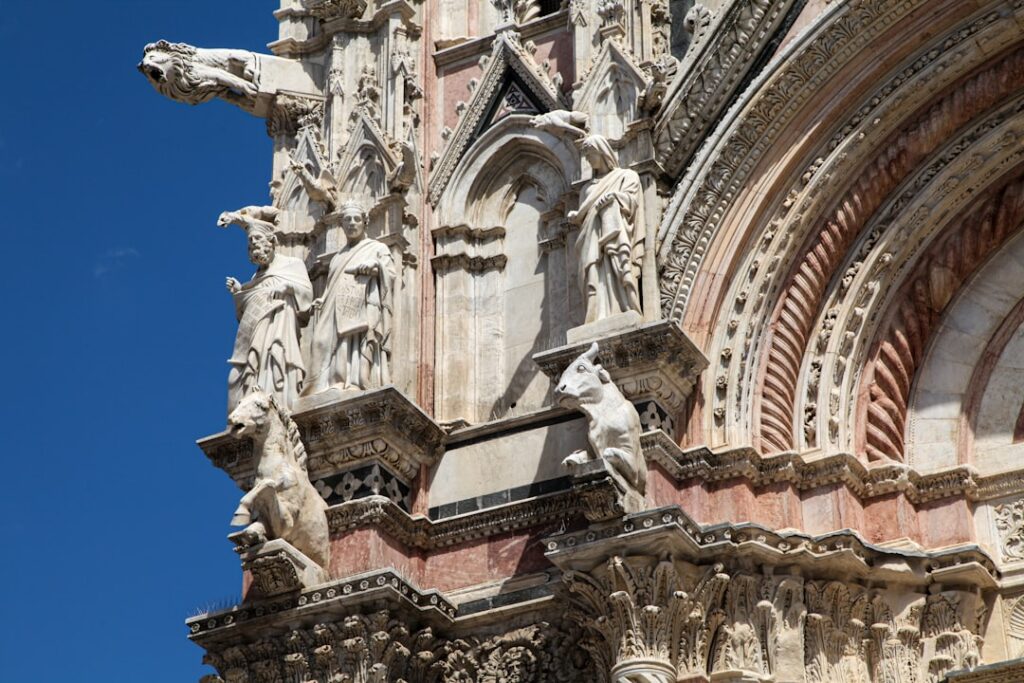
Start your day at the Complesso del Duomo, the religious and artistic core of Siena. The main site is the Cattedrale di Santa Maria Assunta (Duomo di Siena), located at Piazza del Duomo, 8, 53100 Siena SI, Italy. The complex includes the cathedral itself, the Battistero di San Giovanni, the Facciatone (the old unfinished façade) and the Museo dell’Opera Metropolitana di Siena. The combined ticket (« Opera Duomo » or « Complesso Monumentale del Duomo ») usually costs between €12 and €15 per person for the combo entry (indicative price, reduced rates for students and seniors). The ticket grants access to the Duomo, the museum, the baptistery and the Facciatone: a great deal for understanding the site’s architectural and artistic evolution.
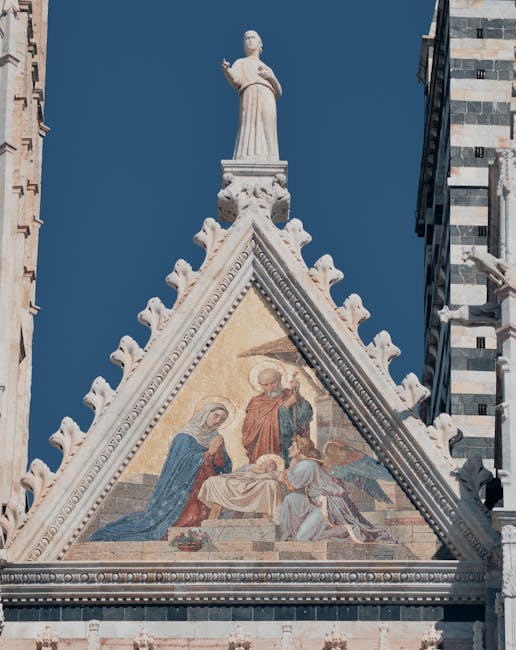
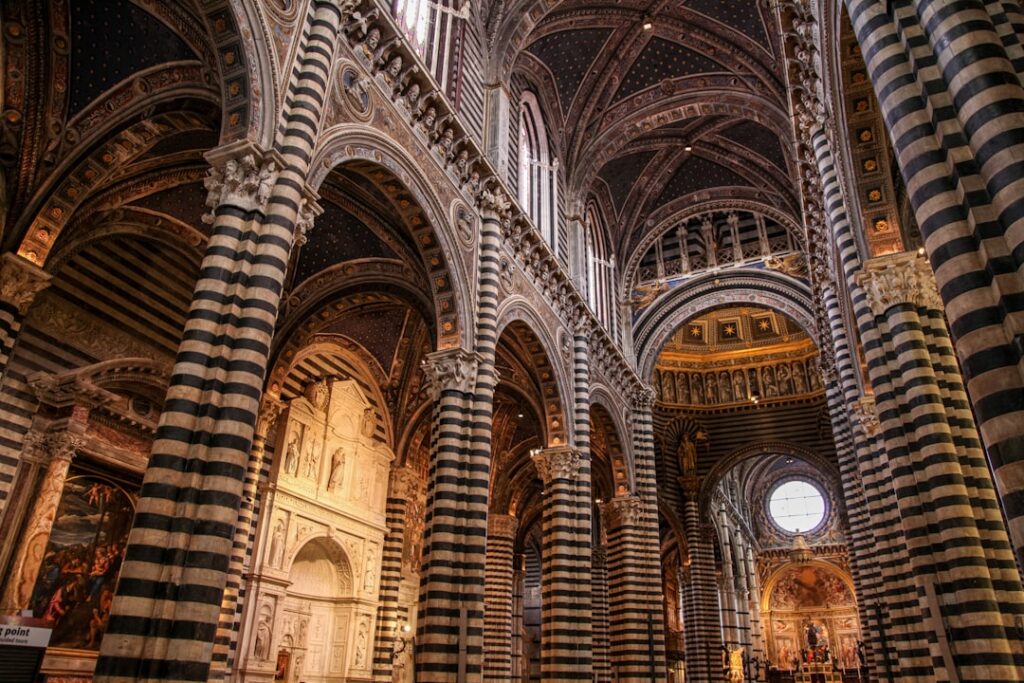
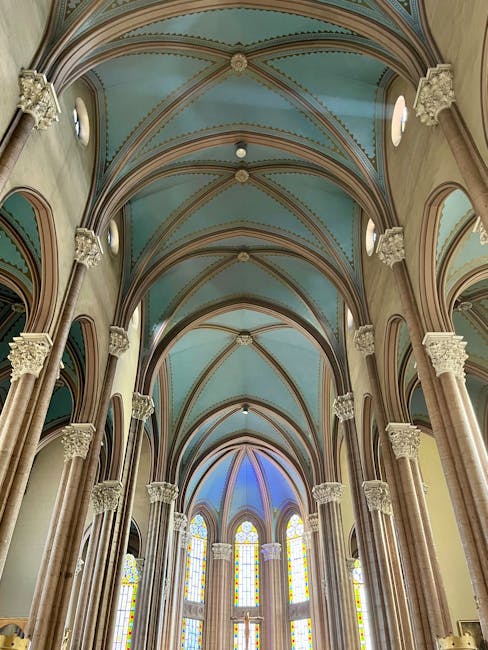
Typical hours: the complex is often open from 10:00 to 19:00, with last admission about an hour before closing; these hours can change due to religious services and the season. It’s highly recommended to check the official website or the tourist office before you go. Inside, notice the alternating bands of white and dark green marble on the façade, a hallmark of Sienese Gothic, and the imposing portal. The interior houses a unique pavement made of marble inlay panels (it’s sometimes partially covered for conservation — check in advance).
Practical tips: arrive at opening time to avoid groups, climb the Facciatone first (the city views are spectacular), then visit the museum and finish with the Duomo’s interior when the light brings the stained glass to life. Allow at least 1.5 to 2 hours for the complex. Large backpacks are not always allowed inside; leave them at your hotel or use a locker service if needed. In high season, book your ticket online to guarantee entry.
 Click here to Book your ticket for Siena Cathedral
Click here to book your ticket for Siena Cathedral
SECOND STOP: PIAZZA DEL CAMPO, PALAZZO PUBBLICO AND TORRE DEL MANGIA
After the Duomo, head down to the famous Piazza del Campo, one of Italy’s most harmonious medieval squares. Address: Piazza del Campo, 53100 Siena SI, Italy. This shell-shaped piazza is the pinnacle of Sienese civic planning, designed for public gatherings and, of course, the Palio di Siena. At its center stands the Fonte Gaia, a restored fountain decorated with Renaissance sculptures (note: access to the fountain is restricted).
Facing the piazza is the Palazzo Pubblico (Town Hall) and its Museo Civico. Address: Piazza del Campo, 1, 53100 Siena SI, Italy. The museum houses major frescoes, including the renowned Maestà and the allegories of good and bad government painted by Ambrogio Lorenzetti. Entry to the Museo Civico is about €10 (reduced rates available). Typical hours: 10:00-20:00, but these vary by season — check before planning.
Right next to it, the Torre del Mangia (rising from the Palazzo Pubblico) offers one of the best panoramic views over Siena and the Tuscan countryside. Access: same address as the Palazzo Pubblico, Piazza del Campo, 1. The ticket to climb the Torre del Mangia is about €10. The ascent is strenuous: roughly 400 narrow, irregular stone steps. Opening hours are generally 10:00-19:00 (early closures in winter). The climb is not recommended for people with vertigo or heart issues; wear comfortable shoes and avoid bulky bags.
Practical tips: take a coffee break on the piazza to study the geometry of the paving and the Gothic façades around it. For crowd-free photos, come early in the morning or wait until late afternoon when the setting sun warms the walls. Beware of Palio dates (July 2 and August 16): on those days and in the run-up, the piazza may be closed to the public.
Click here to Book a tour with Duomo entry and panoramic views
Click here to book a tour with Duomo entry and panoramic views
THIRD STOP: SANTA MARIA DELLA SCALA AND THE HISTORIC STREETS
A few steps from the Duomo lies Santa Maria della Scala, a medieval hospital transformed into a museum and cultural center. Address: Piazza del Duomo, 2, 53100 Siena SI, Italy (main entrance near the Duomo). The museum complex displays paintings, large-scale wall frescoes and reconstructions of hospital spaces. Entry is usually around €10, often included in combo tickets with the Duomo depending on current offers. Typical hours: 9:30-19:00; check for temporary closures due to exhibitions or restoration.
Architecturally, Santa Maria della Scala provides a striking contrast to the Duomo’s solemnity: its low rooms, narrow corridors and internal chapels exemplify medieval social architecture where function shaped form. The often-fragmentary grand frescoes tell stories of care, charity and early medical practices — a valuable testimony to how architecture served the community.
After your visit, deliberately get lost in the nearby lanes — via di Città, via Banchi di Sopra and via della Sapienza — to study brick façades, stone arches, loggias and small inner courtyards. These streets preserve an intact medieval urban fabric: discreet signs, irregular slopes and tightening perspectives offer surprising architectural compositions. Look out for carved wooden doors and stone lintels bearing guild marks; they tell of Siena’s past economic life.
Practical tips: pause often to admire the details: door knockers, wrought-iron grilles, old house numbers, mosaics and commemorative plaques. For lunch, pick a restaurant or osteria on these side streets — you’ll avoid tourist traps on the piazza and often discover interiors in keeping with the building’s historical architecture.
FOURTH STOP: BASILICA DI SAN DOMENICO AND PANORAMIC VIEWPOINTS
To finish the afternoon, head to the Basilica di San Domenico, located at Piazza San Domenico, 7, 53100 Siena SI, Italy. The basilica, an example of sober Gothic architecture, was built for a mendicant order and is characterized by clean volumes, spacious interiors and an austere atmosphere that highlights relics and side chapels. Entrance is often free but there may be a small fee for certain chapels or temporary exhibitions; plan for a donation of €2 to €5 if you enter special areas.
The Basilica offers a different take on religious architecture: less ornate than the Duomo but hugely expressive through its proportions and the light in its naves. Don’t miss the Chapel of Saint Catherine of Siena (Santa Caterina), central to the city’s spiritual history. The church also overlooks the northern heights of the old town, and several nearby viewpoints offer splendid panoramas over Siena’s rooftops and the Tuscan countryside.
A great vantage point is reachable via via di Città and the terraces near the public gardens. For panoramic photos, scout belvederes along via dei Montanini and via Banchi di Sopra. These viewpoints let you appreciate the Duomo’s banded silhouette, the medieval urban density and the scale of the surrounding landscape.
Practical tips: if you still have energy, take a short hike to the Complesso dei Roccabruna (medieval remains) or to the Fortezza Medicea (Piazza d’armi, 53100 Siena), which offer pleasant views and gardens. The Fortezza sits at the city’s eastern end and is often used for events; access to the ramparts may be ticketed depending on the season. Wear a sun hat and bring water — some viewpoints have little shade.
CONCLUSION
A one-day architectural itinerary in Siena is a dense but hugely rewarding immersion in built history. Starting from the polychrome richness of the Cathedral Complex, crossing the civic sequence of the Piazza del Campo and Palazzo Pubblico, then exploring medieval hospitals and basilicas, you’ll traverse centuries of architecture. The key addresses — Piazza del Duomo, 8 (Duomo), Piazza del Campo, 1 (Palazzo Pubblico/Torre del Mangia), Piazza del Duomo, 2 (Santa Maria della Scala), Piazza San Domenico, 7 (Basilica di San Domenico) — will guide you naturally on a well-organized walking circuit.
Allow roughly 6 to 8 hours depending on your pace and queues, with online reservations for the Duomo and Torre del Mangia if possible. Indicative budget for paid visits: €25 to €40 per person for the main sites (Duomo complex €12-15, Torre del Mangia €10, Museo Civico €10, Santa Maria della Scala €10) — excluding meals and transport. Opening hours given are guidelines: check for closures due to religious services, events like the Palio, or restoration work. The highlights are often better understood with an audio guide or guided tour that contextualizes symbols and chronology.
Click here to Book a guided walking tour of Siena Cathedral
Click here to book a guided walking tour of the Duomo
A few final practical tips: wear comfortable, non-slip shoes for cobbles and stairs; respect dress codes in religious buildings (shoulders and knees covered); carry small change for donations and public toilets; and keep an eye on the weather — shade is scarce on some viewpoints and summers can be hot. If you have an extra night, return at sunrise or sunset: the light transforms Siena’s stone and creates unique photographic opportunities. Siena is a city where architecture is not just to be looked at — it’s lived. Every street is an open-air classroom for anyone willing to listen to the walls.