





Introduction
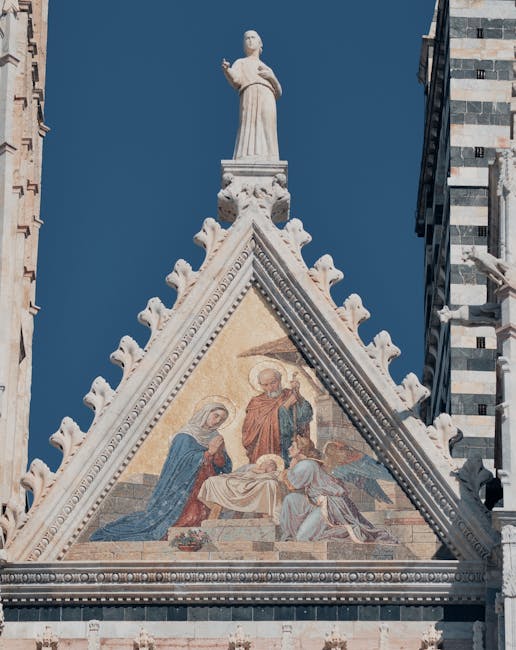
In the heart of Tuscany, the city of Siena shelters one of Italy’s most spectacular religious ensembles: the Duomo di Siena, or Cattedrale di Santa Maria Assunta. While the cathedral’s black-and-white striped marble silhouette draws visitors from around the globe, it is often the side chapels, oratories and adjoining spaces that hide the real treasures — intimate stories and overlooked masterpieces. These areas may be modest in size but immense in artistic and spiritual value: they tell of family rivalries, local devotions and major artistic commissions from the 15th and 16th centuries. Walking through the Duomo’s chapels, you’ll encounter a layering of histories: masterful frescoes, baroque altars, monumental tombs and carved wooden fittings.
This article offers a close exploration of the Duomo di Siena’s chapels and adjacent spaces — the Cappella Piccolomini, the Cappella del Voto, the small side chapels, the Battistero di San Giovanni and the Biblioteca Piccolomini — and gives essential practical information: exact addresses, opening hours, ticket prices, tips to avoid crowds and how to read the art on site. The aim is twofold: to provide an immersive, sensory and informed visit for the reader, and to give concrete guidance for planning your visit, from buying tickets to the best moments for photography.
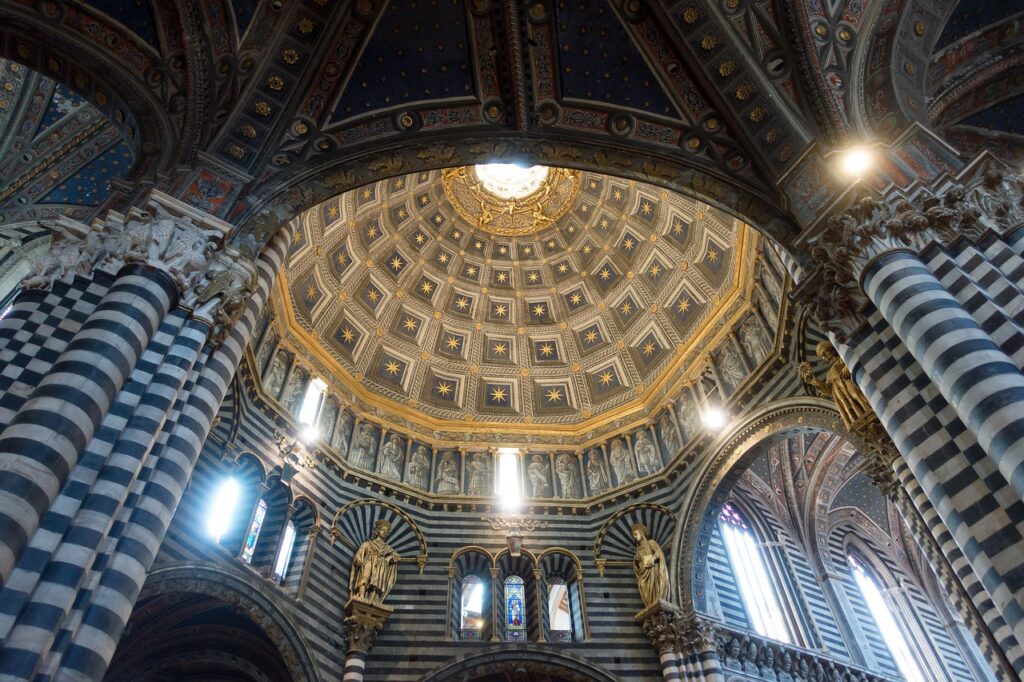
Beyond mere descriptions of works, we’ll look at how each chapel fits into the overall architecture of the Duomo, how light moves through these spaces, what emotions to expect in front of a polychrome painting or a mosaic pavement, and which details — inscriptions, heraldic symbols, traces of later interventions — shouldn’t be missed. Whether you’re a traveler in a hurry, an art-lover or a pilgrim seeking quiet, this complete guide will help turn a visit to the Duomo di Siena into a rich, lasting experience.
 Click here to book your ticket for the cathedral and the library
The historical setting: Duomo di Siena and practical addresses
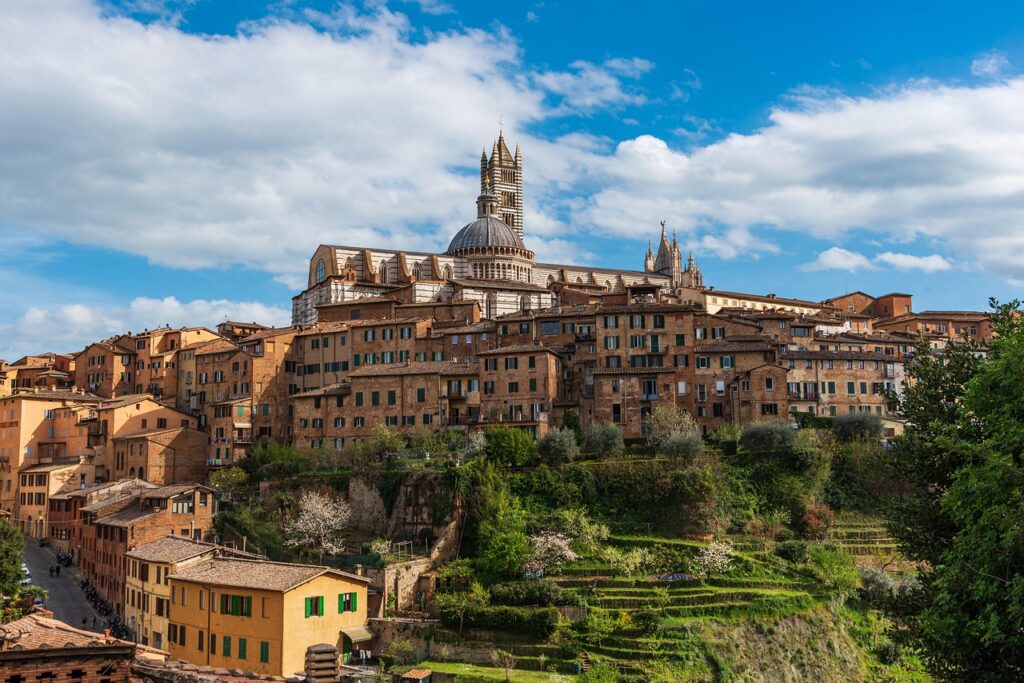
The Duomo di Siena, officially the Cattedrale di Santa Maria Assunta, stands on the Piazza del Duomo. Exact address: Piazza del Duomo, 8, 53100 Siena SI, Italy. Around the cathedral orbit several institutions that manage access to the chapels and collections: the Opera della Metropolitana, the Museo dell’Opera del Duomo and the Biblioteca Piccolomini. For most visitors, entry is through the integrated route of the Opera del Duomo, which allows you to see the cathedral, the baptistery, the library and the museum.
Practical prices (at time of writing): Standard Opera del Duomo ticket: €15 adult; reduced price: €12 (youth, seniors, groups); free entry for children under 6. These prices may include or exclude the climb to the Facciatone viewpoint; there are also combined tickets with the Museo dell’Opera di Siena and the Libreria Piccolomini. It’s strongly recommended to buy tickets online through the official site to secure a timeslot and avoid queues, especially during high season.
Indicative opening hours (check for seasonal updates):
- Cattedrale di Santa Maria Assunta: Monday–Saturday 10:30–19:00; Sunday 12:30–19:00.
- Museo dell’Opera del Duomo: 10:00–18:00 (last admission 17:00).
- Battistero di San Giovanni: 10:00–17:30.
- Biblioteca Piccolomini: 10:00–17:30 (visits limited, access sometimes by reservation).
Local practical tips: arrive early, between 08:30 and 10:30 to enjoy ideal morning light and lighter foot traffic. In summer, favor the last hours before closing for low, raking light that brings out sculptural reliefs. Large bags are sometimes checked; dress respectfully (shoulders covered, knees covered) to enter liturgical spaces. Finally, a 60–90 minute guided tour offered by the Opera can transform your understanding of the chapels by highlighting historical and artistic contexts that are often invisible at first glance.
Click here to book a city tour with Duomo entry

The Cappella Piccolomini: a story in frescoes and marble
The Cappella Piccolomini is arguably one of the Duomo di Siena’s most famous chapels. It bears the name of the powerful Piccolomini family, whose most illustrious member, Enea Silvio Piccolomini, became Pope Pius II. Interior address: Cappella Piccolomini, Duomo di Siena, Piazza del Duomo, 8, 53100 Siena. This chapel is a jewel-box of brilliant frescoes by Pinturicchio, assisted by young artists including the young Raffaello Sanzio at the very start of his career. The frescoes narrate the life, exploits and visions of Pope Pius II in a very colorful, narrative and ornamental style.
The space is also known for its decorated stalls, finely carved wooden canopies and marble funerary monuments, among them the tomb of Cardinal Francesco Piccolomini — an example of Renaissance elegance. Light filtering through the side windows accentuates the gold leaf and pigments used by Pinturicchio; it’s worth lingering on the scene details, where architectural motifs, distant landscapes and fantastical elements mingle. The Cappella Piccolomini has been restored several times: notice contemporary interventions that protect the paintings and the recent explanatory panels that place each scene in its historical context.
Practical information:
- Access: Included with the Opera del Duomo ticket (see prices above).
- Hours: Open during the same hours as the Biblioteca Piccolomini; access can be limited for conservation reasons.
- Visitor tip: use a magnifier or a photo-zoom app to read Latin inscriptions and admire the small details, often at eye level. Avoid flash and speak softly: the acoustics amplify whispers.
Click here to book an exclusive morning Duomo visit
The Cappella del Voto and the side chapels: an itinerary of fine work and intimacy
Following the ambulatory and the side aisles of the Duomo, the visitor discovers the Cappella del Voto and a series of small chapels dedicated to local saints or particular devotions. Cappella del Voto (interior address: Duomo di Siena, Piazza del Duomo, 8) is marked by an impressive altarpiece and ex-votos that testify to the vows and thanks of Siena’s inhabitants, often related to calamities like epidemics or wars. The altars, often framed in polychrome marbles and baroque sculpture, reveal the material wealth of the confraternities that funded them.
The side chapels house small-scale works of remarkable quality: panel paintings, low-reliefs, carved woodwork and tabernacles. Names to look out for include works attributed to Domenico Beccafumi or Matteo di Giovanni, whose color harmonies and dramatic expression invite a close reading of faces and gestures. These chapels also allow a close observation of the inlaid marble pavement (sometimes partially closed to foot traffic for conservation), where allegorical and zodiacal motifs tell another, more cosmic story.
Exploration tips:
- Take your time in each chapel: look upward for medallions, along the plinths for signatures, and near altars for dated inscriptions.
- Visit in the late afternoon for light contrasts that accentuate sculptural reliefs.
- Spot heraldic plaques and mutilated coats of arms: they tell of family alliances and civic rivalries.
Click here to book a guided walking tour of Siena
The Battistero di San Giovanni and the Biblioteca Piccolomini: neighboring spaces, complementary treasures
The Battistero di San Giovanni sits within the Duomo complex, address: Battistero di San Giovanni, Piazza del Duomo, 8, 53100 Siena. This baptistery is a true cabinet of art, featuring bronze low-reliefs and marble sculptures. The famous baptismal font, carved by Florentine and Sienese masters between the 14th and 15th centuries, is a highlight. Admire the bronze panels depicting biblical scenes and baptismal symbols: the modeling and lost-wax casting technique make them pieces of exceptional finesse.
A few steps away is the Biblioteca Piccolomini (often accessible by reservation or as part of a combined ticket). Address: Biblioteca Piccolomini, Piazza del Duomo, 8, 53100 Siena. The library is famous for its interior frescoes by Pinturicchio and its richly decorated Renaissance desk. The space evokes the humanist culture of Pius II’s papal court and preserves manuscripts and old volumes — a rare opportunity to glimpse the intellectual world of Renaissance Siena.
Hours and access:
- Battistero di San Giovanni: 10:00–17:30 (check seasonal schedules).
- Biblioteca Piccolomini: 10:00–17:30; access sometimes limited and by reservation for conservation reasons.
- Price: included in the Opera del Duomo ticket or available as an option in combined tickets (see prices above).
Local tips:
- Book the Biblioteca Piccolomini in advance if you want a guided visit: places are limited.
- If you photograph the baptistery interior, favor a wide-angle lens and a higher ISO without flash to capture bronze detail.
- Take a brief moment of quiet in the baptistery: the acoustics echo voices and make the experience singular.
Click here to buy the cathedral complex pass with audio guide
Practical tips for a successful visit
A full visit to the Duomo and its chapels can take between 1.5 and 3 hours depending on how closely you look. Here are some concrete tips to optimize your time and experience:
- Buy tickets online: choose a morning timeslot to avoid crowds and capture the best light. Opera del Duomo ticket recommended: €15.
- Dress appropriately: some sacred spaces require shoulders and knees to be covered.
- Use an artwork recognition app or download a PDF brochure before entering: it will help you spot artist names and dates.
- Opt for a guided tour if you want an in-depth reading of frescoes and symbols; official guides often get access to areas closed to the general public.
- Check service times: some spaces may be closed during masses; Sunday access is often delayed.
Click here to book skip-the-line tickets for the Duomo

Conclusion
The chapels of Siena’s Duomo form a string of sensory and intellectual experiences: each one, whether lavishly ornamented or discreet, offers the visitor a piece of Siena’s soul. From the Cappella Piccolomini to the small side chapels, via the Battistero di San Giovanni and the Biblioteca Piccolomini, the route reveals not only pictorial and sculptural masterpieces but also a deep social and religious history made up of offerings, commemorations and family ambitions. The central address — Piazza del Duomo, 8, 53100 Siena SI, Italy — remains the starting point for an immersion where stone, marble and color converse.
To get the most out of your visit, prepare your tickets, choose off-peak hours, respect conservation rules and allow yourself time to contemplate. Sometimes the works demand that you slow down, change your angle and pay attention to the humblest details: a plaque, a signature, a small medallion often overlooked. Finally, think of the visit as a conversation with the past: if you listen carefully, the Duomo’s chapels will speak to you of faith, art and the everyday life of a city that managed to combine beauty and memory.
Whether you’re an art enthusiast or a curious traveler, exploring the Duomo di Siena’s chapels leaves lasting impressions — from Pinturicchio’s colors to the sheen of the baptismal bronze and the cool sparkle of marble. Keep your camera ready, but also give your eyes the leisure to see without a filter: often in silence and patient observation the true hidden treasures are revealed.