





Introduction
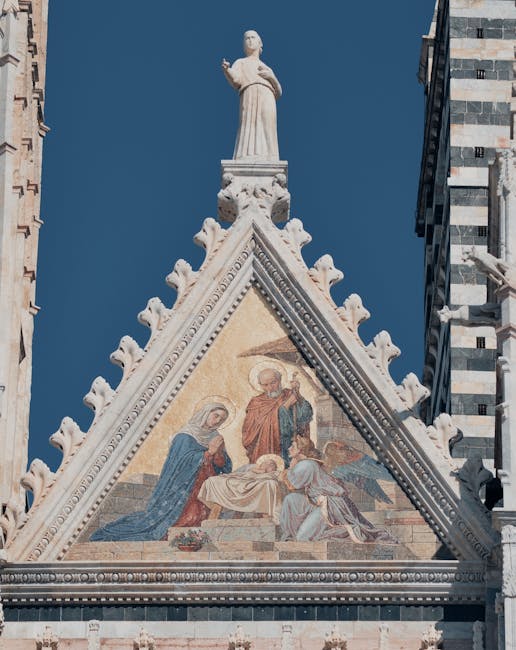
Siena, a medieval gem in the heart of Tuscany, reveals a different side of itself when the summer crowds fade away: quiet lanes, empty terraces, more accessible museums and better accommodation deals. Visiting Siena in the off-season — late autumn, winter and early spring — is a smart travel move for anyone wanting authentic local experiences and meaningful savings. Away from the tourist throngs, you can feel the stone warmed by a weak sun, hear footsteps on the pietra serena, and take time to chat with artisans, restaurateurs and passionate guides who, outside high season, have more time for visitors.
This comprehensive guide walks you through how to make the most of your stay: which sites to prioritize, where to eat well without overspending, which museums are cheaper, and how to avoid the pitfalls of reduced opening hours in low season. You’ll also find exact addresses and indicative opening times and prices — often applicable in the off-season — along with practical tips on transport, weather and booking accommodation. The goal is twofold: maximize your enjoyment and minimize your expenses without compromising the quality of the experience.
In the off-season, some sites close earlier or have different closing days; however, this comes with real perks: no lines at the Piazza del Campo, audioguides ready immediately at the Duomo di Siena (Cattedrale di Santa Maria Assunta), and less demand for skip-the-line tickets to the Torre del Mangia at the Palazzo Pubblico. Local markets return to their normal rhythm, trattorie serve hearty, comforting dishes (think ribollita or pappardelle al cinghiale) at gentler prices, and wine producers from the surrounding hills often offer more personalized, less touristy tastings. If you love photography, the soft light of cold mornings and the crisp skies after an autumn shower give exceptional framing for Siena’s Gothic art.
Finally, the off-season often means more human encounters: Sienese people, less overwhelmed by tourist flows, are more willing to share anecdotes and tips — whether it’s a small neighborhood osteria, an antique shop, or a stone bench offering the best view over the city. This guide mixes practical information (addresses, prices in euros, opening hours) with immersive recommendations so you can live Siena deeply, calmly and affordably.
Why Visit Siena Off-Season: Atmosphere, Savings and the Calendar
Choosing Siena in the off-season isn’t just about avoiding crowds: it’s about immersing yourself in a city that reveals a quieter, more intimate daily life. Streets that sometimes hum with organized tours are reclaimed by residents, artisans return to a measured pace, and cafés serve espresso at the counter to no one in a rush. Savings happen on several levels: cheaper flights and trains, hotels offering reduced rates and sometimes upgrades, restaurants able to offer fixed-price daily menus, and winemakers willing to negotiate private tastings.
Practical savings: in low season, hotel rates can drop 20–50% depending on the period and class of property. For example, a three-star hotel near the Piazza del Campo (Piazza del Campo, 53100 Siena SI) might offer rooms from €65–80 per night off-season, whereas in summer the same rooms typically run around €120–200 per night. Hostels and B&Bs in the Contrada area or near the Porta Camollia often offer discounts and include breakfast. Museums sometimes apply reduced pricing outside high season: the combined ticket for the Duomo complex (Domus, Museo dell’Opera, Baptistery) is frequently available at about €15 (full price) or €10 for reduced rates; off-season special offers or occasional free entry days can apply — check official sites.
Calendar and atmosphere: the Palio week (Palio di Siena) draws massive crowds on July 2 and August 16; avoid those dates if you seek peace and quiet. Conversely, visiting in November, December (outside major holiday periods), January–February or March guarantees often more dramatic landscapes: low skies, morning mist wrapping the towers, or even a rare but magical dusting of snow on the Torre del Mangia. This cultural winter also lets you attend church concerts, temporary exhibitions at Santa Maria della Scala (Piazza del Duomo, 2, 53100 Siena SI) and covered markets full of local produce.
Explore the Historic Center: Piazza del Campo, Duomo di Siena and Torre del Mangia
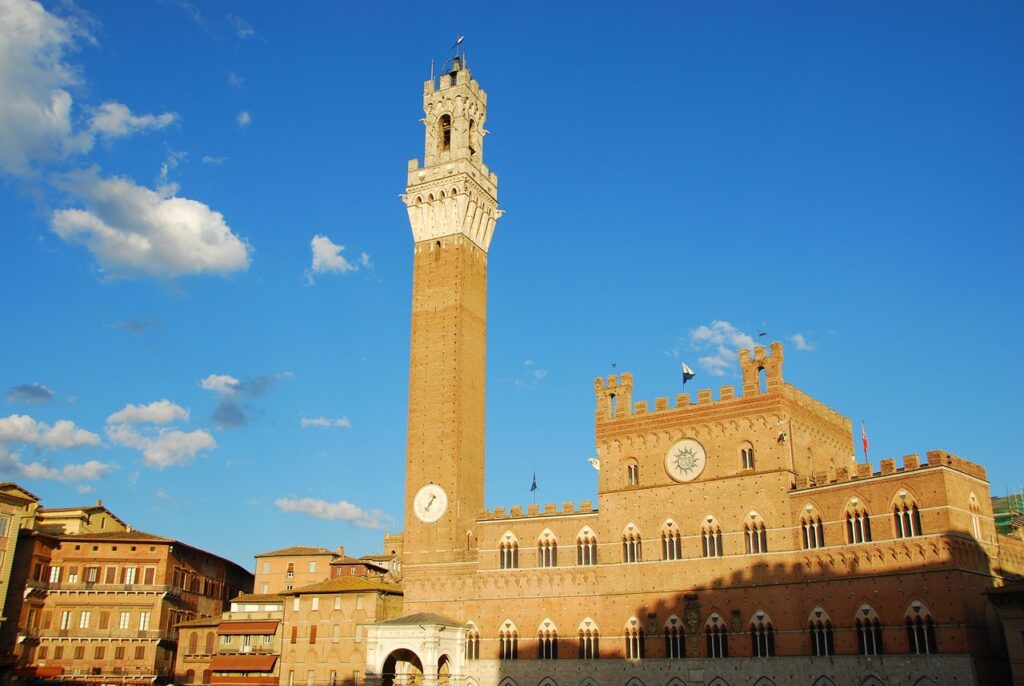
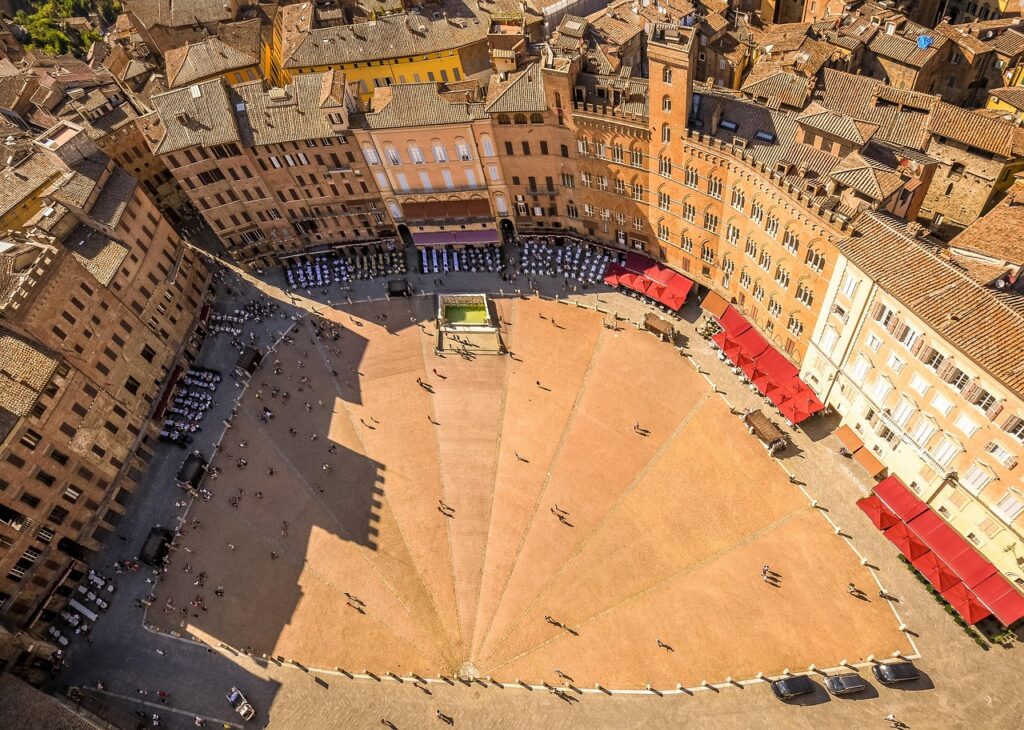
A visit to Siena’s historic center is essential and, in the off-season, can be enjoyed at a relaxed pace. Start at the Piazza del Campo (Piazza del Campo, 53100 Siena SI), the shell-shaped square that traditionally hosts the Palio. The large paved space is framed by Gothic palazzos and historic cafés; sitting at a table in Caffè delle Logge or Bar Il Palio you can watch local life with espresso at the counter starting from about €1.10–1.50 depending on whether you sit inside or on the terrace (indicative prices). In low season, terraces are less busy and servers take the time to chat, adding a convivial dimension to the visit.
 Click here to book a guided walking tour of Siena and the Duomo
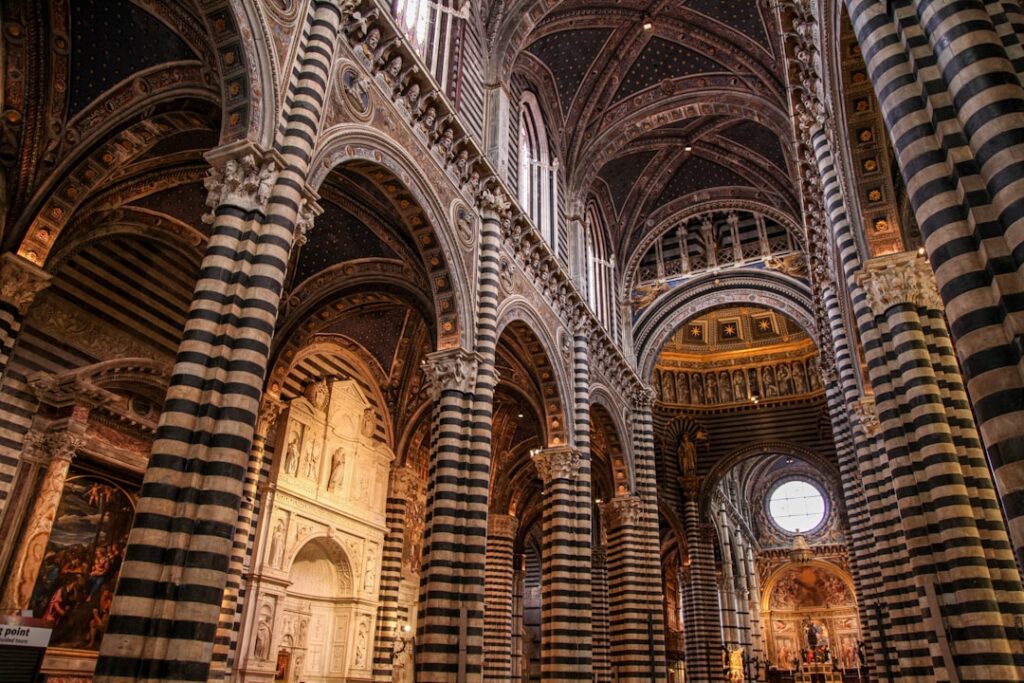
A short walk away, the Duomo di Siena — Cattedrale di Santa Maria Assunta — is a masterpiece of Italian Gothic. Address: Piazza del Duomo, 8, 53100 Siena SI. Indicative opening times off-season: 10:00–17:00 (check the official site for liturgical closures). Combined ticket for the cathedral, the Museo dell’Opera, the Libreria Piccolomini and the Baptistery: around €15 (full price), €10 (reduced); free for children under 10; individual tickets are sometimes available. Inside, admire the polychrome façade, the carved marble pavement, the Libreria Piccolomini decorated with Pinturicchio frescoes, and the great organ. In the off-season you’ll have time to study sculptural details and photograph the nave without obstructions. The small adjacent museum, Museo dell’Opera del Duomo (Piazza del Duomo, 6), houses works by Nicola Pisano and other masters; its address and opening hours often align with the cathedral.
Click here to book your ticket for Siena Cathedral
Don’t miss the Torre del Mangia at the Palazzo Pubblico (Piazza del Campo, 1, 53100 Siena SI): climbing its 400+ steps rewards you with an outstanding panoramic view of Siena’s terracotta roofs and the Tuscan countryside. Off-season opening hours: usually 10:00–16:00 (weather dependent); price: around €10 (full), €6–8 reduced; access may be restricted in high winds or rain. In low season, the climb is virtually queue-free: the effort pays off with clear photos and often the company of a guide who’ll share historical anecdotes about the different contrade visible from the tower.
Less Crowded Museums and Monuments: Santa Maria della Scala, Museo Civico and Hidden Treasures
Siena offers rich cultural experiences beyond the main highlights; off-season you can fully enjoy quieter museums and temporary exhibitions. Santa Maria della Scala (Piazza del Duomo, 2, 53100 Siena SI) is a former hospital turned museum complex: galleries, chapels, exhibition rooms and views over the cathedral. Hours around 10:00–18:00 (check for closing days); indicative price: €10–12 full, discounts for students and seniors. The space tells Siena’s social history, including care for pilgrims and the poor, and displays medieval frescoes and restored works. In the off-season you’ll be free to wander the vaults and visit the panoramic terrace in peace.
The Museo Civico (Palazzo Pubblico, Piazza del Campo, 1, 53100 Siena SI) preserves paintings, frescoes and the famous Maestà by Simone Martini. Usual hours: 10:00–19:00 in high season, reduced in low season (10:00–17:00 or 10:00–16:00); price: around €8–12 full. Take a guided tour to better grasp the political and religious symbolism of the works, including depictions of the contrade and scenes of communal government. The palace itself is a Gothic architectural gem with presidential rooms and painted halls that narrate Siena’s civic history.
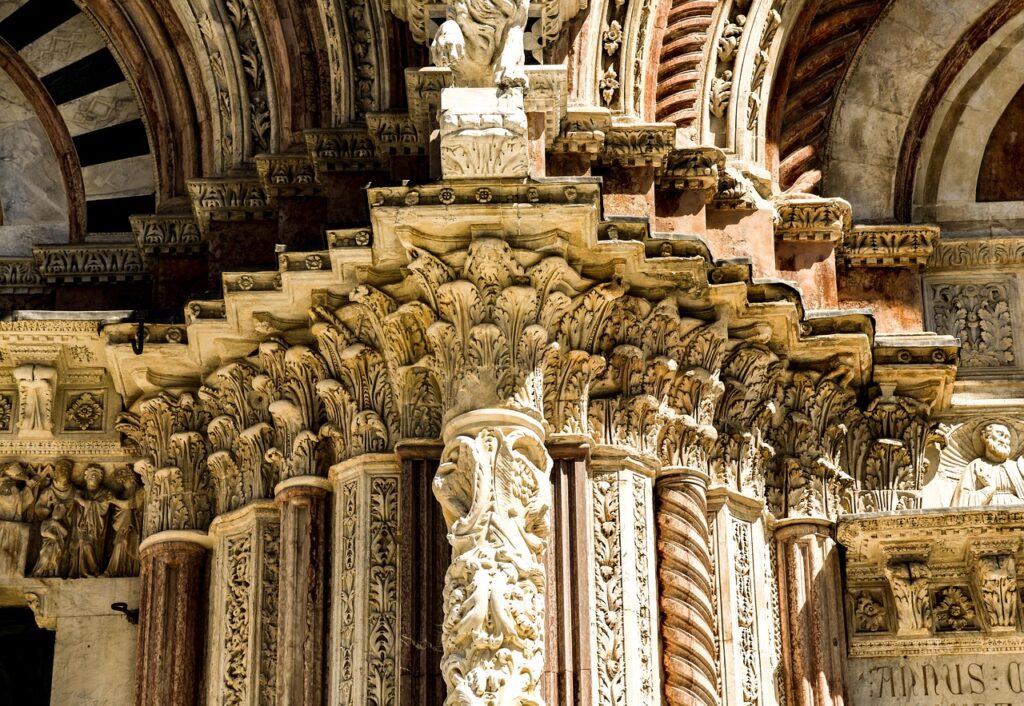
Other lesser-visited treasures: the Fonte Gaia (Piazza del Campo) and the Basilica di San Domenico (Piazza San Domenico, 12, 53100 Siena SI), where relics of Saint Catherine of Siena are kept. The basilica is often peaceful in the off-season: indicative hours 9:00–12:00 and 15:00–18:00; free entry, donations suggested. Don’t overlook the small neighborhood chapels, artisan workshops in the vicoli and temporary exhibitions in converted churches, where the lack of crowds favors close study of artistic details.
Eating Well and Saving: Markets, Trattorie and Hill Wines
Eating well for less in Siena during the off-season is entirely possible. Local markets and delis sell quality products at reasonable prices: the food market on Via Stalloreggi (a street close to Piazza del Campo) and shops along Via Banchi di Sopra are excellent starting points for buying cured meats, pecorino cheeses, breads and fruit. Prices vary: a nice wedge of pecorino can cost between €6 and €12/kg depending on aging; local wines like Montepulciano or Chianti Classico in supermarkets start around €6–8 a bottle, while in local osterie expect €12–20 for a great bottle to share between two.
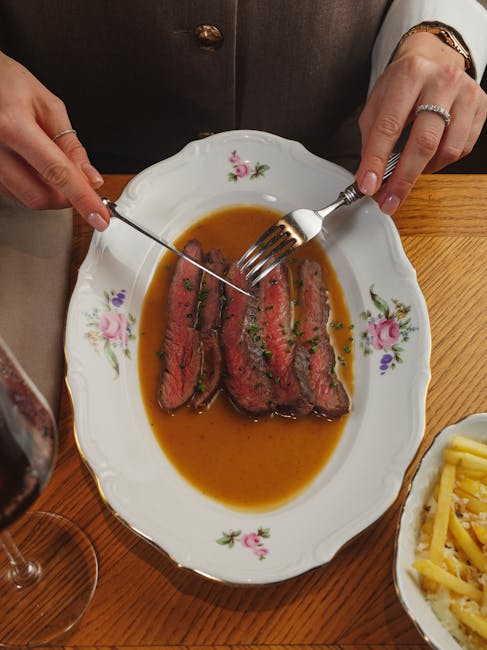
For lunch or dinner, favor small neighborhood trattorie and osterie: traditional dishes like ribollita (Tuscan soup), pici all’aglione or pappardelle al cinghiale range from €8 to €16 depending on the place. A few places to know: Trattoria La Torre (Via di Città, 55, 53100 Siena SI) — homemade dishes and daily menus around €12–18; Osteria Le Logge (Via del Porrione, 33, 53100 Siena SI) — more touristy but high quality, menus from about €20. In the off-season, restaurants sometimes offer a « menu del giorno » at a fixed price (€12–18) including starter, main and sometimes dessert — a great way to save.
Wine bars (enoteche) and cellars near the ridgelines offer tailored tastings: look for small producers around Monteriggioni and Castelnuovo Berardenga. Tasting prices often start at €10 (including 3 wines) and can rise to €25–35 for more comprehensive tastings with local products. In the off-season, ask for a private tasting or cellar visit: you’ll often get a discount or a more intimate, informative experience.
Click here to taste Chianti wine and olive oil
Click here to book a Chianti tour with wine tastings
Practical Local Tips: Transport, Accommodation, Weather and Safety
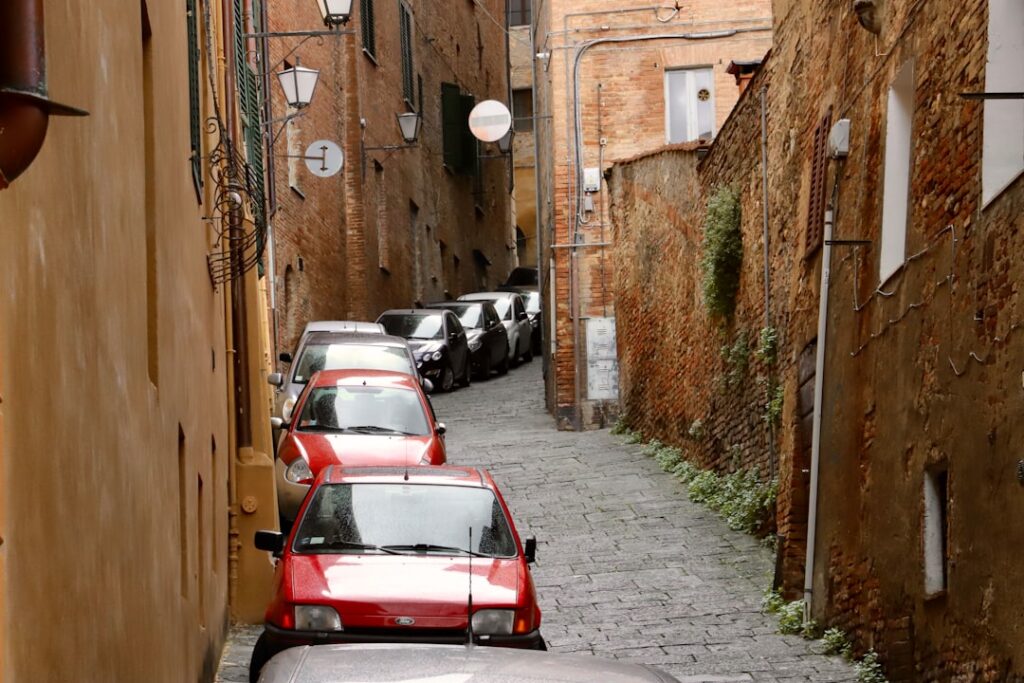
Transport: Siena is accessible by train via Siena station (Piazza Rosselli, 53100 Siena SI). Trains from Florence or Empoli run regularly but may be less frequent in low season; sample fare Florence–Siena: €7–12 depending on the train and how you book. Buses (SITA) also serve the surrounding countryside and villages like Monteriggioni (Bus 131 or 132). For exploring the countryside, renting a car is convenient: local agencies near Piazza Gramsci and the station offer rentals from about €30–40/day excluding insurance. Beware parking: the historic center is a ZTL (limited traffic zone); park in an authorized lot (for example Parcheggio Il Campo, Via Tozzi) to avoid fines. Taxis are available near the station and the main square, but on-foot exploration is best for the historic center.
Click here to book a day trip to Siena from Florence
Click here to book a day trip to Siena from Florence
Accommodation: book early to get the best off-season rates, but know that flexibility can pay off: many properties accept last-minute bookings at reduced prices. B&Bs and agritourismi in the surrounding area offer excellent value: indicative rates €50–100 per night for a double off-season, while 4-star hotels in the center start around €90–150 per night. Check recent reviews and cancellation policies — some places close for maintenance in the off-season, so confirm they’re open before booking.
Weather and clothing: Tuscany in the off-season can be cool and damp. In autumn and winter, bring warm layers, a waterproof windbreaker and shoes with good grip (the cobbles can be slippery). Mornings are often misty and ideal for photography, but temperatures can fall at night — pack a warm sweater and a hat for high-up visits like the Torre del Mangia.
Safety and local etiquette: Siena is generally safe. Respect local rules: eating while standing in the Piazza del Campo can be frowned upon during events; avoid speeding through restored areas on a bike at night. In low season, shops may close from 13:00 to 16:00 for a midday break; plan visits and meals accordingly. Learn a few basic Italian words — a « Buongiorno », « Grazie » and « Per favore » will always make a good impression and help with small negotiations at markets or with winemakers.
Conclusion
Visiting Siena in the off-season is an experience full of authentic discoveries, real savings and human encounters. Away from tourist flows, the city settles into a more human rhythm: museums can be explored unhurriedly, cafés become places of exchange, and restaurants offer seasonal menus at kinder prices. By planning smartly — checking museum hours (Duomo di Siena, Museo dell’Opera, Torre del Mangia), booking flexible accommodation, using local markets and taking advantage of enoteca offers — you’ll fully enjoy Siena’s food, art and landscape without breaking the bank.
The addresses mentioned (Piazza del Campo, Piazza del Duomo 8 for the cathedral, Piazza del Duomo 2 for Santa Maria della Scala, Palazzo Pubblico Piazza del Campo 1 for the tower and the Museo Civico) are practical anchors for organizing your days. The prices indicated — combined Duomo tickets around €15, Torre del Mangia about €10, museums €8–12 — are given as guidance and reflect typical off-season realities: more availability and sometimes discounts or perks (daily menus, private tastings) that stretch your travel budget further. Additionally, low season often makes hotel upgrades or personalized guided tours available at reasonable costs.
Finally, remember that Siena off-season offers a different sensory palette: morning mists over the rooftops, the smell of wood in the trattorie, the deep colors of the Duomo pavement under a low sky, and the calm of a city that breathes. It’s the perfect chance for curious travelers who want not only to see Siena but to feel and inhabit it during a thoughtful, economical stay. Prepare well, plan flexibly and open yourself to surprises — they’re often the best reasons to return.