





Introduction — Why Siena’s Free First Sundays Are Worth Your Attention
Siena, the UNESCO-listed Tuscan city, packs an extraordinary concentration of monuments, museums and artistic treasures that tell the story of medieval power and the Italian art of living. On the first Sunday of every month, many of Siena’s museums and civic sites open their doors free of charge as part of national and local cultural initiatives. This policy offers a rare chance to see masterpieces without the financial barrier, but it also takes a bit of planning to get the most out of your visits.
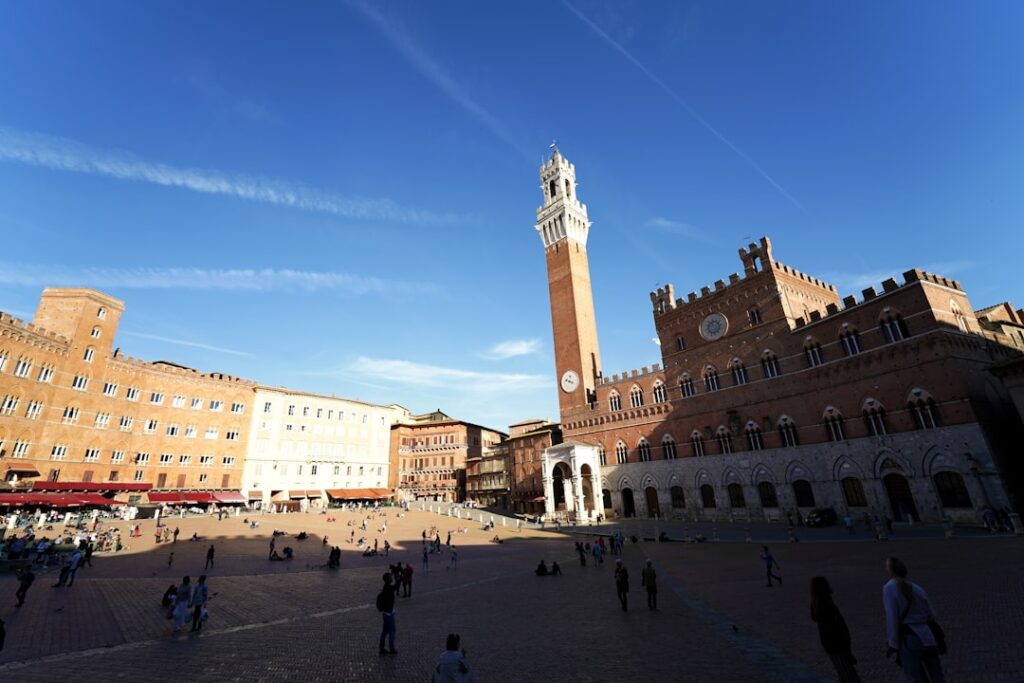
This introduction will help you get the best out of those free Sundays by explaining how openings work, which museums are the most rewarding, how to plan a realistic route through the day, and practical tips to avoid queues, protect your valuables and respect heritage rules. Whether you’re a quick visitor, a family spending a weekend, or an art lover who comes back often, first-Sunday free entry is a great way to deepen your experience of Siena — from the Piazza del Campo to the Duomo chapels, from the Pinacoteca’s paintings to the rooms of the Complesso Museale di Santa Maria della Scala.
Free entry doesn’t mean a lesser experience: audio guides, educational labels and temporary exhibitions are usually still available, and many institutions prepare special routes for casual visitors. But free admission attracts crowds. That means planning, choosing strategic times (arrive at opening, or conversely late afternoon), and sometimes booking in advance if a site caps visitor numbers even for free entry. We’ll give specific addresses, typical opening hours, usual ticket prices in euros (so you can see what you’re saving), and practical local tips — including how to walk the medieval alleys, where to park nearby, and quick food options so you don’t waste time.
There’s also a human side: free museum days often bring out locals enjoying a cultural Sunday with family, students, and international visitors. It’s an opportunity for a more authentic encounter with the city, beyond simple sightseeing. By the time you finish this article, you’ll be ready to build your own Sunday of exploration with concrete, realistic markers to optimize your day while respecting the sites and the local community.
Understanding the Initiative: Practical Details, Rules and How It Works
« First free Sundays » are often organized under the supervision of the Italian Ministry of Culture (Ministero della Cultura) and apply to certain state museums and sites. In Siena, the initiative is often supplemented by local openings: municipal museums and historic complexes frequently join in to attract residents and tourists. What should you know before you go?
First, free admission generally applies to standard entry. Additional services (paid guided tours, audio guides, access to restricted areas, the museum shop or publications) remain chargeable. For example, if the Complesso Museale di Santa Maria della Scala runs a separate-ticket temporary exhibition, that part may not be included in the free offer.
Second, sticking to the hours is essential. Institutions usually publish their usual opening times on their official sites, but on first Sundays hours can change (reduced opening, controlled entry flows). It’s therefore wise to check the official page or call the ticket office the day before. Here are typical rules to know:
- Arrive at opening time (often 10:00) to avoid the crowds.
- Present an ID if the site requests it for statistics or visitor registration.
- Free online reservations for timed slots may be required for some museums — even if entry is free, you might need a timed ticket. Check the museum’s official pages.
- Follow safety rules: bags may be checked, photography can be forbidden in certain rooms, and routes are often marked to protect the works.
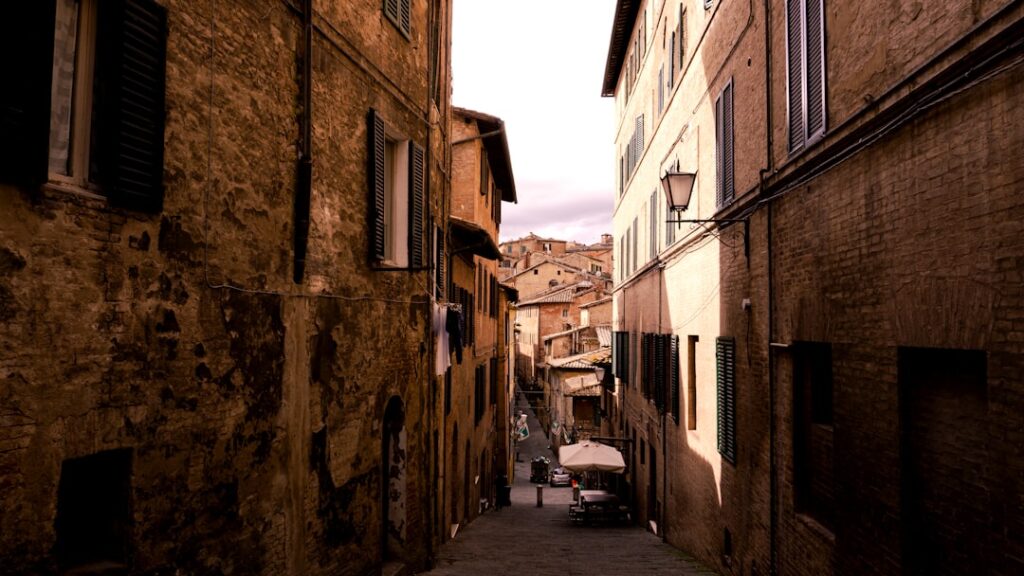
Third, the logistical impact: more visitors means queues and increased pressure on cafés and restrooms. Plan alternatives (carry a water bottle, know nearby cafés, or schedule breaks in parks). If you arrive by car, the peripheral car parks in Siena (e.g. Parcheggio Il Campo, Viale Toselli) are often better; the historic center is a limited-traffic zone (ZTL – Zona a Traffico Limitato) — be careful, fines for unauthorized driving are common.
Finally, keep in mind that beyond first Sundays, there are other « free » or reduced-price opportunities: some temporary local exhibitions, European Heritage Days, or municipal initiatives. Combine local information (OT di Siena — Ufficio Turistico, via Stalloreggi 1, 53100 Siena) with the national calendar to make the most of the chances.
 Click here to book your ticket for Siena Cathedral
Main Museums and Monuments You Can Visit for Free: Addresses, Hours, Usual Prices and an Immersive Description
Here’s a selection of Siena’s major museums and monuments that often participate in first-Sunday free entry. For each site you’ll find the exact address, usual opening hours, the typical admission price (in euros), and an immersive description explaining why it’s worth a visit.
Museo dell’Opera del Duomo
Address: Piazza del Duomo, 8, 53100 Siena (SI).
Usual opening hours: 10:00 – 19:00 (last entry 18:00). Check seasonality.
Standard price: Around €10.00 (full price, combos with the Duomo possible).
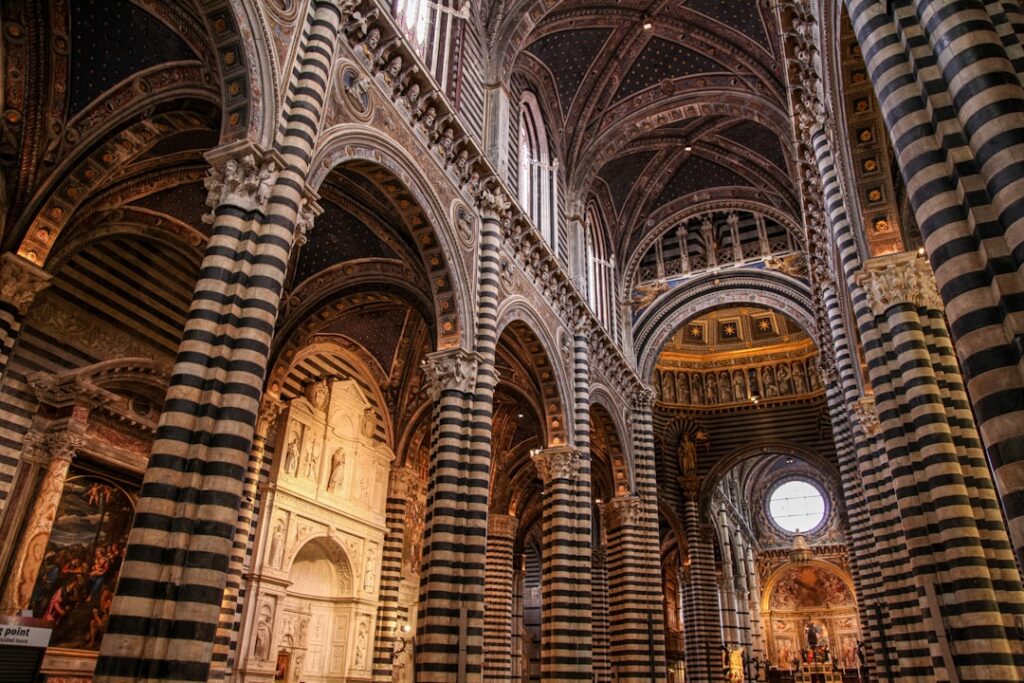
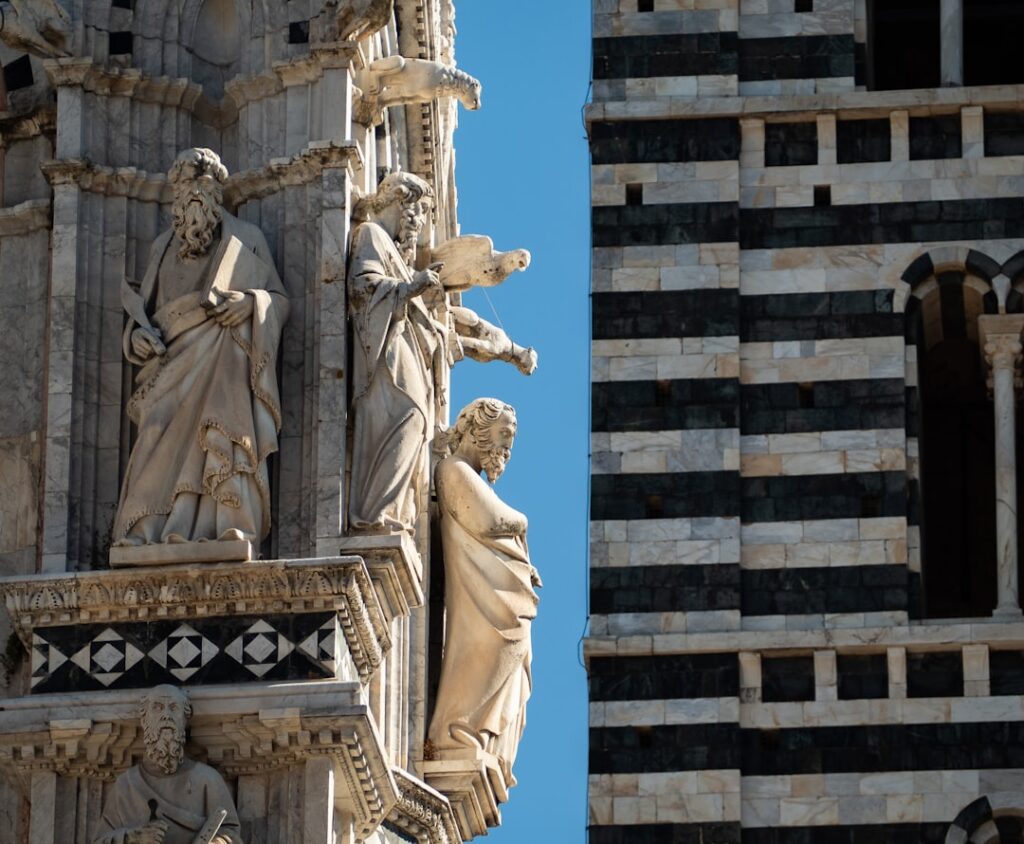
Description: The Museo dell’Opera del Duomo houses sculptures, bas-reliefs and paintings originally from Siena’s Cathedral, including works by Nicola Pisano, Duccio di Buoninsegna and other masters. It shows the continuity of medieval sculpture and the shift toward Gothic painting. The rooms are arranged to tell the Duomo’s story, with architectural fragments, the Maestà panels, painted works and relics. The modern museum design honors light and polychromy, inviting close-looking at details often missed when you only admire the cathedral’s façade.
Museo Civico — Palazzo Pubblico and Torre del Mangia
Address: Piazza del Campo, 1, 53100 Siena (SI).
Usual opening hours: 10:00 – 19:00 (times may vary), Torre del Mangia often 10:00 – 18:00.
Standard price: Museum: around €10.00; Torre del Mangia climb: around €8.00 (combos possible).
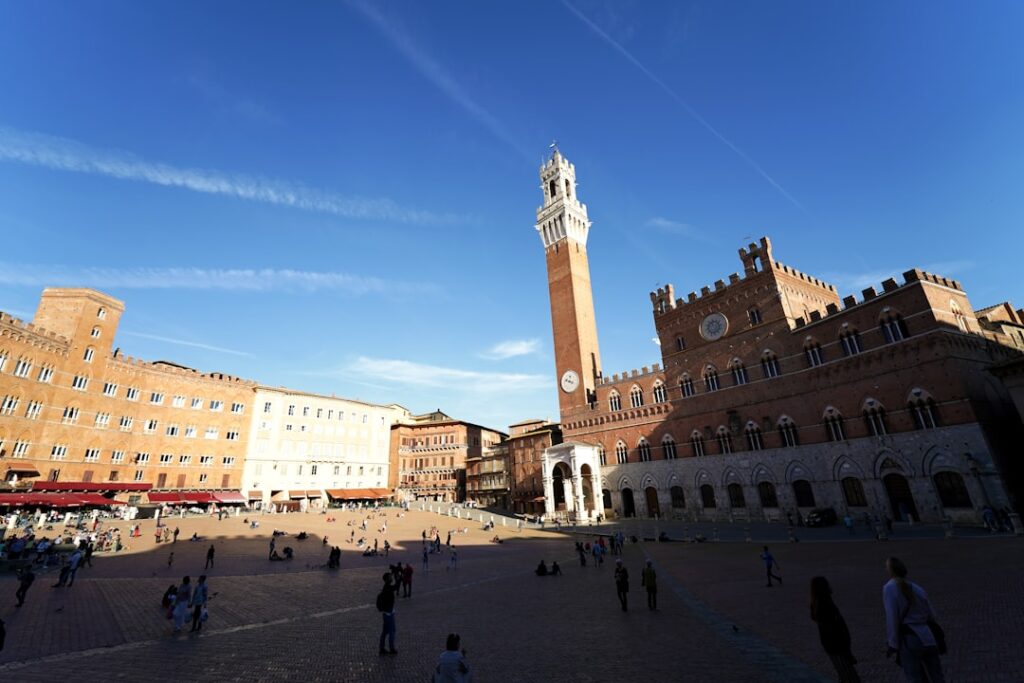
Description: The Museo Civico, housed in the splendid Palazzo Pubblico, contains famous frescoes like Simone Martini’s Maestà and Lorenzetti’s legendary civic allegory « The Effects of Good and Bad Government. » The visit plunges you into the political and civic life of the Republic of Siena. Climbing the Torre del Mangia then rewards you with a panoramic view of the city and Tuscan countryside — a sensory experience where the smell of dry stone and the landscape create an indelible mental photograph.
Pinacoteca Nazionale di Siena
Address: Via San Pietro, 29, 53100 Siena (SI).
Usual opening hours: 10:00 – 18:00 (seasonal variations).
Standard price: Around €8.00 (full price).
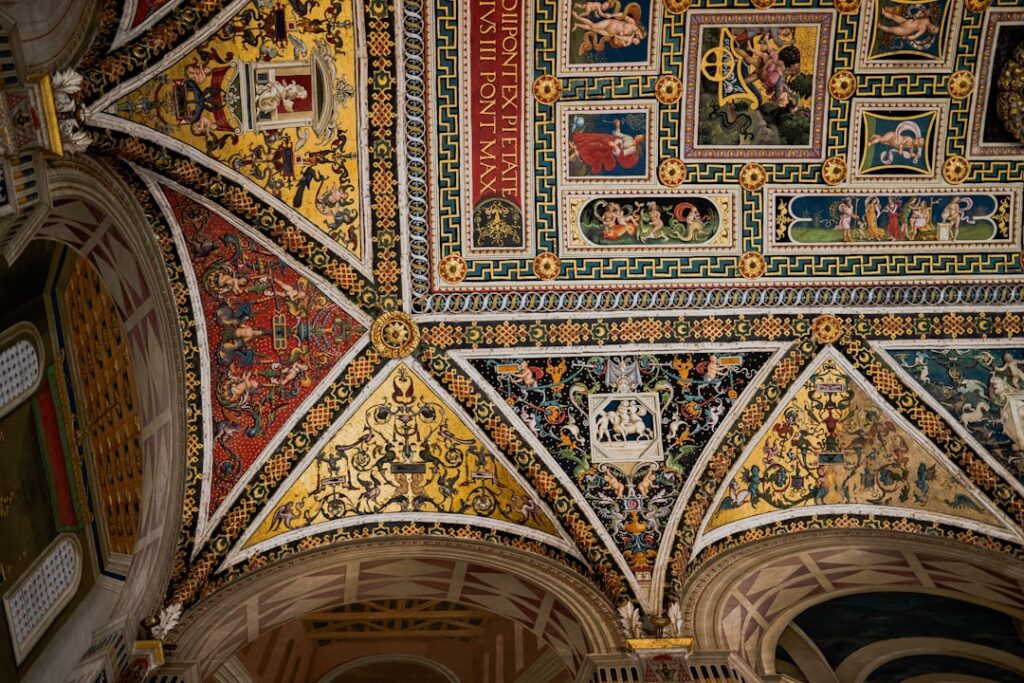
Description: The National Gallery gathers a masterful collection of Sienese paintings from the Middle Ages and the Renaissance. Here, panels by Duccio, Sano di Pietro, Matteo di Giovanni and other masters are displayed along a route that highlights the color finesse and devotional character of Sienese art. The vaulted ceilings and sober walls invite an intimate reading of color and iconographic detail. For painting lovers, it’s a must that complements a Duomo visit by offering a quieter, close-up experience of local artistic production.
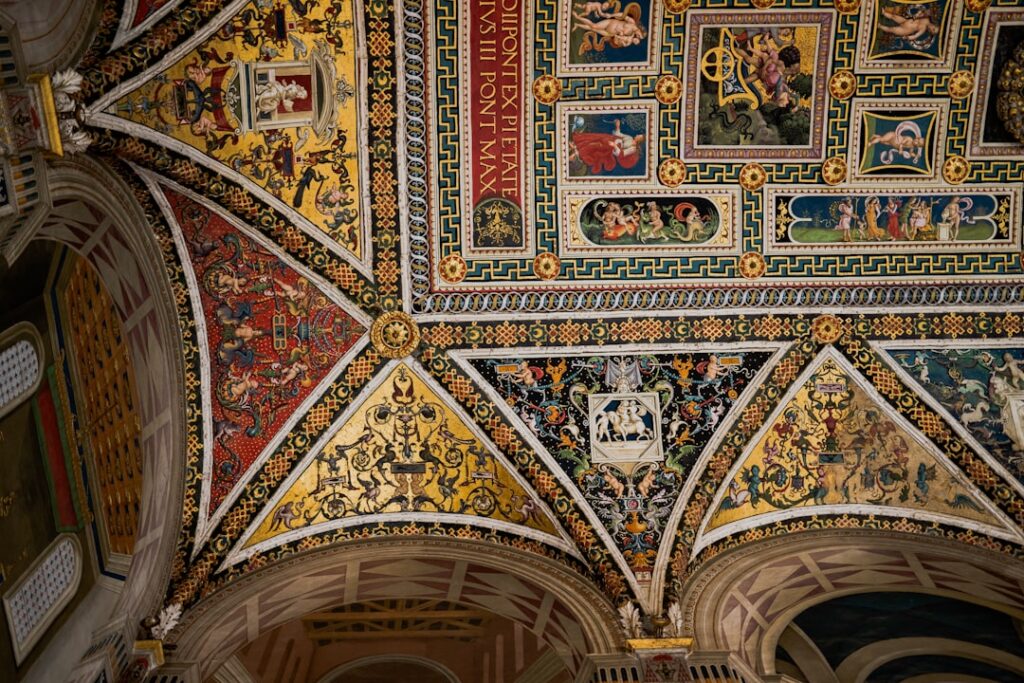
Complesso Museale di Santa Maria della Scala
Address: Piazza Duomo, 2, 53100 Siena (SI).
Usual opening hours: 10:00 – 19:00 (check temporary exhibitions).
Standard price: Around €8.00 – €10.00 depending on exhibitions and routes.
Description: Housed in the former medieval hospital opposite the Duomo, the Santa Maria della Scala complex offers a journey through Siena’s social history: hospital rooms, frescoes, underground architecture and archaeological displays. The site tells how Siena cared for pilgrims and the poor, with reconstructed spaces and modern projections that make history come alive. The route often includes views of the Duomo from balconies and unusual perspectives on Piazza del Duomo.
Torre del Mangia (practical details)
Address: Piazza del Campo, 1, 53100 Siena (SI).
Usual opening hours: 10:00 – 18:00 (hours vary by season and weather).
Standard price: Around €8.00 for the climb (combos with Museo Civico possible).
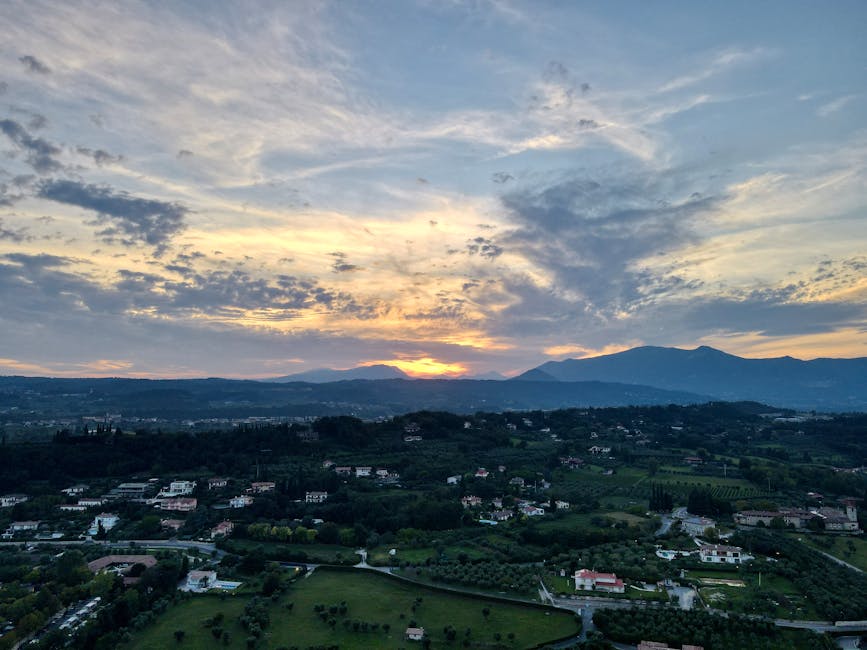
Description: Climbing Torre del Mangia is physical but rewarding: roughly 400 steps lead to a platform where the view over terracotta roofs, rolling Tuscan hills and surrounding valleys is spectacular. For photographers and panorama lovers, the golden hour at dawn or dusk is ideal, when the light sculpts the medieval architecture.
Suggested Route for a Free First Sunday in Siena (Full Day)
To make the most of first-Sunday free admission, here’s a suggested itinerary designed for a full day on foot — not rushed, but optimized for visits and breaks. The route starts in the heart of Siena, Piazza del Campo, and loops around the main attractions.
08:30 — Arrive in town and enjoy a calm breakfast
Start early at a café terrace near Piazza del Campo. A cappuccino and a local pastry (cornetto) will fuel your morning. Several cafés open as early as 08:00; it’s convenient to position yourself close to your starting point.
09:30 — First entry to the Museo dell’Opera del Duomo (Piazza del Duomo, 8)
Arrive before or at opening (10:00) to enjoy a quieter visit. Allow 60 to 90 minutes to take in the highlights and read some labels. Even when free, there may be a queue; if possible, reserve a timed ticket online if the museum offers it.
11:00 — Santa Maria della Scala (Piazza Duomo, 2)
Walk a few minutes to this large complex. Reserve at least 90 minutes to explore rooms, temporary exhibitions and underground areas. The Duomo’s proximity lets you alternate exterior viewpoints with a dive into the city’s social history.
13:00 — Quick lunch near Piazza del Campo
Pick a local restaurant offering Tuscan dishes (ribollita, pici with ragù): eat quickly but well to save afternoon time. The alleys around the Piazza have authentic trattorie.
14:30 — Museo Civico and Torre del Mangia (Piazza del Campo, 1)
Set aside 90 to 120 minutes: tour the Palazzo Pubblico rooms, then climb the Torre if queues allow. Bring water and be prepared for the tower’s stairs.
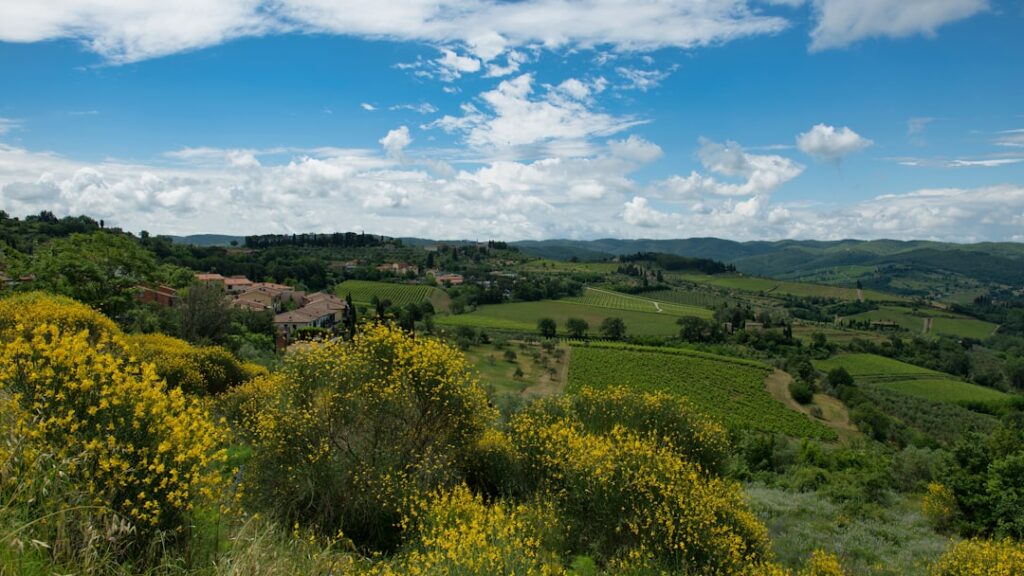
16:30 — Pinacoteca Nazionale (Via San Pietro, 29)
Finish at the Pinacoteca for a calm moment to admire painted panels. Sixty to ninety minutes is enough for a well-chosen selection.
18:30 — Final pause and sunset
Return to Piazza del Campo or find a peripheral viewpoint for a Tuscan aperitivo and evening light over Siena’s roofs. If you’re still in the center, enjoy gelato and the evening atmosphere.
Practical tips for following this route:
- Wear comfortable shoes — cobblestones and frequent steps are the norm.
- Book timed tickets online where possible to avoid unnecessary queuing.
- Anticipate ZTL checks: if you arrive by car, park on the outskirts and walk or use shuttles.
- Travel light: some museums charge for cloakroom service for large bags.
Click here to book a guided walking tour of Siena
Local Tips, Accessibility, Food and Additional Info
To make the most of Siena’s free first Sundays, here’s a list of practical tips, information on accessibility, and food and transport options:
Accessibility and mobility
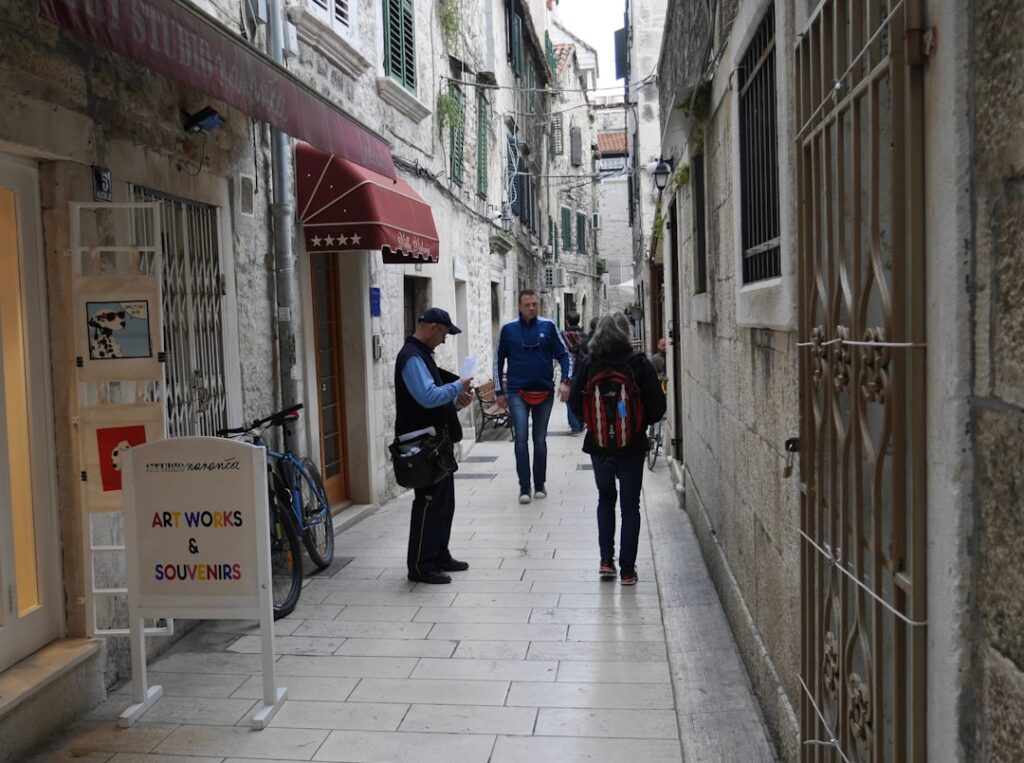
Siena’s historic center is medieval and hilly: cobbles, narrow alleys and stairs are common. Many museums are accessible, but full wheelchair access isn’t guaranteed everywhere. Check ahead:
- Museo dell’Opera del Duomo: partially accessible, but some older areas have steps. Contact staff for an accessible route.
- Museo Civico / Torre del Mangia: the tower isn’t wheelchair-accessible. The museum sometimes provides videos and alternative materials to experience the frescoes.
- Pinacoteca Nazionale and Santa Maria della Scala: recent sections often have ramps and lifts, but assistance may be needed to navigate historic barriers.
Getting around and parking
If you arrive by car, favor peripheral car parks: Parcheggio Il Campo (Viale A. Cavour / Viale Toselli) and Parcheggio Fortezza are common options. From there, it’s typically a 10–20 minute walk to the center. Note the Zona a Traffico Limitato (ZTL): avoid driving into the center without authorization.
Where to eat without wasting time
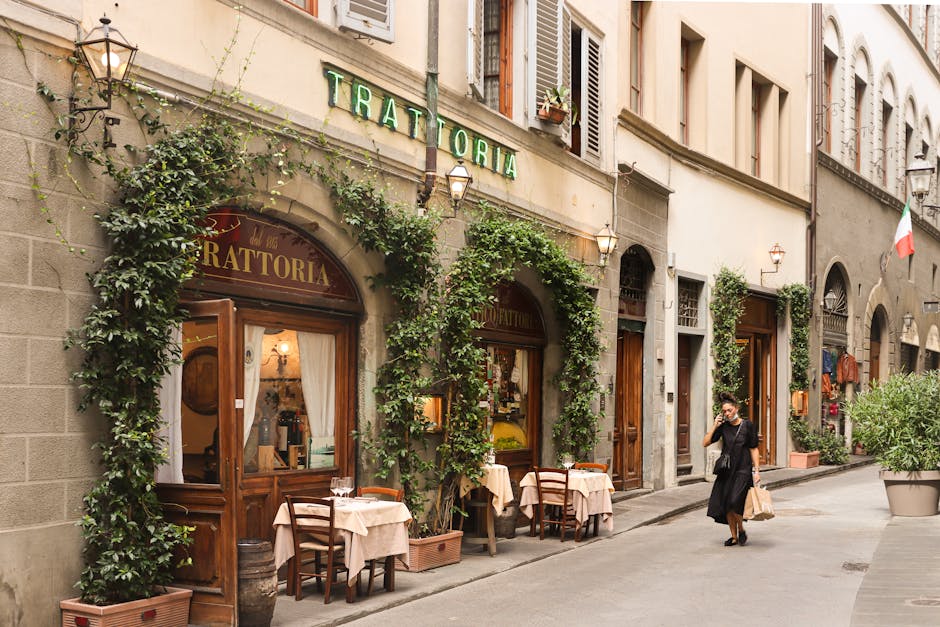
To optimize a museum day, choose trattorie and cafés close to the sites:
- Enoteca I Terzi (near Piazza del Campo) for aperitifs and small plates.
- Trattoria Papei (Via di Città) for traditional dishes in a quick yet authentic setting.
- Bar Il Palio (Piazza del Campo) for an espresso or gelato between visits.
Plan for short, frequent breaks: Tuscan meals can be heavy and it’s better to avoid a long siesta before climbing a tower or entering a museum.
Safety, conservation and behavior
Respect conservation rules: no flash photography in some rooms, don’t touch sculptures, and limit bag access in fragile areas. On first Sundays, museums often increase protection measures (barriers, limited routes). When in doubt, follow staff instructions.
Finally, be aware of tourism’s impact: take your trash with you, reduce disposable items and favor local businesses to support Siena’s economy.
Conclusion — Make the Most of Siena’s Free First Sundays
Siena’s free first Sundays are an invitation to explore a city where every stone tells a story. With practical preparation, thoughtful choice of visits and respect for the sites, you can turn a free day into a rich and memorable experience. The savings are not only financial: they’re savings of curiosity, giving you access to often-overlooked treasures, the chance to observe local life and to immerse yourself in the city’s civic and religious history.
To sum up: check opening times and whether a free timed slot needs to be reserved online; favor early-morning arrivals or late-afternoon visits to avoid the crowds; combine complementary museums (Opera del Duomo, Santa Maria della Scala, Museo Civico, Pinacoteca Nazionale) for a full picture; and don’t forget logistics (peripheral parking, ZTL, comfortable shoes). Consider cultural alternatives if a museum is full: guided walks in historic neighborhoods, tastings of local products, or simply wandering from the Campo to the Duomo while listening to the city’s story.
Siena’s museums offer both physical and intellectual experiences: the vertical thrill of a tower, the quiet contemplation of a painted panel, the emotion in front of a medieval statue, or the wonder before a civic fresco. These moments, available free on certain Sundays, are all the more reason to plan your visit using the advice above. And remember: behind every free admission is a conservation and welcome effort — respect the rules and help preserve this exceptional heritage through your behavior.
Have a wonderful cultural trip to Siena: may that first free Sunday be the start of a long relationship with the art, history and beauty of Tuscany.
Click here to book a guided walking tour of Siena
Click here to enjoy a wine tasting with charcuterie and cheese