





Introduction: Siena on Foot — a City to Savor Slowly
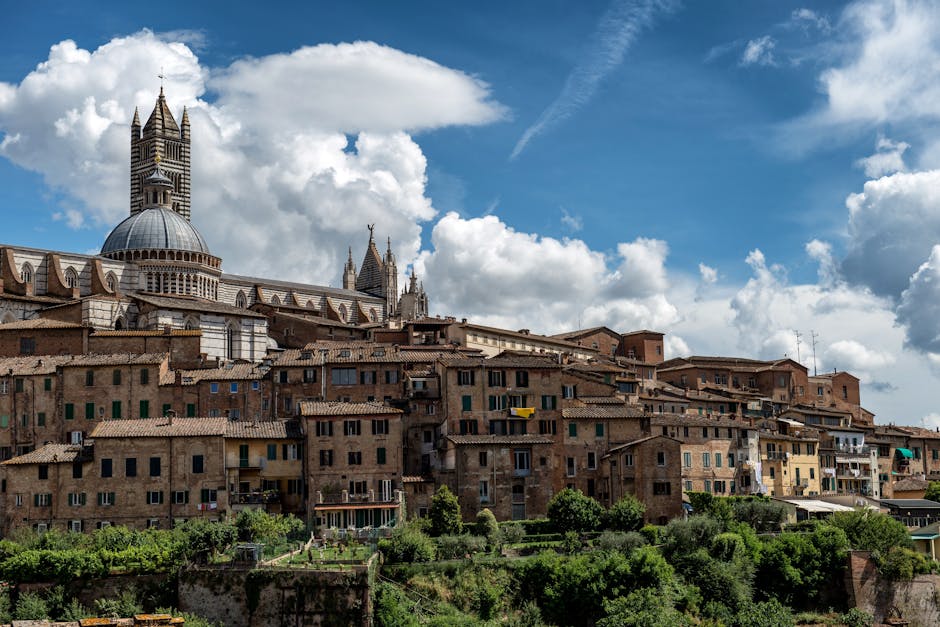
Siena is a city best discovered on foot. Built on three hills in the heart of Tuscany, it preserves a remarkably intact medieval fabric: narrow lanes, secret stairways, inner courtyards and theatrical squares. Walking in Siena is more than just getting from one monument to another; it’s about feeling the rise and fall of the streets, inhaling the scent of fresh bread and Tuscan earth, spotting the colorful contrada flags, hearing footsteps on Istrian stone, and sensing the subtle shifts between shadow and light throughout the day. A well-planned stroll turns every corner into a small discovery.
This article offers essential walking routes and practical tips for getting around Siena on foot. You’ll find detailed descriptions of emblematic sites — Piazza del Campo, Torre del Mangia, the Duomo di Siena (Cattedrale di Santa Maria Assunta), the Piccolomini Library, Fortezza Medicea, Fontebranda — with full addresses, typical opening hours and indicative prices in euros. The information is meant to help you plan safe, pleasant, and discovery-packed days on foot, whether you’ve got half a day or several days to explore.
Walking in Siena also comes with some practical realities: the slopes can be steep, paving uneven, and signage sometimes prizes aesthetics over clarity. Comfortable shoes with good grip, a reusable water bottle, a small first-aid kit, a hat and a map (paper or offline) are essentials. We’ll lay out the best itineraries to see the city at different paces — panoramic walk, artistic and religious circuit, foodie stroll, exploring residential quarters and gardens — and point out the best places for a coffee break, where to stock up on supplies, where to find public toilets, and how to avoid the crowds during the Palio (Siena’s famous horse race).
Historical and architectural markers will be paired with practical visiting tips (best times for photos, climbs, reservations needed). Prices and hours reflect common current practice, but it’s wise to check official sites for updates before you go. Ready for an authentic, well-structured wander through medieval Siena? Lace up your shoes and follow these routes designed to reveal the city’s soul step by step.
Route 1 — From the City Heart to the Tower: Piazza del Campo, Torre del Mangia and Palazzo Pubblico
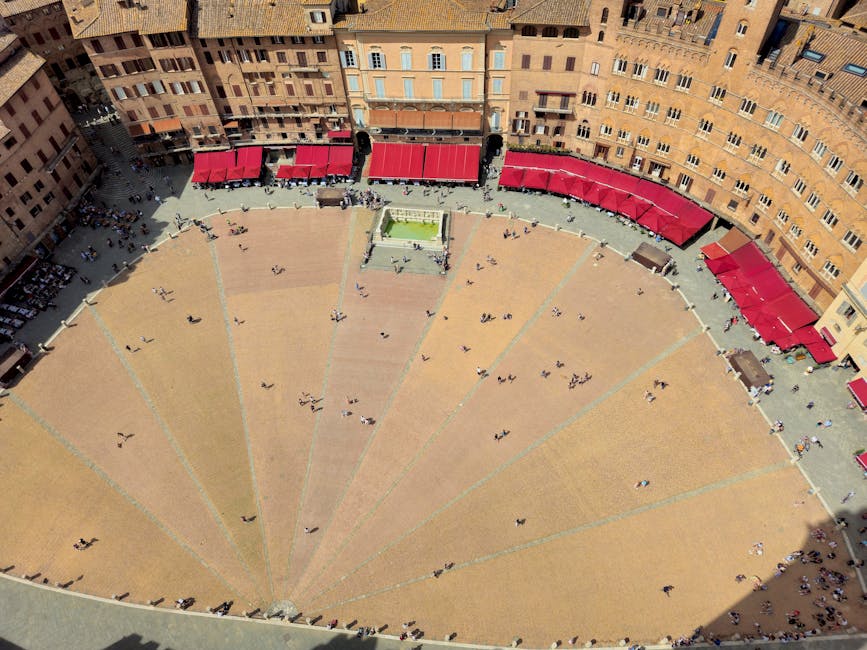
Start your walk at Siena’s symbolic center: Piazza del Campo (Piazza del Campo, 53100 Siena SI, Italy). This fan-shaped square, famous for its gentle slope and built-in benches, is lined with medieval palazzi and cafés. It’s the stage for the Palio di Siena. Address: Piazza del Campo, 53100 Siena SI, Italy. The piazza is always open; there’s no entrance fee to the square itself. It’s the perfect spot to watch local life, sip an espresso and plan your climb up to the Torre del Mangia.
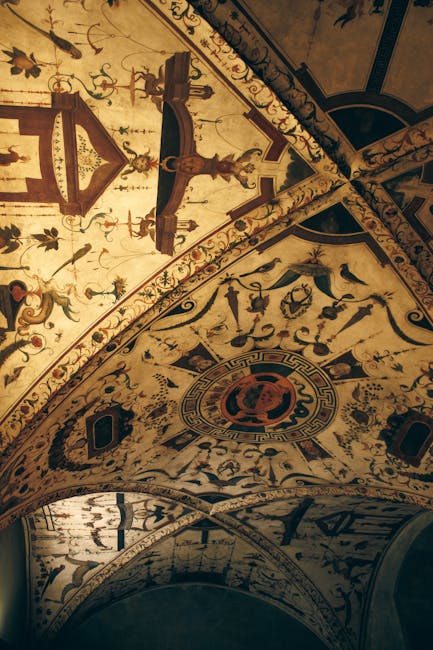
Right next to the square, visit the Palazzo Pubblico and its civic museum (Museo Civico) located at Piazza del Campo, 1, 53100 Siena SI. Typical hours: 10:00–19:00 (hours may vary off-season). Indicative price: around €10.00 for the museum; combined palace + Torre del Mangia ticket: approximately €12.00–€15.00. The Museo Civico displays remarkable frescoes, including the famous cycles of the Maestà and civic allegories that tell Siena’s political story.
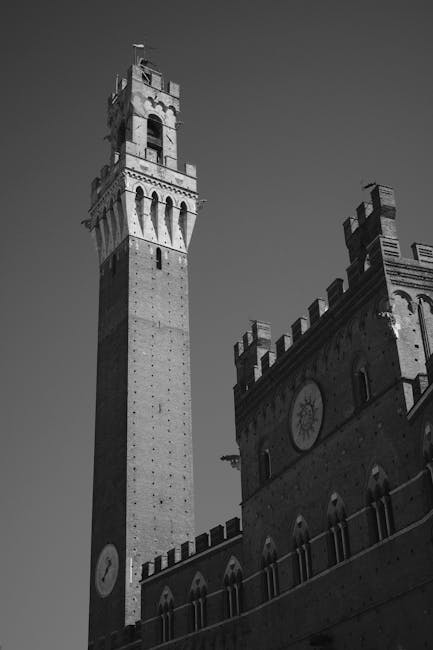
The Torre del Mangia rises from the same square. Address: Torre del Mangia, Piazza del Campo, 2, 53100 Siena SI. Typical opening hours: April–October 10:00–19:00, November–March 10:00–17:00 (holidays and specific seasons may vary). Price: about €10.00 to climb (reduced rates for children/young people; occasional free admission for certain groups). The ascent (there is no elevator) offers sweeping views over the city and the Tuscan countryside; allow roughly 20–30 minutes to go up, take in the view and come back down. The steps are many and sometimes narrow — avoid if you have heart problems or vertigo.
 Click here to Book a guided walking tour of Siena Cathedral
Practical tips for this route: arrive early in the morning to beat the crowds, especially in July–August. Sunrise is the best time to photograph an empty Piazza del Campo. For tickets, favor the official Museo Civico ticket office or book online if you’re visiting in high season. Enjoy one of the many cafés on the square for a break; terrace prices are often higher, so consider sitting indoors if you’re on a budget.
- Toilets: public restrooms near Piazza del Campo (check seasonal availability).
- Accessibility: the Torre climb is not accessible to visitors with reduced mobility.
- Photography: best angle for the square is from the north edge near the central fountain.
Route 2 — The Duomo and Its Complex: Siena Cathedral, Baptistery, Opera Museum and Library
The Duomo di Siena, officially the Cattedrale di Santa Maria Assunta, is a masterpiece of Italian Gothic. Address: Piazza del Duomo, 8, 53100 Siena SI. Typical hours: 10:30–19:00 (hours can change with season and religious services; partial closures may occur during celebrations). Entry prices: visiting the cathedral and the cathedral complex via the « Biglietto Opera del Duomo » typically ranges from €6.00 to €15.00 depending on combinations (cathedral alone, Duomo + Museo dell’Opera, access to the Duomo terrace, etc.). The cathedral impresses with its polychrome facade, striped white and green marble pillars, and its sculpted floor (often covered to protect the mosaics).
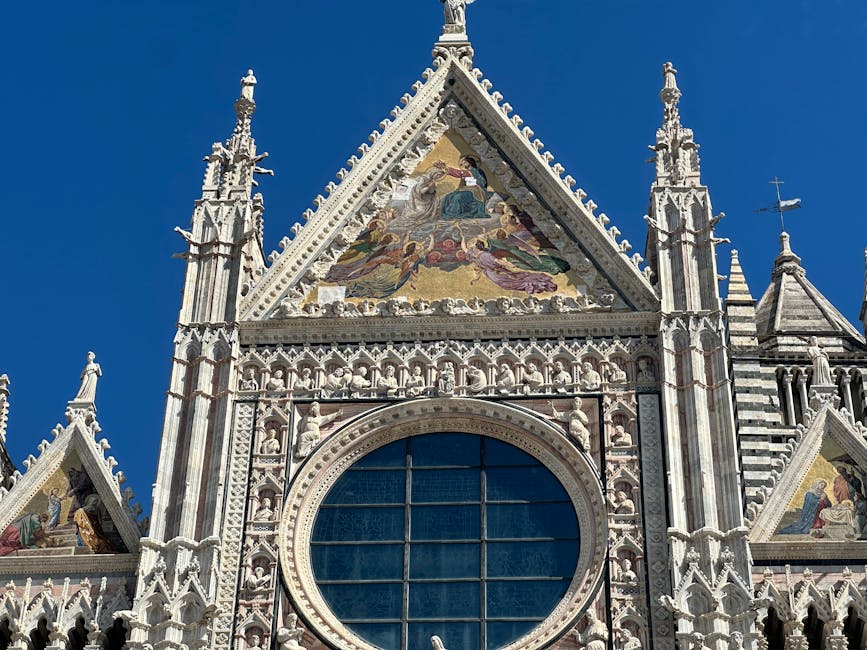
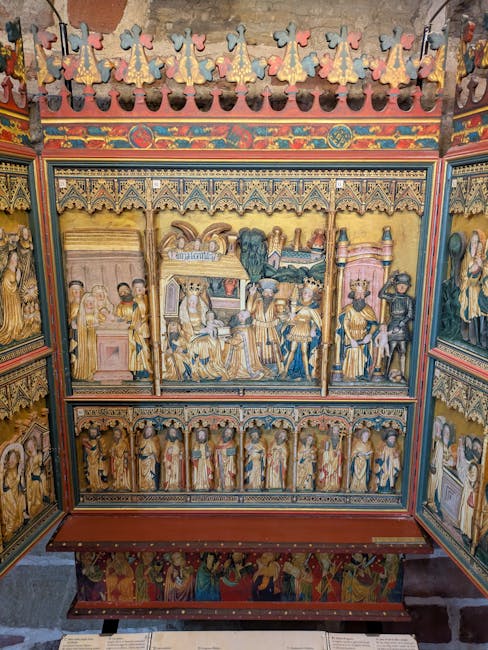
Right next door, the Museo dell’Opera Metropolitana (Museo dell’Opera Metropolitana di Siena) is located at Piazza del Duomo, 9, 53100 Siena SI. Hours: generally 9:00–19:00; fees: about €9.00–€12.00 depending on the package. The museum houses altarpieces, sculptures and fragments from the original Duomo, including Duccio di Buoninsegna’s famous Maestà. Visiting helps you understand the cathedral’s construction and view restored works in a calm setting.
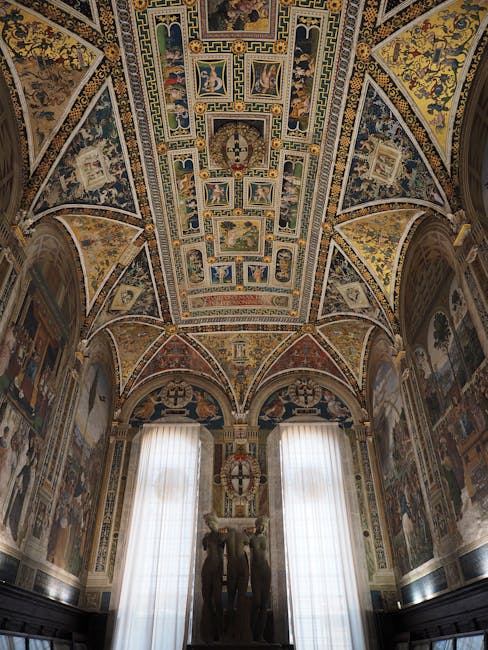
Don’t miss the Piccolomini Library, a richly decorated room painted by Pinturicchio, housed within the cathedral complex. Internal address: Biblioteca Piccolomini, Piazza del Duomo, 8. Hours and access: often included with the Duomo or library ticket; a separate ticket may be required depending on the period. The library is famed for its colorful frescoes and Renaissance decoration, lit by small windows overlooking the transept.
Click here to Book entry to Siena Cathedral and Piccolomini Library
Nearby is the Museo dell’Opera di Santa Maria della Scala (the former medieval hospital turned museum) at Piazza del Duomo, 2, 53100 Siena SI. Hours: typically 10:00–18:00; indicative price: €12.00 (reduced fares for students and seniors). Santa Maria della Scala displays layered architecture and artifacts, frescoes and subterranean rooms. It’s an ideal place to feel the continuity between civic, medical and religious life over the centuries.
- Best time to visit: weekday mornings to avoid tour buses.
- Reservations: booking online is recommended in high season for the Piccolomini Library and certain areas.
- Photo tip: the Duomo interior is darker than the exterior: use moderate ISO or a fast lens to avoid blur.
Route 3 — Historic Streets and Local Characters: Via di Città, Via Banchi di Sopra and the Contrade
Wandering the main streets of Siena lets you step into the city’s living fabric. Start on Via di Città (which cuts through the historic center), then head up to Via Banchi di Sopra, the aristocratic shopping axis that links Piazza del Campo to Porta Tufi. Indicative address: Via Banchi di Sopra, 53100 Siena SI. These streets are lined with artisan shops, antique dealers, bookstores and cafés where you can feel centuries of atmosphere.
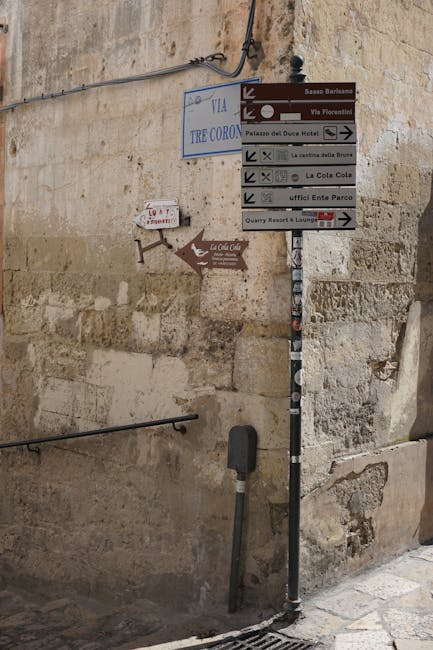
Along the way, look out for the homes of the contrade (the historic neighborhoods that take part in the Palio). Facades sometimes display the contrada’s coat of arms (for example Contrada della Torre, Contrada dell’Onda). Most contrade have an oratory or a sede (headquarters) decorated with paintings and relics: checking local opening hours often lets you see exhibitions of Palio-related objects. Exploring the contrade is also an immersion into Siena’s social life: locals remain deeply attached to these neighborhood identities.
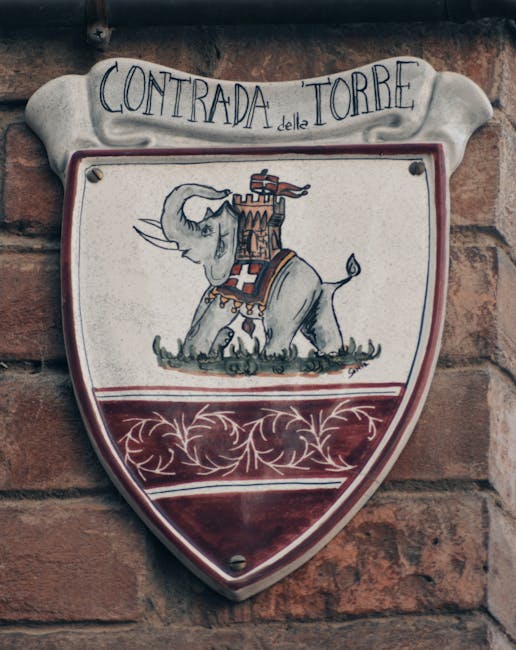
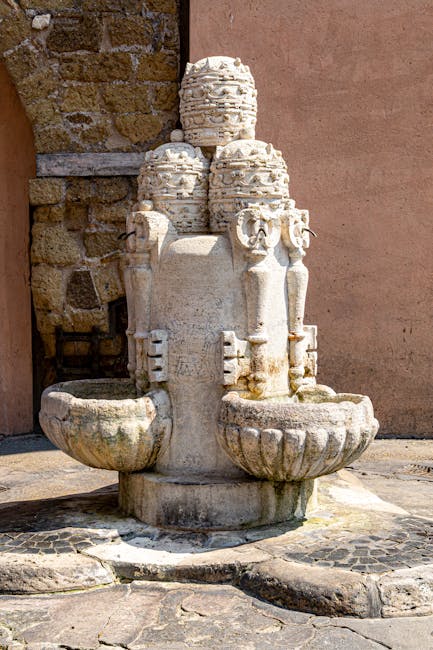
Continue to Fontebranda (Fontebranda, Via di Fontebranda, 45, 53100 Siena SI), one of the best-preserved medieval fountains in the city. Hours: site freely accessible; price: free. This fountain, already mentioned by Dante, provides a refreshing stop and a great photo backdrop. Its water was vital to Siena’s medieval wool industry; the fountain remains an important historical and architectural landmark.
Click here to Discover Siena’s Palio on a guided walk
Tips for this route: favor less sunny hours to enjoy shaded lanes; stop at artisan shops (chocolatiers, biscotti masters, leather workshops) for high-quality souvenirs. The narrow side streets often reveal loggias, small squares and hidden staircases. In the evening, low-angle light gives the golden stones a particularly photogenic atmosphere. Pay attention to contrada museum signs if you want to learn more about local rivalries and traditions.
Route 4 — Gardens, Fortresses and Panoramas: Fortezza Medicea and Walks along the Ramparts
For a different perspective, head to the Fortezza Medicea (Piazza La Lizza, 7, 53100 Siena SI). This fortress, built by the Medici, now functions as a public park and sometimes hosts exhibitions and concerts in summer. Hours: the park is generally open every day; cultural facilities have varying hours (check with the municipality). Price: park access is free; some exhibitions may charge a modest fee (local prices around €5.00–€10.00).
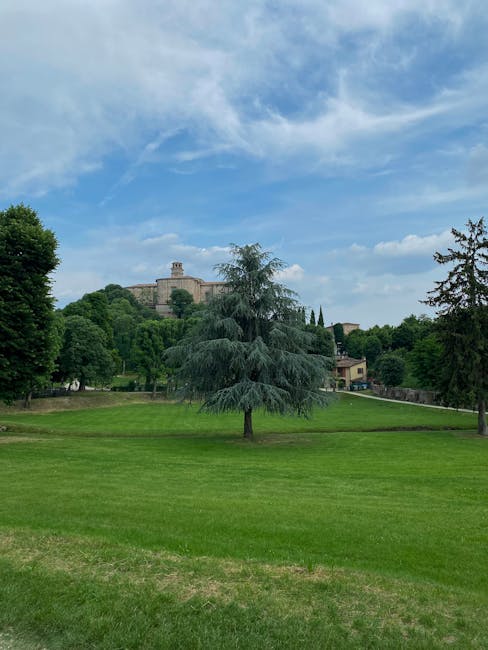
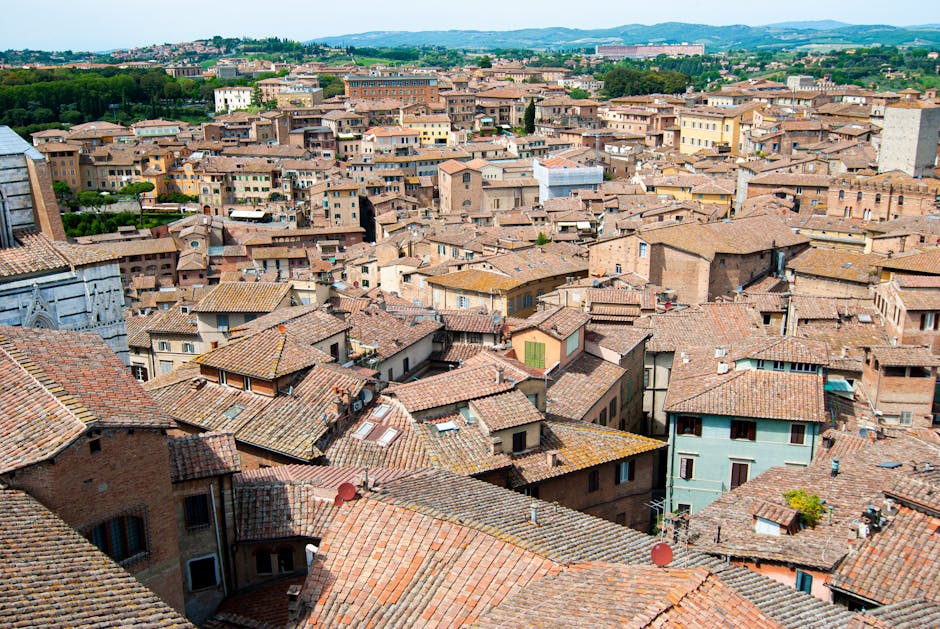
From the Fortezza, follow the peripheral promenades that offer views of the Tuscan countryside and the tiled roofs of Siena. Climb toward the Rocca d’Olmo and paths that run alongside the ramparts: these less-traveled routes reveal perspectives often missing from guidebooks. Morning or evening light brings out the beauty of the brick walls and the cypress-lined slopes below.
Another spot to include in this loop is Porta Camollia (Via Camollia, 53100 Siena SI), one of the city’s historic gates that opens onto avenues lined with olive trees and old villas; it was once the route toward Florence. The area has artisan shops and restaurants serving authentic Tuscan cuisine.
Click here to Join a Chianti tour with castle wine tastings
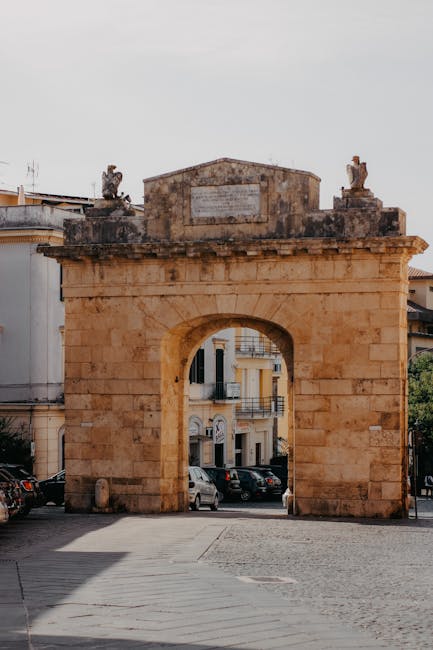
Practical tips for this walk: bring a light jacket even in summer (the wind up high can cool you), allow 1.5–2 hours for a relaxed loop including photo stops and breaks. For runners, some stretches are well-suited to urban jogging, but watch out for slippery cobbles. Summer evenings often feature events in the Fortezza — check the municipal notice board for schedules.
Route 5 — A Foodie and Artisan Stroll: Markets, Historic Cafés and Little Shops
Siena is also enjoyed with your feet and your taste buds. Start at the Mercato di Camollia (Via Camollia, neighborhood market areas) and the fine food shops around Via Banchi di Sopra. Local food markets offer pecorino cheeses, Tuscan cured meats, local olive oil and Chianti wines. Market locations vary by day; many artisan shops stay open weekdays from 9:00 to 19:30, with a partial afternoon closure between 13:00 and 16:00 in low season.
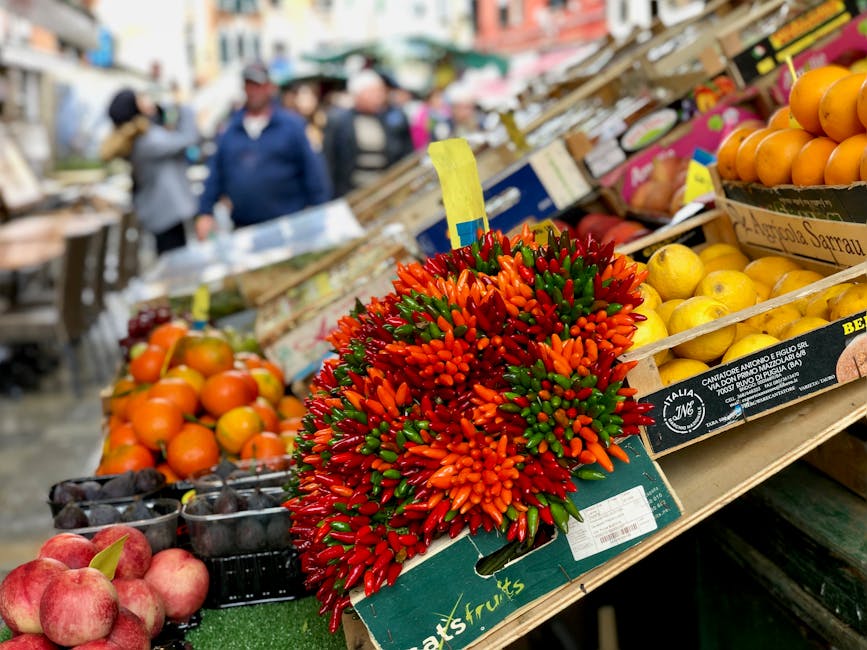
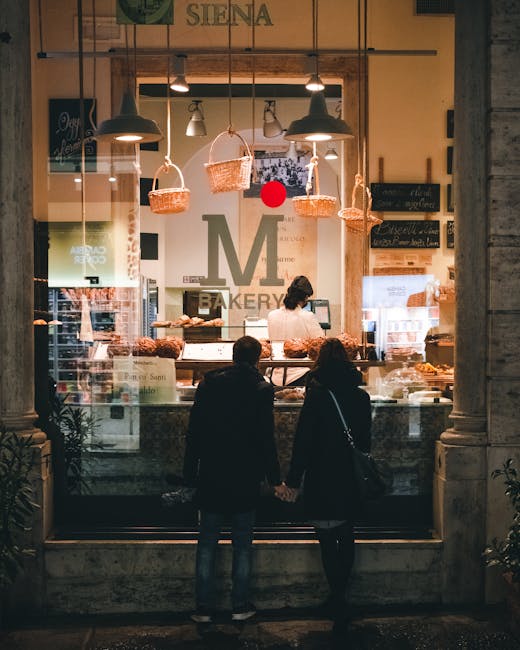
For a sweet break, try Nannini (Via Banchi di Sopra, 116, 53100 Siena SI), a historic pastry-café (typical hours 8:00–20:00) known for its cantucci served with vin santo and traditional panforte — indicative prices: espresso €1.20–€2.00, slice of cake €3.00–€6.00. For a light lunch of soups, ribollita and local specialties, look for traditional trattorie around Via Valdimontone and Via Duprè.
Click here to Join a culinary and wine walking tour in Siena
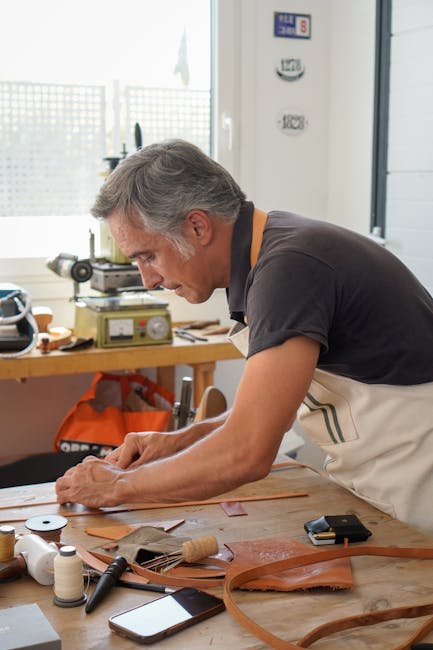
Don’t miss leather and paper artisan workshops, often hidden in inner courtyards on Via della Sapienza and Via San Pietro. These craftsmen work with traditional techniques; you can buy handmade notebooks, leather bags and artisanal goods. Hours: workshops are often open 10:00–18:00, but it’s wise to call ahead or pop in to check.
Practical tips for the foodie walk: taste the local wines (Chianti Classico, Rosso di Montalcino), but moderate your drinking if you’re still walking. Always ask where products come from and look for labels that say « Prodotto Toscano » for authenticity. If you buy perishables, consider an insulated bag to keep them fresh while you walk. Lastly, respect local meal times if you plan to eat at a restaurant: in Tuscany lunch service can start late (12:30–15:00) and dinner around 19:30–22:00.
Conclusion: Final Tips to Make the Most of Siena on Foot
Getting around Siena on foot is a sensory and cultural experience that requires a little planning but rewards you at every turn. The routes suggested — from the monumental heart of Piazza del Campo and Torre del Mangia to the Duomo and its treasures, from contrada alleys to rampart walks, and including foodie stops — cover many faces of the city. Walking here means accepting the slopes and cobbles, but also discovering unexpected panoramas and warm human encounters.
Before you set off, remember a few simple rules: wear suitable shoes, charge your phone and download an offline map (GPS is handy for unnamed lanes), carry water, protect yourself from the sun and plan regular breaks. Check opening hours and ticket prices for monuments (Duomo di Siena, Museo dell’Opera Metropolitana, Torre del Mangia, Museo Civico, Santa Maria della Scala) as they can change with the season and events. If you travel during the Palio (2 July and 16 August), the city is very lively and some areas may be closed or hard to access; plan ahead and book tickets for high-demand sites.
Finally, give Siena the time it deserves. A day will let you see the essentials, but returning at sunset, listening to the silence of the lanes after the tourists leave, or lingering in an osteria with a glass of Chianti are among the city’s greatest pleasures. By following these routes and tips, you’ll appreciate Siena’s historical richness, architectural beauty and contemporary vitality at a human pace — the pace of walking. Have a great trip and enjoy your walk in Siena!