





INTRODUCTION
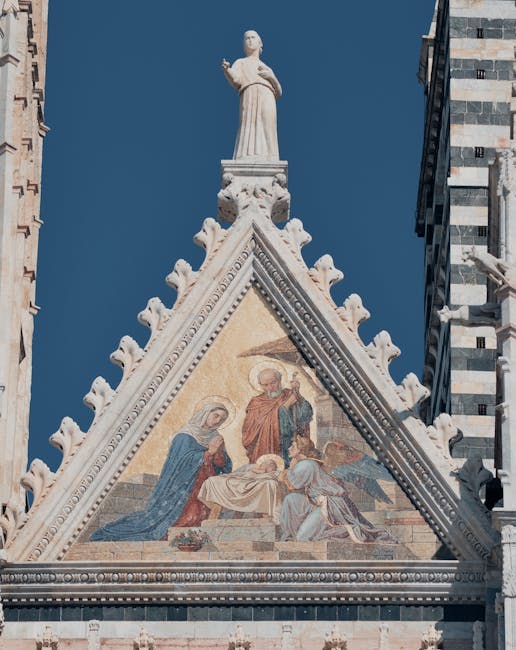
Siena, a medieval gem tucked in the heart of Tuscany, draws crowds for its Piazza del Campo, the famous Palio horse race and its dramatic Gothic cathedral, the Cattedrale di Santa Maria Assunta. But beyond the postcards and the usual tourist routes there’s a quieter city waiting to be discovered: narrow cobbled lanes, old gateways, little forgotten squares and craftsmen’s workshops. This off-the-beaten-path walking tour invites you to rediscover Siena at street level — a city of storied stones, glimpses into silent cloisters, unexpected viewpoints and cafés where conversation still matters.
This guide is aimed at curious travelers who want to walk slowly, stop often and allow for detours. It gathers precise addresses, opening hours, prices in euros and practical tips to explore lesser-visited places — while giving you the atmosphere and immersive descriptions that spark the imagination. You’ll find suggested walking routes that sidestep long queues, pointers to taste Sienese cuisine in small family osterie, and ideas for feeling the soul of the contrade away from the Palio’s bustle.
The city lends itself perfectly to this kind of discovery: compact, dominated by its monuments yet full of anonymous treasures. As you wander you’ll stumble across old ironwork shops, hidden frescoes, private gardens visible from a doorway and medieval fountains where locals still fill their bottles. The route also offers practical alternatives — when climbing the Torre del Mangia is too crowded, which viewpoint should you choose? When the Cattedrale is full, which corridor in the Museo dell’Opera delivers the same emotional punch?
Finally, this walking tour stresses respect for place: Siena is lived in year-round, not just a backdrop for selfies. The practical tips aim to preserve everyone’s experience — times to avoid crowds, tickets to book in advance, etiquette in churches and museums, and recommendations to support small local businesses. Pack comfortable walking shoes, a windproof jacket for cool Tuscan evenings, and your curiosity: off-the-beaten-path Siena has stories to whisper to those who listen.
 Click here to book a guided walking tour of Siena
Get deliberately lost: alleys, fountains and little squares
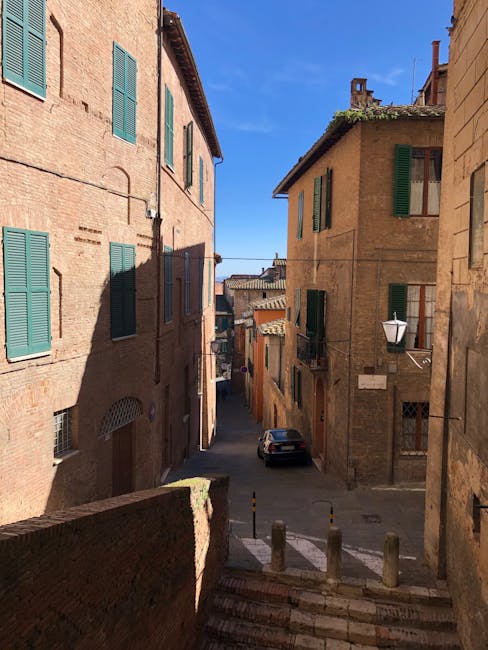
Start your walk away from the crowds, just north of the Piazza del Campo. Take Via di Città, then turn into the adjacent lanes: here you’ll find narrow passages, ochre façades and shops that seem frozen in time. Among the concrete highlights, don’t miss the Fontebranda, a spectacular medieval fountain at Via di Fontebranda, 3, 53100 Siena SI. It’s one of the best-preserved historic fountains in the city, built in the 13th century, free and open all day. The fresh water flowing there tells the story of how vital water supply was in medieval Siena; the walls show wear and ancient inscriptions. Sit on a step and you’ll feel the atmosphere of a neighborhood still largely home to Sienese families.
Click here to join a walking tasting tour with local stories
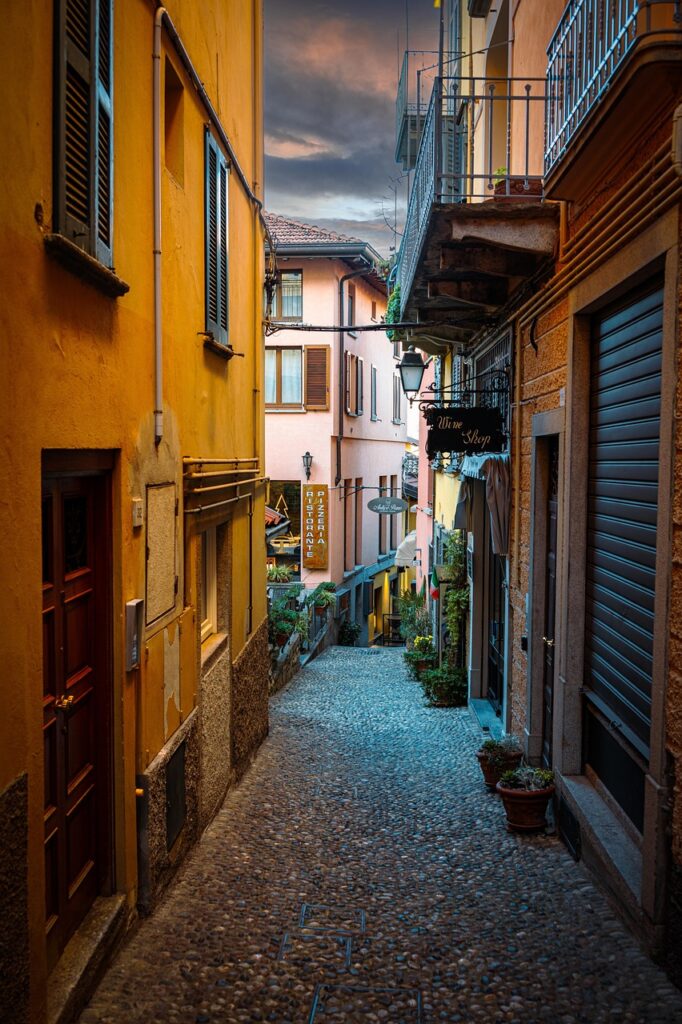
As you continue your ramble, head for Via di Pantaneto, a less-touristy artery full of artisan workshops and small gourmet stores. A handy stop for a bite is Salumeria Rinaldi (an example of a traditional deli), Via di Pantaneto, 100 (check locally for current details), which offers cured meats and crostini to share — expect roughly 8–15 € for a meat and cheese board. Watch for hand-painted signs and windows full of jars; neighborhood life shows itself in the details.
Another essential detour off the classic circuits is Porta Camollia, one of the city’s historic gates located at Piazza Giuseppe Garibaldi, 53100 Siena SI. Passing under this gate (the northern entrance), you can follow the outer walls and enjoy a less-visited walk with views over the Tuscan hills, especially at sunset. This side of town is ideal for photographing roofs, towers and the cathedral silhouette from a lateral angle, far from tour groups.
- Practical tip: walk slowly and look up — many frescoes and carved lintels are hidden high above street level.
- Safety tip: avoid flashing valuables in narrow lanes at night; prefer walking with a group or follow a clear route.
- Suggested duration: 2 to 3 hours to allow time for stops, photos and a bite to eat.
Less-crowded sacred sights: churches and intimate oratories
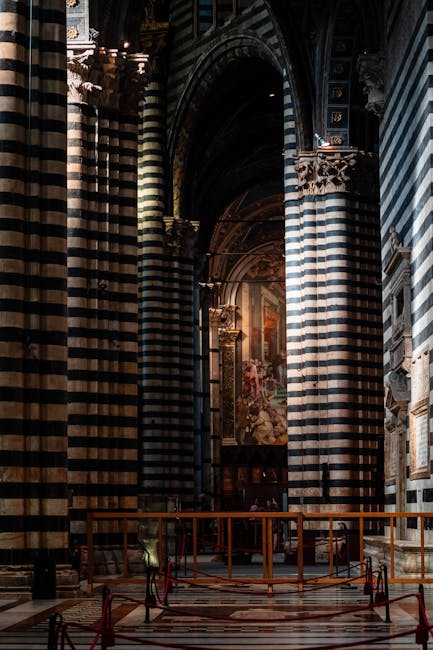
Beyond the grand Duomo di Siena (Cattedrale di Santa Maria Assunta), Piazza del Duomo, 8, 53100 Siena SI, lie small churches and oratories that offer quiet moments far from the crowds. The Duomo is worth visiting for its carved pavement and façade, but for a calmer immersion head to the Basilica di San Domenico at Piazza San Domenico, 7, 53100 Siena SI. Generally open from 9:00–12:00 and 16:00–19:00, entry is often free or by voluntary donation (guide price: free / suggested donation 2–5 €). Here rests the reliquary head of Saint Catherine of Siena — a place of deep spiritual intensity and sober architecture, dominated by high vaults and side chapels decorated with paintings.
Another little-known spot for reflection is the Oratorio di San Bernardino (Via Tommaso Pendola, near the historic center). The oratory houses frescoes and feels more intimate than larger basilicas; it’s often open from 10:00–17:00 (free or token-entry). Continue to look out for small neighborhood oratories — niches dedicated to saints, sometimes framed with candles and fresh bouquets, that offer moving photographic and human moments.
For lovers of religious art, the Museo dell’Opera del Duomo (Piazza del Duomo, 9, 53100 Siena SI) is a less crowded alternative to the cathedral while holding masterpieces. Standard opening hours: 10:00–18:00 (closed on certain holidays); a combined ticket for the « Opera Duomo Siena » complex is roughly 15 € (reduced 10 € for students and seniors, free for children <6). The museum houses sculptures, panels by Duccio and precious liturgical objects. Book tickets online to avoid queues and check the official site for up-to-date hours.
- Practical tip: respect silence and photo rules inside churches; some chapels prohibit photography.
- Visitor trick: arrive in the early hours (9:00–11:00) for soft light and a more peaceful atmosphere.
- Getting there: all these churches are walkable from the center; be prepared for a few stair climbs in some sites.
Click here to reserve your ticket for Siena Cathedral and Piccolomini Library
Alternative viewpoints: panoramas, hidden towers and local terraces
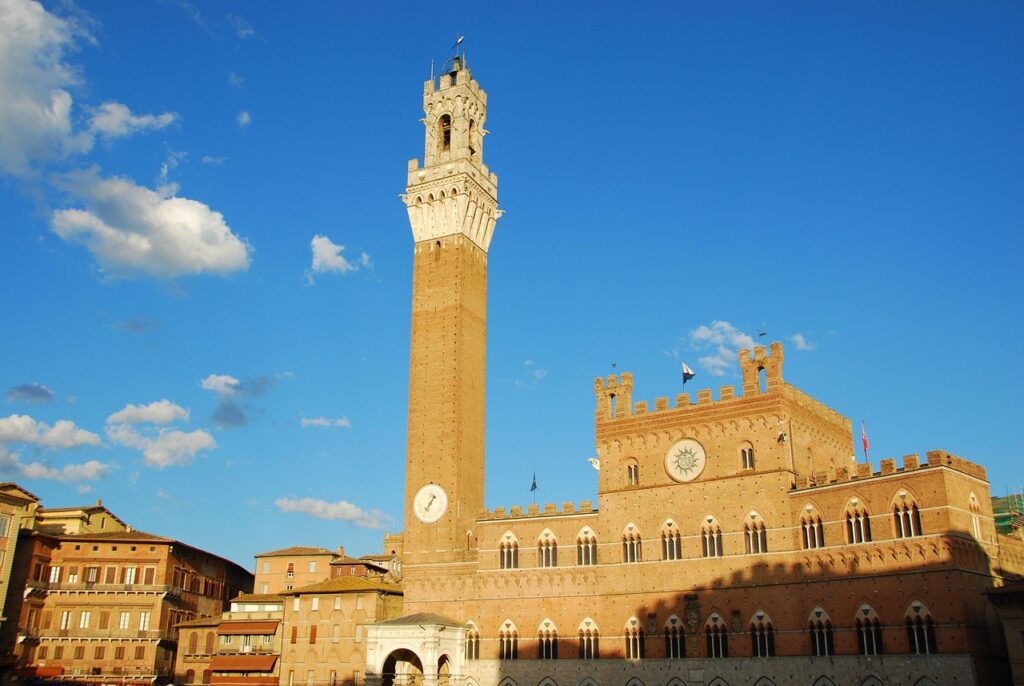
If the Torre del Mangia (Palazzo Pubblico, Piazza del Campo, 1, 53100 Siena SI) is often full — its climb offering a panoramic view over the Piazza del Campo — there are less crowded alternatives to see the city spread across the Tuscan hills. The Torre del Mangia is usually open from 10:00–19:00 (high season) and costs about 10 € for adults (reduced 8 € for students and seniors). For a more intimate experience, try lesser-known terraces and viewpoints.
Click here to book a hot air balloon flight over Tuscany
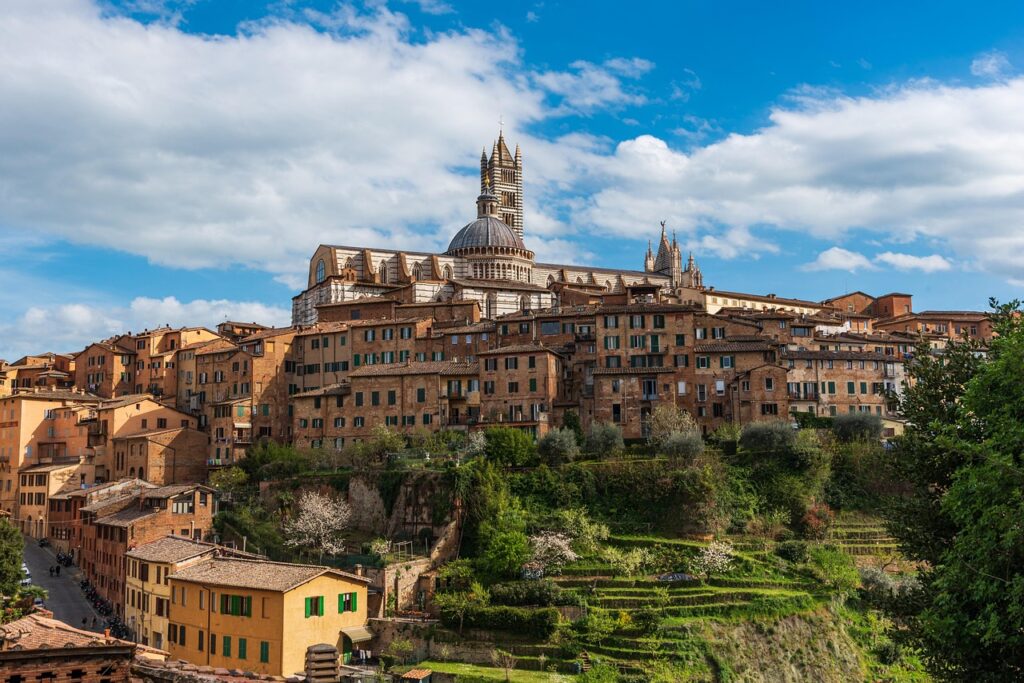
An excellent substitute is the ascent to the Fortezza Medicea di Siena (Viale Vittorio Emanuele II, 1, 53100 Siena SI). The fortress’s esplanade and bastions offer wide views over rooftops and hills, and access to the gardens is often free. The fortress also occasionally hosts concerts and evening events. Another distinctive viewpoint: the slopes behind the Chiesa di San Francesco — walk up Via di San Francesco to find benches and stretches of wall that provide intimate panoramas at dawn or sunset.
For a unique perspective, seek cafés with rooftop terraces or wine bars overlooking the valley. One suggestion: a small trattoria’s wine bar on Via della Galluzza (varying numbers depending on the venue) often offers a glass of Chianti to sip as you watch the sun go down. Expect 6–12 € for a glass of local wine and 8–15 € for a charcuterie board.
- Photo tip: use a medium focal length (35–50 mm) to capture roofs and the city grid, and include people for scale.
- Best times: sunrise and sunset for warm colors and oblique light.
- Note: some terraces are private — ask permission or buy a drink to access them legitimately.
Workshops, neighborhood food and local markets
An off-the-beaten-path visit is also about flavors. Avoid restaurants opposite monuments and favor small neighborhood osterie. One good example is Osteria Le Logge (Via del Porrione, 33, 53100 Siena SI) for a refined Sienese dining experience — dishes 15–30 €; check with the restaurant for reservations. For something simpler and more authentic, look for a family-run trattoria on a side street: a plate of pici al ragù (local pasta) typically costs 8–12 €, while a bowl of ribollita is around 6–9 €.
If you prefer to cook or prepare a picnic, head to the local market in the Banchi di Sopra area, where you’ll find cheeses, fresh vegetables and artisanal bread. The market runs regularly; hours vary, typically early morning until about 13:00. A recommended stop is the Antica Drogheria (address varies in the center) for preserves and artisanal condiments — small jars 3–6 €.
For craft lovers, spot ceramic and silversmith shops on Via di Città and Via Banchi di Sopra: workshops often run by families for generations. For an authentic souvenir, choose a bottle of local olive oil (500 ml about 8–15 €) or a small handmade terracotta piece (15–40 € depending on size).
- Practical tip: eat like the locals — lunch early (12:00–13:30) or late (14:30–15:30) to avoid the rush.
- Budget guide: cheap meal 8–15 €, full meal 20–35 € per person, coffee at the bar 1–2 €.
- Smart buy: ask for product origins; favor DOP/IGP labels for oils and cheeses.
Click here to book a pasta and tiramisu cooking class with wine
Themed walks: contrade, civic history and artisan workshops
Siena is also best understood through its contrade — the historic districts that compete in the Palio. Wander a few in the off-season to feel the community spirit: each contrada has its own museum, fountain and flag. Two places to note: the Museo della Contrada della Torre (located in the Torre area, specific address varies by contrada) and the Museo della Contrada della Civetta. Entry to these small museums usually costs between 3 € and 6 €, with opening hours often in the afternoon (14:30–18:00) — check directly with each contrada for opening days since they sometimes close for internal ceremonies.
Click here to join a Palio walking tour to learn traditions
Then stroll toward artisan workshops: traditional cutlery and leatherworking shops are tucked away on side streets. For example, a leather workshop on Via di Città may offer discovery sessions (small coin purses 25–40 €, hands-on workshops 30–60 € depending on duration). These workshops let you see manual craft at work and buy handmade products, far from the standardized goods in larger tourist stores.
Finally, for fans of civic history, visit the Museo Civico – Palazzo Pubblico (Piazza del Campo, 1, 53100 Siena SI). Hours: 10:00–19:00 ; entry about 8 €. The museum displays paintings, frescoes and the famous Maestà by Simone Martini. Even though Palazzo Pubblico is well known, its lesser-visited rooms are full of iconographic details about the Sienese republic — ideal for anyone wanting to understand the political and social workings that shaped the city.
- Practical tip: check with the ufficio turistico (tourist office) for contrada museum hours; many open only a few hours a week.
- Suggestion: join a themed guided tour (contrade, food, crafts) if you want a local-led narrative.
- Note: small artisan purchases often require cash in the tiniest shops.
CONCLUSION
Off-the-beaten-path Siena reveals itself to those who take the time to walk, listen and explore. This medieval city is not just an open-air museum: it’s a living community made of neighborhood stories, workshops, modest churches and traditions passed down through generations. Following this guide you’ll have seen Fontebranda where water tells centuries of history, paused in small oratories for a quiet moment, tasted pici made from a family recipe and found viewpoints less crowded than a simple climb up the Torre del Mangia.
Always remember to check opening hours and prices before you go: museums and small neighborhood spots can change their schedules according to season or local events. The prices quoted (Torre del Mangia ~10 €, Museo dell’Opera Duomo ~15 €, Museo Civico ~8 €, contrada workshops and museums 3–6 €, market tastings 5–15 €) are practical guidelines. Consider buying advance tickets for major sites if you still plan to visit them, and leave free time for unexpected encounters — a chat with a craftsman, a tasting at the deli or an impromptu concert in a fortress.
Finally, respect the city and its residents: don’t leave litter, obey photo bans and quiet hours in places of worship, and support local shops when you can. Siena gives itself fully to those who explore it on foot, who look up, who ask questions and who savor slowly. Take this guide as your thread, but allow yourself to be surprised: the best discoveries are often the unplanned ones.