





INTRODUCTION
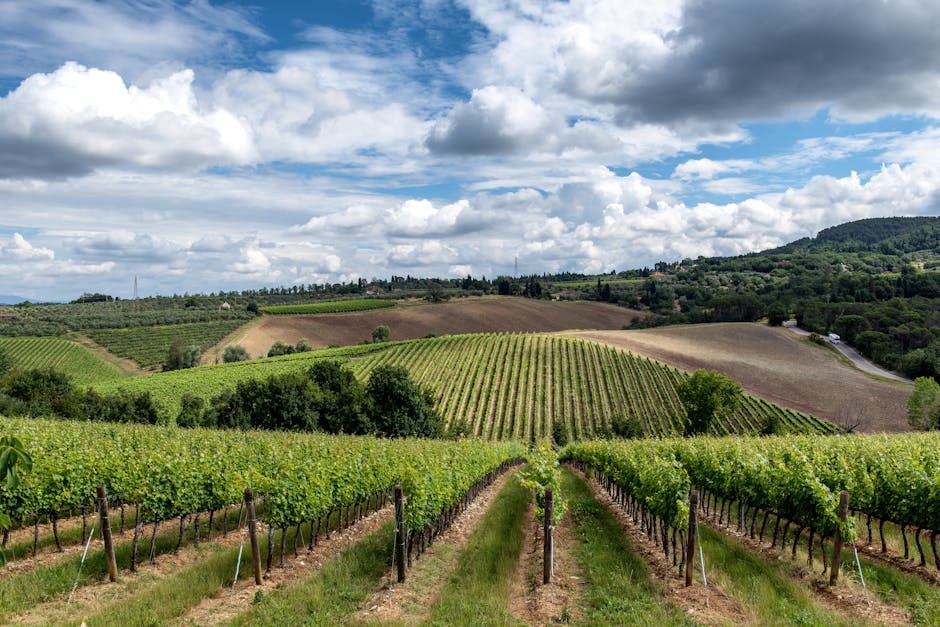
The Chianti area, stretching between Siena and Florence, is everything you picture when you think of Tuscany: rolling hills, lone cypress trees, hilltop medieval villages and vineyards as far as the eye can see. But Chianti — especially the stretch that runs south from Florence toward Siena — is more than just a postcard landscape: it’s a full sensory experience. From cellars where robust wines age to family kitchens passing down age-old recipes, a food and wine tour starting from Siena is a deep dive into the Tuscan soul.
Leaving from Siena to explore Chianti has both practical and cultural perks. Siena, with its shell-shaped Piazza del Campo and impressive cathedral, makes a convenient, history-rich launching point where you can sample local specialties even before you reach the vineyards. The road between Siena and the Chianti heartland winds along provincial backroads (SP), each offering tempting stops: olive presses, farms producing pecorino and aged ricotta, and tiny trattorie serving seasonal comfort food.
A Chianti food and wine tour from Siena is not limited to tasting Chianti Classico; it’s a continuum: aged cheeses, artisanal cured meats, handmade pasta, first-press extra-virgin olive oil and local pastries like Siena’s panforte. Each estate has its own story, grape varieties and cellar techniques — and these distinctions come alive both in a glass and when you walk the cellars, tasting rooms and surrounding hills.
In this article you’ll find a practical, detailed guide to planning a Chianti food and wine tour from Siena: a sample itinerary, precise addresses (with practical opening times), approximate prices in euros for tastings and tours, vivid descriptions of must-see places, and local tips to help you make the most of a day — or a weekend — in this remarkable region. Whether you want a high-end experience in a historic castle, an intimate tasting at a small producer or a hearty break at a family osteria, this guide will help you craft your perfect route.
Keep in mind that the season strongly shapes the vibe: the harvest (usually September–October) brings lively activity in the vineyards and a festive atmosphere in the cellars. Spring reveals flower-covered hills and intensely blue skies, while winter brings a quiet calm and the aromas of slow-cooked dishes. Whatever the season, Tuscan hospitality, generous portions and high-quality wines make Chianti a must for food lovers and wine aficionados setting out from Siena.
 Click here to book your Chianti and castles tour
Why take a Chianti food & wine tour from Siena
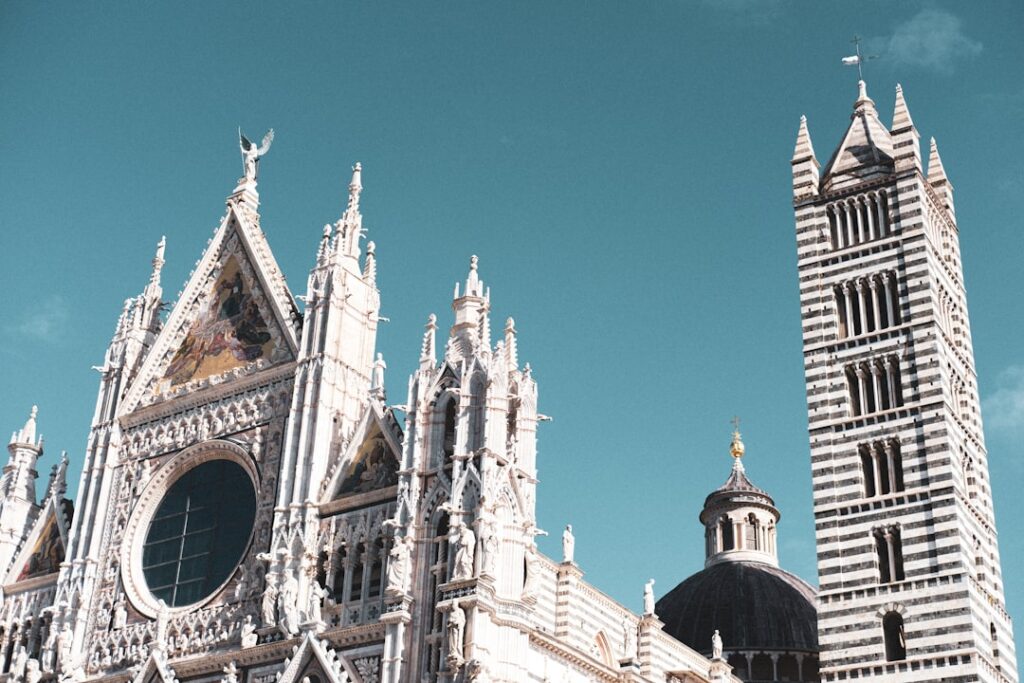
Choosing Siena as your base for exploring Chianti is both a practical and cultural choice. The city has a wide range of accommodation, restaurants and local guides, and it’s within easy reach of the most renowned Chianti Classico estates. This choice lets you combine monumental heritage with culinary pleasures: visit the Duomo di Siena (Cattedrale di Santa Maria Assunta) in the morning and taste a local vintage at a family producer in the afternoon.
Chianti Classico, geographically defined between Florence and Siena, produces wines dominated by the Sangiovese grape, which brings cherry, spice and leather notes often supported by oak aging. The estates vary widely: some, like historic castles, offer full tours including gardens, art exhibitions and vertical tastings; others, more modest, favor an artisanal approach with detailed explanations about sustainable viticulture and winemaking.
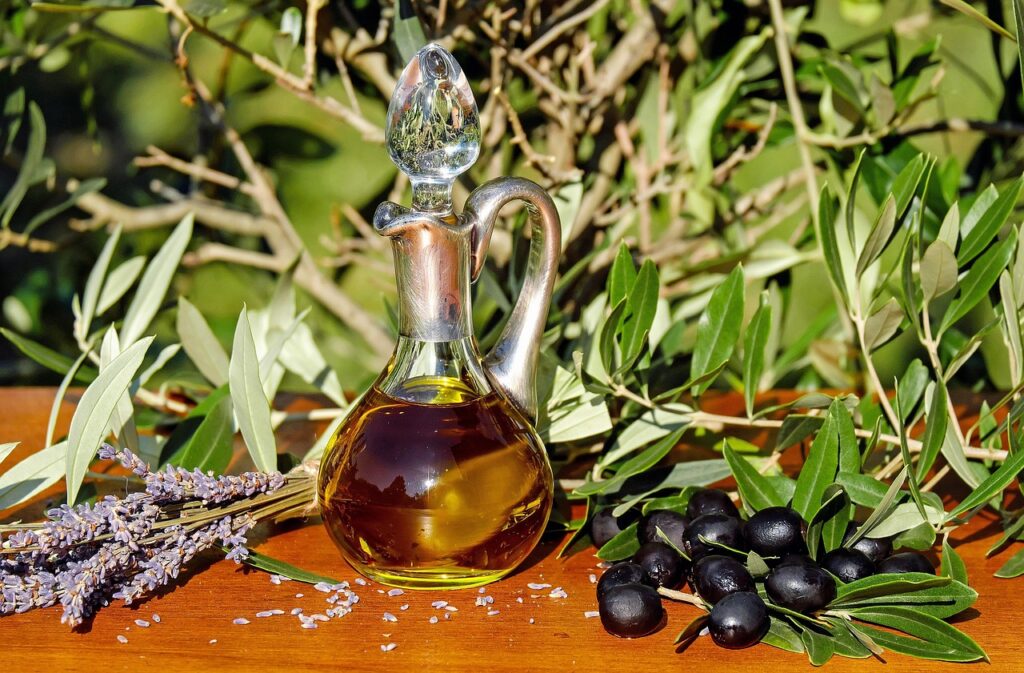
On the food front, Chianti is the stage for rustic Tuscan cuisine: seasonal vegetables, roasted meats, hearty pasta and, of course, pangrattato (toasted breadcrumbs) used to enhance dishes. Beyond wine, local extra-virgin olive oil deserves attention: a young, fruity oil often labeled DOP (Denominazione di Origine Protetta). Siena’s markets (for example the Mercato di Porta Romana on certain days) and farm shops are great spots to pick up fresh products before heading out.
Practical points to consider before you leave: the type of transport (rental car, private minibus, electric bike tour), desired duration (half-day, full day or multi-day stay), and level of immersion (simple tastings vs hands-on cooking classes). If you’re driving, factor in travel times between estates — the narrow, winding roads can extend journeys — and plan responsibly if you’ll be tasting (consider a driver or an agency offering transport).
A food and wine tour from Siena is also a chance to blend culture with culinary pleasure: wander Piazza del Campo, visit the Biblioteca Piccolomini, then escape to the hills for lunch at a producer’s table. The perfect combo for anyone who wants to taste Tuscany with all the senses.
Click here to buy your ticket for Siena Cathedral
Recommended itinerary: a classic day trip from Siena
To make the most of a day, here’s a sample itinerary (depart early from Siena, return late afternoon) that includes estate visits, tastings and lunch: it’s designed to offer variety, history and flavor.
Morning: Depart Siena and first stop – Badia a Coltibuono
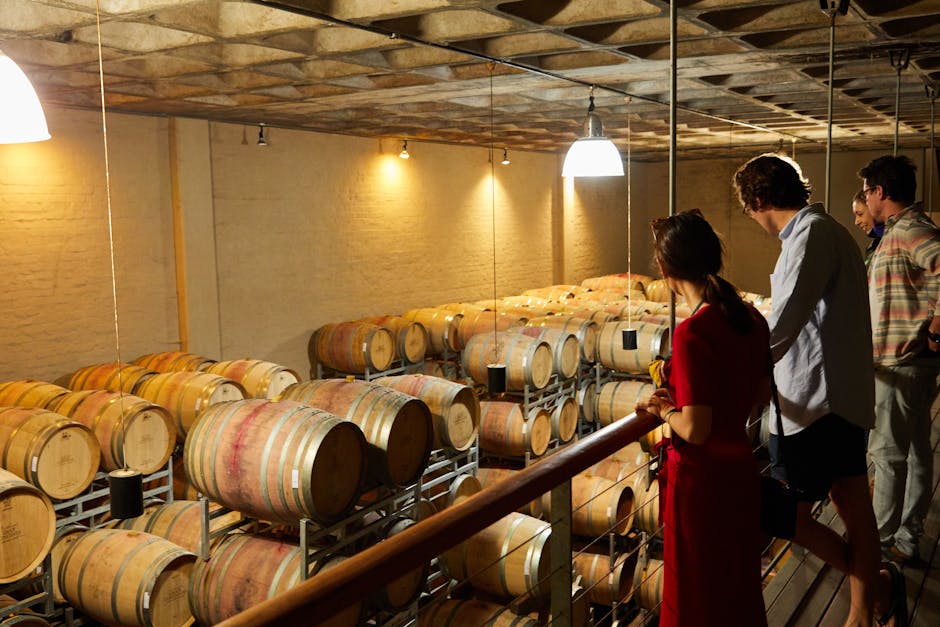
Suggested departure: 8:30 AM from Piazza del Campo, 53100 Siena. Head to Badia a Coltibuono, a monastery-turned-estate that blends medieval history with organic wine production. Address: Badia a Coltibuono, Località Badia a Coltibuono, 53013 Gaiole in Chianti (SI). Hours: guided tours and tastings are typically offered from 10:00 to 17:00 (seasonal variations). Price: tour + tasting roughly €20–30 per person (indicative). Immersive description: the stone cloister, ancient olive trees and vaulted cellar where barrels rest create a perfect setting to understand the evolution of Italian wine.
Click here to Taste Chianti wine and olive oil with cellar tour
Midday: Castle and lunch – Castello di Brolio
Next, head to the Castello di Brolio, the historic seat of the Ricasoli family. Address: Castello di Brolio, Località Brolio, 53013 Gaiole in Chianti (SI). Castle and park hours: tours of the castle and museum usually run 10:00–18:00 (seasonal hours). Price: guided castle tour €12–18; estate wine tastings €15–40 depending on the selection (indicative). For lunch, the estate’s restaurant serves traditional Tuscan dishes (expect €25–45 per person for à la carte). Description: spectacular views over the Chianti hills, period-furnished rooms and cellars where you can uncover the secrets of Chianti Classico.
Click here to Visit a private Tuscan castle for tasting
Afternoon: A modern tasting – Antinori nel Chianti Classico
In the late afternoon, visit Antinori nel Chianti Classico, a contemporary winery-museum designed by architect Niccolò Della Valle, located in Loc. Bargino, 50028 (Bargino/Tavarnelle Val di Pesa). Note: Antinori sits geographically between Florence and Siena; check exact location based on your route. Address commonly provided: Antinori nel Chianti Classico, Via Cassia per Siena, 133, Loc. Bargino, 50028 (Bargino/Tavarnelle Val di Pesa) — it’s best to confirm on the official website. Visiting hours: 10:00–18:30; price: tour + tasting €25–60 depending on the package (indicative). The ultramodern glass-and-stone building delivers a full sensory experience: underground cellars, a panoramic tasting room and a shop offering rare labels.
Click here to book your Chianti vineyards tour with lunch
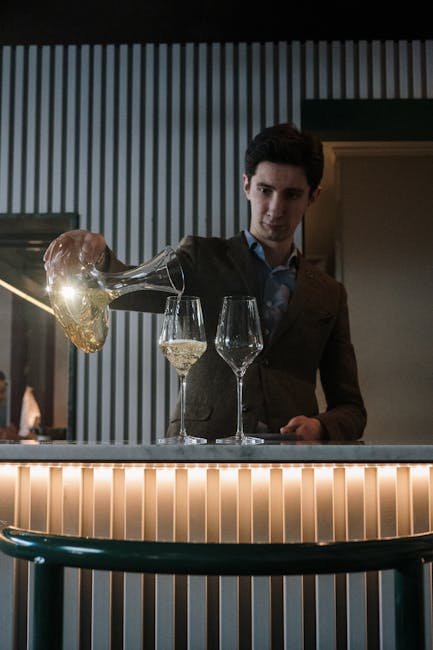
Return to Siena is typically planned between 6:00 and 7:00 PM, depending on traffic and photo stops along the way. This itinerary is flexible: you can swap Antinori for a small producer for a more intimate tasting, or add an olive mill visit if you’re particularly interested in olive oil.
Tastings and must-visit addresses
Here’s a curated list of places to include on a Chianti food and wine tour from Siena, with practical details (addresses, hours, approximate prices) and immersive descriptions to help you choose based on your tastes.
1. Castello di Ama
Full name: Castello di Ama (Tenuta di Ama). Address: Località Ama, 53013 Gaiole in Chianti (SI). Hours: visits and tastings typically 10:00–13:00 and 15:00–18:00 (by reservation). Price: guided tour + tasting €25–45 per person depending on the program. Description: a relatively recent estate that has gained renown for integrating contemporary art into the landscape and for outstanding wines. The art gardens and installations on the property add a cultural layer to the tasting, creating an engaging contrast between modern art and rural scenery.
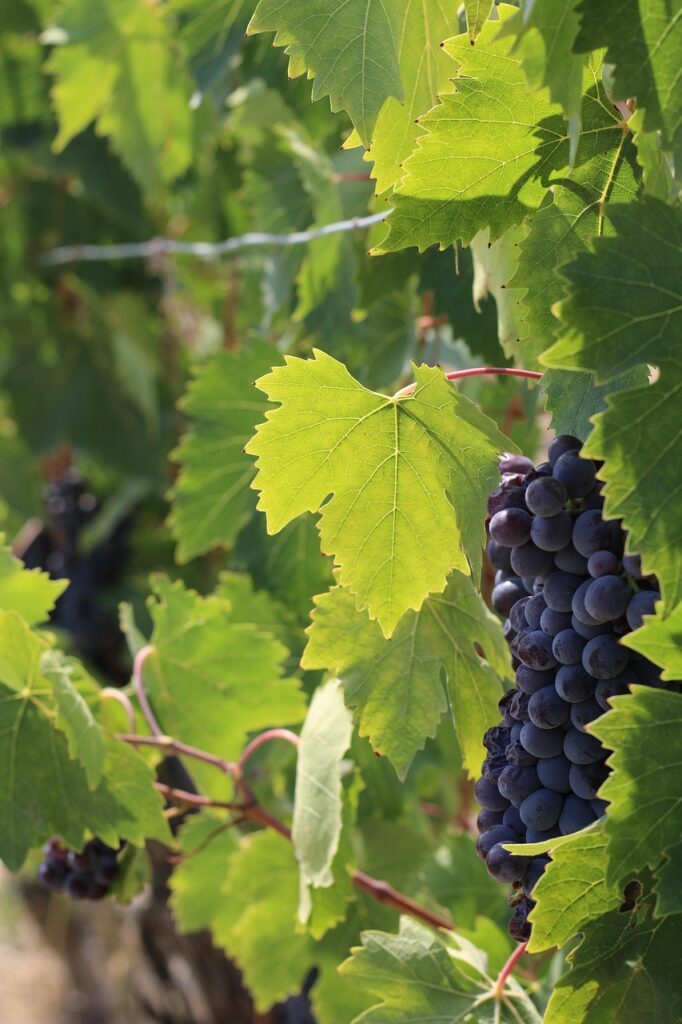
2. Castello di Brolio (Ricasoli)
Full name: Castello di Brolio, Tenuta Ricasoli. Address: Località Brolio, 53013 Gaiole in Chianti (SI). Hours: museum and park usually open 10:00–18:00 (high season). Price: castle tour €12–18; tastings €15–40 depending on selection. Description: one of Chianti’s historical pillars, where you can literally trace the story of Chianti Classico back to the 19th century. The terraces offer breathtaking views and the shop sometimes stocks older bottles that are hard to find elsewhere.
3. Badia a Coltibuono
Full name: Badia a Coltibuono. Address: Località Badia a Coltibuono, 53013 Gaiole in Chianti (SI). Hours: visits and tastings 10:00–17:00 (subject to change). Price: tastings and tour €20–30. Description: the former abbey with its cloister, traditional kitchen and olive oil workshop are major draws. Meals served at the estate emphasize farm and local products, often paired with house wines.
4. Osteria Le Logge (Siena)
Full name: Osteria Le Logge. Address: Via del Porrione, 33, 53100 Siena (SI). Hours: typically 12:30–14:30 and 19:30–22:30; closed some days — check locally. Price: dishes €12–30; tasting menus €40–70. Description: back in Siena for an urban gourmet experience — a refined osteria offering food and wine pairings that highlight Chianti wines. A great place to compare your impressions from the estates with a chef-driven menu.
5. Enoteca Italiana (Siena)
Full name: Enoteca Italiana Siena. Address: Fortezza Medicea, Viale Vittorio Emanuele II, 1, 53100 Siena (SI). Hours: 10:00–19:00 (hours may vary). Price: by-the-glass tastings €3–10; guided tastings €15–40. Description: housed in the Fortezza Medicea, the enoteca offers a wide selection of Tuscan and national wines. A perfect stop to refine your preferences before or after your day of excursions.
Click here to book your Sienna food & wine walking tour
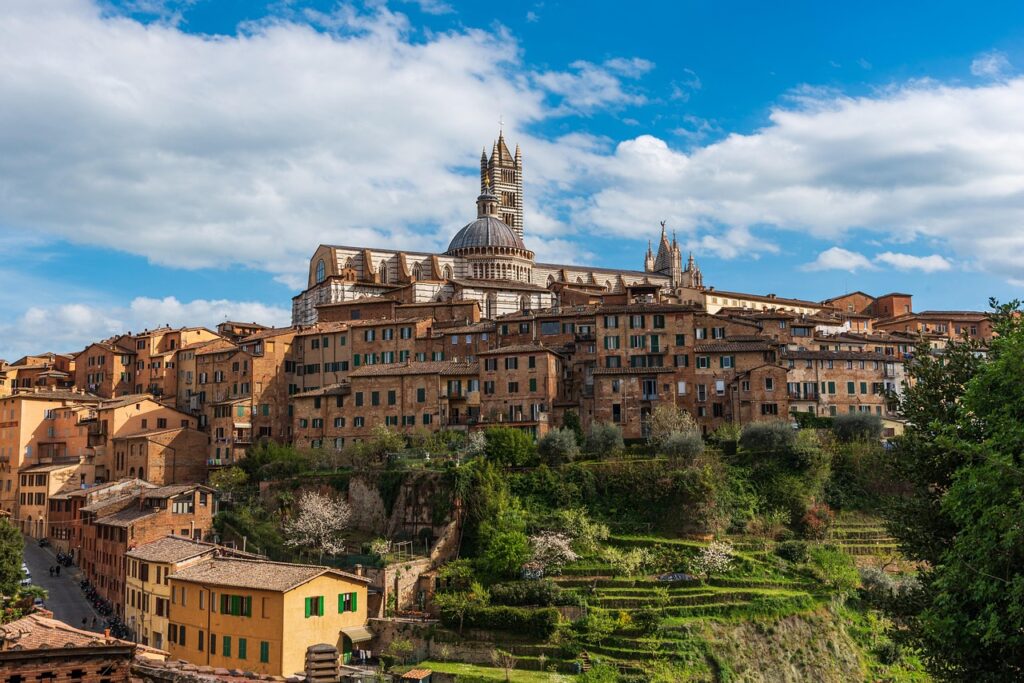
These addresses form a strong foundation for building your tour: historic castles, modern estates, converted monasteries and city restaurants. Each offers a different side of Tuscan wine and food culture.
Practical tips and local advice
To get the most from your Chianti food and wine tour from Siena, here are practical tips based on local experience and best practices when traveling in wine country.
- Transport: Renting a car gives you the most flexibility. Expect roughly 30–60 minutes of driving depending on your destination. If you plan to taste, hire a private driver or join an organized tour (prices vary: €100–300 for a half-day to full day depending on group size and customization).
- Bookings: Book at least 48 hours in advance for popular wineries like Antinori, Castello di Ama or Castello di Brolio. Small, family-run estates are often more flexible, but it’s always good to give notice.
- Opening hours: Most estates open between 10:00 and 11:00 and close between 17:00 and 18:30. In high season some extend their hours. Always check official websites before you go.
- Budget: For a full day including two tastings, lunch and transport, budget €80–200 per person depending on the level of the venues and type of tastings. Premium tours and chef-led pairing menus can exceed €100 per person for a single experience.
- What to wear: Choose comfortable clothing and closed shoes (unpaved roads and sometimes damp cellars). In summer bring a hat and water; in autumn pack a light jacket for cooler cellars.
- Purchases: Estates often sell cuvées not widely distributed internationally — an excellent chance to buy bottles at the source. Cards are usually accepted, but carry some cash for small purchases or tips.
- Local etiquette: Many estates are both production sites and private residences. Respect the rules during visits (don’t touch barrels, follow the guide, avoid photos where prohibited).
- Allergies and dietary preferences: Mention any allergies when booking lunches or cooking classes. Farms and osterie generally adapt but appreciate advance notice.
Following these tips will reduce surprises and maximize enjoyment: well-timed tastings, tasty meals and authentic souvenirs to bring home.
Additional activities and experiences not to miss
Chianti offers complementary activities that can enrich a food and wine tour. Here are suggestions for travelers who want to deepen the experience.
- Tuscan cooking class: Several farms offer lessons where you’ll learn to make fresh pasta (pici), rustic sauces and desserts like cantuccini. Typical duration: 2–4 hours. Price: €50–120 per person depending on the package (ingredients included).
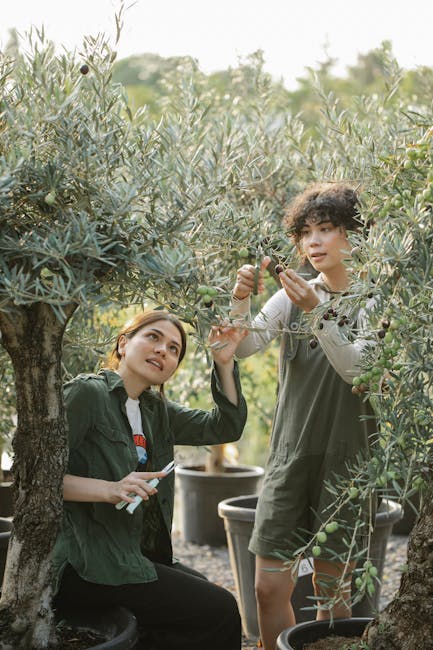
- Olive mill visit: Olive oil is central to the local cuisine. Examples: Frantoio di Sammontana (check local addresses). Oil tastings are usually paired with bread, grilled vegetables and cheese to explore pairings. Price: €10–25.
- Hike or e-bike: For active travelers, explore the hills between vineyard rows on foot or by electric bike. Several operators run guided half-day tours. Price: €35–80 depending on duration.
- Local markets: Weekly markets (e.g., Castelnuovo Berardenga or Colle di Val d’Elsa on certain days) are great for buying fresh products: cheeses, cured meats, honey and vegetables.
- Cultural visits in Siena: Combine your tour with a deeper exploration of Siena: Piazza del Campo, Cattedrale di Santa Maria Assunta (Piazza del Duomo, 8, 53100 Siena) and Museo dell’Opera Metropolitana (Piazza del Duomo, 9, 53100 Siena). Typical hours: 10:00–19:00 (varies). Price: combined entries €10–18 depending on concessions.
Click here to book your traditional Tuscan cooking class
Click here to discover Tuscan olive oil at a family mill
Click here to book your Chianti e-bike tour with lunch
These experiences, combined with tastings, help create a complete and personalized memory of Chianti.
CONCLUSION
A Chianti food and wine tour from Siena is more than a string of tastings: it’s an immersion in a living terroir, a lesson in regional history and a culinary exploration that connects land to glass. The Chianti hills change with the seasons, but quality remains constant: structured, lively wines, fruity olive oil, aged cheeses and artisanal cured meats. Whether it’s a peaceful afternoon in a castle, a modern architectural visit to Antinori or a rustic lunch in a Sienese osteria, each moment deepens your understanding of Tuscany.
Plan your route with opening hours in mind (most estates open early and close in the late afternoon), choose transport wisely (prefer a driver if you intend to taste a lot) and book ahead for popular visits to avoid disappointments. Set a realistic budget so you can enjoy without worry: tastings, meals and buying rare bottles on-site have costs but also leave lasting memories.
Finally, remember that the heart of a Chianti tour often lies in the encounters: the winemaker telling the family story, the cook revealing a recipe secret, the farmer talking about the olive grove. These conversations, sometimes more than tasting notes, stay with you. Whether you seek a romantic escape, cultural trip or foodie adventure, Siena and Chianti pair heritage with table pleasures to offer an authentic, memorable experience.
Safe travels, and above all, salute — to your health and to wonderful wine discoveries in the heart of Tuscany.