





Introduction
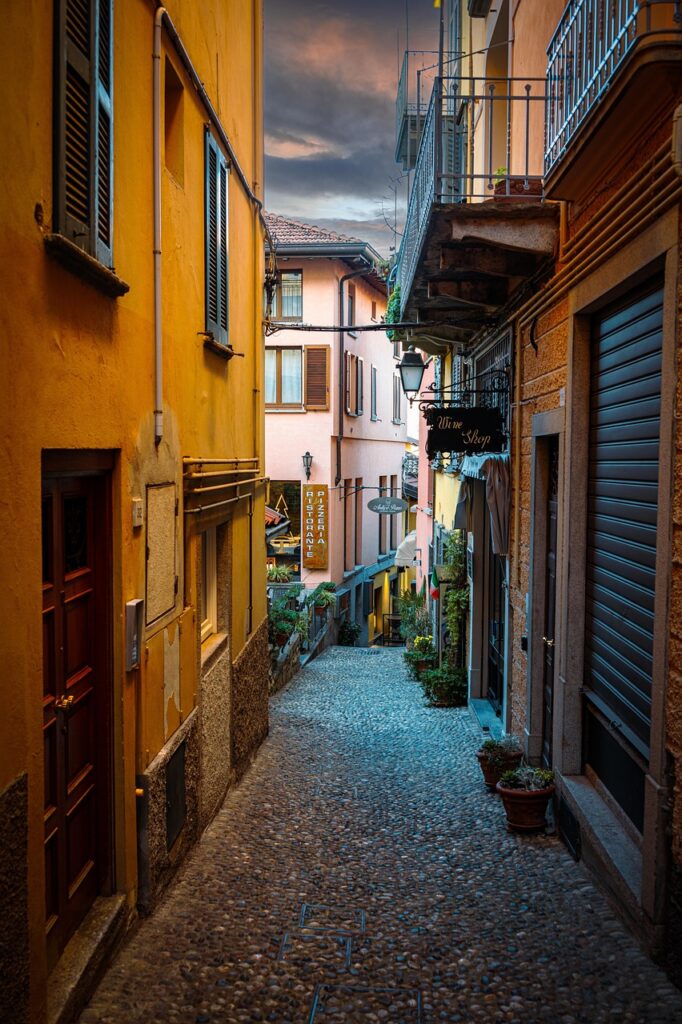
Siena is a city to be explored with your eyes and your camera. Tucked into the Tuscan hills, it offers a maze of medieval lanes, worn cobbles, red-brick facades, secret stairways and small squares bathed in golden light. This photo route through Siena’s medieval alleyways is made for travelers who want to capture the city’s intimate soul: architectural details, plunging perspectives, artisan workshops, flowering balconies, gargoyles and the play of shadow and light that makes Siena so photogenic.
In this introduction I suggest an immersive approach: how to prepare your gear, which settings work best in narrow lanes, the best times for light, and how to respect the city and its residents during a shoot. I also list the iconic spots we’ll pass — Piazza del Campo, the Duomo di Siena, Torre del Mangia, Palazzo Pubblico, Museo dell’Opera, Santa Maria della Scala — so your route is complete and coherent. For each stop you’ll find exact addresses, opening hours, indicative prices in euros and practical tips to get the most out of your visit and your images.
The heart of this approach is slow travel: this route isn’t a race between monuments but a photographic stroll. Focus on details — worn woodwork, painted signs, stone joints, filtered light through shutters, reflections on low fountains. I recommend alternating lenses: a wide-angle (24–35mm) for tight lanes, a 50mm for atmosphere portraits, and a short telephoto (85–135mm) to isolate decorative details. Consider a compact tripod for low-light scenes (churches, cloisters, museum interiors) and a polarizing filter to deepen brick colors and reduce reflections on wet stone.
Finally, local respect is essential: avoid flash in churches and museums, ask before photographing older people or artisans at work, and obey signage and opening times. This guide also offers suggestions for coffee breaks, secret perspectives and panoramic viewpoints that will make a difference in your portfolio. Charge your batteries, format your memory cards and set off to discover a Siena that reveals itself when you take the time to look.
 Click here to book a guided walking tour of Siena
Section 1 — First Look: Piazza del Campo and Nearby Lanes
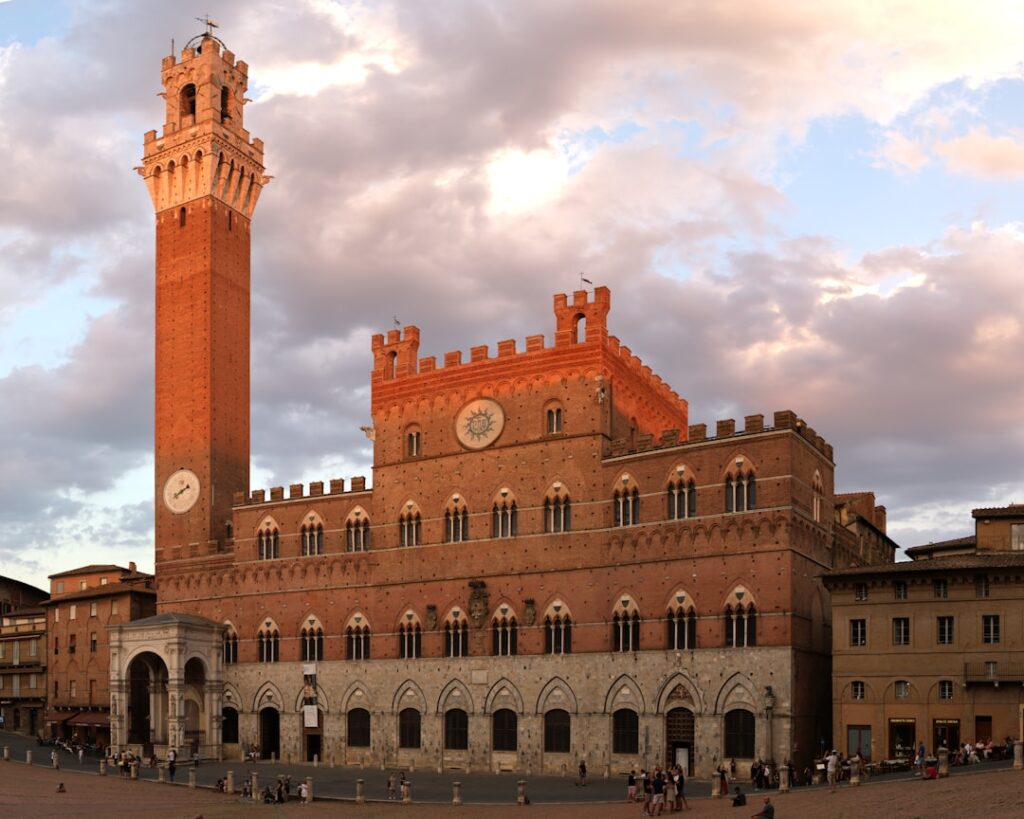
Start your route at the famous Piazza del Campo, Siena’s polished heart where the Palio is held twice a year. Address: Piazza del Campo, 53100 Siena SI, Italy. This shell-shaped square, lined with medieval facades and dominated by the Palazzo Pubblico, is perfect for wide shots at dawn or dusk when the light sculpts the bricks and tourists are scarce.
Practical info: Palazzo Pubblico – Museo Civico is located at Piazza del Campo, 1, 53100 Siena SI, Italy. Indicative hours: open daily from 10:00 to 19:00 (closings may vary off-season). Price: around €10.00 per adult for museum entry (indicative). The museum gives access to the palace, frescoes and panoramas from certain windows — ideal for interior architectural shots and painted details.
Take time to wander the lanes radiating from the square: Via di Città, Via Banchi di Sopra and Via di Città Alta. These cobbled little streets offer dramatic perspectives — a row of arcades, old shops, hidden staircases and inner courtyards. In the morning, look for delivery scenes: trucks, shopkeepers opening their stalls, steam from coffee and fruit displays that make for authentic local life shots.
Photo tips: for panoramas use a wide-angle and a high vantage point (the Palazzo Pubblico steps or a terrace café provide a plunging perspective). For details, get close to wrought-iron signs and enamel house numbers. The streets north of the square create compelling backlight in the afternoon; use this for silhouettes and long shadows.
Click here to book a guided walking tour of Siena
Section 2 — The Duomo di Siena and Its Cloisters: Light and Carved Detail
A fifteen-minute walk from Piazza del Campo sits the majestic Duomo di Siena (Cattedrale di Santa Maria Assunta). Address: Piazza del Duomo, 8, 53100 Siena SI, Italy. The cathedral is a must for any photo itinerary, both for its white-and-green marble exterior and its interior rich in mosaics, frescoes and sculptures. Take time to explore the Biblioteca Piccolomini (home to Pinturicchio frescoes), the Museo dell’Opera and the nearby Santa Maria della Scala complex.
Practical info: access to the Duomo is often via a combined ticket. Indicative price for the « Duomo Complex » combined ticket: €15.00 per adult (may include the Duomo, Baptistery, Museo dell’Opera, Piccolomini and Santa Maria della Scala depending on the formula). Indicative hours: Duomo and Museum: 10:00 – 19:00, hours vary by season and religious services. The Biblioteca Piccolomini (Piazza del Duomo) usually opens between 10:00 and 18:00.
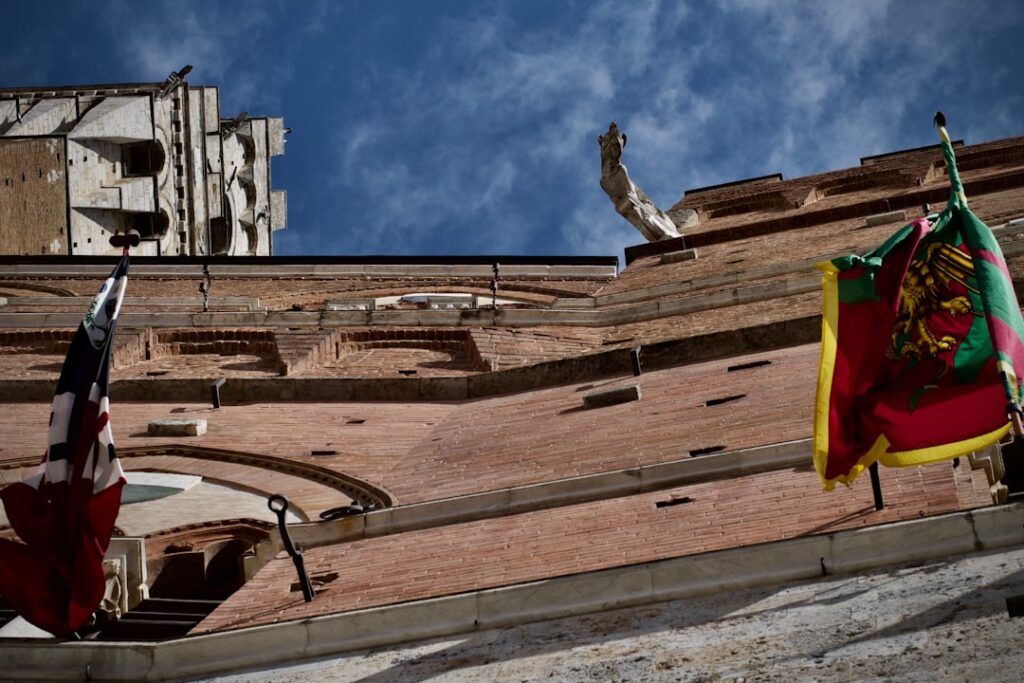
Photography: the contrast between the black-and-white marble bands on the facade and the sculpted ornaments makes for strong graphic images. Inside, favor a moderate ISO and a tripod if allowed (ask staff). Capitals, the mosaic floor (Pavimento del Duomo) and stained glass offer richly textured close-ups. Don’t miss the climb to the Duomo balcony for views over Siena’s roofs and surrounding hills.
Local tip: arrive early (or just before closing) to shoot without crowds and watch guides point out overlooked details — like a carved head hidden in a portal. In Santa Maria della Scala (Address: Piazza del Duomo, 2, 53100 Siena SI, Italy), a large former hospital turned museum, you’ll find underground rooms and well-preserved frescoes. Indicative price for Santa Maria della Scala: €8.00.
Click here to book your ticket for the cathedral and the library
Section 3 — Towers, Panoramas and Secret Viewpoints
To round out your alley photos, think vertically: towers and high points reveal the city’s geometry and the web of streets. The Torre del Mangia, attached to the Palazzo Pubblico, is essential. Address: Torre del Mangia, Piazza del Campo, 2, 53100 Siena SI, Italy. Climbing the tower gives you a 360° view of the town and the Tuscan countryside — perfect for shooting colorful roofs and lanes that open like veins.
Practical info: Torre del Mangia hours are typically open from 10:00 to 19:00 (longer in summer). Price: about €10.00 per adult. Watch out for narrow stairs and the weather — the climb may be closed in bad conditions. Wear comfortable shoes and avoid bringing large bags on the ascent.
Other viewpoints: the Loggia della Mercanzia and terraces of nearby churches offer lesser-known but equally effective frames. The Facciatone (the unfinished facade of the Duomo) leads to a belvedere (Address: Piazza del Duomo) with a striking vanishing line on Via del Capitano and the countryside beyond. Shoot in late afternoon for side light that brings out roof textures.
Technique: use a telephoto to compress planes and capture windows, terraces and anonymous figures at work. An ND filter can help create long exposures to smooth out crowds on the square. Also think vertical for images destined for social media, especially for towers and chimneys.
Click here to book a tour with Duomo entry and panorama
Section 4 — Photographic Alley Route: Detailed Walking Itinerary
Here’s a walking route designed for a half-day of shooting, from morning through golden hour. Start: Piazza del Campo (Piazza del Campo, 53100 Siena SI, Italy). Suggested itinerary:
- Start 08:00: sunrise over Piazza del Campo for calm images and soft light.
- Walk up Via di Città toward the Torre del Mangia (Piazza del Campo, 2). Capture the arcades and side stairways.
- Turn onto Via di Pantaneto and wander toward the Cattedrale di Santa Maria Assunta (Piazza del Duomo, 8). Explore side streets like Via San Pietro.
- Coffee break: Bar Il Palio, Via del Castoro, 6 (open from 07:30), to photograph servers and barista craft. Price for an espresso: ~€1.20.
- Then head to the Pian dei Mantellini quarter and its small squares for everyday life scenes.
- Finish at dusk on the Facciatone belvedere for a panoramic sunset.
Each segment contains micro-subjects: a carved wooden door, a wet cobbled lane after rain, a paved artery leading to a hidden garden, cats basking on a windowsill. Adjust your pace: 5–10 minutes per detail, 20–30 minutes per street scene. Stay hydrated, carry a discreet bag and keep your gear close — the lanes are charming but sometimes narrow and busy.
Orientation tip: download the offline map of Siena to your smartphone and mark these points: Piazza del Campo (Piazza del Campo, 53100 Siena SI), Duomo (Piazza del Duomo, 8), Palazzo Pubblico (Piazza del Campo, 1), Torre del Mangia (Piazza del Campo, 2). Exact addresses will save time in the similar-looking street network.
Click here to book a day trip to Siena and San Gimignano
Section 5 — Details, Portraits and the Market: Capturing the Local Soul
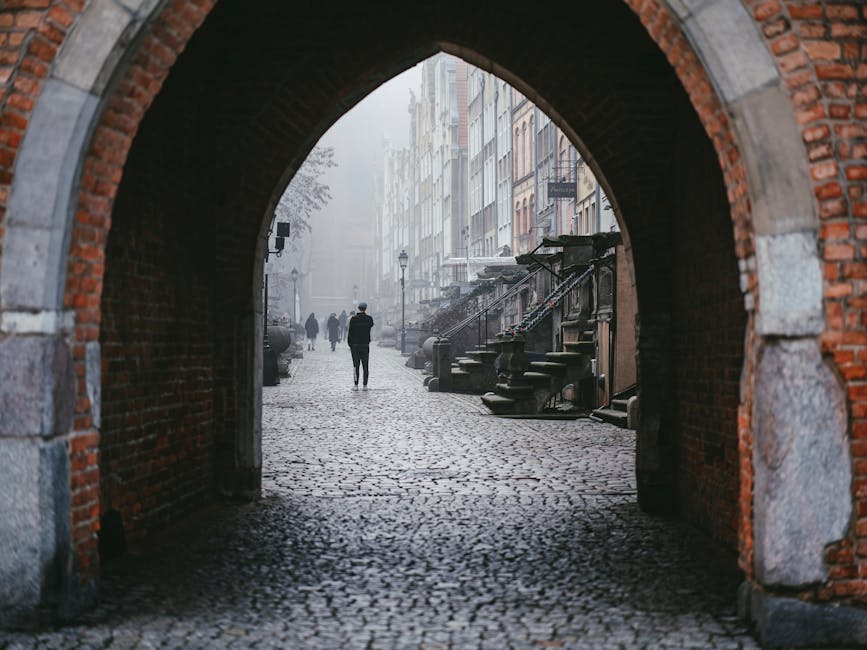
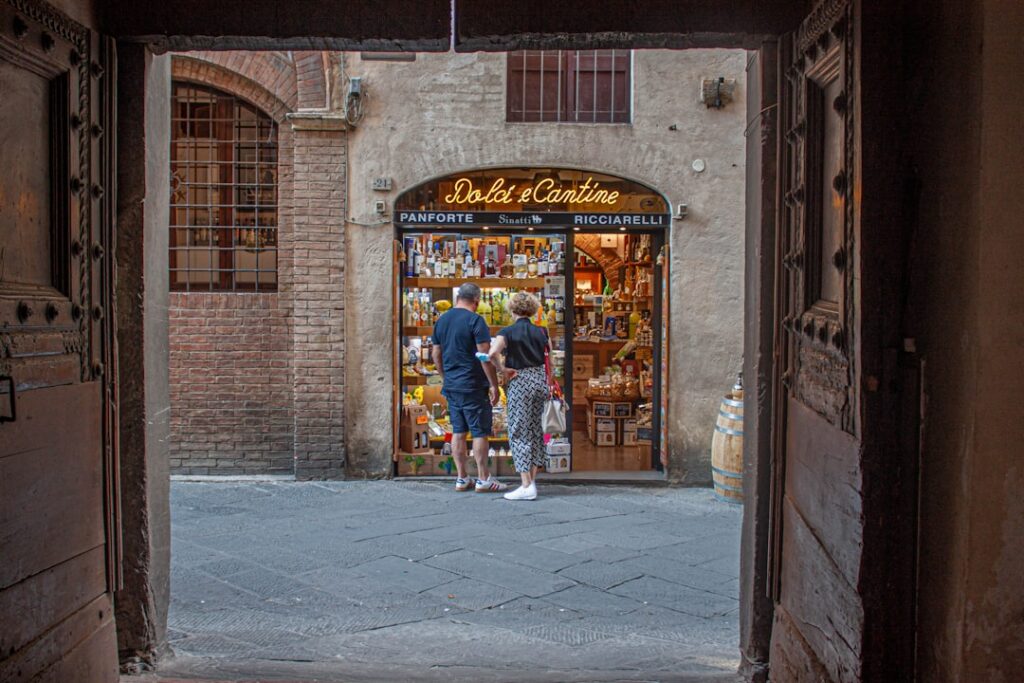
Street photography in Siena becomes intimate when you linger on faces, hands and artisanal activities. Local markets, butcher shops and small Italian grocers are full of authentic subjects. The Mercato di Piazza del Mercato (check seasonal location during fairs) and the small shops on Via Banchi di Sopra offer fruit, cheese, cured meats and natural staging.
For portraits, try to make eye contact and briefly explain your project in simple Italian: « Buongiorno, posso fare una foto? » This often brings a smile and rapport. Prefer a wide aperture (f/1.8–f/2.8) to isolate the subject and create smooth bokeh against brick backgrounds. Always respect dignity and privacy — ask permission and offer to send the photo by email if possible.
In the evening, lane lighting becomes dramatic: street lamps, tobacco shop lights and backlit signs appear. It’s the perfect time to try long exposures on a tripod or monopod to capture the flow of pedestrians. Taverns and restaurants often display chalkboards with daily specials — these gastronomic scenes tell the story of Siena’s local cuisine: pici all’aglione, ribollita, bistecca alla fiorentina (region-dependent).
Practical tips: carry a lens hood to avoid reflections on windows and keep a versatile lens to switch quickly between portrait and detail. If you’re shooting with a model, choose early morning or late afternoon for flattering light and fewer passersby.
Click here to taste wine and charcuterie in central Siena
Conclusion
Siena reveals itself to photographers who are willing to slow down, observe and engage with the city. Each medieval lane invites you to explore layers of time: Gothic facades, colorful shutters, electrical cables telling a modern story, commemorative plaques and gargoyles. The suggested photo route combines landmark sites (Piazza del Campo, Palazzo Pubblico, Torre del Mangia, Duomo di Siena, Museo dell’Opera, Santa Maria della Scala) and micro-subjects (doors, signs, markets, artisans) to build a cohesive and rich portfolio.
Before you leave, check the listed hours — museums and monuments can change their opening times due to the season or special events. The prices provided (Palazzo Pubblico ~€10.00, Duomo Complex ~€15.00, Torre del Mangia ~€10.00, Santa Maria della Scala ~€8.00) are indicative; always budget extra for temporary exhibitions and audio guides. And above all, respect the city: don’t leave litter, avoid private areas, don’t block passages with your tripod without permission and ask before taking portraits.
Click here to reserve the OPA SI Pass with audio guide
Bring curiosity with you: the best images often come from wandering without a fixed goal, chatting with a shopkeeper, or taking a detour down a narrow staircase. The surrounding hills provide settings to end the day with a sunset over Siena’s silhouette. This guide has given you a framework, exact addresses, technical advice and practical markers so you can focus on what matters most: capturing Siena’s medieval soul. Happy photographic travels, and may your images tell the poetry of these ancient lanes.