





Introduction
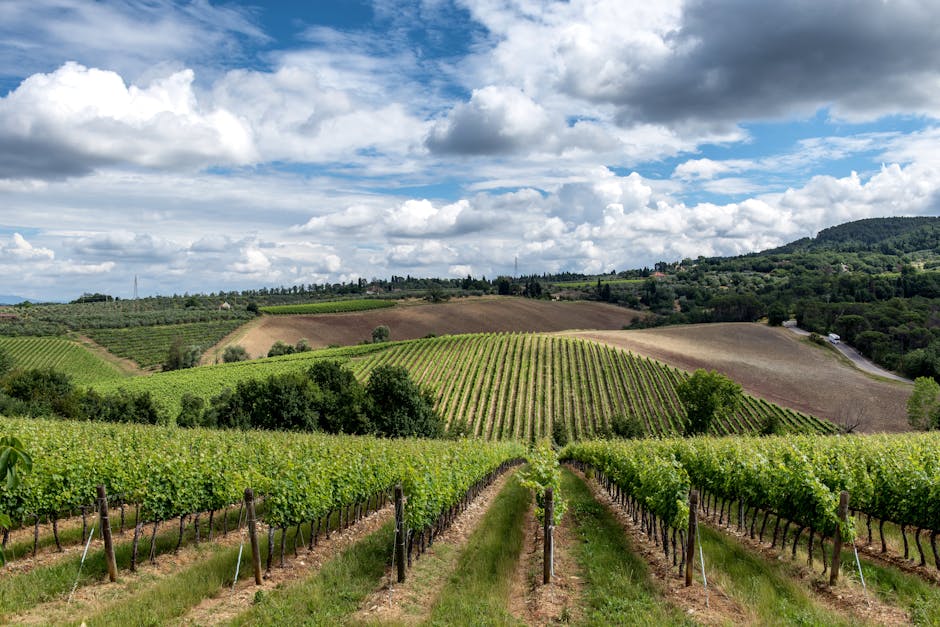
Siena is one of Tuscany’s most evocative cities: medieval lanes, Gothic palaces, sloping squares and a food-and-wine tradition that goes back centuries. A wine tour based in Siena is more than just tastings — it’s an immersive trip through vineyard-dotted hills, centuries-old cellars and winemaking know-how passed down through generations. The city is also perfectly placed to explore two of Italy’s most famous wine regions: Chianti Classico to the northeast and the Val d’Orcia to the south, each offering different grape varieties, winemaking styles and atmospheres.
This article lays out a practical, day-by-day itinerary with exact addresses, opening hours, indicative prices in euros, and local tips to help you plan a wine-focused route from Siena. You’ll find suggestions for city stops — including institutions like the Enoteca Italiana in the Fortezza Medicea — and day trips to notable estates such as Castello di Brolio in Chianti Classico, artisanal cellars around Montalcino, and a few tasty stops to pair with your tastings.
The goal is to give you a realistic and flexible plan: transport options (rental car, trains and private transfers), visit durations, ways to tailor the trip to your budget and preferences (quick tasting vs. full cellar tour with lunch), plus practical advice on accommodation, booking ahead and tasting etiquette in Italy. Whether you’re a curious beginner or a seasoned wine lover, you’ll leave Siena with a clearer understanding of local winemaking (Sangiovese and its cousins), wine classifications (Chianti Classico, Brunello di Montalcino, Vino Nobile di Montepulciano) and — most importantly — concrete addresses to extend your experience.
The itinerary also takes seasonality into account: harvest time, wine festivals and reduced opening hours in the low season. Dates, prices and opening hours can change, so it’s wise to check official winery sites and book certain tours — especially at in-demand estates — several weeks in advance. Now that the stage is set, let’s dive into a detailed day-by-day plan, mental maps for each stop, and practical tips to make the most of your wine trip from Siena.
 Piazza del Campo morning » loading= »lazy » />
Day 1 – Start in Siena: Enoteca Italiana and Your First Tastings
Kick off your wine route in the heart of Siena to get acquainted with Tuscany’s major wines before heading out to the estates. The must-stop in town is the Enoteca Italiana, located in the Fortezza Medicea: an institutional venue dedicated to promoting Italian wines, perfect for a first taste.
Enoteca Italiana (Fortezza Medicea)
Address: Largo Fortezza, 1, 53100 Siena SI, Italy.
Opening hours (indicative): Tuesday to Sunday, 10:30 – 19:30; closed Monday (check seasonally).
Price: tastings from €10 for 3 glasses; guided or themed tasting sessions €20–35 depending on the program.
Description: Fortezza Medicea offers a panoramic terrace over Siena’s roofs and the chance to taste a curated selection of national and regional wines. Enoteca Italiana provides self-service tastings by token-operated dispensers as well as guided sessions led by sommeliers. It’s an excellent way to get a sense of the aromatic profiles of Sangiovese, Vernaccia di San Gimignano and other Italian varieties before you head into the countryside.
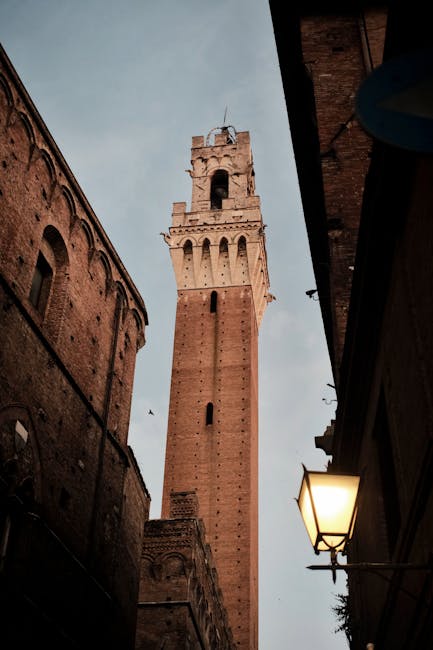
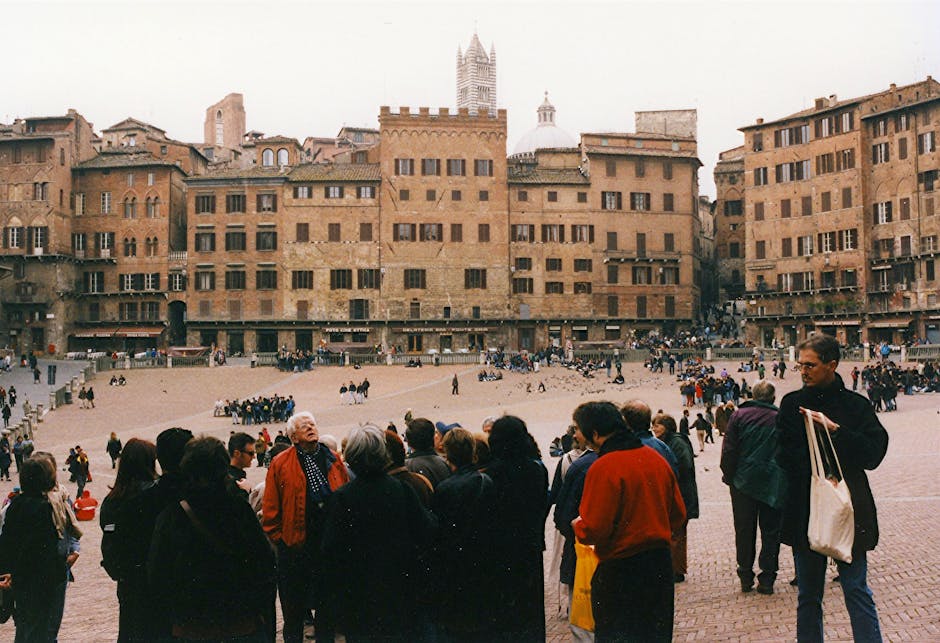
Practical tips: arrive late morning to enjoy the soft light on the terrace and buy tokens if you plan to sample several appellations. If you’re in a group, book a guided tasting; in high season slots fill up fast. After your visit, wander for a few minutes to the Piazza del Campo (Piazza del Campo, 53100 Siena SI) to soak in the city’s medieval energy.
 Click here to book a wine-tasting walk in the historic center
Other city addresses to round out your introduction to local wine include the shop and cellar Il Bricco del Vino (Via Pantaneto, 33, 53100 Siena SI), plus a handful of small osterie that serve wine by the glass alongside local cured meats (prosciutto, finocchiona) and Tuscan cheeses. These early stops help you fine-tune your preferences before visiting countryside estates.
Day 2 – Chianti Classico Excursion: Castello di Brolio and Terraced Vineyards
Chianti Classico is one of the most iconic wine territories around Siena. From the city, expect about 40–60 minutes by car to reach the main estates depending on your destination. For a typical day, I recommend visiting Castello di Brolio in Gaiole in Chianti — it blends history, architecture and memorable tastings.
Castello di Brolio
Address: Località Madonna a Brolio, 53013 Gaiole in Chianti SI, Italy.
Opening hours (indicative): castle tours and tastings daily except some holidays; open 09:30 – 17:30 (hours vary by season).
Price: guided tour of the park and Chianti museum about €12–18; tasting of 3 wines €18–30; full experience with lunch €50–85 depending on the menu.
Description: The historic estate of the Ricasoli family, Castello di Brolio overlooks terraced vineyards. The guided visit covers the castle’s history, the Chianti museum and a commented tasting in the cellars or a tasting room with vineyard views.
Suggested route: leave Siena early (09:00) to arrive at the castle around 10:00. After the tour and tasting, head to a small local producer for a more intimate tasting (reservation recommended). In the late afternoon, take a scenic drive through Gaiole in Chianti and Castellina in Chianti, stop for an aperitivo at a local trattoria if you can, and watch the sun set over the rolling hills.
Practical tips: a car gives you freedom of route; secondary roads can be narrow and winding, so drive accordingly. Check the time of the last tasting and book online for popular slots, especially in summer and during harvest (September–October). Bring water, comfortable shoes for walking between vine rows, and a light jacket for cooler cellars.
Click here to explore Chianti and its castles with tastings
Day 3 – Head to Montalcino and Brunello: Cellar Visit and a Rural Lunch
About 50–70 minutes south of Siena lies Montalcino, the capital of Brunello di Montalcino — one of Italy’s most prestigious wines. A full day exploring a cellar and Montalcino’s historic center contrasts with Chianti: wines are often more powerful, oak aging is frequently extended, and the hills feel steeper.
Suggested cellar: Fattoria dei Barbi
Address: Via del Piano, 3, 53024 Montalcino SI, Italy. (Fattoria dei Barbi is a historic cellar near Montalcino. Check the exact address for the cellar you choose.)
Opening hours (indicative): tours and tastings 10:00 – 17:00; may close Sundays in low season.
Price: tasting of 3 wines €15–30; tasting including a Brunello vintage €30–60; full cellar tour €25–50.
Description: Montalcino cellars focus on estate history, barrel aging and vertical tastings of older vintages. Pair your tasting with a rustic lunch: cured meats, Tuscan pecorino, bruschette and a typical main dish.
Things to do in Montalcino: stroll the old town (Piazza del Popolo, 53024 Montalcino SI), climb the Rocca fortress for panoramic views, and visit specialty shops to buy rare wines or older vintages. Many estates also sell directly at the winery at prices often better than retail.
Practical tips: if you plan to buy bottles, check shipping options — many estates handle international shipping but use couriers. Book lunch if you want a tasting menu based on local produce. Also note that some Brunello vintages require long aging: ask for food-pairing and drinking-window recommendations (drink now vs. cellar).
Click here to book a Brunello day trip with lunch
Day 4 – Val d’Orcia and Montepulciano: Vino Nobile, Scenery and Pairings
Val d’Orcia is a feast for the eyes and the palate. Between golden hills, lone cypresses and hilltop villages, this route mixes tastings with culinary discoveries. Montepulciano is famous for its Vino Nobile, made from a local Sangiovese clone (Prugnolo Gentile) that pairs beautifully with rustic Tuscan dishes.
Suggested estate: Avignonesi (Montepulciano)
Address: Via Ricci, 1, 53045 Montepulciano SI, Italy. (Avignonesi winery, Montepulciano — confirm the exact address when you book.)
Opening hours (indicative): tours 10:00 – 17:00, closing times vary by season.
Price: classic tasting €20–35; gourmet visit (tasting + pasta/charcuterie) €45–80 depending on the menu.
Description: Avignonesi is known for organic and biodynamic practices and offers detailed tours of the vineyard, cellar and ageing facilities. Tastings typically include reserve wines and insights on sustainable winemaking techniques.
Click here to book a Montepulciano and Pienza day trip
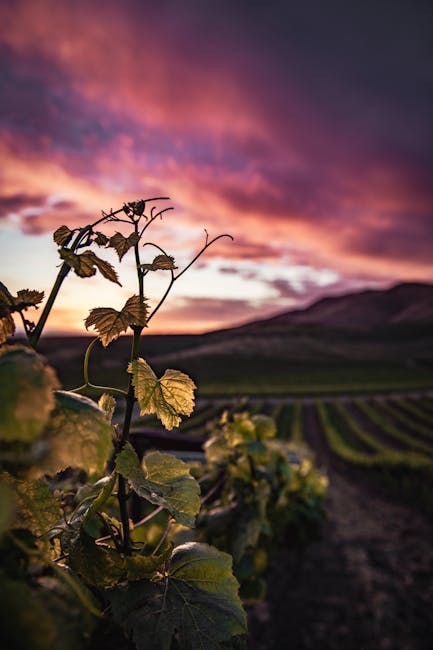
Suggested plan: from Siena, leave early to enjoy a morning in Montepulciano (tour and tasting), then lunch at a typical agriturismo (many offer set tasting menus with pairings). In the afternoon, drive along Val d’Orcia to admire Pienza and its cheeses, then return to Siena at a relaxed pace.
Practical tips: for pairings, ask the sommelier for classic combinations with pecorino di Pienza and local roasted meat dishes. In summer bring water and sun protection for outdoor tastings; in autumn mornings can be misty, giving the hills a magical atmosphere.
Practical tips for organizing your wine tour from Siena
Planning a wine tour means thinking through logistics, budget and safety. Here are concrete recommendations to optimize your trip.
- Renting a car: the most flexible option — agencies are available at Siena train station (Stazione di Siena, Viale Toselli) and Florence airport. Expect €40–60 per day depending on season. Alternatives: chauffeur-driven minivan tours (from €120–200 per day for a group) or trains/buses for some stops (less practical for isolated estates).
- Bookings: reserve winery visits 2–4 weeks ahead in high season. For well-known estates (Castello di Brolio, Avignonesi, Brunello producers), booking is often essential.
- Budget: plan €20–60 per tasting on average depending on the estate; a full day (tour, tasting, lunch) typically costs €60–120 per person. For high-end experiences (vertical tastings, gourmet lunches) budget €120–250.
- Accommodation: Siena has options for every taste: countryside relais (agriturismo) from €70–120 per night, boutique hotels in the historic center €100–250. Staying at an agriturismo among the vines is perfect for soaking up the wine-country vibe.
- Safety: don’t drive if you’ve been drinking. Arrange a driver or book private transfers for heavy tasting days. Respect local etiquette: tastings are educational moments — ask questions, but avoid overconsumption.
- Purchases: if you buy wine, ask the estate about shipping. Wineries often offer professional packing for export.
- Season: harvest runs late August to October — a magical but busy time. Spring and fall offer pleasant temperatures; winter is quieter and many visits are by appointment.
Click here to Book a private Chianti, Siena and San Gimignano minibus tour
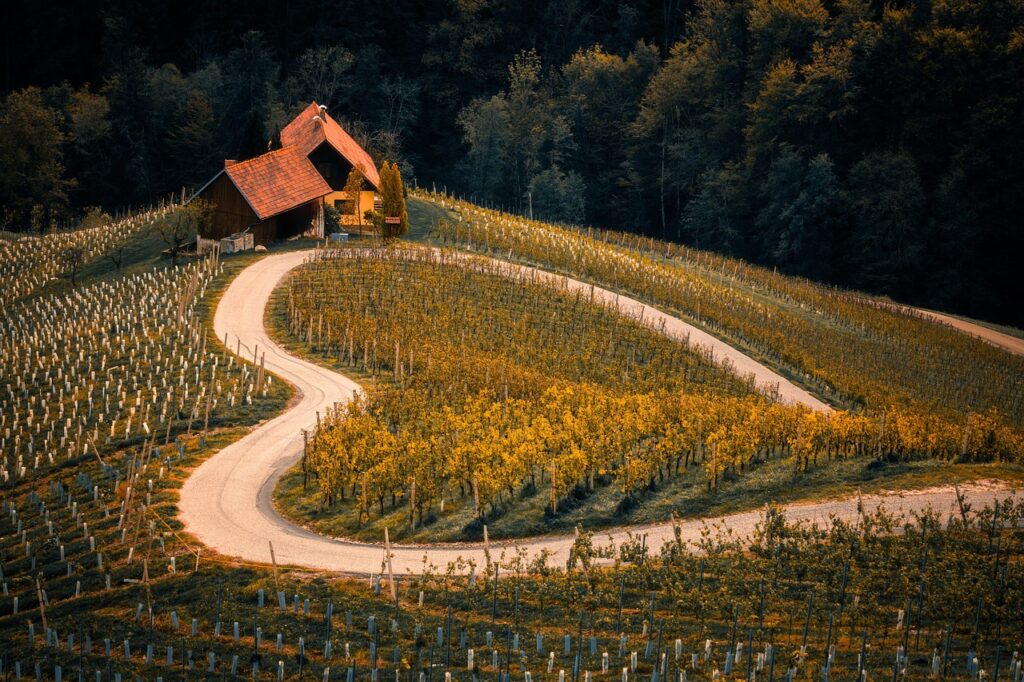
Tasting tips and useful vocabulary for your visits
To get the most from tastings, a few basics of tasting technique and some Italian vocabulary will help. Hosts appreciate genuine interest and good questions.
- Serving temperature: reds like Chianti Classico or Brunello are best around 16–18 °C, whites (Vernaccia, other local whites) at 8–12 °C. Cellars usually control temperatures, but you can ask them to let a wine warm up if it’s served too cold.
- Glassware: a tulip-shaped glass helps analyze the bouquet; fill it only one-third full. Many estates provide a small snack (bread, olive oil) to neutralize the palate between wines.
- Handy Italian phrases: « Vorrei una degustazione » (I would like a tasting), « Qual è il vitigno principale? » (What is the main grape?), « Posso acquistare queste bottiglie? » (Can I buy these bottles?). Hosts will appreciate any effort to use a few Italian words.
- Tasting notes: observe the color, smell deeply, hold the wine in your mouth for a few seconds to identify acidity, tannins, structure and finish. Ask about aging in wood (barrique vs botti) and winemaking methods (stainless steel vs open-top fermenters).
Final tip: write down the exact wine name, vintage and producer in a notebook. These details make it much easier to find the bottles you loved once you’re back home.
Additional addresses and food recommendations in Siena
Beyond the cellars, Siena is full of places to extend the tasting experience. Here are some useful spots to pair wine with traditional Tuscan cuisine.
- Osteria Le Logge — Address: Via del Porrione, 33, 53100 Siena SI. Hours: lunch and dinner, usually 12:30–14:30 and 19:30–22:30. Price range: €25–60.
- La Taverna di San Giuseppe — Address: Via Giovanni Dupre, 132, 53100 Siena SI. Hours: 12:00–14:30, 19:00–22:30. Price range: mains €12–28.
- Antica Trattoria Papei — Address: Via di Città, 13, 53100 Siena SI. Hours vary. Price range: €20–50.
- Local products: to buy olive oil, pecorino, cured meats and bottles to take home, visit « Il Mercato nel Campo » near Piazza del Campo or specialty delis such as « La Bottega del Buon Caffè » (address varies).
Practical tip: for a wine-paired dinner, ask the restaurant to recommend local bottles (Chianti Classico, Vino Nobile, Brunello) and state your budget. Local sommeliers often know of small-producer bottles not widely exported.
Click here to Book a culinary walking tour with full meal
Conclusion
A wine tour from Siena is a sensory immersion that combines landscape, history, cuisine and artisanal craft. Starting at the Enoteca Italiana and the gentle terraces of the Fortezza Medicea, then exploring Chianti Classico at Castello di Brolio, the powerful Brunellos of Montalcino and the elegant Vino Nobile of Montepulciano, you’ll cross the region’s wine diversity in a few days. Each stop offers a new take on Sangiovese — the region’s signature grape — and on winemaking approaches that create wines as varied as they are expressive.
Plan your visits, book coveted tastings ahead and prioritize safety by hiring a driver if you’ll be drinking regularly. Think about seasons: the harvest is magical but in high demand, while spring brings green scenery and pleasant temperatures for terrace tastings. And bring a travel notebook to record your discoveries — producers, vintages and tasting notes — so you can track down your favorites later.
Siena and its surroundings are compact enough for a few days’ discovery yet diverse enough that every visit can feel like a fresh revelation. Whether you’re after in-depth cellar education, refined food-and-wine pairings or the simple pleasure of a glass on a sunset terrace, this practical itinerary will help you craft your own personalized wine route. Salute and enjoy your travels through Siena’s vineyards!