





Introduction — Meet winemakers around Siena: a sensory appetiser
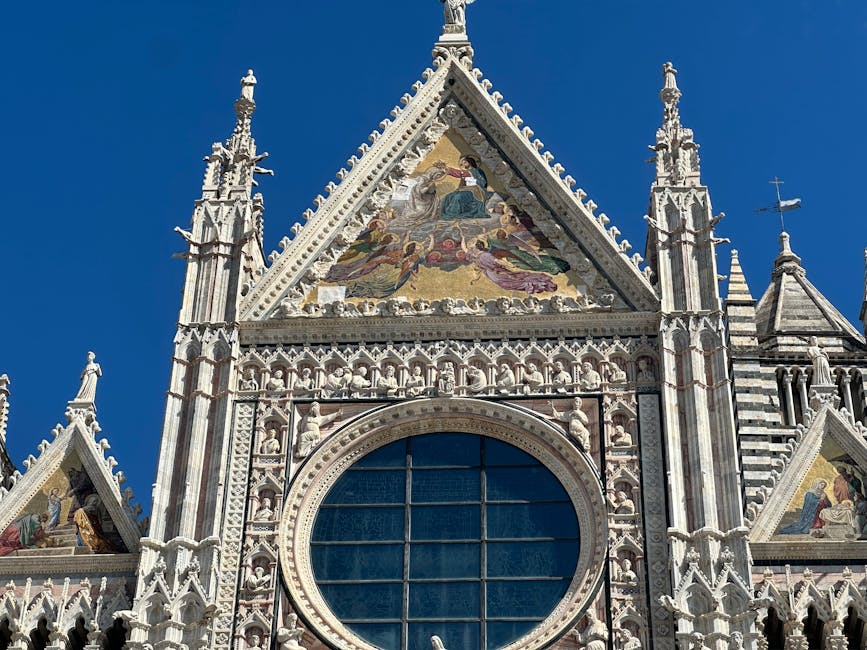
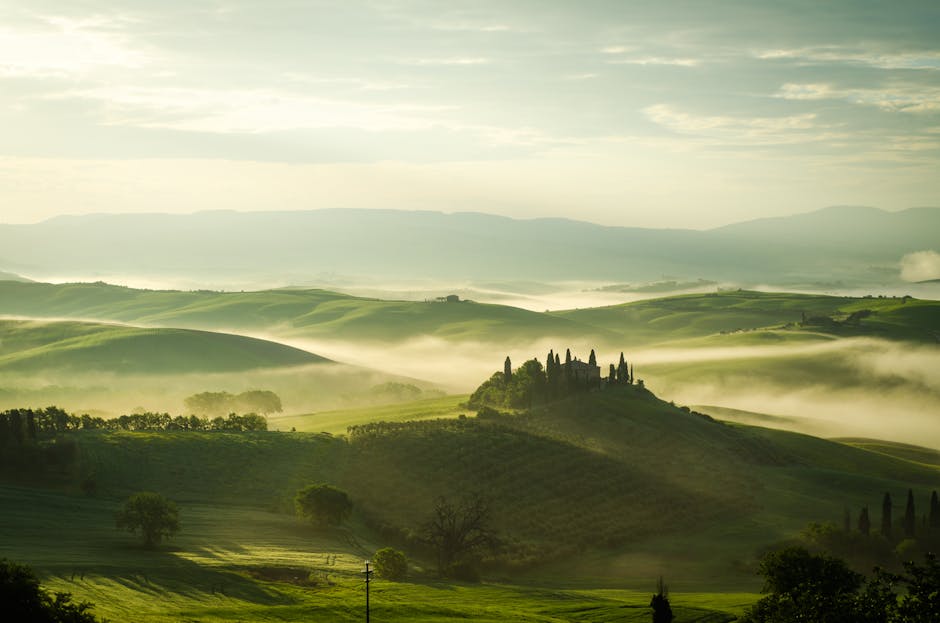
Siena, with its fan-shaped Piazza del Campo, the richly carved Duomo di Siena and its time-worn medieval lanes, is the beating heart of Tuscany. Yet just a few kilometres outside the city, rolling hills and rows of cypress trees create a stage where the craft of winemaking reaches near-sacred intensity. The winemakers around Siena blend centuries-old traditions, native grape varieties and a contemporary sensibility, offering visitors not only outstanding bottles but also stories, landscapes and unforgettable human encounters.
Meeting winemakers around Siena means exploring several iconic sub-regions: the Chianti Classico triangle between Gaiole, Radda and Castellina, the volcanic soils around Montepulciano and Pienza, and the clay-rich plateaus of Montalcino — home to the legendary Brunello. Each area has its own flavour profile and wineries that open their cellars to pour wines that express the soil, the climate and the hands that tend the vines. Visits range from simple shop tastings to private vineyard walks, harvest workshops and food-and-wine pairings in historic cellars.
This guide points you to winemakers to meet around Siena: concrete addresses, opening hours, indicative tasting prices, immersive descriptions and practical tips to plan your visits. You’ll find estates reachable by car from Siena station (Piazza del Mercato) or on half-day trips, plus more confidential producers who require advance booking. The suggestions span well-known estates that handle many visitors to small biodynamic farms where the welcome is family-style and the experience intimate.
Before you go, keep a few simple rules in mind: always book your tasting, especially in high season (May to September); arrange safe transport if you plan to taste — taxi, private driver or nearby accommodation; wear suitable shoes if you want to walk in the vineyards; and bring a list of wines you liked so you can buy them on site or note them for later. Above all, leave time to soak in the scenery: sunsets over the Siena hills are almost a tasting in themselves.
Chianti Classico — Encounters in the historic hills (Gaiole, Radda, Castellina)
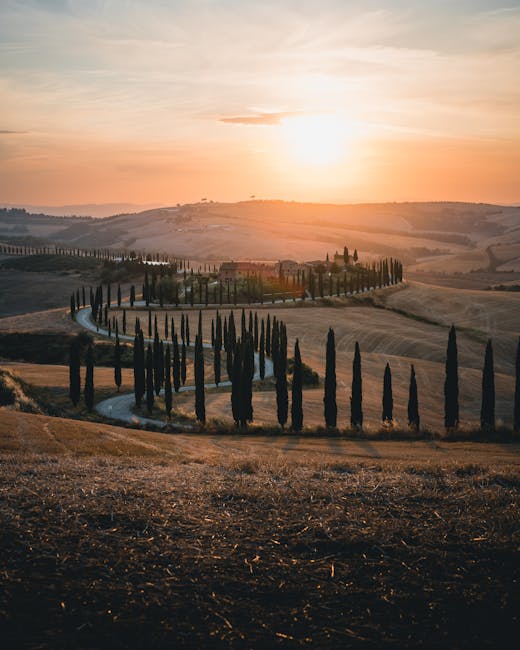
The Gaiole-Radda-Castellina triangle forms the heart of Chianti Classico. Here vines cling to steep slopes, separated by dry-stone walls and dotted with olive trees. Several estates welcome visitors warmly, offering structured tastings, tours of medieval cellars and walks through their classified crus. You’ll find both long-established houses and small family-run producers for whom every cuvée is a labour of love.
Castello di Brolio (Località Brolio, 53013 Gaiole in Chianti, SI) is a must-see: the castle is the historic seat of the Ricasoli family, regarded as one of the cornerstones of Chianti Classico. Generally open daily from 9:00 to 18:00, the estate runs several visit options: castle and garden tours, cellar visits with tastings of Chianti Classico Riserva. Indicative prices: standard guided tours with tasting from €15 per person; a full castle and cellar visit €25–35 depending on the formula. The experience often includes a stroll among medieval remains and a spectacular panorama over the vineyards.
 Click here to book a Chianti and castles tour with wine tastings
Click here to book a Chianti tour with lunch
Another prestigious stop is Castello di Ama (Località Ama, 53013 Gaiole in Chianti, SI). This estate is renowned for marrying contemporary art with winemaking — installations punctuate the vineyards and the cellar. Visits are by reservation, typically from 10:00 to 17:30; tastings start at around €20 per person for a selection of three wines, rising to €50 for a vertical tasting or food pairing. Art and wine lovers will appreciate the blend, and tours are usually led by very knowledgeable guides who can speak to the terroir and sustainable viticulture practices.
For a more intimate encounter, head to Fattoria San Giovanni (Via di San Giovanni 12, 53017 Radda in Chianti, SI — address indicative), a family-run estate offering cellar tours and vineyard walks. Typical hours: 9:30–13:00 and 14:30–18:00; tastings range from €12 to €30 depending on the number of wines and whether a meal is included. Hosts are happy to share harvest anecdotes, manual picking traditions and the little secrets behind blending Sangiovese.
Practical tips for Chianti Classico: arrive early to beat the summer heat and catch the nicest light for photos; bring a GPS or detailed map — country roads can be winding; always announce your visit in advance; and try to pair an estate visit with a stop at a local osteria (for example Trattoria La Casetta in Radda) where a plate of pici alle briciole goes perfectly with Chianti Classico.
Click here to book a Chianti and castles tour with tastings
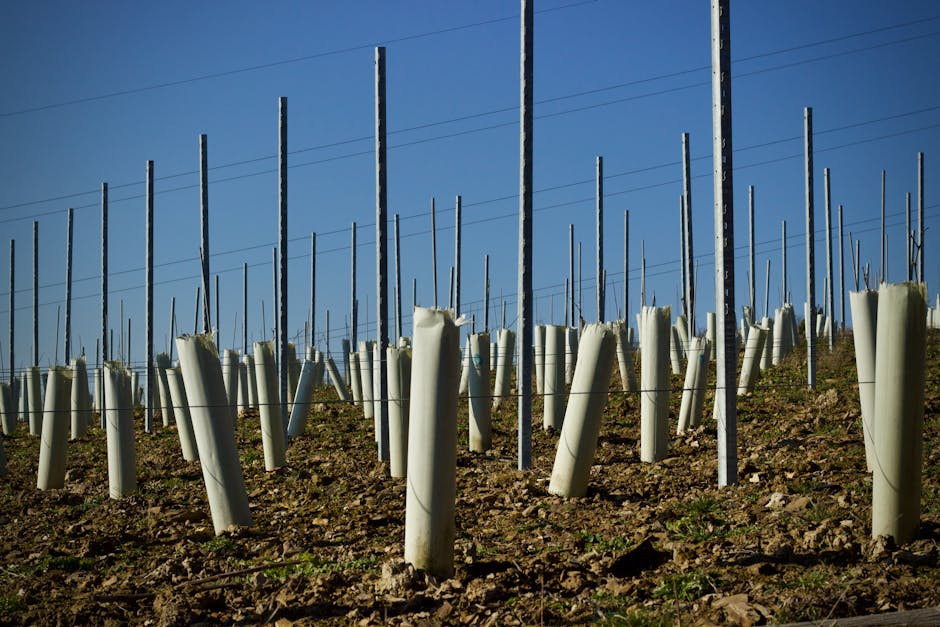
Montalcino and Brunello — The land of powerful, patient wines
About forty kilometres south of Siena sits Montalcino, dominated by its medieval fortress, the Fortezza di Montalcino (Piazza della Fortzza, 53024 Montalcino SI). The area is world-famous for Brunello di Montalcino, a Sangiovese-based wine that often requires years of ageing to reach its peak. Montalcino estates tend to offer longer, more technical tastings — expect conversations about yeast strains, oak barrels, ageing times and acidity management.
Castello Banfi (Località Poggio alle Mura, 53024 Montalcino SI) is an emblematic estate notable for both its production and hospitality. The complex includes a modern cellar, a museum, a restaurant and a shop. Opening hours: cellar and shop generally 9:00–18:30 (guided tours by reservation). Prices: standard tastings from €25; VIP visits and gastronomic pairings range from €55 to €120 depending on the wines and dishes. Banfi also offers lunch experiences at Osteria Banfi dedicated to pairings.
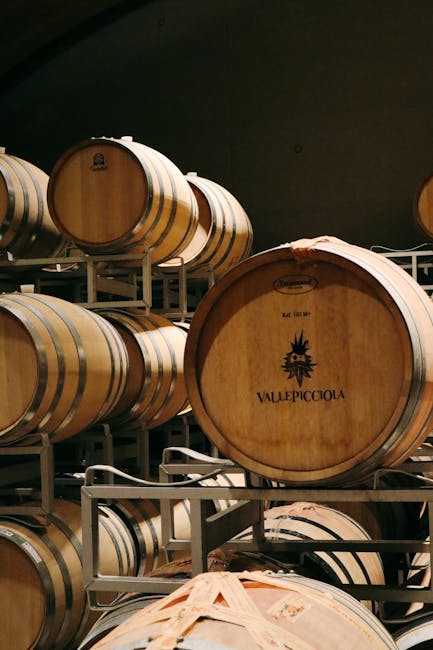
Fattoria dei Barbi (Via Uccio Salimbeni 8, 53024 Montalcino SI) is one of the historic producers in the area. Typical hours: guided tours and tastings by reservation between 10:00 and 17:00; tasting prices from around €20 for a selection of three wines. The atmosphere is that of a traditional Tuscan farm, with a vaulted stone cellar and deep explanations about vintages. A walk among rows of Sangiovese on clay-limestone soils reveals why some wines here achieve such concentration and outstanding ageing potential.
Tips for Montalcino: book well in advance, especially for rare Brunello tastings or older vintages; if driving, respect limits on narrow roads and aim for morning slots for the best photos; always ask if the estate offers tasting flights that include both Brunello and Rosso di Montalcino so you can compare different expressions of the same land. Also, combine your visit with a trip to the Fortezza di Montalcino (usually open 9:00–19:00) for sweeping views over the surrounding vineyards.
Click here to book a Brunello wine tour with lunch
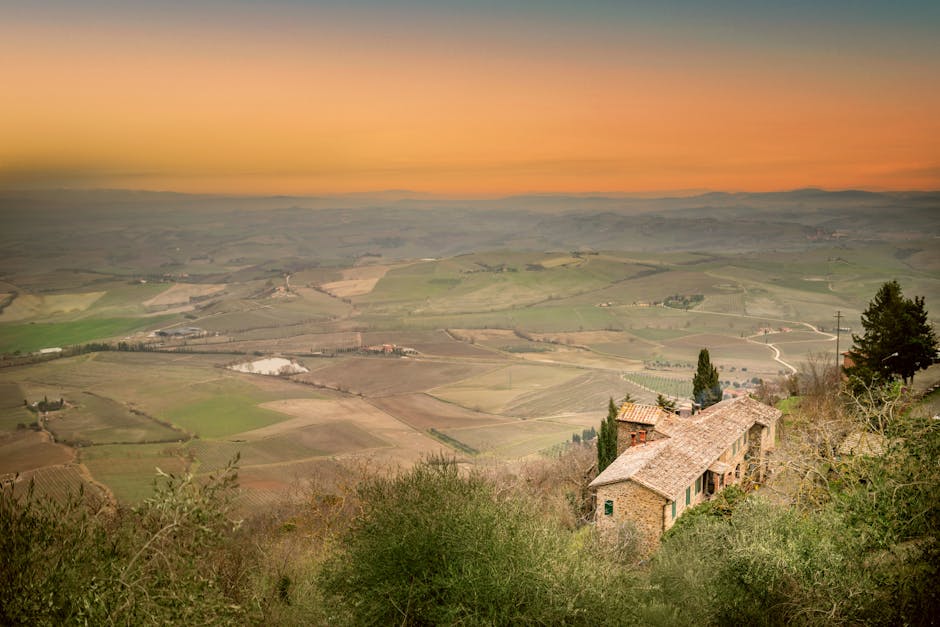
Montepulciano and Val d’Orcia — Winemakers of volcanic terroir and the table
Southeast of Siena, Montepulciano and the Val d’Orcia show another side of Tuscan wine: rounder, sometimes warmer styles, and producers who blend peasant traditions with modern oenology. Montepulciano is famed for Vino Nobile di Montepulciano, made mostly from Sangiovese (locally called Prugnolo Gentile). Here, small family cellars sit alongside more organised estates, and many places emphasise food pairings with local charcuterie, pecorino and homemade pasta.
Avignonesi (Località Cervognano, 53045 Montepulciano SI) is noted for its biodynamic practices and wines of marked freshness. Address: Via Bagnolo 4, 53045 Montepulciano (check exact details before visiting). Typical hours: visits and tastings by reservation, 10:00–17:00. Prices: tastings from around €20 for a three-wine selection; fuller experiences with pairings and vineyard tours from €45–90.
Click here to book a gastronomic experience in Montepulciano
Click here to book a Pienza and Montepulciano day trip
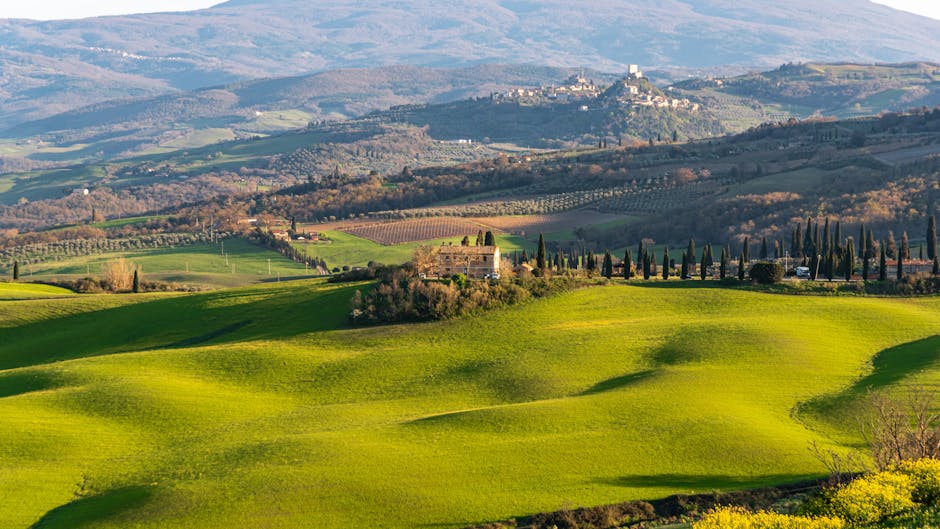
Tenuta Valdipiatta (Località Valdipiatta, 53045 Montepulciano SI — address indicative for contact) is an example of an estate offering a visit that combines vineyards, cellar and a farmhouse lunch. Tastings typically range from €15 to €40, and tours often include a walk through vines grown on volcanic soils, explaining the minerality sometimes found in the wines. Montepulciano is also an ideal starting point for exploring Pienza (Piazza Pio II, 53026 Pienza SI), the pecorino capital: pairing a tasting with a local cheese board is a great idea.
Practical tips for Montepulciano and the Val d’Orcia: bring comfortable shoes for cobbled streets and vineyard tracks; book a lunch at a local osteria (for example Osteria Acquacheta, Via del Teatro 12/A, 53045 Montepulciano — often busy) to try regional pairings; ask if the estate sells half-bottles or samples if you want to bring home several references without overloading your luggage. In summer, favour early morning or late afternoon visits to avoid the heat and enjoy the golden light on the hills.
Practical tips, logistics and tasting etiquette for visiting winemakers around Siena
Meeting winemakers requires a bit of practical prep. Here’s a full guide to make your visits around Siena smooth and memorable. Booking: most estates require a reservation, especially in high season (May–September) and during harvest (September–October). Contact wineries at least 48–72 hours in advance; for very popular places (Castello Banfi, Castello di Brolio, Castello di Ama) it’s wise to book a week or more ahead if you want a detailed guided tour or lunch.
Transport: Siena is well connected by road, but public transport to many estates can be limited. Renting a car is convenient; otherwise book a local driver or join an organised tour. Driving after tasting is dangerous and illegal — plan for a private driver (rough rate: €80–150 for a half-day depending on distance) or use local taxi services.
Click here to book a Tuscany day trip with a private driver
Budget: simple tastings usually cost between €10 and €25; for longer experiences, food pairings or older vintages expect €40 to €120 per person. Buying directly at the winery can be good value: some limited editions are not always exported, which can make a purchase worthwhile if you love a wine.
- Opening hours : most cellars open between 9:00 and 10:00 and close between 17:00 and 18:30. Some offer evening slots by appointment.
- Language : staff will often speak only Italian; large estates usually offer tours in English. If you don’t speak Italian, mention this when booking.
- Dress : go for comfortable but tidy clothing. Closed shoes are recommended for cellar and vineyard visits.
- Purchases and shipping : ask if the estate ships internationally; if you’re flying, check secure packaging — some wineries offer a packing service for travel.
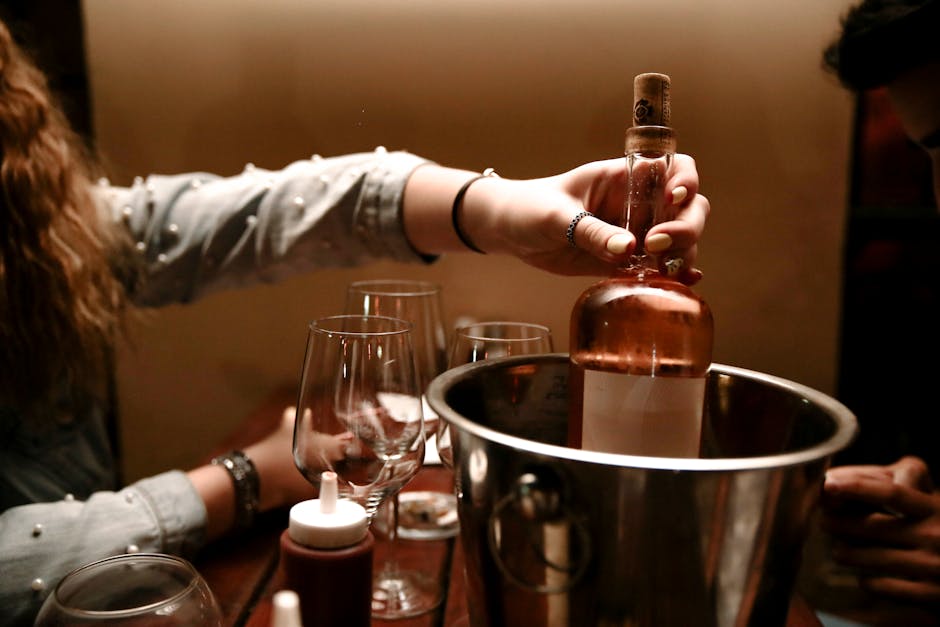
Tasting etiquette: arrive on time, don’t rush and ask questions — winemakers love to explain their choices. If you’d rather not drink too much, use the spit bucket provided or say so — it’s perfectly acceptable. Be prepared to pay by card or cash — many wineries accept cards, but at small family farms it’s wise to carry some cash.
Finally, respect the property: don’t pick grapes without permission, don’t walk through grassy plots without a guide and follow safety instructions. Encounters with winemakers are often travel highlights: they deepen your understanding of wine, let you buy unique bottles and create lasting memories. Keep a tasting notebook or use an app to record your discoveries so you can find your favourites again when you get home.
Conclusion — Why meeting winemakers around Siena is worth the journey
Siena is more than a captivating open-air museum; it’s a gateway to some of Italy’s most expressive wine landscapes. When you meet winemakers around Siena you don’t just collect labels — you meet stories: families who have tended the same terraces for generations, winemakers experimenting with innovative ageing, agronomists adapting biodynamic practices to local soils. Each estate, from Castello di Brolio to Castello Banfi and the small farms of Montepulciano and the Val d’Orcia, tells a different chapter of the Tuscan wine story — one of passion for land and grape.
These visits offer a full sensory immersion: the sight of cypress-lined hills, the smell of earth after rain, the sound of clusters brushed during harvest, and above all the aromatic diversity of wines that reflect vintages, exposure and human choices. The practical details provided here — addresses, indicative hours, price ranges and logistical tips — are meant to help you build a smooth and enjoyable itinerary. But beyond coordinates, the true value is relational: take time to talk, ask questions, listen to anecdotes and, when it feels right, buy a bottle straight from the producer.
To get the most out of these encounters, mix established estates with small family-run properties, book in advance, arrange safe transport and follow your curiosity. The vineyards around Siena are doable as day trips or as part of a multi-day stay, with gastronomic stops in Pienza, strolls in Montepulciano and sunsets in Montalcino. Remember that Tuscany changes with the seasons: spring’s vigour, summer’s warmth, autumn’s harvest buzz and winter’s quiet all give a different flavour to your meetings with winemakers.
In short, meeting winemakers around Siena deepens your wine knowledge and enriches your trip with human and scenic moments. Whether you’re a curious newcomer or a seasoned enthusiast, these estates will welcome you with genuine Tuscan hospitality and a raised glass to conviviality: cheers — alla salute — and enjoy your oenological journey.
Click here to book a vineyard visit with tasting and lunch