





INTRODUCTION
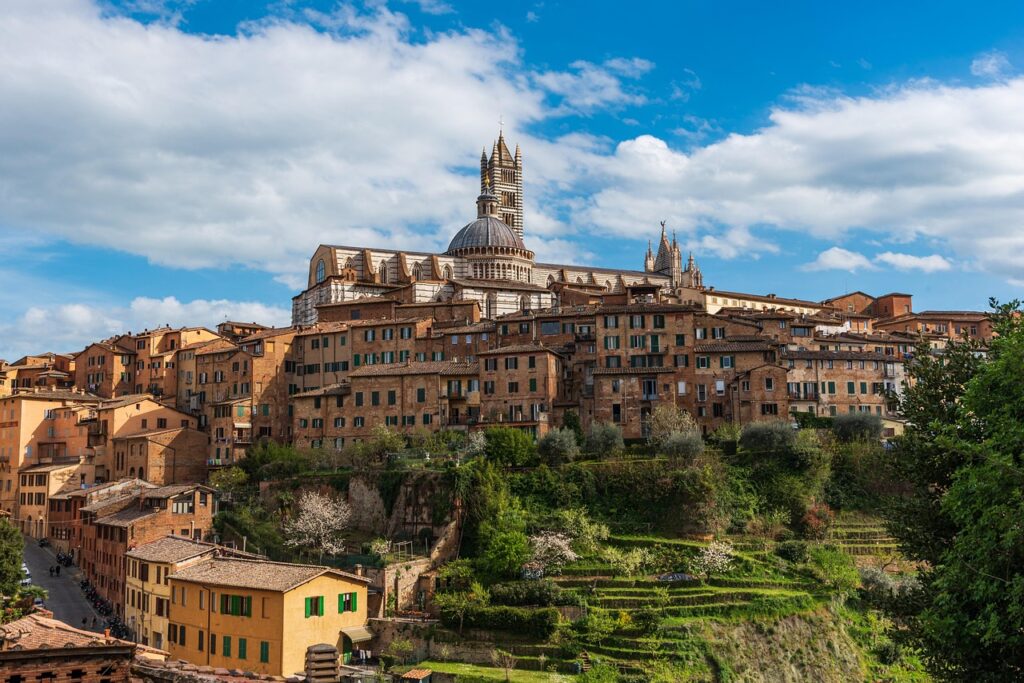
Siena, tucked into the rolling Chianti hills of Tuscany, is a city where time seems to move a little slower. In just one morning you can soak up its medieval soul: centuries-polished cobblestones, warm red-brick façades bathed in golden light, and the electric energy of the Piazza del Campo — the civic heart and stage of the famed Palio. This one-morning walk packs the essentials and a few local secrets so you can experience Siena more like a resident than a rushed tourist. The route is designed for the freshness of early hours, when the air is crisp, cappuccini steam in cups, and the city shows its best colors.
Starting early comes with practical and sensory perks: fewer tourists for cleaner photos, shorter lines at major sites, and the chance to enjoy an Italian breakfast on a sunny terrace. Morning light also brings out architectural details — sculptures, marble inlays and frescoes — in a way harsh midday sun doesn’t. The itinerary below includes stops at Siena Cathedral (Duomo di Siena), Piazza del Campo and the Torre del Mangia, the Museo Civico (Palazzo Pubblico), and Santa Maria della Scala. I’ve added practical tips: exact addresses, opening hours, ticket prices in euros, and local tricks to save time and enjoy the city more.
You’ll be guided step by step: where to get the best coffee, how to plan visits to skip queues, which viewpoints to prioritize for memorable panoramas, and what artisanal souvenir to bring home. This walk is intended on foot — Siena is best discovered slowly, between winding lanes and expansive piazzas. Distances are short and the city’s layout — built on three hills — means a few climbs, but that very topography delivers spectacular vistas. Each stop in this guide includes an immersive description, the exact address, indicative entrance fee in euros, current opening hours and practical local tips.
Whether you have a whole day or just a long morning, this route is aimed at curious travelers who want to blend history, art, food and photography. Pack comfortable shoes, a light jacket for the morning chill, and an offline map or GPS app: some stretches, while short, are twisty and street names change fast. Without further ado, follow the thread of this Siena morning walk and soak up the Tuscan city’s beauty with a modern traveler’s logistics in mind.
Starting early comes with practical and sensory perks: fewer tourists for cleaner photos, shorter lines at major sites, and the chance to enjoy an Italian breakfast on a sunny terrace. Morning light also brings out architectural details — sculptures, marble inlays and frescoes — in a way harsh midday sun doesn’t. The itinerary below includes stops at Siena Cathedral (Duomo di Siena), Piazza del Campo and the Torre del Mangia, the Museo Civico (Palazzo Pubblico), and Santa Maria della Scala. I’ve added practical tips: exact addresses, opening hours, ticket prices in euros, and local tricks to save time and enjoy the city more.
Start at Dawn: Piazza del Campo and a Local Coffee
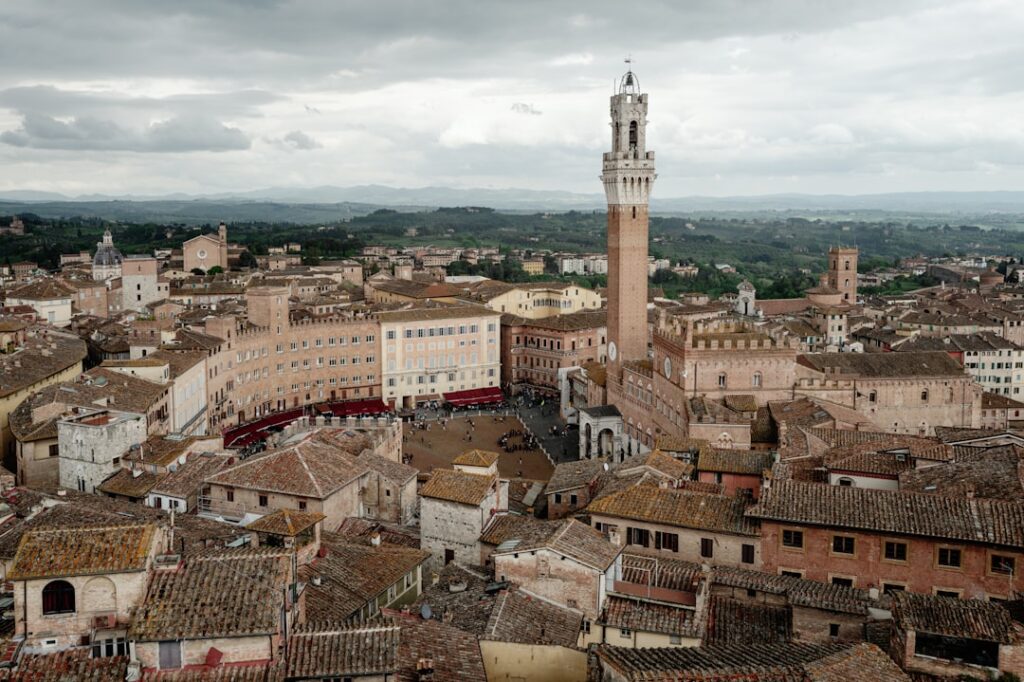
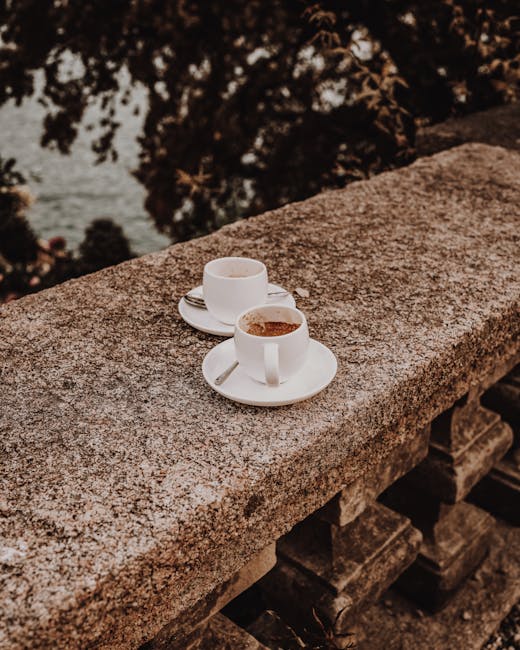
Begin your morning in Siena’s beating heart, the Piazza del Campo, one of Italy’s most remarkable medieval squares. Address: Piazza del Campo, 53100 Siena SI, Italy. The shell-shaped square, lined with Gothic palaces and dominated by the Torre del Mangia, has a different feel at sunrise: the stone is still cool, vendors haven’t set up their stalls, and the square breathes. It’s the perfect moment for breakfast. My tip: head to one of the cafés near the Fonte Gaia, for example Bar Pasticceria Nannini (Via Banchi di Sopra, 159, 53100 Siena SI) — a solid choice for a classic cappuccino and a cornetto. Indicative prices: cappuccino ~€1.80–2.50; cornetto ~€1.20–2.00. Cafés typically open around 07:00–08:00 depending on the season; check locally if you arrive very early.
 Click here to book a guided walking tour of Siena
Click here to book a guided walking tour of Siena
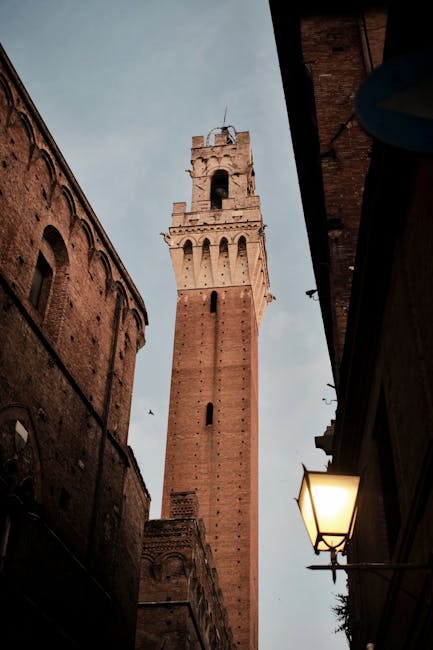
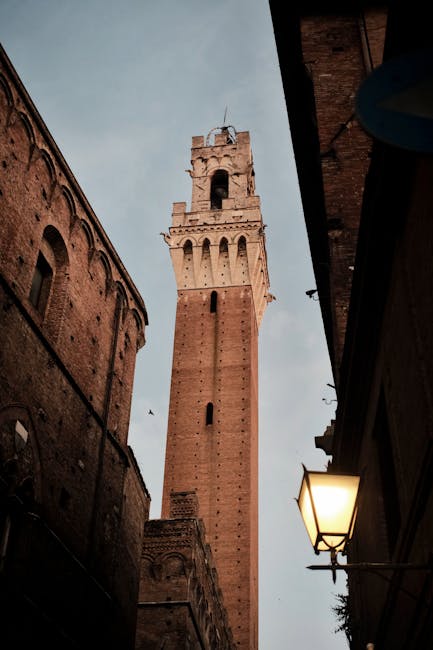
The atmosphere here is calm — a good moment to plan the rest of your visit while watching the silhouette of the Palazzo Pubblico and the Torre del Mangia. If you prefer something more intimate, hunt for a local pastry shop on the side streets like Via Banchi di Sopra. Local tip: order at the counter (al banco) to pay less; sitting on the terrace can add €0.50–1.50 to the price. Before you leave, check out the Fonte Gaia, the restored monumental fountain on the north side of the square — it catches the morning light beautifully for photos.
Visit the Duomo: Duomo di Siena and the Museo dell’Opera
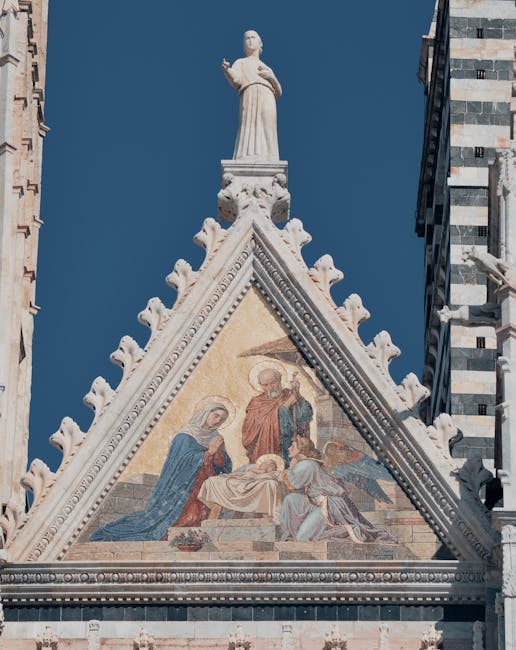
From Piazza del Campo, walk to the Piazza del Duomo (about 10 minutes on foot, moderate uphill). Duomo address: Piazza del Duomo, 8, 53100 Siena SI, Italy. The Duomo di Siena (Cathedral of Santa Maria Assunta) is a Romanesque-Gothic masterpiece with an impressive white-and-green marble façade. Typical opening hours: 10:00–19:00 (may vary with seasons and religious services). Entrance fee: combined Duomo Complex ticket (Cathedral, Baptistery, Museo dell’Opera, Biblioteca Piccolomini) about €8–€15 depending on options and discounts. Buy tickets in advance if possible, especially in high season, to avoid lines.
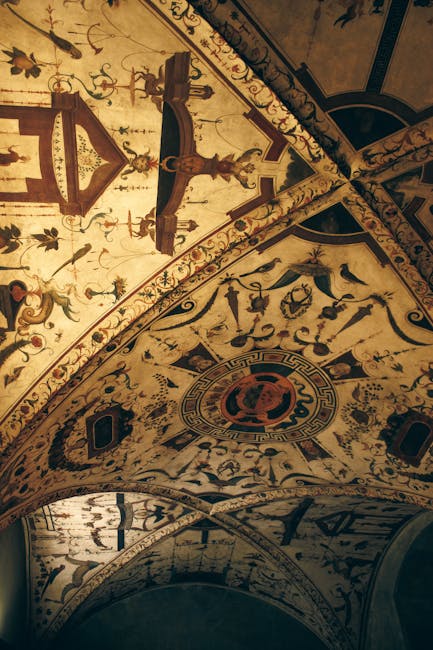
Inside, take time to admire the inlaid marble floor panels, carved over centuries by master sculptors, and the ornate pulpit by Nicola Pisano. The adjacent Baptistery of San Giovanni contains stunning enamels and sculptures. The Museo dell’Opera del Duomo (Cathedral Museum) houses original works, including Duccio’s Maestà and medieval sculptures moved for conservation. Museo dell’Opera address: Piazza del Duomo, 9, 53100 Siena SI. Indicative Museo dell’Opera solo price: ~€5–€8; combined with the Duomo: see the combined ticket.
Practical tips: dress modestly for the Duomo — shoulders and knees should be covered, especially during services. On mass days some areas may be closed. Allow at least 60–90 minutes for the Duomo and Museo. Use the audio guide or a small guidebook available at the entrance to understand the frescoes and symbols: in Siena civic rivalry and devotion are often intertwined, and the artworks tell both civic and religious stories.
Click here to buy your ticket to Siena Cathedral and Piccolomini Library
Click here to buy your ticket to Siena Cathedral
Palazzo Pubblico and Torre del Mangia: Frescoes and Panorama
Head back down to Piazza del Campo to visit the Palazzo Pubblico and the Torre del Mangia, which stand side by side. Palazzo Pubblico / Museo Civico address: Piazza del Campo, 1, 53100 Siena SI, Italy. Usual hours: 10:00–19:00; check seasonal times. Museo Civico entrance fee: ~€7–€10. The Torre del Mangia, reached by a narrow stairwell, offers a unique panorama over Siena’s rooftops and the Tuscan countryside. Torre del Mangia address: Piazza del Campo, 1, 53100 Siena SI. Torre access price: roughly €8–€12 (often combined with Museo Civico).
Inside the Palazzo Pubblico, the frescoes of the Sala del Mappamondo and Simone Martini’s famous Maestà are must-sees. The blend of civic messaging and religious imagery is clear: the municipality used art to assert authority. The climb up the Torre del Mangia (102 m) requires some effort — expect narrow stairs — but the payoff is an unbeatable panoramic view over Piazza del Campo and the Chianti hills. Tip: if you’re prone to vertigo pick a calm day and ascend slowly; the view is worth it.
Practical tips: buy the combined Museo Civico + Torre ticket to save. Peak times are late morning; to avoid crowds, do the Torre right after the Duomo or wait for an early afternoon window. For photography: morning light highlights the Palazzo façade and casts long shadows across the square — perfect for graphic compositions.
Click here to book a Siena tour with panoramic views
Inside the Palazzo Pubblico, the frescoes of the Sala del Mappamondo and Simone Martini’s famous Maestà are must-sees. The blend of civic messaging and religious imagery is clear: the municipality used art to assert authority. The climb up the Torre del Mangia (102 m) requires some effort — expect narrow stairs — but the payoff is an unbeatable panoramic view over Piazza del Campo and the Chianti hills. Tip: if you’re prone to vertigo pick a calm day and ascend slowly; the view is worth it.
Practical tips: buy the combined Museo Civico + Torre ticket to save. Peak times are late morning; to avoid crowds, do the Torre right after the Duomo or wait for an early afternoon window. For photography: morning light highlights the Palazzo façade and casts long shadows across the square — perfect for graphic compositions.
Santa Maria della Scala and the Medieval Lanes: History and Discoveries
A stone’s throw from the Duomo is Santa Maria della Scala, a former medieval hospital now turned museum and cultural center. Address: Piazza del Duomo, 2, 53100 Siena SI, Italy. Hours: generally 10:00–19:00; fees: around €8–€12, often included in combined tickets with the Duomo. Santa Maria della Scala is fascinating for its chapels, painted hospital rooms and gallery views over the Piazza del Duomo. You can really feel how everyday life played out for Sienese people through the centuries.
After visiting, deliberately get lost in the medieval lanes winding between Via di Città and Via Banchi di Sopra. These streets are full of small craft shops, gourmet delis offering local products (olive oil, Chianti wines, cantucci) and bakeries. Look for leather workshops and hand-painted ceramics: many artisans are happy to show their techniques. Shopping tip: haggling isn’t the norm in northern Italy, but you can sometimes negotiate a small discount on handcrafted items if there are flaws or if you buy multiple pieces.
For a tasty break, try artisanal gelato at one of the gelaterie near Piazza del Campo or grab a panino from a local deli. Early lunch budget: panino €4–8; gelato €2–4. If you have time, wander up Via di Pantaneto for a different view of façades and tucked-away squares. These lanes offer fresh angles for photographers — think old wooden doors, wrought-iron signs and neighborhood cats lounging in the sun.
Click here to book a private walking tour of Siena’s highlights and hidden gems
Practical Tips and Morning Logistics
A well-organized morning in Siena takes a bit of planning. Here are practical local tips to get the most from your route:
- Transport: the main station is Siena Stazione (Piazzale Rosselli), about a 20–25 minute walk to the historic center. Public buses (autolinee Tiemme) and taxis are available. If you arrive by car, use peripheral parking like Parcheggio Il Campo (via Dupré) or Parcheggio Santa Caterina, then walk into town — the historic center is a ZTL (restricted traffic zone).
- Tickets: buy combined Duomo/Museum/Tower tickets online to skip queues. Religious services can close parts of the Duomo; check the mass schedule on the official Cattedrale di Siena website.
- Comfort & gear: wear comfortable shoes suitable for cobbles. Bring a water bottle: public fountains exist but can be discreet.
- Money: credit cards are widely accepted, but having small euro notes for cafés and tiny shops is handy.
- Safety: Siena is generally safe, but as everywhere, keep an eye on belongings in tourist areas.
- Timing: opening hours are indicative and can change by season or holiday; consult official sites or ask the tourist office (Ufficio Informazioni e Accoglienza Turistica, Piazza del Campo, 1).
Finally, respect sacred sites and conservation rules: don’t touch artworks and limit flash photography indoors. Keep a travel notebook or an app handy to jot down street names and monuments you see — it will enrich your personal story of the morning and make it easier to find favorite spots later.
Alternative Route: Panorama from the Fortezza Medicea and the Local Market
If you have extra time after visiting the main sights, head up to the Fortezza Medicea and its public garden for a peaceful panoramic break — a contrast between the fortress’s defensive architecture and the softness of the gardens. Fortezza Medicea address: Largo Rinuccini, 53100 Siena SI, Italy. Park hours: generally open from morning until sunset; park access is free, though some cultural installations inside may charge a small fee (temporary exhibitions €3–€6).
Click here to discover the Chianti and its castles with tastings
Click here to discover the Chianti and its castles with tastings
Just outside the historic core, depending on the day of the week you might stumble on a local market offering cheeses, cured meats and regional products — perfect for assembling a picnic to enjoy in the Fortezza gardens. If you plan to buy fresh produce, ask vendors about origins and the best ways to enjoy their products; local producers love sharing tips and quick recipes (for example: pecorino with local honey).
This alternative route is a great way to round off an active morning: it combines panorama, relaxation and local gastronomy. If your train or flight is later in the day, leave room in your bag for a few edible souvenirs.
CONCLUSION
In one morning Siena reveals itself as rich, layered and deeply medieval. This one-day route capitalizes on the cool of the morning to offer a smooth, visually powerful discovery: Piazza del Campo at dawn, the Duomo di Siena with its marbles and the Museo dell’Opera, the climb up Torre del Mangia for a breathtaking panorama, the historical depth of Santa Maria della Scala and the charming backstreets. Exact addresses (Piazza del Campo, Piazza del Duomo and Piazza del Campo 1 for the Palazzo Pubblico) and practical notes on hours and prices make logistics easier and let you plan your visit by season and pace.
In practice, favor combined tickets to save time and money; arrive early for crowd-free photos; enjoy coffee at the counter for authenticity and value; and don’t forget to look up: Siena hides carved details, frescoes and viewpoints that reward patient observers. The city lends itself to slow discovery, punctuated by tasty stops and moments of contemplation. If you have more time, extend your stay to explore the surrounding Chianti hills for vineyards and landscapes that perfectly complement an urban visit.
Finally, remember that Siena is a city of living traditions: if you’re lucky enough to be there during the Palio (two main dates: July 2 and August 16), the atmosphere will be entirely different — festive and intense. But even outside those dates, the city offers historical and sensory richness that makes a full morning well worth it. Whether you come for art, architecture, food or photography, this morning walk will give you a memorable first immersion into Siena’s soul.