





Introduction: why a day in Siena is worth it
Siena is one of Tuscany’s best-preserved and most atmospheric medieval cities. Perched on three hills, it’s a maze of narrow alleys, grand piazzas and history-laden monuments where the stone itself tells stories of rivalry, faith and art. A one-day walk through the historic centre, a UNESCO World Heritage site, lets you capture the essentials: the medieval spirit turned into a lived-in open-air museum, where around every corner you might find a Gothic façade, a forgotten fresco or a breathtaking view over the Tuscan countryside.
This guide lays out a compact but thorough itinerary designed for someone who arrives in the morning and leaves late afternoon: from the highlights of the Piazza del Campo and the summit of the Torre del Mangia, to the solemn hush of the Cattedrale di Santa Maria Assunta (Duomo di Siena) and the treasures in the Museo dell’Opera Metropolitana and Santa Maria della Scala. Each stop includes exact addresses, practical info (typical opening times, indicative prices in euros) and local tips—for instance how to skip queues, where to grab an authentic coffee, or the best angle for a memorable photo.
A day in Siena means balancing art discoveries with delicious Tuscan food. The timing in this itinerary is realistic: allow 60–90 minutes for the Duomo and its complex, 40–60 minutes for the Museo Civico and the Torre del Mangia, and 45–60 minutes for Santa Maria della Scala. Hours and prices change with seasonality and temporary exhibits; I give reliable indications here and tips on how to check live information (official sites, local ticket offices, useful phone numbers).
Finally, visit Siena with your senses: listen to the murmur of conversations on the Piazza del Campo, breathe in the coffee aroma, feel the warm stone of the Palio walls under your hand—and respect the local pace. This guide doesn’t push a frantic schedule but an immersive stroll that favours meaningful encounters and a better understanding of the heritage. Whether you’re a photographer, an art lover or a curious traveller, this day will leave you with strong images and practical tips for a longer return.
Piazza del Campo and Palazzo Pubblico: Siena’s civic heart
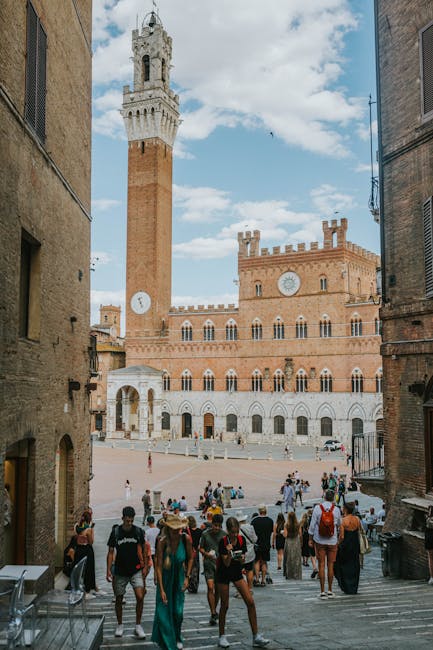
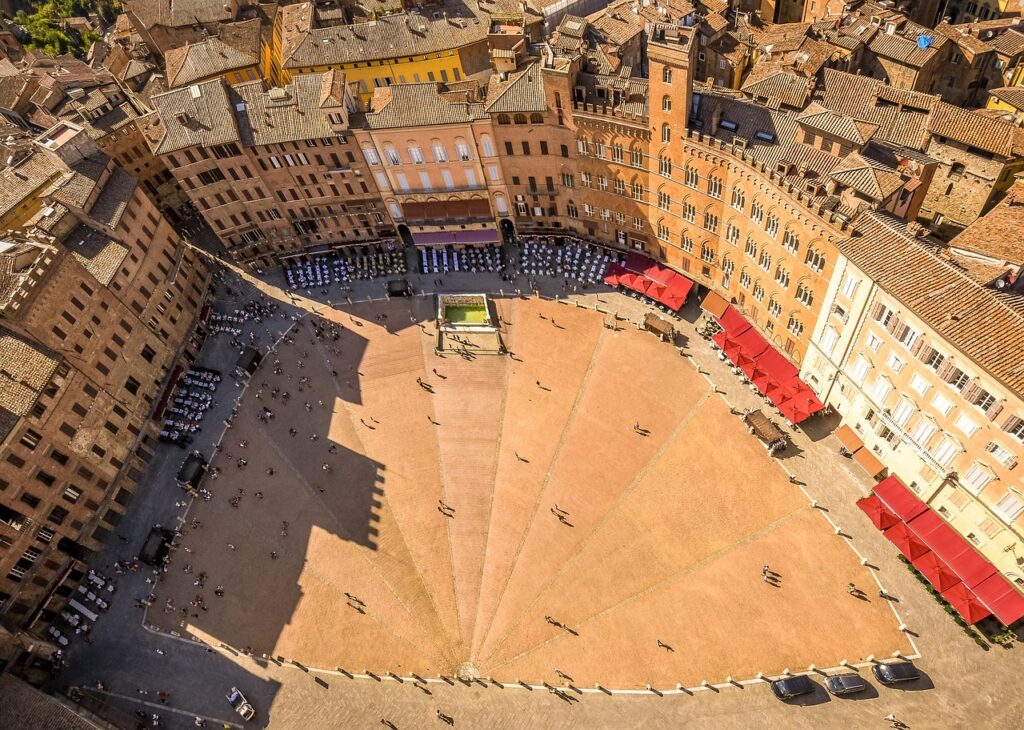
The Piazza del Campo is Siena’s iconic square, famous for its shell shape and radiating brick paving. Located at Piazza del Campo, 53100 Siena SI, Italy, it hosts the famous Palio di Siena, the horse race held twice a year (July 2 and August 16). The square breathes civic history: historic cafés, loggias and Gothic façades frame a public space where medieval civic life still seems to pulse.
At the centre stands the Palazzo Pubblico, the historic seat of the communal authorities, accessible from Piazza del Campo, 1, 53100 Siena SI. The building houses the Museo Civico, essential for anyone who wants to understand Siena’s civic identity through famous frescoes like Simone Martini’s Maestà and Ambrogio Lorenzetti’s Allegoria del Buon Governo.
Practical info: the Museo Civico (Palazzo Pubblico) is generally open from 10:00 to 19:00, with variations outside high season; indicative price: around €10 for full admission. To avoid queues, arrive early in the morning or book online if an option is available. Allow at least 60 minutes to appreciate the frescoes and the theatrical layout of the rooms. Access to Palazzo Pubblico and the Museo Civico involves stairs and sometimes tight rooms: strollers and large bags can be awkward.
Local tip: sit on the steps around the square for a coffee at Bar Centrale (or a similar café) and watch the choreography of locals and visitors. If you’re visiting in July or August, check the Palio calendar—closures or access restrictions can affect your visit. If weather permits, start your ascent at the base of the Torre del Mangia from Piazza del Campo: it’s convenient for time management and gives nice photo opportunities around the square.
Practical info: the Museo Civico (Palazzo Pubblico) is generally open from 10:00 to 19:00, with variations outside high season; indicative price: around €10 for full admission. To avoid queues, arrive early in the morning or book online if an option is available. Allow at least 60 minutes to appreciate the frescoes and the theatrical layout of the rooms. Access to Palazzo Pubblico and the Museo Civico involves stairs and sometimes tight rooms: strollers and large bags can be awkward.
Photography tips: for the best light, aim for late afternoon for warm colours, or early morning for a softer atmosphere. Security sometimes limits the number of people at the summit: if you want a shot without crowds, wait a few minutes for the flow to drop. In strong wind the height can feel more exposed—keep your camera on a strap.
 Click here to book a guided walking tour of the Duomo
Torre del Mangia: climb and views over Tuscany
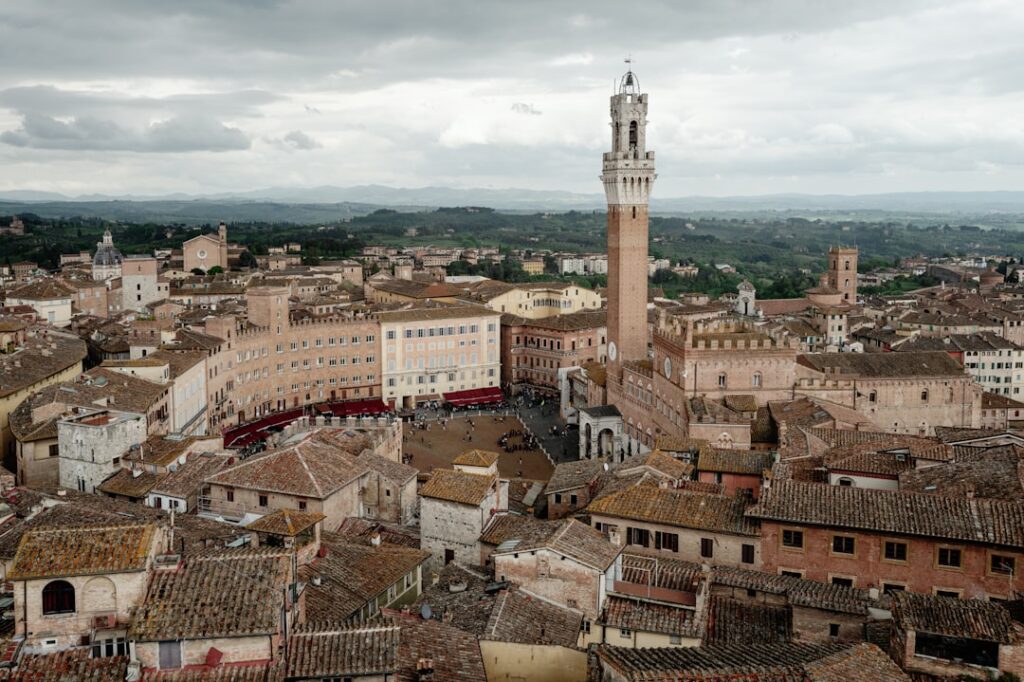
The Torre del Mangia is the civic tower that dominates the Piazza del Campo. The official address is the same as Palazzo Pubblico: Piazza del Campo, 1, 53100 Siena SI. Standing 102 metres tall, it offers one of the most spectacular panoramas over Siena’s rooftops and the Tuscan hills beyond. The climb, via a narrow and sometimes steep staircase, is physical but visually extremely rewarding.
Practical: access to the Torre del Mangia is often handled through the Museo Civico ticket office (or a dedicated ticket desk). Hours vary by season; in high season the tower is usually open from 10:00 to 19:00, with last admission 30 minutes before closing. Indicative price: €10 for the climb (sometimes included in a combined Museo Civico ticket). The ascent is not recommended for people with reduced mobility or very young children; there is no elevator.
Immersive description: start your climb through the rooms of Palazzo Pubblico where the air is cool and frescoes accompany you. The stone steps echo underfoot. Halfway up, the view already starts to open: red roofs, bell towers, the curves of the Piazza del Campo and, in the distance, the blue silhouette of Tuscan hills. At the top, the limited, windy space invites you to pause: turn slowly, breathe and let your eyes follow dirt tracks, vineyards and winding country lanes.
Photography tips: for the best light, aim for late afternoon for warm colours, or early morning for a softer atmosphere. Security sometimes limits the number of people at the summit: if you want a shot without crowds, wait a few minutes for the flow to drop. In strong wind the height can feel more exposed—keep your camera on a strap.
Click here to book a 3-hour private walking tour of Siena
Duomo di Siena and the Piazza del Duomo complex: art and spirituality
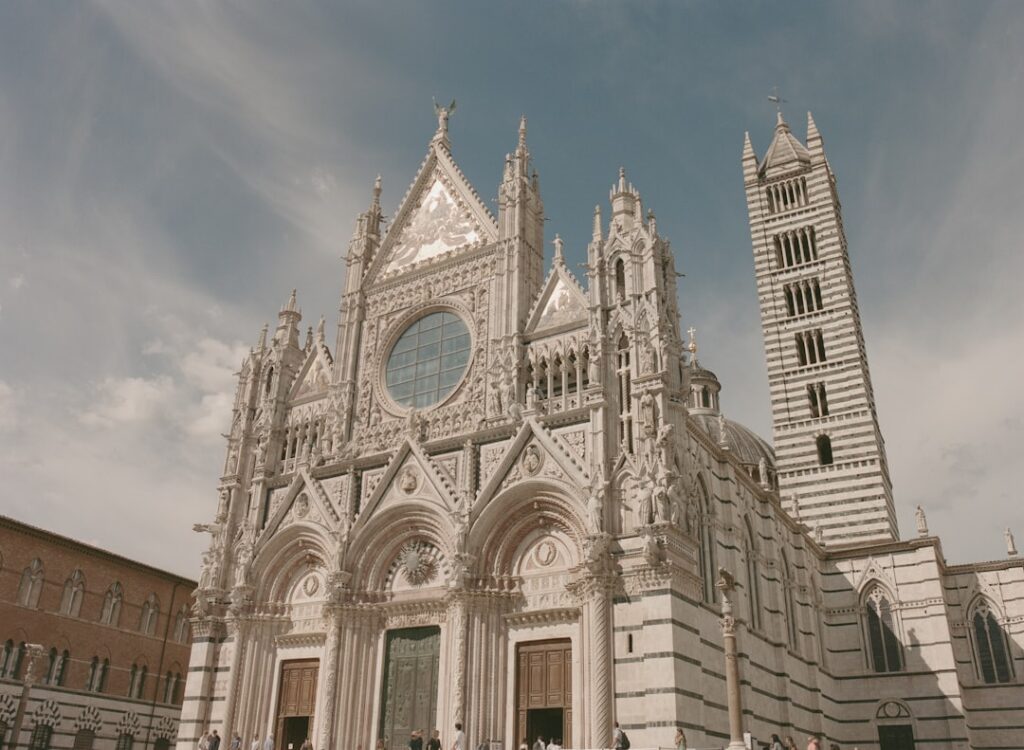
The Cattedrale di Santa Maria Assunta (Duomo di Siena) is located at Piazza del Duomo, 8, 53100 Siena SI. This Gothic masterpiece combines polychrome marbles, mosaics, sculptures and rich iconography: the exterior façade is a collage of stones, statues and bas-reliefs, while the interior features inlaid marble floors, decorated chapels and works by masters such as Donatello, Nicola Pisano and Pinturicchio.
The Duomo is part of a museum complex: the Museo dell’Opera Metropolitana, the Battistero di San Giovanni (Baptistery) and the Museo dell’Opera together give a full picture of the artistic history. Common address for the complex: Piazza del Duomo, 8, 53100 Siena SI. A combined ticket for the complex (Duomo, Museo dell’Opera, Baptistery, Facciatone – if accessible) typically ranges between €12 and €18, depending on inclusions and temporary exhibitions. Indicative hours: 10:00–19:00 (high season), with early closures on some days and times reserved for mass—check the service schedule.
Immersive description: crossing the threshold of the Duomo is like stepping into a jewel box of light filtered through ancient stained glass. The inlaid marble floors tell biblical scenes in stone; bend down and take your time to study the carved details of sarcophagi and floor panels—some reveal their secrets only when you crouch close. The Baptistery within the complex contains baptismal fonts and finely carved reliefs that mark the stylistic transition from Romanesque to Gothic.
Practical tips: the Duomo is an active place of worship—respect silence and dress code (shoulders and knees covered). Mass times limit access to some areas; check in advance. Art lovers will benefit from a guided visit to the Museo dell’Opera Metropolitana to appreciate the works in context. If your time is tight, prioritise the Duomo’s pavement and the crypt, then do a quick visit to the Museo dell’Opera.
Click here to purchase your ticket for Siena Cathedral
Santa Maria della Scala and Basilica di San Domenico: medieval hospitals and devotion
The Santa Maria della Scala complex, at Piazza del Duomo, 2, 53100 Siena SI, is a former medieval hospital turned museum centre. It provides a unique view into daily life and charitable practices in Siena across the centuries. Inside you’ll find frescoes, preserved hospital rooms and temporary exhibitions exploring social and artistic themes.
Practical info: admission to Santa Maria della Scala is generally around €8–€12, with usual opening hours from 10:00 to 18:00 (season dependent). Exhibitions change frequently: check the official site for major installations that may extend visit times. Allow 45 to 90 minutes for an in-depth visit.
Nearby, the Basilica di San Domenico (address: Piazza San Domenico, 3, 53100 Siena SI) is an important place of devotion for Sienese people. It preserves the relic of Saint Catherine of Siena’s head, and its chapels contain sober, powerful Gothic works. The church, while less ornate than the Duomo, offers a contemplative atmosphere and interesting views on Dominican architectural forms.
Immersive description: wandering through Santa Maria della Scala takes you from dim archive rooms to bright restored spaces, feeling the layered histories of care and compassion. The chapels at San Domenico, with their pared-back walls, invite silence and reflection. When you step outside, pause on Piazza San Domenico to admire the view over the lower town and spot rooftops where the light shifts quickly in the afternoon.
Local tips: Santa Maria della Scala often offers multilingual audio guides; it can be worth the cost if you want quick historical context. At San Domenico, guided visits are sometimes run by local volunteers—ask at the entrance. Souvenir shops around these sites sell reasonable reproductions of artworks; opt for local publishers for quality books and postcards.
Practical tips to make the most of a day in Siena
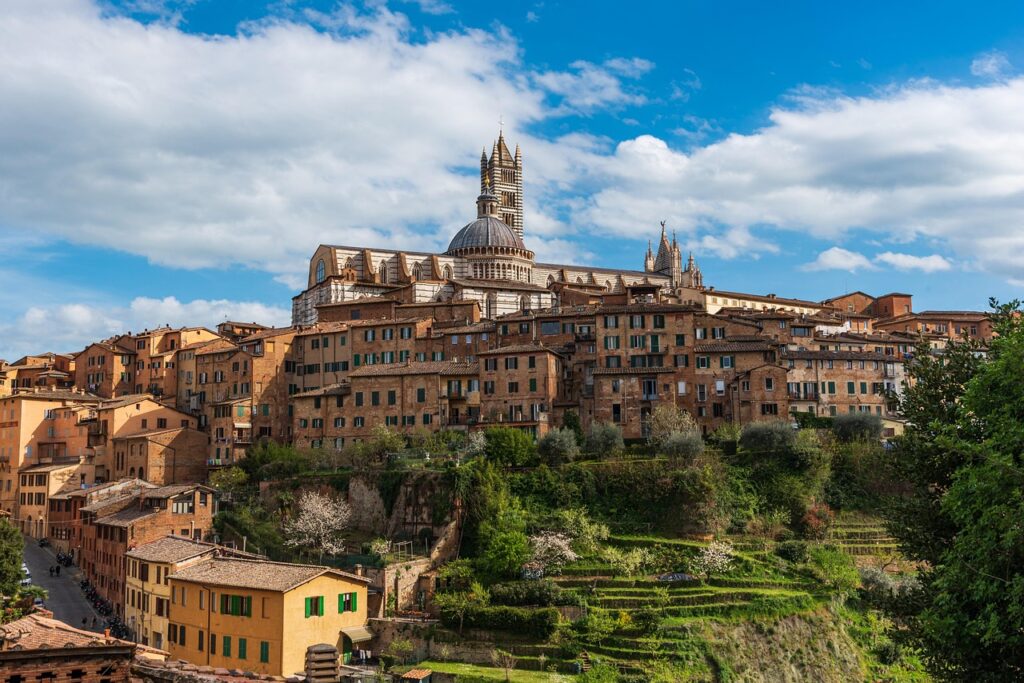
Planning a day in Siena means balancing visits, breaks and walking. The historic centre is compact but hilly: expect to climb and descend cobbled streets. Here are local tips to save time and enjoy your stroll.
- Arrival: if you come by train, Siena station (Piazza Amendola) is about a 15–20 minute walk to the historic centre. A shuttle or taxi is handy if you’re travelling with heavy luggage.
- Tickets: for the Duomo and Museo dell’Opera, buy a combined ticket online if possible, especially in high season. It helps avoid long lines and gives you better control of your schedule.
- Shoes: choose comfortable, grippy footwear: the cobbles and sloping streets can be slippery, especially after rain.
- Meals: for lunch, avoid restaurants right on Piazza del Campo if you’re after authenticity and fair prices; wind up a few alleys towards a Contrada neighbourhood to find local trattorie. A typical dish to try: pici all’aglione (local pasta) or a seasonal game dish.
- Time: allow at least 6 to 8 hours to see the monuments described without rushing; if you want to visit all museums in detail, plan an extra day or two.
- Safety and conduct: Siena is generally safe, but pickpockets exist as in any tourist city. Keep valuables close and avoid very quiet areas at night.
Finally, always leave some wiggle room in your schedule: an unexpected coffee in a small piazza, a gripping temporary exhibition or a sunset view can turn a well-planned day into a memorable experience.
Click here to book a day trip to Siena and San Gimignano
Conclusion: take away the essentials of Siena
A well-prepared day in Siena lets you touch the medieval soul of Tuscany: the Piazza del Campo and its Palazzo Pubblico tell the civic story; the Torre del Mangia rewards the climb with panoramic views; the Duomo and its museums reveal artistic and spiritual wealth; Santa Maria della Scala and the Basilica di San Domenico speak of care and devotion. With precise addresses (Piazza del Campo, 53100 Siena SI; Piazza del Duomo, 8, 53100 Siena SI; Piazza San Domenico, 3, 53100 Siena SI) and practical references like indicative opening times and prices (Torre del Mangia ≈ €10, Museo Civico ≈ €10, Duomo/Opera ≈ €12–€18, Santa Maria della Scala ≈ €8–€12), you can plan an efficient visit.
Click here to purchase the Siena cathedral complex pass online
Remember that opening times and prices change with season and temporary shows: before you leave, check the official monument websites or online ticketing for confirmation. To save time, buy combined tickets and arrive early to enjoy soft light and quieter spaces. And above all, leave space for the unexpected—an inviting alley, a craftsman’s shop or a sunlit terrace can become the best memory of your day.
Siena is discovered as much with patience as with the eyes: take time to read plaques, study the pavements, listen to local guides and, most importantly, taste the food. Follow this route and these tips and you’ll leave not just with photos and notes, but with a tangible sense of life in a medieval republic that has kept its identity through the centuries.