





Introduction
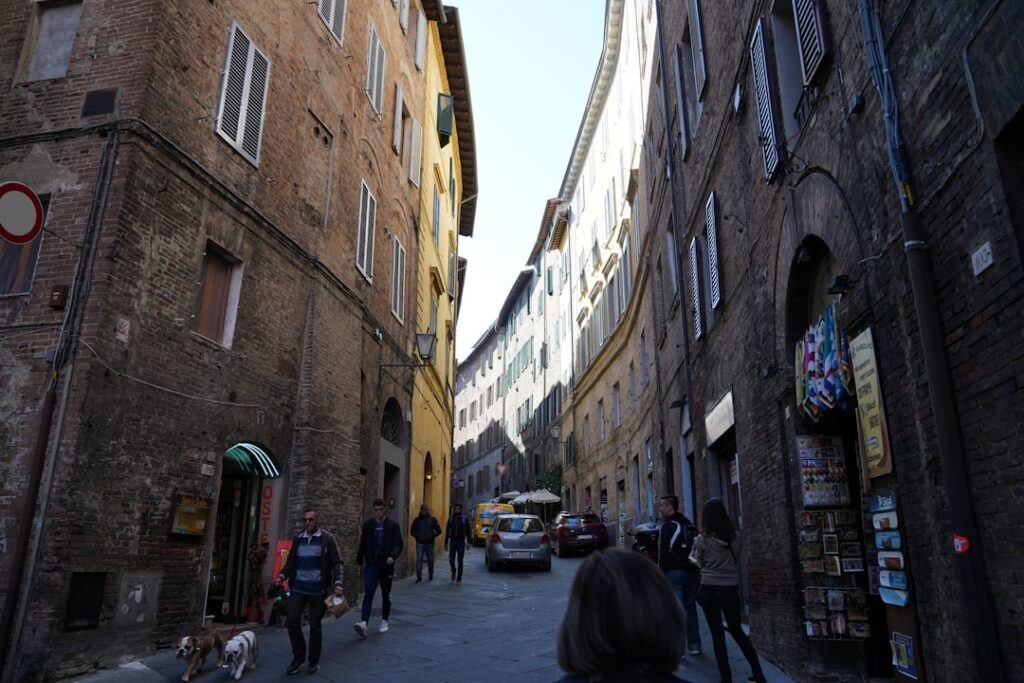
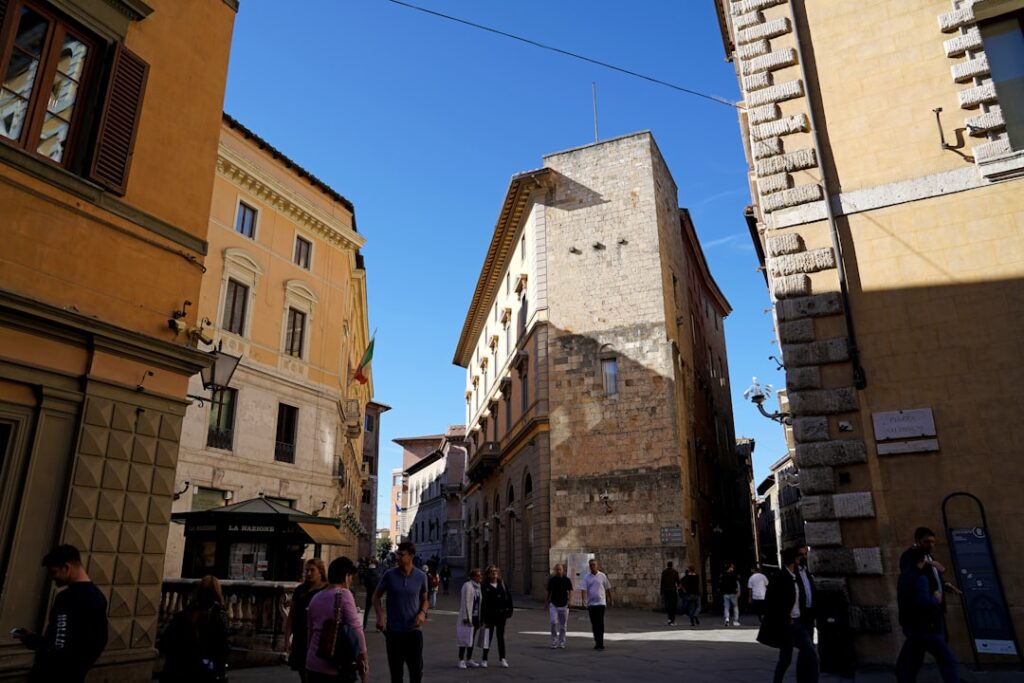
Siena, perched across three hills in the heart of Tuscany, is famed for its maze of medieval lanes, the sloping Piazza del Campo and the black-and-white striped cathedral, the Duomo di Siena. That romantic postcard image of cobbles, steps and steep slopes can make the city seem off-limits to people with reduced mobility, parents with strollers or travelers with specific needs. This guide aims to flip that idea: Siena can be explored inclusively if you plan ahead with clear information, adapted routes and local resources. We’ll cover main access points, detail the accessibility of key monuments, suggest wheelchair- and stroller-friendly alley routes, and offer tips on accommodation and services to make your stay relaxed.
The goal here isn’t just to list technical data (exact addresses, opening times and prices) but to recreate the sensory experience of Siena for everyone: feeling the warm air on Piazza del Campo, taking in the carved facade of the Cattedrale di Santa Maria Assunta, grabbing a panino at the market and hearing the beat of a local procession. Each description is written to help you picture the scene and anticipate potential challenges so you can fully enjoy it. We’ll include typical opening hours and prices in euros for don’t-miss sites and note when combined tickets or discounts are available for people with disabilities or their companions.
Finally, you’ll find practical local advice: best times to avoid crowds, routes that favor gentler slopes and more even paving, locations of accessible restrooms, and transport options (nearby bus stops, parking with disabled spaces, local taxis). The embedded images will help you visualize places and prepare your camera or mobility device. Whether it’s your first visit or you’re coming back to deliberately lose yourself in the lanes, this guide will help turn Siena into a truly accessible city.
Getting to Siena and Finding Your Way: Addresses, Accessible Parking and Transport
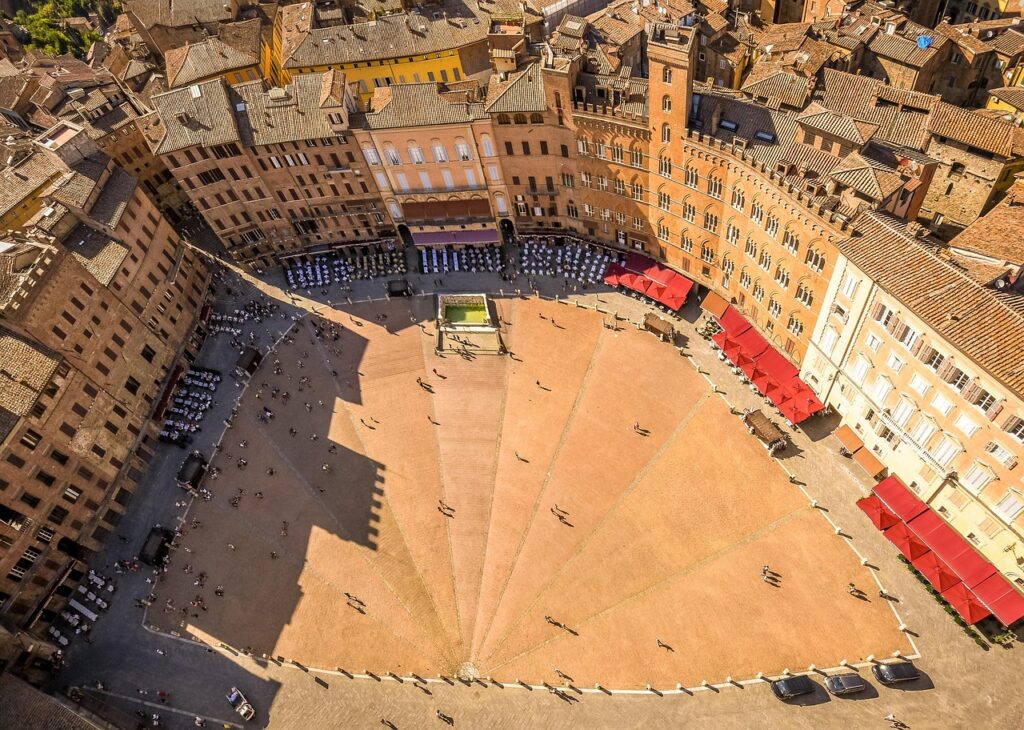
Getting to Siena takes a bit of planning, but once you’re there most public services offer accessibility solutions. The main historic-city entrances to aim for are Porta Camollia (Piazzale Giuseppe Garibaldi, 53100 Siena) or Porta Romana (Via Roma, 53100 Siena) — both spots make it easier to find parking and wider sidewalks. The tourist heart of the city centers on the Piazza del Campo (Piazza del Campo, 53100 Siena), a handy address to orient yourself and mark your arrival.
Parking with disabled spaces:
- Parcheggio Il Campo (Via del Porrione, 20, 53100 Siena) – an underground car park close to Piazza del Campo. Typical rates: €2.00–3.50 / hour, day rates €15–20. Disabled spaces available; check at the entrance.
- Parcheggio Santa Caterina (Via di Pantaneto, 58, 53100 Siena) – large lot with access to the northern lanes. Rates: €1.50–3.00 / hour, with disabled spaces.
- Parcheggio Fortezza (Viale Vittorio Emanuele II, 53100 Siena) – useful for visitors arriving from the north; occasional shuttles to the historic center in high season. Rates may vary.
Transport and orientation:
- Siena railway station: Stazione di Siena, Piazzale Rosselli, 53100 Siena. Regional trains arrive here; taxis and municipal buses serve the historic center (AMT lines). The station has an elevator and ramps.
- City buses: main stops near Piazza del Campo offer wide boarding areas. Buses are generally equipped with low floors or a manual ramp.
- Taxis: taxi ranks are located near Piazza del Campo and the station. Book ahead for wheelchair-accessible vehicles.
Practical tips:
- Arrive early in the morning (8:00–10:00) to enjoy quieter streets and less slippery paving.
- If you use an electric wheelchair, plan charging stops: some hotels and the Pro Loco Siena tourist information point can help you locate power outlets.
- Ask parking staff about temporary ramps: for some access points to Piazza del Campo, solutions for disabled access are arranged during events like the Palio.
 Click here to book a half-day Siena trip
Accessibility at Major Sights: Duomo, Museo dell’Opera and Palazzo Pubblico
Siena is full of must-see monuments with very different accessibility levels. Below are practical details to plan your visits: addresses, typical opening hours, entry prices and descriptions of available accessible features.
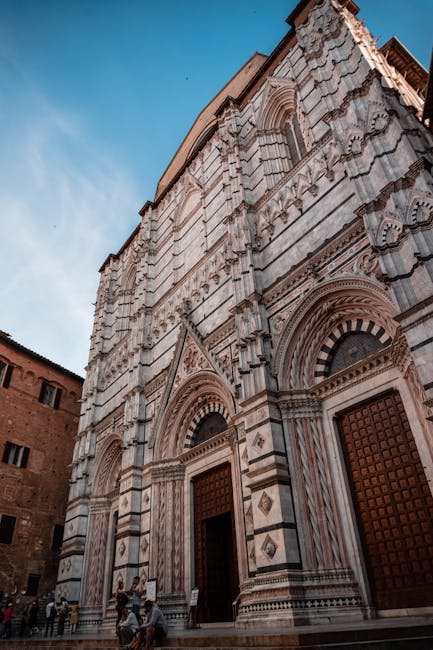
Cattedrale di Santa Maria Assunta (Duomo di Siena)
- Address: Piazza del Duomo, 8, 53100 Siena
- Typical opening hours: 10:00–19:00 (seasonal variations; occasional closures for religious services)
- Prices: Duomo & Cathedral Complex ticket about €15.00 (full price). Reductions often available for seniors and students; free or reduced entry for companions of visitors with reduced mobility may be granted on presentation of documentation (policies vary).
The Duomo has an accessible entrance via a ramp at the rear of the main facade; ramps and elevators connect some areas of the complex such as the Museo dell’Opera del Duomo. Polished marble floors can be slippery when wet — wear grippy or non-slip shoes. Audio guides are available and can often be provided in formats adapted for hearing-impaired visitors.
Museo dell’Opera del Duomo
- Address: Piazza del Duomo, 8, 53100 Siena (same complex)
- Hours: 10:00–18:00 (check the official site for current times)
- Indicative price: €8.00–10.00 (single entry), combined Duomo + museum tickets around €16.00
The Museo dell’Opera is partially accessible: elevators and wide passages allow most wheelchairs access to the main galleries. Staff can provide adapted guided visits — book ahead. Fragile works are displayed at varying heights and some sections include braille panels.
Palazzo Pubblico and Museo Civico
- Address: Piazza del Campo, 1, 53100 Siena
- Hours: Museo Civico 10:00–19:00 (seasonal)
- Prices: around €7.00–10.00 for Museo Civico
Palazzo Pubblico houses the Museo Civico and offers access to the ground floor and some rooms via temporary ramps. The Torre del Mangia, however, is not accessible to wheelchair users due to 400+ steps; the museum provides visual alternatives and explanatory panels at accessible levels.
Click here to book your Siena Cathedral ticket
Accessible Alley Routes: Gentle Paths, Viewpoints and Wheelchair-Friendly Cafés
Exploring Siena’s lanes is the heart of the visit, but choosing the right routes matters. Below are a few adapted itineraries with descriptions, exact addresses, highlights and tips to dodge obstacles.
Route 1 — Duomo to Piazza del Campo (scenic route, moderate slope)
- Start point: Cattedrale di Santa Maria Assunta, Piazza del Duomo, 8
- Route: Head down Via del Capitano (wide sidewalk, even cobbles), turn onto Via San Pietro, cross Piazza San Giovanni (level access) then continue along Via del Capitano toward Piazza del Campo.
- Stops: Museo dell’Opera del Duomo (elevator), cafes on Via del Capitano with accessible terraces.
- Tip: avoid peak hours (11:30–14:30); there are plenty of benches for regular rests.
This route offers gentle slopes and long stretches where the cobbles are laid evenly, making it easier to wheel or push. It ends at the famous Piazza del Campo, where sections around the square are designated for disabled access.
Click here to book a guided walking tour of Siena
Route 2 — Contrada district and old city walls (historic, flat)
- Start point: Archivio di Stato di Siena, Via Roma, 56, 53100 Siena (use the accessible entrance)
- Route: Follow Via Roma to Porta Romana, then continue along the walls on Viale Cavour (wide and nearly level).
- Highlights: frescoes visible from the street, artisan workshops and local-product shops with step-free entrances.
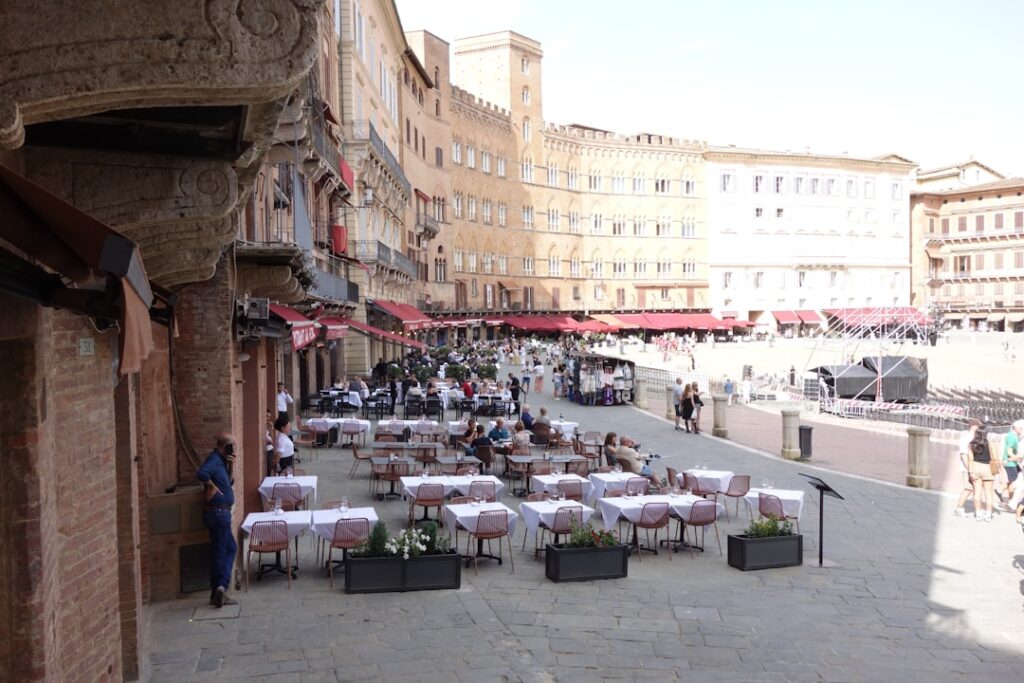
- Tip: dine at an osteria with an accessible terrace — ask for a curbside table.
Click here to enjoy a wine tasting with cheese and charcuterie
Accessible Services and Accommodation: Where to Stay and Who to Contact
Choosing accessible lodging makes a huge difference. Many hotels and B&Bs in and around the historic center provide adapted rooms, wide elevators and accessible showers. Below are typical services and tips for booking.
Hotels and useful addresses:
- Hotel Athena (Viale Vittorio Emanuele II, 69, 53100 Siena) – large hotel at the entrance to the historic center, offers accessible rooms, elevator and private parking. Typical rates: €90–160 / night depending on season.
- NH Siena (Viale Toselli, 2, 53100 Siena) – modern hotel near the walls with accessible rooms and an adapted breakfast buffet. Rates: €80–150 / night.
- Smaller properties: several B&Bs and agriturismi 5–10 minutes by taxi from the center accept special requests (ramps, ground-floor rooms) — always contact the property before booking.
Additional services:
- Equipment rental: for manual wheelchairs or electric scooters, contact the local tourist information point or your accommodation to be put in touch with suppliers (costs vary: daily rental €25–60).
- Accessible toilets: located around Piazza del Campo, the Duomo and the station. Look for signs reading “servizi per disabili” and ask staff for access if needed.
- Medical assistance and pharmacies: the main municipal pharmacy is on Via Stalloreggi 3, 53100 Siena; many medical practices offer appointment-based consultations.
Booking tips:
- Always request written confirmation of accessibility features (door widths, shower type, presence of elevator) before arrival.
- If you need a companion, some attractions offer free entry for the companion upon presentation of a certificate; check when purchasing tickets.
- For special events (Palio di Siena on July 2 and August 16), the city installs dedicated disabled-access facilities: book well in advance and contact the municipality for detailed information.
Click here to book a cooking class at a Tuscan farm
Conclusion
Siena, with its tangled lanes, historic squares and carved monuments, is more accessible than it may seem when you prepare your itinerary carefully. Knowing key addresses — Piazza del Campo, 53100 Siena, Piazza del Duomo, 8, 53100 Siena, Piazza del Campo, 1, 53100 Siena (Palazzo Pubblico) — and having practical info on opening hours and prices (Duomo and complex about €15.00, Museo dell’Opera €8–10; Museo Civico €7–10) will make your visit much smoother. The routes we suggest favor gentle slopes, regular cobbles and adapted access, while the services and accommodation section helps you pick a convenient, calm place to stay.
Accessibility in Siena also depends on human interaction: museum, hotel and parking staff are often willing to help if you explain your needs in advance. Booking combined tickets, asking for adapted audio guides, planning regular rests and avoiding peak hours are simple steps that make discovery more enjoyable. Keep in mind that practical details (hours and prices) can change with seasons and events; check official monument websites or contact the local tourist office before your trip for up-to-date information.
Siena for all is an achievable goal: with a bit of preparation, attention to detail and the support of local resources, you can fully taste the city’s medieval charm — watch the morning light graze the Duomo facade, snack on cantuccini with an espresso on an accessible terrace, or hear the story behind a fresco in a museum without barriers. Safe travels, and may Siena’s lanes welcome you warmly.