





Introduction: The Duomo, Sienne’s Spiritual and Civic Heart
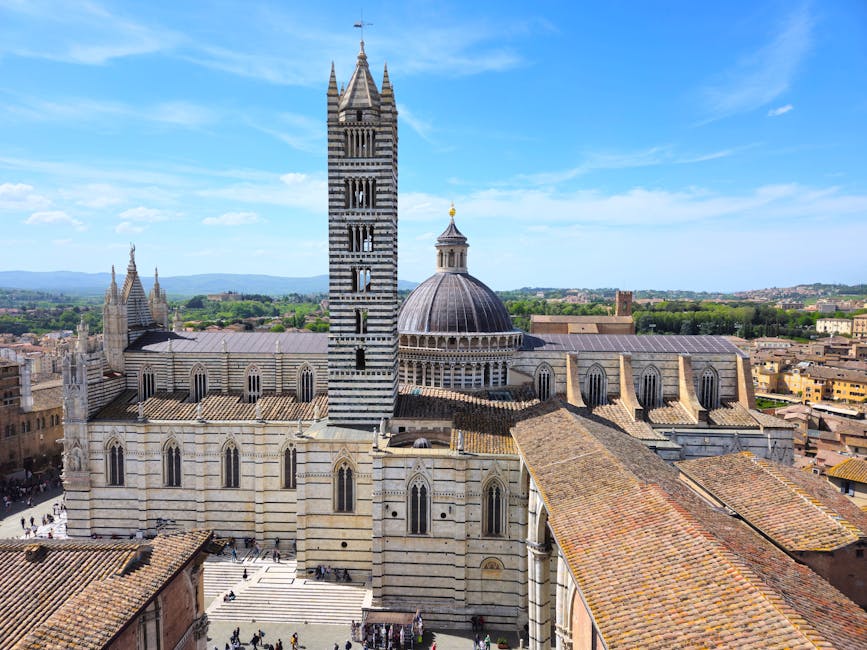
The Duomo di Siena, officially the Cattedrale di Santa Maria Assunta, holds a central place in Siena’s religious, artistic and social life. More than just a stunning marble masterpiece in white and green, its presence and influence have shaped the city’s collective identity since the Middle Ages. Located at Piazza del Duomo, 8, 53100 Siena SI, Italy, the cathedral dominates a monumental complex made up of the Museo dell’Opera del Duomo, the Battistero di San Giovanni and the Complesso Museale that frame this sacred civic space. Visitors don’t come merely to admire a façade or individual artworks: they come to feel a cultural fabric that intertwines heritage, liturgy and communal life.
The Duomo has provided the backdrop for religious rites as well as civic ceremonies and public events. It anchors local festivities like the Sagra di San Giovanni and religious processions, and its private chapels testify to the role played by patrician families in the city’s political and artistic life. The floor mosaics, frescoes, sculptures by Nicola Pisano or Lorenzo Maitani, and the famous Libreria Piccolomini all help tell the story of a city that invested its religious prestige into artistic prestige. These works often functioned as declarations of status: they broadcast Siena’s economic and intellectual power at a time when the city vied with Florence.
From a tourist perspective, the Duomo acts like a cultural magnet. It shapes walking routes, influences when visitors arrive and sets travelers’ expectations. Its immediate proximity to the Piazza del Campo (Piazza del Campo, 53100 Siena) turns a stroll into a historical immersion: just minutes on foot away, the riders and horses of the Palio di Siena find their popular anchor while the Duomo stands as a witness to a more sacred, enduring tradition. For visitors, understanding the Duomo’s role is a way of reading Siena through its successive layers of history, art and devotion.
This article examines the Duomo not only as an architectural monument but as a living participant in Sienese culture. We will cover its religious functions, social and political role, artistic and heritage influence, and provide practical tips for a rewarding visit. The practical information includes exact addresses, indicative prices in euros, typical opening hours, and local recommendations to make the most of your time there. If you are planning a visit or simply curious about why this building remains so central to Siena’s residents, this piece offers a full, contextual immersion.
 Click here to book your ticket for the cathedral and the Libreria Piccolomini
The Religious and Liturgical Role: A Living Cathedral
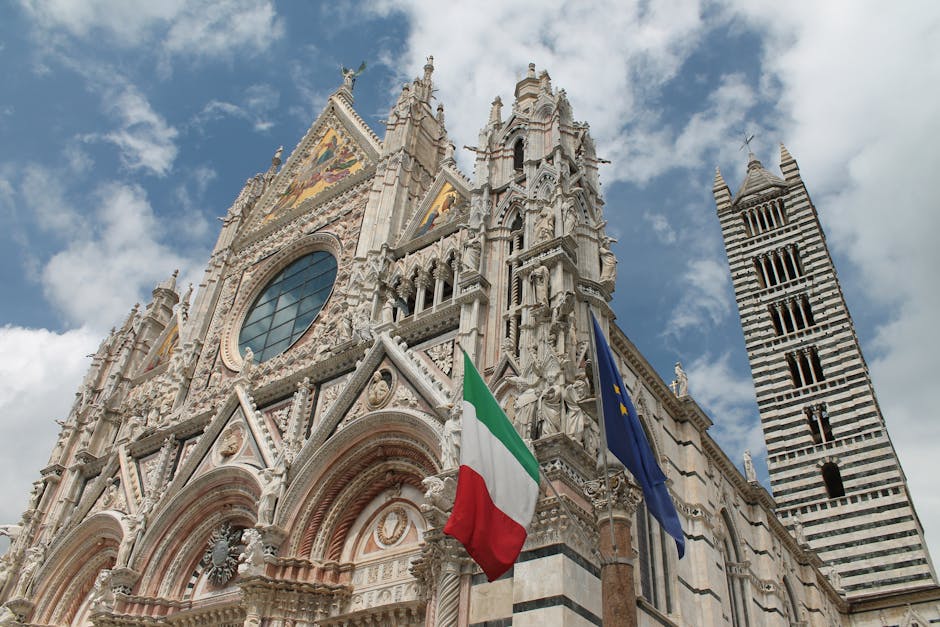
The Cattedrale di Santa Maria Assunta is not a frozen museum: it remains an active place of worship where liturgy shapes the city’s spiritual life. Address: Piazza del Duomo, 8, 53100 Siena SI, Italy. Regular religious services—Sunday Masses, weddings, baptisms and feast-day ceremonies—are celebrated here, and some chapels continue to see near-daily use. Liturgical times typically follow those of the Archdiocese of Siena-Colle di Val d’Elsa-Montalcino: Sunday Mass around 10:30, weekday morning Masses around 8:00 and sometimes late-afternoon services. It’s best to check the Duomo’s official website and parish notices for exact times, as schedules change during Holy Week, Marian feasts and solemnities.
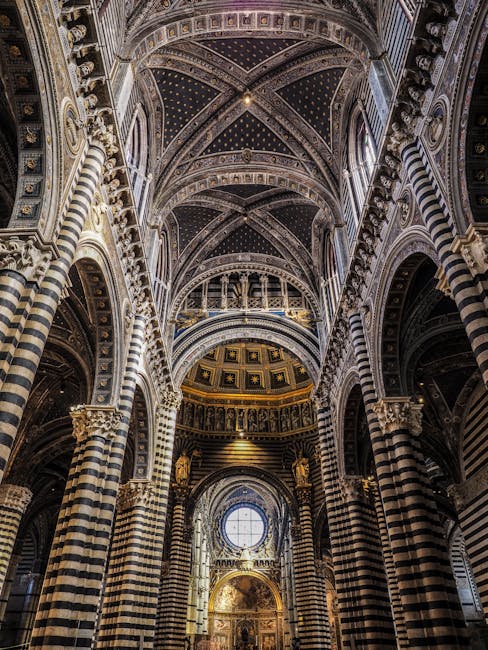
The Duomo’s layout—nave, transept, choir, side chapels—was designed to facilitate worship and accommodate congregations. The choir, rich with carved stalls and ornamentation, often hosts polyphonic liturgical singing and sacred concerts. Acoustics and decoration were conceived to deepen the spiritual experience: the floor mosaics, stained glass and frescoes direct the eye and support contemplation. The Libreria Piccolomini, or Piccolomini Library, inside the Duomo historically housed liturgical and humanist texts, reminding visitors of the longstanding marriage between faith and intellectual culture.
For pilgrims and visitors wanting to attend Mass, a few practical tips: arrive at least 15–20 minutes early to find a seat and observe rules of silence and modest dress (shoulders covered, no very short shorts). Tourist entry to the cathedral is separate from entrances for worship: when services are in progress, visitor access may be limited or closed at certain times. During major religious celebrations (Christmas, Easter, Assumption), the cathedral can fill up and priority is given to local worshippers.
Practical fees and visitor information related to worship and sightseeing: attendance at Mass is free for everyone. For a full tourist visit to the Duomo Complex (including the cathedral, Museo dell’Opera del Duomo, Battistero di San Giovanni and the Facciatone/terrace of the Museum), the combined ticket is generally around €15 for a full-price adult ticket, with reduced tickets around €10 for students and seniors. Entrance to the Museo dell’Opera alone may be about €8. These prices are indicative and fluctuate with the season; always check current rates on the official site or at the Museo dell’Opera del Duomo ticket office.
Click here to book an exclusive morning visit to the Duomo
Click here to get the pass for the entire cathedral complex
The Artistic Role: A Treasure Trove of Masterpieces
The Duomo di Siena is an extraordinary concentration of art from the Middle Ages through the Renaissance. Highlights include the Libreria Piccolomini (inside the Duomo), the intarsia pavement (one of Italy’s most remarkable floors), Michelangelo’s Pietà (housed in the Museo dell’Opera del Duomo), and numerous statues and altarpieces by artists such as Nicola Pisano, Donatello and Pinturicchio. The Museo dell’Opera del Duomo, located at Piazza del Duomo, 8, safeguards masterpieces removed from the cathedral for conservation and display.
The mosaic pavement, crafted between the 14th and 16th centuries, is a visual encyclopedia: biblical scenes, moral allegories and civic symbols sit side by side. The technique uses finely carved marble plates laid into the floor, and access to the pavement is often restricted—it’s sometimes revealed to the public only at specific times or under conservators’ supervision to prevent wear. Seeing the pavement up close requires planning: check with the Museo dell’Opera in advance to know when the floor is accessible.
The Libreria Piccolomini, sometimes accessible via limited guided visits, is a Renaissance painting jewel. Pinturicchio’s frescoes and the library’s decoration present a profusion of color and literary and religious imagery. The Museo dell’Opera also displays the Pietà attributed to Michelangelo (or to his workshop, according to some historians) and many wooden and stone works that reflect Siena’s religious and civic commissions.
Tips for art lovers: allow at least 2–3 hours for a complete visit to the Duomo and the Museo dell’Opera. Museo address: Piazza del Duomo, 8, 53100 Siena SI. Typical opening hours: Tuesday to Sunday, roughly 10:00–18:00 (sometimes later in high season). It can be closed on Mondays; check ahead. As for prices, expect about €15 for the combined ticket mentioned earlier, €8 for the Museo dell’Opera alone, and sometimes an extra €3 for access to very limited areas like the Libreria Piccolomini. Audioguides and guided tours are often available for an additional €5–10.
Click here to Book a guided walking tour of Siena and the cathedral
The Social and Political Role: A Symbol of Civic Prestige
Historically, Italian cathedrals served not only religious purposes but civic ones as well: they were public statements of local power. In Siena, the Duomo played this role very visibly. Construction, embellishment and artistic patronage were supported by municipal elites and guilds. Families like the Piccolomini invested in chapels, altarpieces and monumental funerary works to display prestige and consolidate social power.
The proximity of Piazza del Duomo to Piazza del Campo illustrates the link between the sacred and civic life. Municipal administration—historically the Podestà and later the Signoria—used urban space and religious ceremonies to reinforce civic cohesion. The Duomo thus became a place where liturgy and civic commemoration blended: public proclamations, magistrates’ oaths, and ceremonies of thanksgiving after military victories or miraculous healings were often held in connection with the cathedral.
Today the Duomo still figures in local political life, not as an administrative seat but as an identity reference point. Cultural campaigns, restorations funded by public-private partnerships, and debates over tourism management show how the monument sits at the center of contemporary issues. Decisions about opening hours, conservation of artworks and event organization affect both the tourist economy and the daily life of residents.
Practical tips to grasp this civic dimension during your visit: join a guided tour organized by the Museo dell’Opera or by accredited local guides; they often explain the social context of chapels and funerary plaques. Also visit the Museo Civico (Palazzo Pubblico), located at Piazza del Campo, 1, 53100 Siena, to complete your understanding of the city’s civic history. Museo Civico hours: generally 10:00–19:00, indicative price €8–10. Comparing the sacred sphere with the civic one will enrich your reading of the Duomo’s role through the centuries.
Practical Tips for Visiting: Maps, Tickets and Best Times
Visiting the Duomo di Siena takes some planning if you want to make the most of it. Main address of the complex: Piazza del Duomo, 8, 53100 Siena SI, Italy. For the whole complex, ticketing is usually found at the Museo dell’Opera (Piazza del Duomo, 8). Here are detailed tips to plan smartly:
- Best time to go: spring (April–June) and autumn (September–October) offer pleasant weather and fewer crowds than July–August. In winter, accommodation prices drop but some areas may have reduced hours.
- Opening hours: the cathedral is often open to the public from 10:00 to 19:00 in high season, with partial closures during services. The Museo dell’Opera is generally open 10:00–18:00; sometimes closed on Mondays. The Battistero di San Giovanni (Piazza San Giovanni, 1) often follows the complex’s hours. Always verify official times before you travel.
- Tickets: combined ticket for the Duomo Complex ≈ €15; reduced ≈ €10; Museo dell’Opera alone ≈ €8. Supplements for specific areas like the Libreria Piccolomini ≈ €3 or guided visits with an audioguide €5–10.
- Booking: in high season, book tickets online in advance to avoid queues. Thematic guided tours (pavement, Libreria) are often limited and require prior reservation.
- Getting there: Siena is easily reached by train and bus; from Siena train station (Piazza della Stazione), the historic center is a 15–20 minute walk. Be prepared for cobbled streets and hills; wear comfortable shoes.
- Etiquette: respect silence and zones where photography is prohibited during services. Some chapels forbid photos for conservation reasons.
For food after your visit, look for trattorie and osterie around Piazza del Campo and the adjoining streets: Osteria La Sosta di Violante (Via della Sassetta, 7) or Trattoria Papei (Piazza del Campo, 19) serve local dishes priced roughly €10–25 per plate. For a quick coffee, Caffè dei Costanti (Piazza del Campo, 4) is a pleasant stop. Finally, bring water: summer temperatures can rise, and public fountains around the city are handy for cooling off.
Click here to book a guided walking tour with skip-the-line tickets for the Duomo
The Duomo as a Driver of Sustainable Tourism and Conservation
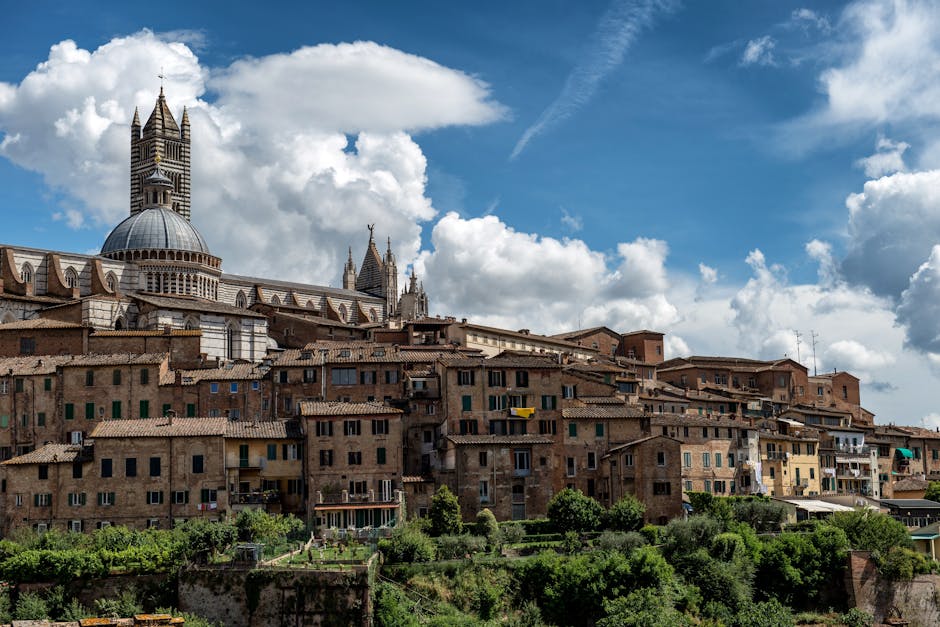
Managing the Duomo involves balancing heritage conservation with tourist flows. Local authorities and conservation bodies (Opera della Metropolitana di Siena and Museo dell’Opera del Duomo) work to preserve fragile works while allowing public access. Many restoration campaigns are funded by private patrons, public funds and ticket revenues. Efforts include stabilizing marble, restoring frescoes and controlling microclimates inside chapels.
Sustainable tourism strategies include limiting visitor numbers in sensitive areas, using timed entry passes for the pavement and the Libreria Piccolomini, and installing multilingual information panels to reduce the need for large guided groups. Educational workshops for local schools and volunteer programs for monitoring artworks involve the local population, strengthening a sense of collective ownership over the heritage.
For the responsible traveler, here are some practical recommendations: avoid peak hours (11:00–15:00), follow conservation rules (no flash, no food in exhibition rooms), consider a combined ticket to cut needless back-and-forth travel, and choose an accredited local guide so your visit benefits the community economically. Buying authentic souvenirs (authorized reproductions, publications from the Museo) also helps fund restoration.
Conclusion: A Living Architecture and a Community Symbol
The Duomo di Siena is far more than a religious building; it is a cultural pivot that weaves together history, art, spirituality and civic life. Its presence on Piazza del Duomo shapes Siena’s urban and social geography, linking chapels and palaces, artworks and ceremonies, tourists and residents. The stones and marbles tell a story of patronage, rivalry between cities and collective assertion—a story you can read today in the masterful pavement, the delicate frescoes and the silhouette of the façade.
For visitors, approaching the Duomo calls for respect and curiosity: know the opening hours, buy the right tickets, and prioritize conservation by following on-site rules. Key addresses to remember—Piazza del Duomo, 8 (Duomo and Museo dell’Opera), Piazza San Giovanni, 1 (Battistero di San Giovanni), and Piazza del Campo, 53100 Siena—help plan a coherent route. Prices (combined ticket ≈ €15, Museum ≈ €8, possible supplements) and hours (generally 10:00–18:00/19:00, seasonal variations) will help you avoid surprises.
Beyond practicalities, the Duomo’s role in Sienese culture is that of a guardian of collective memory. It is the space where family and civic narratives are woven, where art becomes a vehicle for political and spiritual expression, and where the community finds its bearings. For anyone seeking a deep understanding of Siena, the Duomo is an essential starting point: it gives keys to read the city, measure social dynamics and appreciate the continuity between past and present.
In short, the Duomo di Siena remains living architecture—a place where, despite conservation limits and tourism pressure, a social and spiritual function endures. Respecting this heritage, taking part in its preservation and exploring it with patience and care all contribute to keeping Siena’s unique voice alive in the heart of Tuscany. Whether you are a pilgrim, an art lover, a historian or a curious traveler, a thoughtful visit to the Duomo will offer a rich, profound and lasting experience.