





Introduction
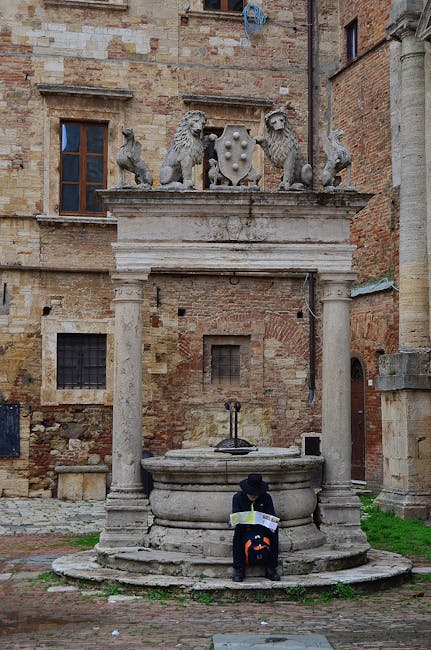
Montepulciano rises like an ochre jewel on a hill in the southeast of the province of Siena, in Tuscany. For centuries this fortified, hilltop town has asked to be read through both its stone and its vines. Montepulciano’s story is written in its narrow lanes, Renaissance palaces and, above all, in the fame of its wine: the Vino Nobile di Montepulciano, an emblematic product that has made the region’s viticultural reputation resonate far beyond Italy. But to truly feel Montepulciano’s soul you need to trace its long-standing ties with Siena — the city-state that, through the Middle Ages and the Renaissance, heavily shaped the area’s architecture, politics and even winemaking culture.
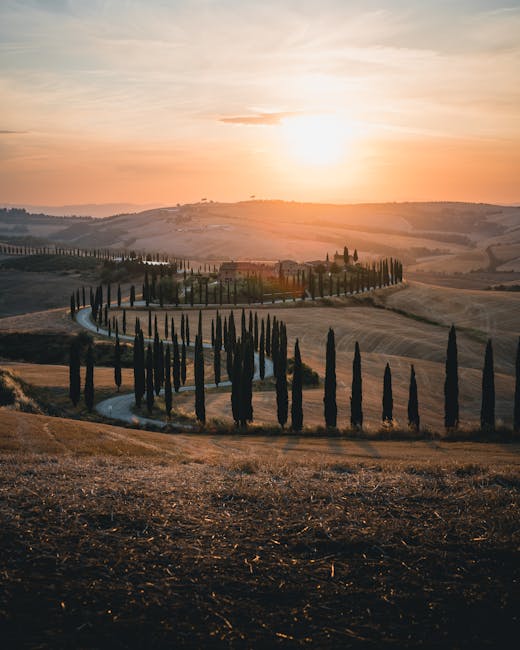
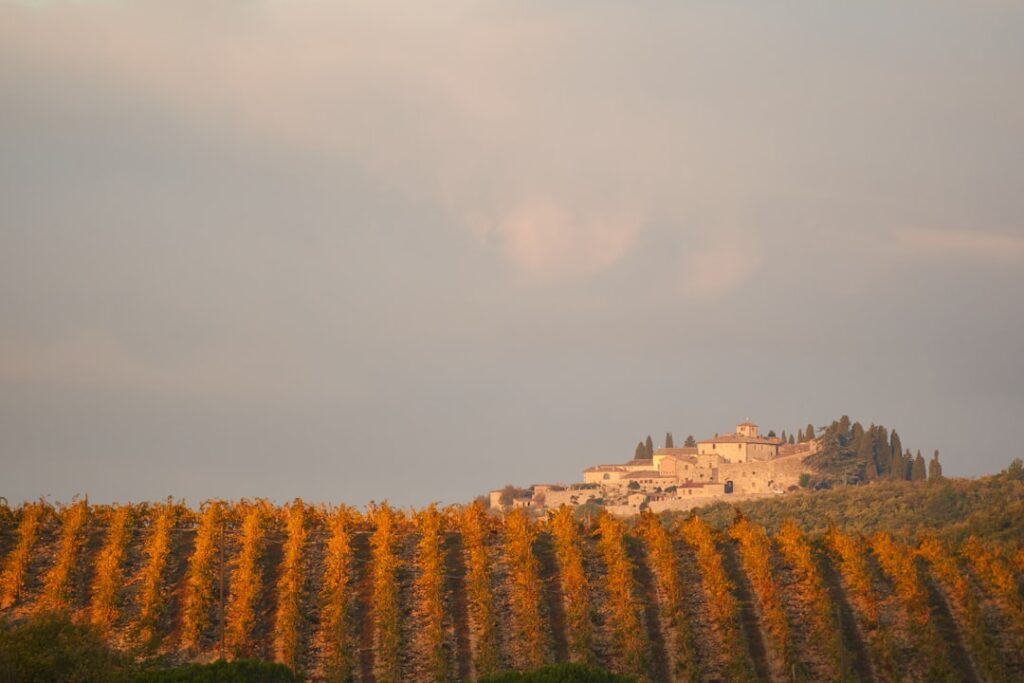
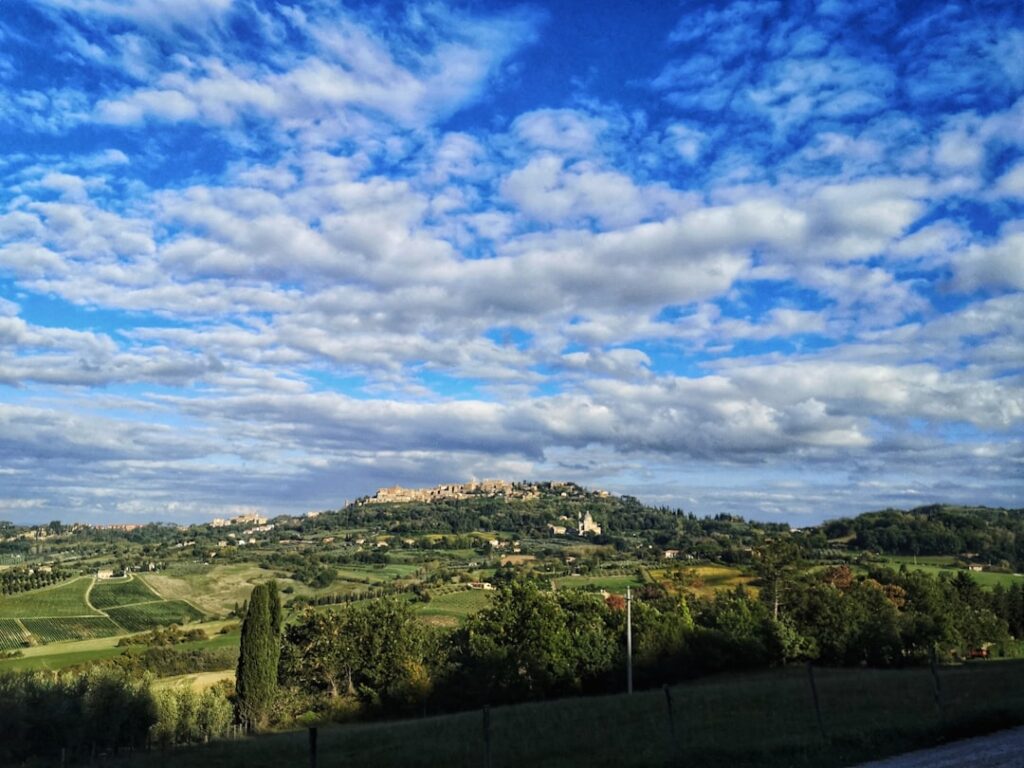
From Siena, the road to Montepulciano unfolds a patchwork of landscapes: vine-covered hills, olive groves, stone hamlets and solitary chapels. These views are more than scenery; they’re the agrarian and social memory of a terroir shaped by generations of farmers and landowners. Winemaking here is so embedded it structures both the urban and rural space: medieval cellars hewn into rock, family “cantine” open to visitors, and larger estates that still produce either artisanally or with modern methods depending on their quality goals.
This article offers a full immersion: you’ll find Montepulciano’s detailed history and its links with Siena, an introduction to Vino Nobile and local viticultural practices, addresses and opening hours for wineries, museums and monuments, price indications for tastings, plus practical tips to plan your visit (hours, seasons, transport and trusted spots). Whether you’re a wine lover, history buff or curious traveler, this guide aims to help you approach Montepulciano with informed curiosity and common-sense planning.
 Click here to book your Pienza and Montepulciano day trip
History and ties with Siena: medieval origins and rivalries
Montepulciano’s history is closely tied to Siena’s. In the Middle Ages the region was a mosaic of lordships, but the power of the Republic of Siena asserted itself across the Val d’Orcia and surrounding areas. Sitting on a strategic route between the Arno valley and Lazio, Montepulciano became a commercial and military crossroads. Locals often adopted Sienese institutions and architectural styles, and that influence is still visible today in the design of palaces and churches.
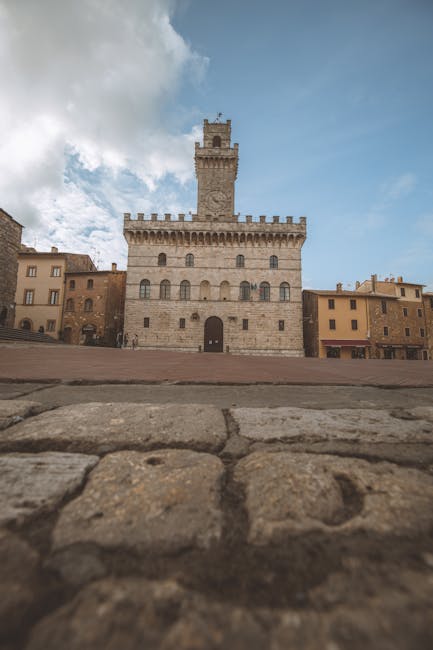
In the 13th and 14th centuries Montepulciano built walls and towers to protect itself from the constant wars between rival cities (Siena, Florence, Perugia). The Piazza Grande, the town’s main square, became the civic heart where markets, assemblies and public proclamations took place. The Palazzo Comunale on Piazza Grande echoes Siena’s Palazzo Pubblico in both its bell tower and façade — similar in aesthetic and political function. Address: Palazzo Comunale, Piazza Grande, 53045 Montepulciano SI, Italy. The museum and tower access are open seasonally (hours vary — see information below).
The Renaissance brought renewed prosperity. Local families enriched by trade and agriculture built noble houses and ornate churches. The town’s main church, the Cattedrale di Santa Maria Assunta, also on Piazza Grande, contains architectural elements and artworks dating from those flourishing centuries. Address: Cattedrale di Santa Maria Assunta, Piazza Grande, 53045 Montepulciano SI, Italy.
Winemaking tradition, present since Etruscan times and reorganized in the Middle Ages, benefited from protections and investments under Sienese governance. municipal archives and notarial records from the 15th and 16th centuries already mention the quality of local wines. Proximity to Siena also helped export and spread techniques: grafting, pruning and communal cellars. Over time Montepulciano’s terroir — known for its clay-limestone soils — took a leading role in the regional economy.
Practical tip: to get a clearer sense of these historical ties, start your visit at the Museo Civico (Palazzo Comunale), where old maps and objects linked to trade with Siena are often on display. Always check seasonal opening times and temporary closures for restoration (see the “Monuments and routes” section for detailed addresses and hours).
The Vino Nobile di Montepulciano: grape varieties, appellation and terroir
Vino Nobile di Montepulciano is one of Tuscany’s most prestigious appellations. Made mainly from the Sangiovese grape (locally called Prugnolo Gentile), it’s often blended with small amounts of local or international varieties (Canaiolo, Mammolo, sometimes Merlot or Cabernet). Its character is defined by a balance of acidity, round tannins and notes of cherry, plum, earth and spice as it ages. Since 1980 Vino Nobile has held DOCG status (Denominazione di Origine Controllata e Garantita).
Montepulciano’s terroir is diverse: clay-limestone slopes, pebble banks and elevation changes that affect sun exposure and ripening. Higher plots yield firmer, fresher wines often reserved for “Riserva” cuvées, which undergo longer aging in barrels or oak casks. Riserva wines must rest for at least two years before release (regulations vary), giving them added structural complexity.
Tasting a Vino Nobile involves understanding a few label terms:
- Vino Nobile di Montepulciano DOCG — the standard appellation wine.
- Vino Nobile di Montepulciano Riserva — longer aging, usually more tannic and longer on the palate.
- Annata — vintage year; harvests can vary widely with climatic conditions.
Expect base prices for a bottle of Vino Nobile di Montepulciano to range between €12 and €25 for entry-level cuvées, €25 to €60 for quality Riserva bottles, and higher for special releases from renowned producers. Cellar prices can be more attractive; a guided tasting of three wines in a winery typically costs around €10 to €30 per person.
Practical tip: opt for a guided tasting of 45–90 minutes to learn about winemaking (maceration, aging) and sample wines from different vineyard plots. Many estates offer food pairings — for example Tuscan antipasti, pecorino or bistecca-style tapas — budget around €20 to €45 for a full experience.
Click here to experience a home-hosted gastronomic evening
Winery visits and tastings: addresses, hours and prices
Montepulciano offers a wide range of wineries: small family cantinas, traditional cooperatives and modern estates. Here’s a practical selection with addresses, indicative opening times and average prices (always confirm in advance as schedules and closures change often).
Cantina Contucci
Address: Via di Gracciano nel Corso, 31, 53045 Montepulciano SI, Italy
Opening hours: typically 09:00 – 19:00 (closed some Sundays off-season).
Tasting fees: standard visit + tasting €12; premium tastings or verticals €25-€35.
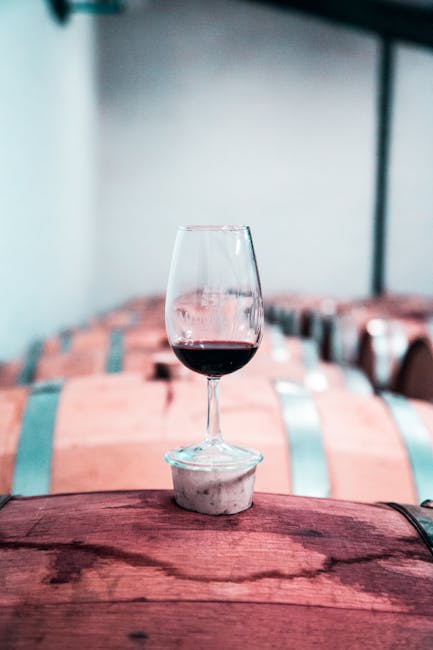
Description: historic family cellar in the old town with vaulted cellars and old barrels. Immersive guided tastings in English and Italian.
Cantina Ercolani
Address: Via delle Cantine, 10, 53045 Montepulciano SI, Italy (example address for a historic cellar in the center).
Hours: 10:00 – 18:00 (or by reservation for evening visits).
Prices: 4-wine tasting €10-€20; guided cellar tours €15-€30.
Description: traditional cellar focused on Vino Nobile and long-aging wines, offering workshops on traditional vinification.
Wine Holiday Tours & Agriturismi (estates around the area)
Examples: Avvinare, Fattoria della Talosa, La Braccesca — many estates have their own addresses on the outskirts of Montepulciano. Exact locations vary; book online. Prices for a full visit and lunch range from €35-€90 depending on activities (harvest participation, meals, blending sessions).
Click here to book an organic vineyard visit and tasting
Practical tips for tastings:
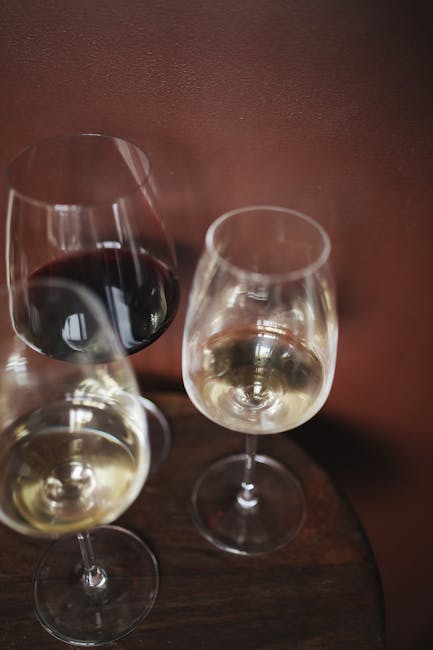
- Book ahead, especially in high season (May–October) and during the harvest (September–October).
- Ask whether the tasting includes an English-speaking guide (or French); otherwise brush up on basic wine vocabulary in Italian/English.
- If you’re driving, arrange for a designated driver; many estates can organize transfers by taxi or shuttle (costs vary, often €20–€60 depending on distance).
- Bring a light jacket for underground cellars — temperatures are typically cool (12–16°C / 54–61°F).
Monuments, walking routes and practical addresses in Montepulciano
Montepulciano is best explored on foot. Sloping lanes, staircases and squares offer spectacular views over the Val d’Orcia and Chianti. Here are the must-see stops, with addresses and opening hours where available.
Piazza Grande
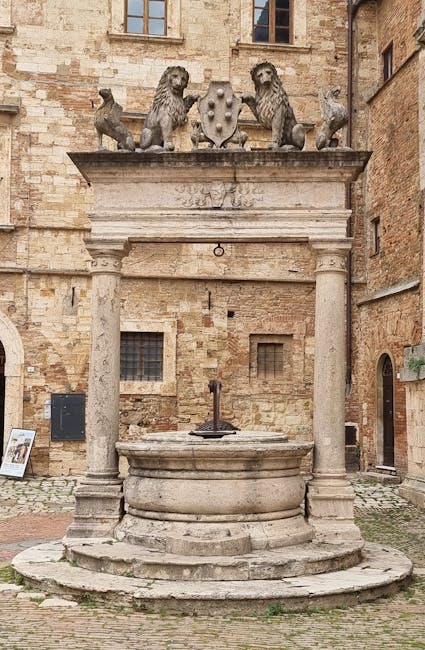
The main square, the symbolic and social heart of the town: flanked by the Palazzo Comunale and the Cattedrale di Santa Maria Assunta. Address: Piazza Grande, 53045 Montepulciano SI, Italy. It’s a great place to begin your visit: cafés and terraces offer views of the façades and the surrounding landscape.
Cattedrale di Santa Maria Assunta (Duomo)
Address: Piazza Grande, 53045 Montepulciano SI, Italy.
Indicative opening hours: 09:00 – 12:30 and 15:00 – 18:00 (may vary due to masses and season). Entrance is often free with voluntary donations; some chapels or adjacent museums may charge €3–€6.
Description: sober and elegant interior with sacred art and historic chapels.
Palazzo Comunale
Address: Piazza Grande, 53045 Montepulciano SI, Italy.
Hours: generally 10:00 – 13:00 and 15:00 – 18:00, closed Sunday morning off-season. Access to the tower for panoramic views is paid: €5–€8 depending on the season.
Description: climb the tower for exceptional views across Tuscany; rotating exhibits cover local history.
Tempio di San Biagio
Address: Strada Provinciale 17, 53045 Montepulciano SI, Italy (at the foot of the hill — a harmonious Renaissance building).
Opening hours: usually 09:00 – 18:00 (check for summer/winter variations). Entry is often free with donations suggested; guided visits may cost €3–€10.
Description: an imposing Renaissance sanctuary designed by Antonio da Sangallo the Younger; its proportions and isolated setting make it a peaceful and photogenic spot.
Practical visiting advice:
- Wear comfortable shoes: uneven cobbles and steep streets are everywhere.
- Main parking areas are at the foot of the town (for example Parcheggio al Lago or Parcheggio di Porta al Prato): expect a 5–20 minute walk to the historic center. Parking is paid according to municipal signs (rates typically ~ €1–€2/hour).
- The tourist information office (IAT) is usually near Piazza Grande: ask about hours, maps and guided tours in foreign languages.
- Food: for an authentic break, look for an osteria serving Tuscan specialties (pici, liver crostini, pecorino). A simple meal in a trattoria costs between €12 and €25 per person; tasting menus at more ambitious restaurants range from €35–€80.
Practical info: when to go, how to organize, and tips from Siena
Getting to Montepulciano from Siena is straightforward and makes for a lovely day trip or a longer stay. Distance: about 60 km southeast — roughly a 1 hour 15 minute drive depending on the road. By public transport, regular buses connect Siena and Montepulciano (operator: Tiemme/Autolinee Toscane), with travel times of about 1.5–2 hours. Renting a car remains the most flexible option to explore surrounding vineyards.
Best times to visit: the high season runs from May through September. To avoid crowds and enjoy mild weather, aim for May–June or September–October (harvest season). November–March are quieter but colder, and some estates close for the season.
Transport and parking:
- From Siena: take the SR2 south, then SS146 toward Montepulciano. No tolls, but expect winding secondary roads.
- Train access: the nearest station is Chiusi-Chianciano Terme (then take a bus or taxi to Montepulciano — about 20–30 minutes).
- Taxis: services can be limited in the evening; book your return after dinner in advance.
A few local recommendations:
- Book restaurants and tastings in advance if you’re traveling on a weekend or in high season.
- Carry small bills in cash: some small producers and markets are reluctant to accept cards for tiny purchases.
- Respect winery hours: many close between 13:00 and 15:00 for lunch, then reopen until 18:00–19:00.
- If buying bottles, ask about international shipping options — many estates ship abroad but additional fees apply (≈ €20–€60 depending on destination).
Themed routes and day trips from Montepulciano
Montepulciano is a fantastic base for exploring southern Tuscany. Several themed routes can be tailored to your interests: wine tourism, medieval history or natural scenery.
Wine route: follow secondary roads between Montepulciano, Montalcino (Brunello) and Pienza (cheese). In a day you can visit 2–3 estates, have lunch in an osteria and finish with a panoramic stop in Pienza (famous for Pecorino di Pienza). Recommended time: half a day to a full day. Transport: car or organized tours (prices vary — €50–€120 per person for private tours).
Historical route: combine Montepulciano with Siena and the medieval town of Cortona. In Siena visit the Duomo di Siena, the Palazzo Pubblico and Piazza del Campo. A typical excursion includes Chianciano’s thermal baths and a stop at the Tempio di San Biagio for Renaissance architecture. For a full-day trip from Montepulciano, plan an early departure and an evening return.
Seasonal activities:
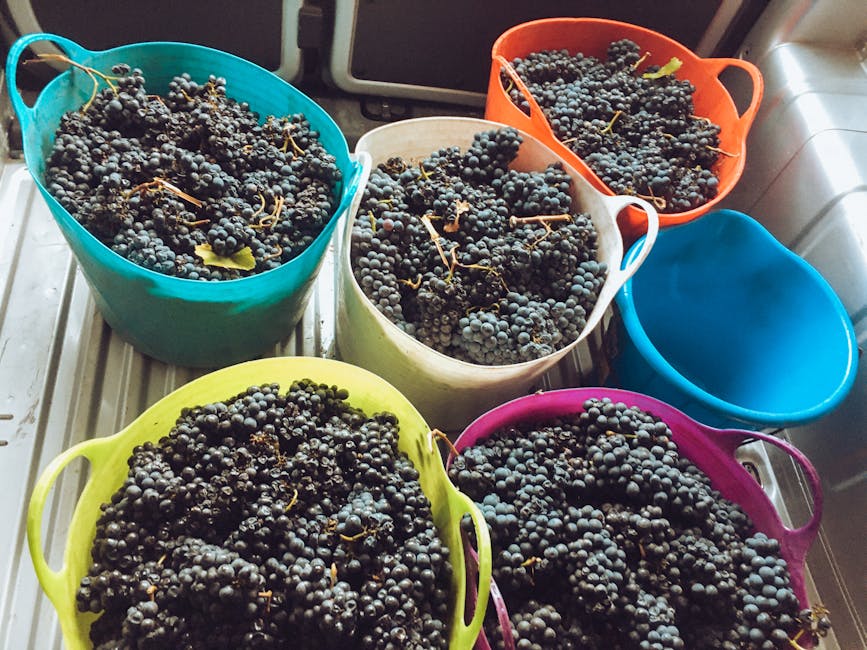
- Harvest (September–October): many farms offer hands-on activities (picking, traditional pressing) — sign up in advance.
- Local festivals: wine fairs and medieval events happen throughout the year (check the IAT tourist calendar).
- Photography: sunrise and sunset provide exceptional light on the hills; bring a telephoto for architectural details and a wide-angle for sweeping panoramas.
Click here to book a Montepulciano wine and lunch experience
Conclusion
Montepulciano is more than a wine destination: it’s a place where history and the vine are woven together. From the days when Siena dominated the region to the modern recognition of Vino Nobile di Montepulciano, every stone and every row of vines tells a story of skill and attachment to the land. Walking the Piazza Grande, visiting the Palazzo Comunale and the Cattedrale di Santa Maria Assunta, then descending into the cellars to taste a Vino Nobile, you feel like you’re tasting centuries condensed into a glass and a stone.
To make the most of your visit, come prepared: book tastings and restaurants, check opening times (especially off-season), arrange a car or an organized tour if you want to visit multiple estates, and remember the little local tips (cash, comfy shoes, a jacket for the cellars). The addresses and hours provided here give you concrete starting points — don’t forget to confirm schedules, prices and availability on official sites or by phone.
Whether you’re coming from Siena for a day trip or staying longer, let the slow rhythm of Tuscany carry you: savor a glass of Vino Nobile, listen to the stories of the producers and watch the hills change color with the light. Montepulciano — a place of noble wine and historical memory — will welcome you with the discreet warmth of a destination that reveals itself to those who take the time to look and taste.