





Introduction
Siena is a city best explored on foot, wandering its winding cobblestones, tight stairways and piazzas where time seems to slow down. Perched on three hills in Tuscany, this medieval town blends history, art and local craftsmanship in a captivating way. If you want to bring home authentic souvenirs—without overpaying or settling for tacky tourist junk—Siena has treasures to discover: artisan shops, gourmet food stores, cellars serving Chianti and Brunello tastings, as well as master chocolatiers and bakers keeping age-old recipes alive. This guide, « Smart Shopping in Siena: Local Tips & Best Finds, » is designed to help you spot the best addresses, understand realistic prices, know opening hours, and get practical advice for buying wisely.
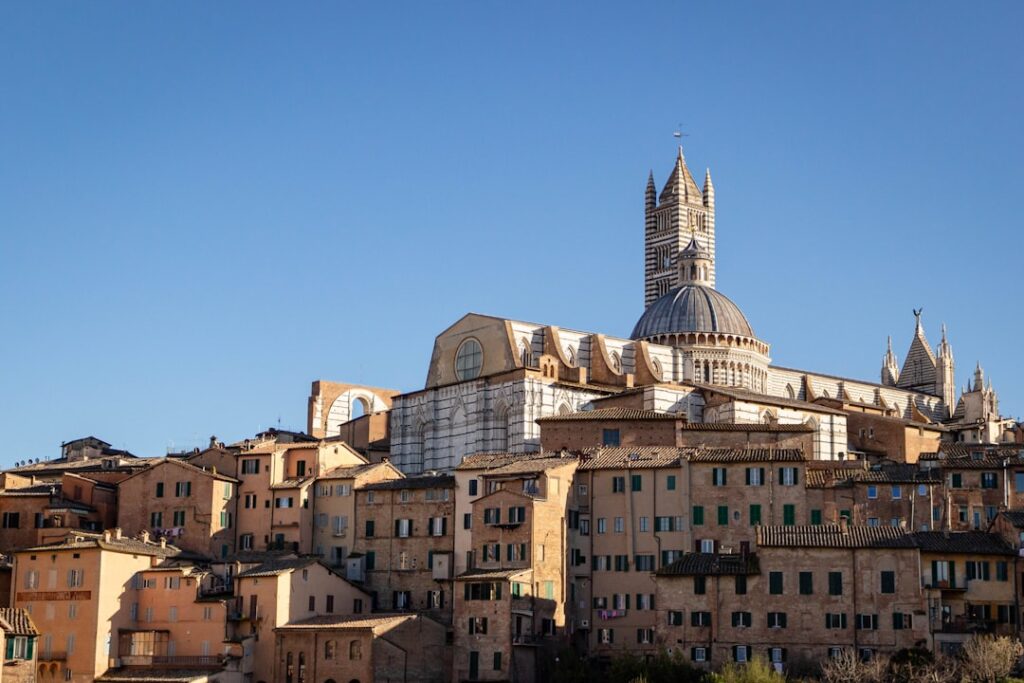
We give exact locations—key squares and streets like Piazza del Campo (Piazza del Campo, 53100 Siena SI, Italy) and the Duomo di Siena (Piazza del Duomo, 8, 53100 Siena SI, Italy)—so you can orient yourself easily. You’ll also find specific recommendations on signature products: panforte (the traditional fruit-and-spice cake), ricciarelli (Siena almond biscuits), quality olive oils, Tuscan wines across different ranges, and handcrafted leather goods. Prices in euros are listed realistically so you can plan your budget: for example, a box of ricciarelli usually costs between €6 and €12, a decent bottle of Chianti Classico between €10 and €25, and a handmade leather wallet between €40 and €150 depending on the maker.
Beyond purchases, we cover typical shop hours in Siena (and Italian quirks like the midday break or « pausa »), possible closures (small shops often close on Sundays), tips to avoid tourist traps, and VAT refund options for non-EU residents. You’ll also find visual cues to help pick photogenic souvenirs and suggested shopping routes for a half-day or full-day outing.
 Click here to book your ticket to Siena Cathedral
Whether you’re after a box of panforte to give as a gift, a bottle of wine to open on the terrace at dusk, or a handmade leather piece, this guide will help you shop smart: spot workshops that actually make items on-site, compare prices along shopping streets like Via Banchi di Sopra and Via di Città, and take advantage of markets and gourmet stores that prioritize quality over brand names. We’ll also cover transporting bulky purchases, negotiating or asking for discounts when buying multiple items, and ways to authenticate an artisan product.
Shopping streets and must-sees: Via di Città, Via Banchi di Sopra and Piazza del Campo
For an efficient and pleasant shopping session, start with the two main arteries crossing the historic center: Via di Città and Via Banchi di Sopra. These streets link the main squares and concentrate local designer boutiques, leather shops, old bookstores and small artisan workshops. Via Banchi di Sopra runs from Piazza del Campo up toward the Piazza del Duomo, making it an ideal route to combine sightseeing with local shopping.
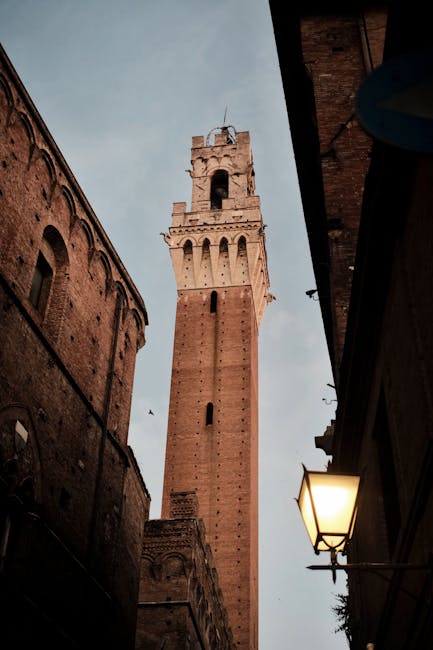
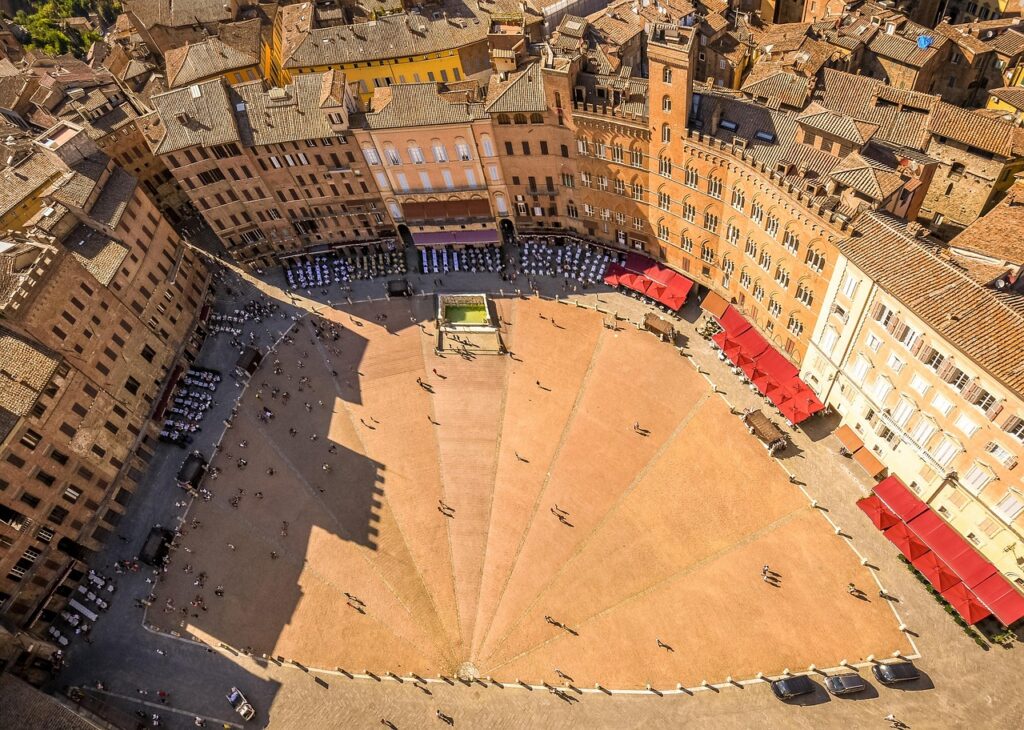
Piazza del Campo (Piazza del Campo, 53100 Siena SI) is the iconic square dominated by the Palazzo Pubblico and its tower, the Torre del Mangia (Palazzo Pubblico, Piazza del Campo, 1, 53100 Siena SI). Around the square, souvenir shops sit alongside specialty vendors selling panforte, artisanal sweets and items in the colors of the contrade (the Palio neighborhoods). Expect varied prices: a basic souvenir (magnets, postcards) costs between €2 and €8, while a handcrafted Palio-related item (scarf or embroidered fabric) can range from €25 to €120 depending on quality.
Via di Città also hosts small leather workshops crafting wallets and bags. There are plenty of addresses, but favor shops displaying labels like « artigianale » or « made in Italy. » Expect to pay for quality: a handmade leather wallet starts around €40 and can go up to €150 for a piece from a well-known artisan. Many shops open between 10:00 and 19:30 with a pausa from 13:00 to 16:00; hours vary in low season. On Sundays, only the larger stores around Piazza del Campo and some tourist shops tend to stay open, while small artisan shops may be closed.
Click here to discover Siena on a guided walking tour
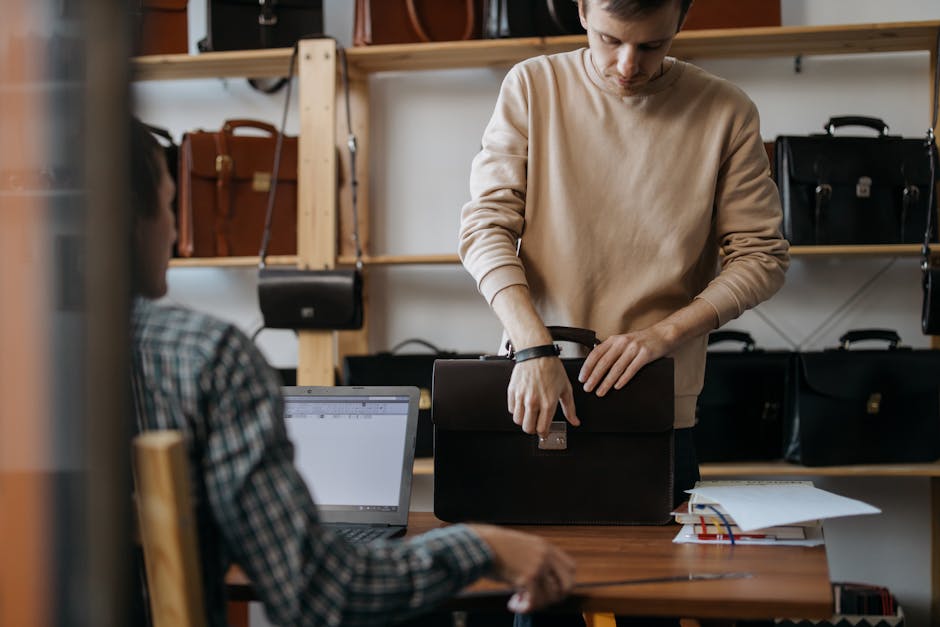
Practical tip: do a first pass without buying to compare. Spot the same item in several shops and check finish quality (stitching, linings, zippers). Ask if the item is « fatto a mano » (handmade) and whether composition labels are present. For food products, check best-before dates and ask if items are vacuum-sealed for safer transport.
Gourmet shops, patisseries and local specialties: panforte, ricciarelli and olive oil
Siena is famous for its culinary specialties. Among the must-brings are panforte (a dense cake with candied fruit and spices), ricciarelli (almond biscuits), local honey, and bottles of Tuscan extra virgin olive oil. Here are a few places where quality comes first.
Antica Pasticceria Nannini (Via Banchi di Sotto, 40, 53100 Siena SI) is an institution: founded in the 19th century, this pastry shop offers artisanal ricciarelli and panforte. Hours: usually 08:30–20:00 every day, but check seasonally. Indicative prices: 200 g box of ricciarelli = €6–€12; individual slice of panforte = €3–€5; gift boxes (300–500 g) = €10–€25. Products are often nicely wrapped, making them ideal gifts.
For olive oil, visit a specialty store like Enoteca Italiana (Piazza del Campo, 3, 53100 Siena SI) or small Tuscan product shops along Via di Città. You’ll find single-varietal oils and blends. Price: a good extra virgin olive oil (500 ml) usually costs €10–€30; vintages and protected designations (DOP) can reach €40–€60 for rare bottles.
Click here to discover Tuscan olive oil at a family mill
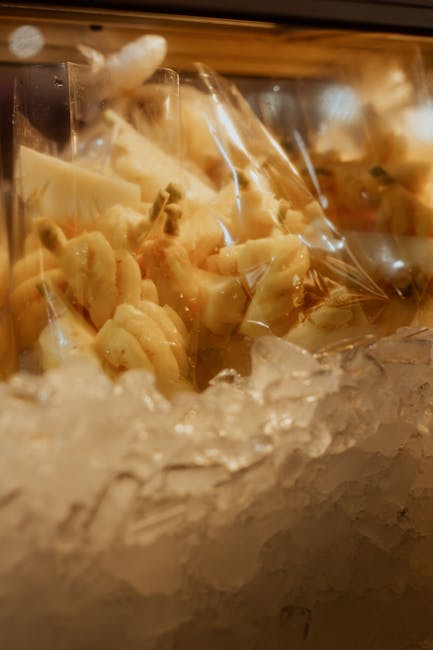
Food packing tips: for lighter travel, prefer vacuum-sealed packages and sealed boxes. Dry sweets (like ricciarelli) travel well; moister cakes require more care. If buying large quantities of oil or wine, ask about reinforced packaging some shops provide for air travel.
Leather, saddlery and traditional crafts: where to buy authentic pieces
Tuscany is renowned for leather; Siena offers numerous workshops where you can watch craftsmanship firsthand. The best finds aren’t always the most expensive but those made locally. Look for signs like « laboratorio » (workshop) or « artigiano » (artisan) and, if possible, ask to see finishing techniques.
Click here to book a private walking tour of Siena’s highlights
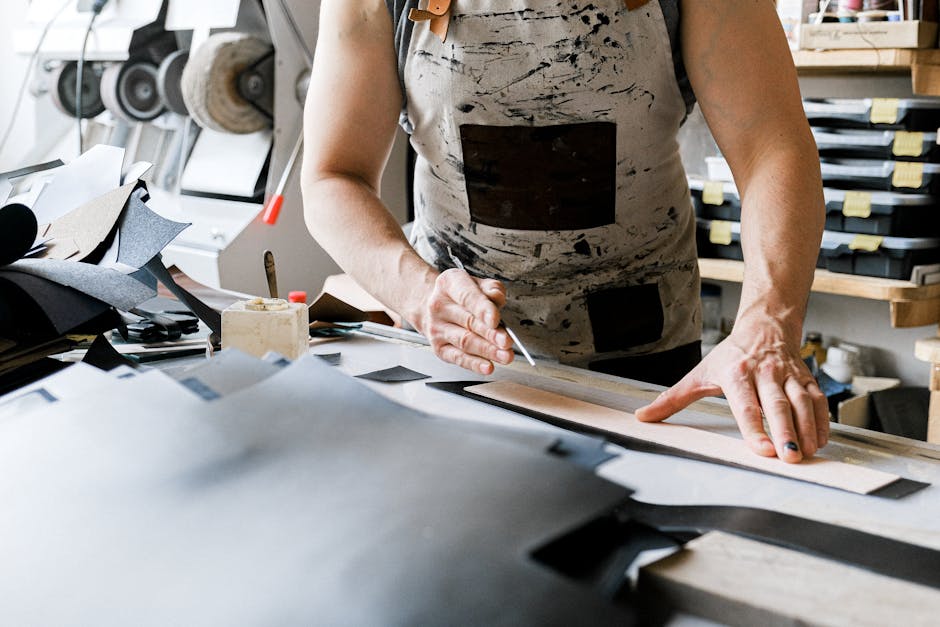
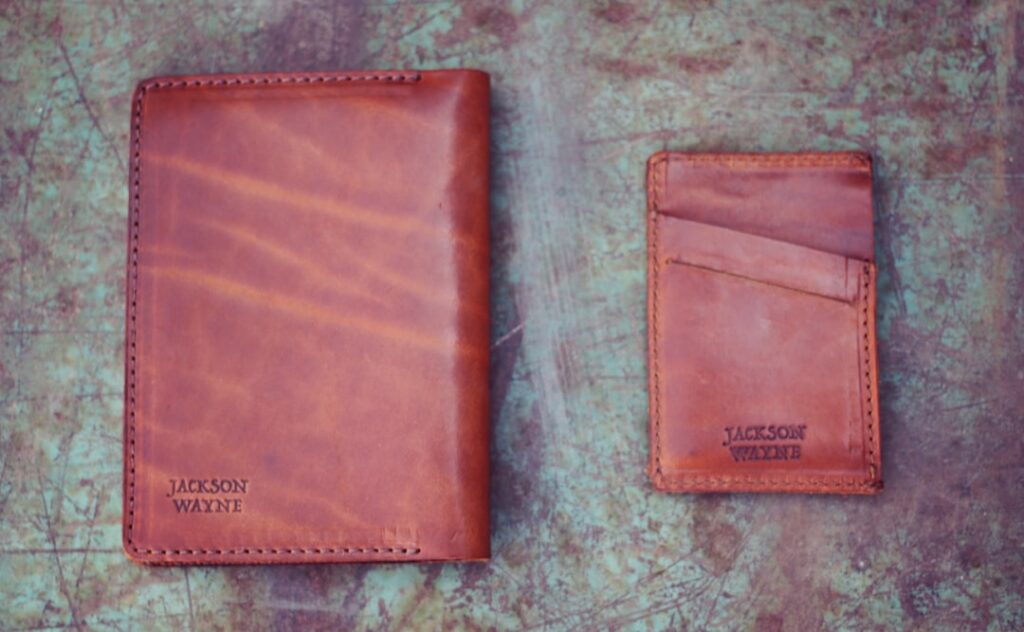
Useful addresses: stroll along Via di Città and Via Banchi di Sopra, and explore side streets like Via del Porrione where several leather workshops display their pieces. Typical offers: a handcrafted leather cardholder = €25–€50; a small leather handbag = €80–€220; a full-grain leather belt = €30–€80. Serious artisans often mark their creations with a stamp indicating the type of leather.
Opening hours: these workshops often follow the local rhythm, opening from 09:30–13:00 then 16:00–19:30 (some stay open continuously). In summer many stay open later into the evening. Individual shops may accept card payments but it’s handy to carry some cash to avoid extra fees or to try for a small discount on a cash purchase.
Savvy buying tip: if you plan to buy several items in the same workshop, politely ask if they offer a discount for a « piccolo sconto » or a goodwill gesture (10% isn’t unusual for multiple items). Also ask about leather care: a small tin of cream or balm (€10–€15) will extend the life of your purchase.
Cellars and wines: taste like a local and buy smart
Wine is a must in Siena and across Tuscany. You can buy directly at cellars, from city wine shops, or at specialized markets. Local appellations commonly found include Chianti Classico, Brunello di Montalcino (near Siena), and wines from the Montepulciano area.
Enoteca Italiana (Piazza Matteotti, 4, 53100 Siena SI) is a good starting point to taste and buy. Hours: often 10:00–19:00 but they can vary. Prices: a good Chianti Classico bottle starts around €10–€15, superior cuvées can be €25–€60, and a proper Brunello di Montalcino is usually available from €30 up to several hundred euros for prestigious vintages.
Click here to taste wines and cold cuts in the heart of Siena
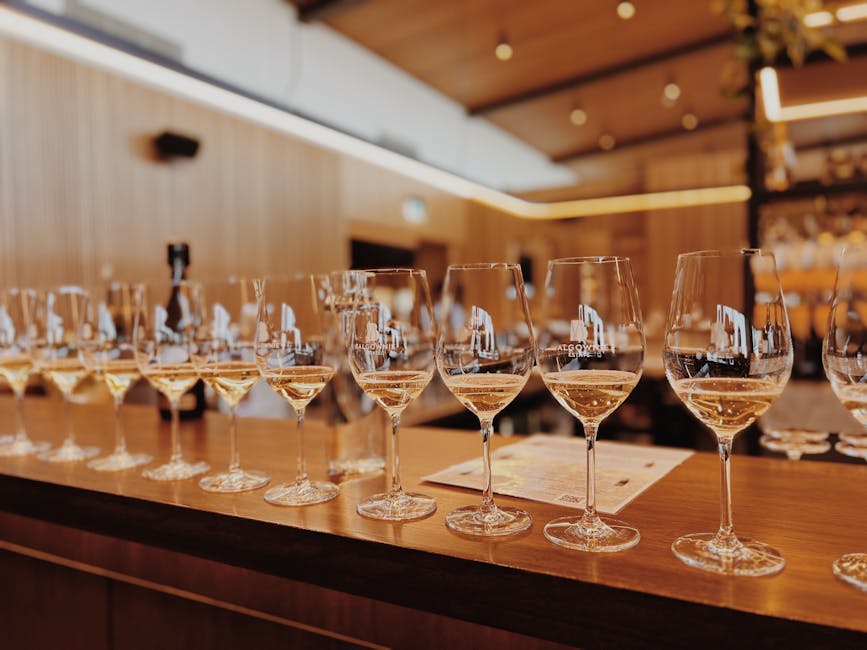
Tasting and buying tips: always ask to taste if the shop offers samples. For a sensible purchase, aim for €12–€30 per bottle: you’ll get excellent value. Buy multiple bottles and some cellars offer volume discounts or secure packaging for transport. Practical note for air travel: check how many bottles are allowed in checked luggage and about packing; some shops provide international shipping services—check costs (usually €20–€60 depending on destination).
Local markets, flea markets and second-hand finds: where to hunt for bargains
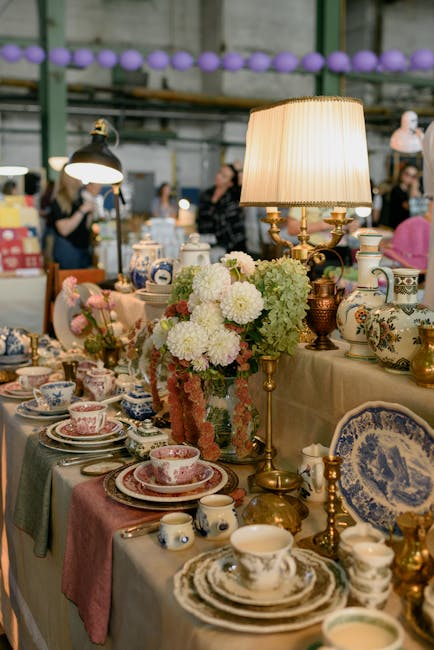
To find unique items often at lower prices, local markets and flea markets are invaluable. In Siena there are periodic markets where you can uncover vintage clothing, old books, ceramic tableware and rustic furniture.
Click here to explore Siena’s gastronomy and wine
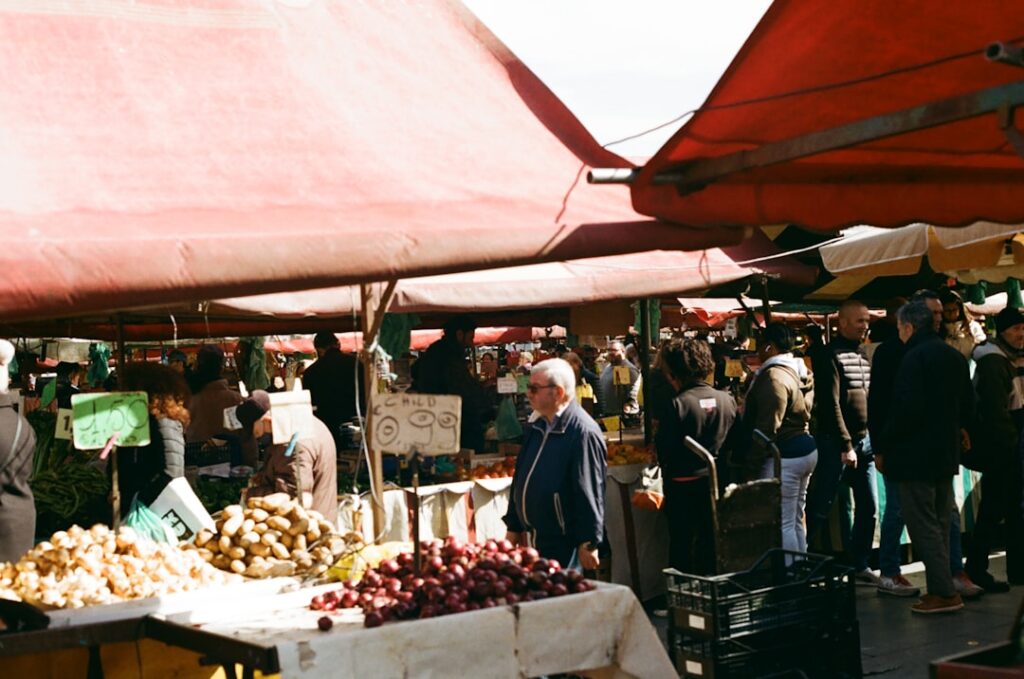
A good habit: check municipal notice boards and ask your hotel or the tourist office (Via di Città, 86, 53100 Siena SI) for market days and times. Generally open-air markets start early (around 08:00) and finish around 13:00–14:00. Prices are often negotiable, especially if you pay cash and buy several items.
Practical tips for bargain hunting: inspect items for damp spots, sloppy repairs or fake antiques. If you buy furniture or a large piece, ask the seller about delivery—many offer local delivery for a small fee (€20–€80 depending on distance). For fragile items, negotiate protective packaging or a professional shipping option.
Practical and tax tips: VAT refunds, packaging, transport and safety
Smart shopping also means knowing the rules. Here’s a condensed set of practical tips so your purchases don’t become a headache at departure.
- Tax refund (tax refund): if you’re resident outside the European Union, you can request a tax refund form in participating shops to reclaim VAT (usually 22%). Only stores displaying « Tax Free Shopping » can issue these documents. Have your passport ready at purchase. At the airport, present purchases, invoices and the customs-stamped forms to obtain the refund (usually at a counter or by mail).
- Packing for transport: for wine and olive oil, ask for reinforced packaging (bubble wrap + boxes); some shops offer a specialized service for air travel (around €5–€15 per additional bottle for materials).
- Cards and cash: most shops accept cards, but some small stalls prefer cash. Keep small banknotes (€10 and €20) to ease payments and avoid card refusals for low amounts.
- Safety: keep valuables in a close interior bag. Tourist streets are generally safe but stay alert, especially around the very busy Piazza del Campo.
- Returns and warranty: always ask for a full receipt with the shop’s name, product description and price for any significant purchase. For electronics or high-end items, check international warranty coverage.
Transporting bulky purchases and shipping
If you buy furniture, art or large quantities of wine, ask about international shipping services. Many merchants can coordinate shipments; cost depends on weight and destination. For shipments within the EU, formalities are reduced; outside the EU, prepare customs documents and expect additional fees.
Conclusion
Siena is a place where shopping becomes an immersive experience: strolling between Piazza del Campo, Via Banchi di Sopra and Via di Città mixes cultural discoveries with artisan finds. By favoring local artisans, gourmet shops and small wine cellars, you’ll bring home authentic products—panforte, ricciarelli, extra virgin olive oil, Tuscan wines and quality leather—while keeping to a reasonable budget. Prices vary with quality and reputation: expect to spend €6–€25 on artisanal sweets, €10–€40 for a good bottle of wine, and €40–€150 for handmade leather pieces.
The practical tips in this article will help you shop smart: compare before buying, ask for reinforced packaging for fragile goods, consider the VAT refund if you’re outside the EU, and favor shops labeled « artigianale » for truly local creations. Plan visits around local hours (generally 10:00–19:30, with frequent midday breaks) and anticipate possible Sunday closures for small shops. Remember: the more time you spend observing techniques and chatting with artisans, the more meaningful your purchases will become.
Finally, let yourself be carried away: beyond the items you’ll take home, Siena will gift you moments—a coffee on a terrace overlooking Piazza del Campo, the scent of just-baked biscuits, the view from the Torre del Mangia—that will make your shopping trip a memory to cherish. Happy shopping and, above all, enjoy your journey through the warm medieval heart of Tuscany.
Click here to book a day trip to Siena and San Gimignano