





Introduction
Siena, perched atop three hills in the heart of Tuscany, is a city where every alleyway seems to whisper a medieval tale. Exploring Siena isn’t just about ticking off a few famous sights: it’s about losing yourself in a living urban fabric made of stone, light and time, stitched together into unforgettable scenes. Siena’s neighborhoods offer a range of vibes — from the wide, open stages of the Piazza del Campo to the narrow lanes around the cathedral, and the calm enclaves of the old contrade that have been preparing for the famous Palio for centuries.
In this long introduction, let’s set the scene: picture yourself arriving through the Porta Romana, passing through walls that still carry the scent of the late Middle Ages, and emerging onto views that swing between hushed sanctity and bustling popular life. The city reveals itself in layers: first the landmark sites — the Cattedrale di Santa Maria Assunta (Duomo di Siena) with its sculpted floor, the Palazzo Pubblico and the Torre del Mangia on the Piazza del Campo — then more intimate quarters like the via di Città, the Contrada dell’Onda, or the university district around the Biblioteca delle Oblate. Each has its own visual, aural and olfactory identity: the aroma of coffee at dawn, the crack of contrada flags in the breeze, the rasp of shoes on cobbles worn smooth by centuries of footsteps.
Practical planning needs a few landmarks: the main museums, mass schedules, the best lookout points for photos, and the neighborhood trattorie worth knowing. In the article that follows, I’ll walk you through several neighborhoods you shouldn’t miss, give exact addresses for key monuments and museums, list prices in euros, and offer typical opening hours. I’ll also share local tips — when to come to avoid the crowds, where to hunt for a panoramic view, and how to get around on foot like a Sienese. This guide is meant to be both an immersive invitation and a practical tool to plan your stay in Siena: whether you have half a day, a weekend, or a week, the neighborhoods described here will help you deepen your experience of the city and its rituals.
 Click here to Book a day trip from Florence to Siena, San Gimignano and Pisa
Piazza del Campo and its surroundings: Siena’s beating heart
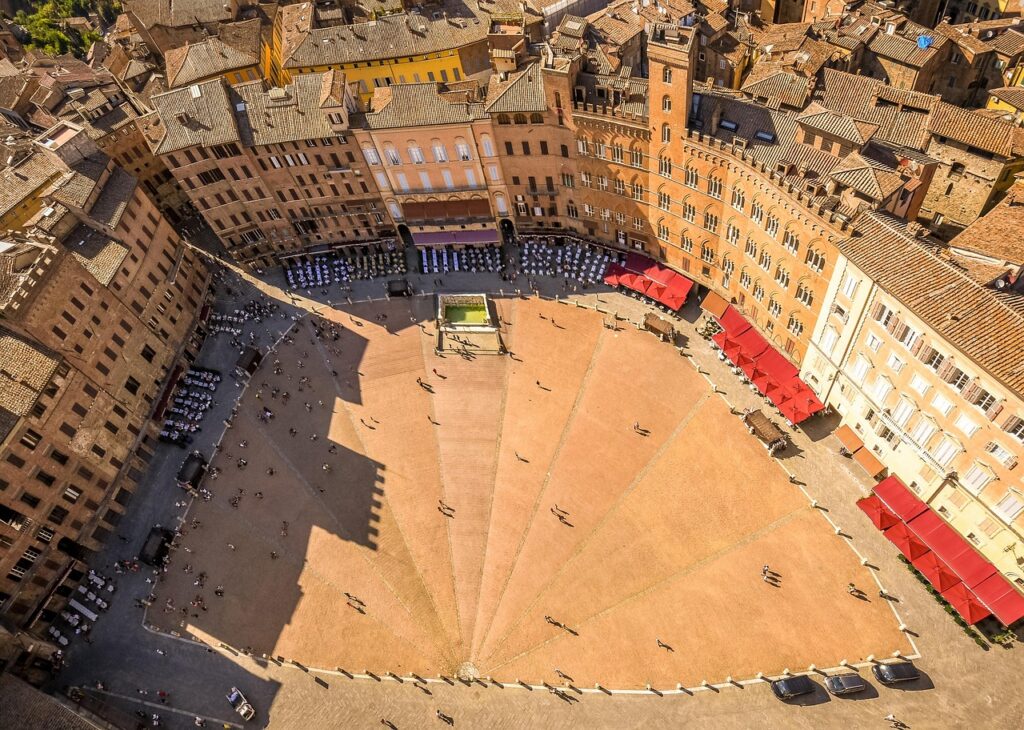
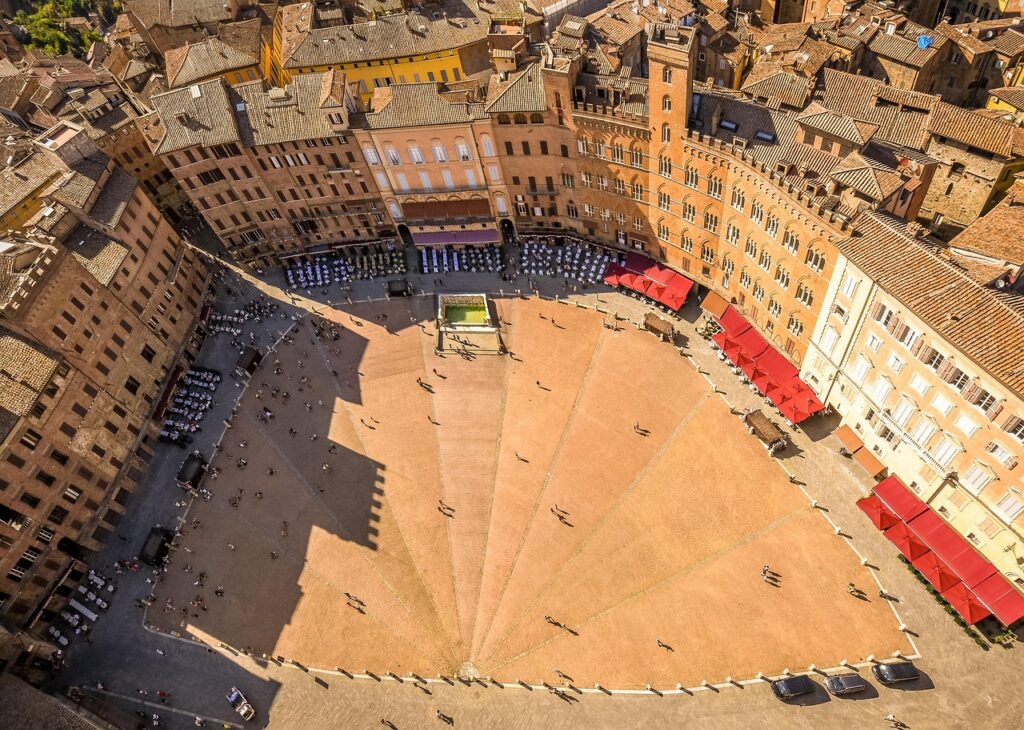
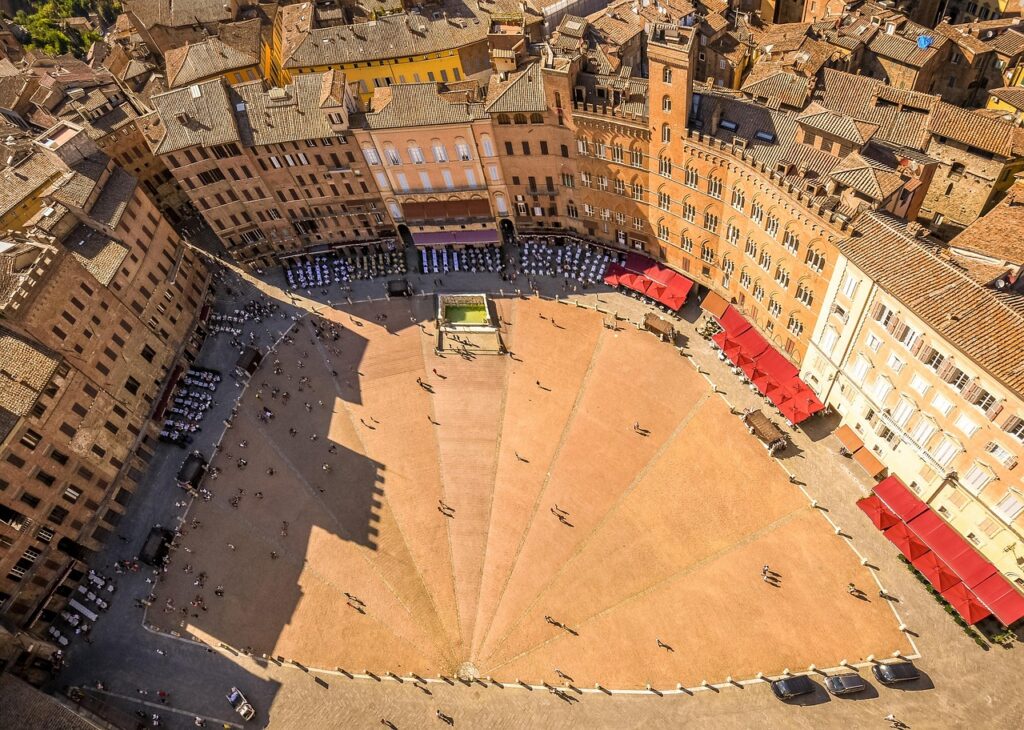
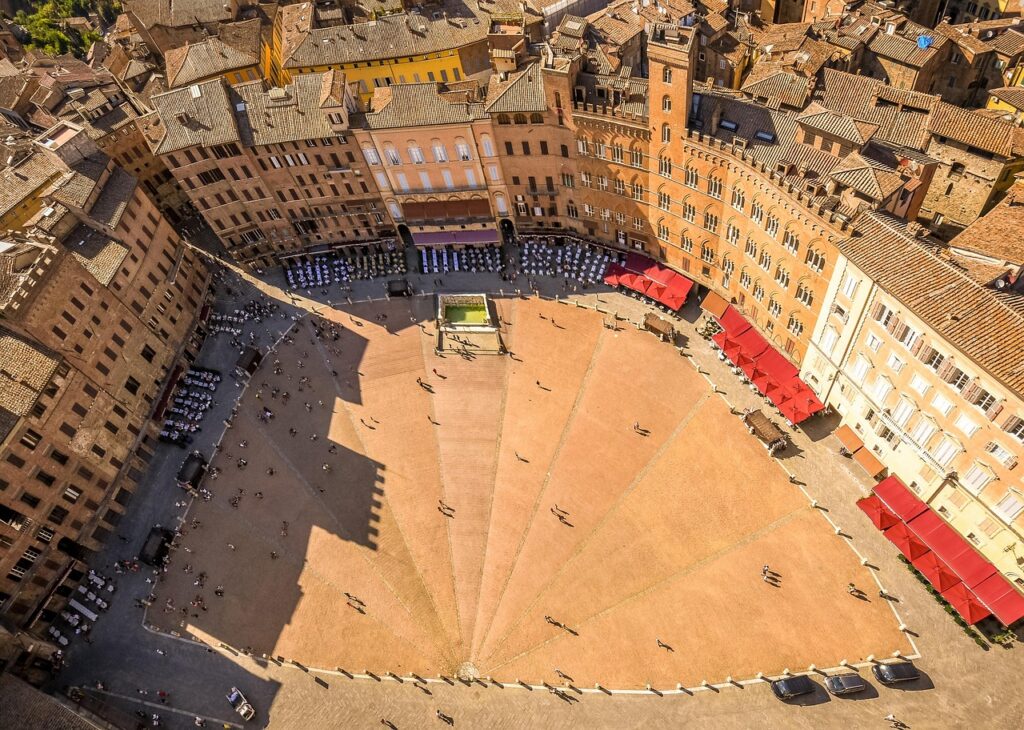
The Piazza del Campo is often the first image that springs to mind when you think of Siena. Shaped like a shell and lined with medieval palaces, it’s famous for the Palio di Siena, the horse race held twice a year (July 2 and August 16), and for the Palazzo Pubblico with its towering Torre del Mangia. Full address: Piazza del Campo, 53100 Siena SI, Italy. The Palazzo Pubblico houses the Museo Civico (address: Piazza del Campo, 1, 53100 Siena SI).
The Museo Civico displays a collection of paintings and frescoes, including the famous cycles of the Maestà and the Effects of Good Government. Typical opening hours: usually open from 10:00 to 19:00 (seasonal hours, closed on certain holidays); estimated admission: €8–€10 for standard entry. Nearby, the Torre del Mangia (address: Torre del Mangia, Piazza del Campo, 53100 Siena) offers an ascent of roughly 400 steps for an exceptional viewpoint across the city and Tuscan countryside. Typical hours: 10:00–17:30; price: €10 (discounts for students and seniors, children free depending on age).
Practical tips for this area: arrive early in the morning to enjoy the soft light on the façades and to beat the crowds, especially in high season (May–September). If you plan to climb the Torre del Mangia, check the weather: access can be restricted in high winds or storms. For coffee, avoid the cafés right on the piazza if you’re after value for money; head up via di Città or take via Banchi di Sopra to find spots frequented by locals.
Click here to book your Siena city tour with Duomo entry and panoramic view
Duomo District: sacred art and monumental lanes
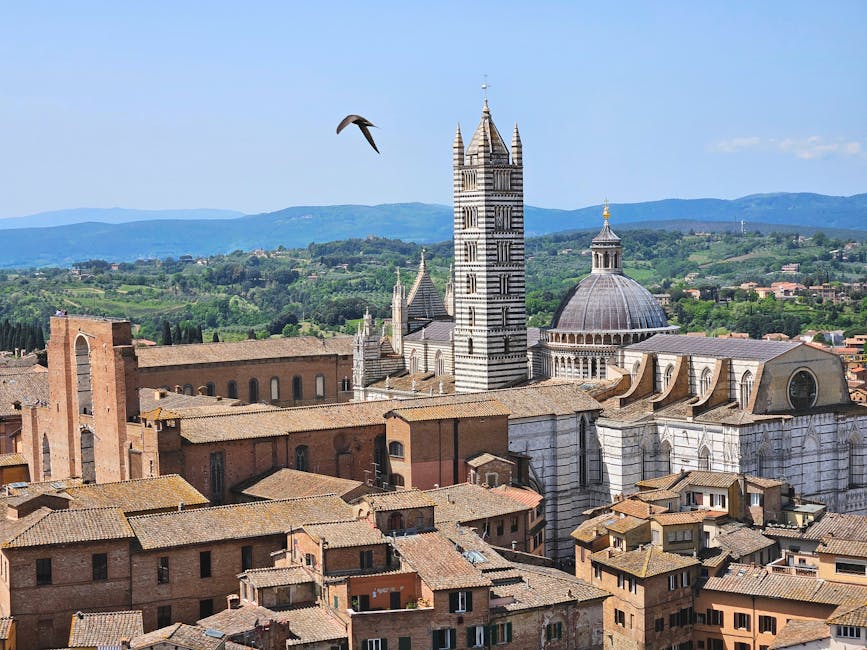
The Duomo district is home to one of the richest ensembles of medieval Italy: the Duomo di Siena (Cattedrale di Santa Maria Assunta), the Battistero di San Giovanni, the Museo dell’Opera del Duomo and the Complesso Museale del Duomo. Main Duomo address: Piazza del Duomo, 8, 53100 Siena SI, Italy. The white and pink-green marble façade, the Gothic interior, the Piccolomini Library and especially the inlaid marble floor are absolute masterpieces.
Typical hours: the Duomo is generally open from 10:00 to 19:00; combined tickets for the complex (Duomo, Museo dell’Opera, Baptistery, Facciatone) cost around €12–€18 depending on options. The Museo dell’Opera (Piazza del Duomo, 4, 53100 Siena) displays architectural pieces and original sculptures, while the Facciatone (the unfinished façade of the Duomo) includes a terrace with panoramic views over Siena’s rooftops — often included in the combined ticket.
Immersion tips: attend the Duomo during a mass if you want to feel the echo of ancient chants; otherwise, aim for late afternoon when slanted light brings mosaics and the floor into dramatic relief. Respect no-photography areas during services. Art lovers should try to book a guided tour focused on the pavement — often closed to the public for preservation and accessible only during special exhibitions or specialist guided visits.
Click here to book your ticket for Siena Cathedral
Contrade and the city centre lanes: Siena’s popular neighborhoods
Siena is organized into 17 contrade — historic neighborhoods, each with its own flag, church and traditions. Wandering the contrade lanes, like the Contrada dell’Onda, the Contrada del Drago or the Contrada della Selva, gives you a real sense of local soul. The contrade aren’t museums: they are lived-in communities. You’ll see flags, drummers, arcaded houses and often small local shops or « ospedali » where you can chat with residents.
Addresses to note: the Contrada dell’Onda has its headquarters in the heart of the old town (streets around Piazza del Campo); the church of the Contrada della Chiocciola (including Santa Maria della Scala and other small scattered chapels). Contrada churches are often open in the mornings and during festivities: entry is usually free or donation-based (often free or €2–€5 for access to certain rooms).
Practical advice: to really feel the contrada atmosphere, try to catch a flag rehearsal or a local ceremony. Sienese people are proud: a little respect goes a long way (avoid photographing inside without permission; ask before filming). For an authentic lunch, seek out an osteria down a side street: a full meal typically ranges from €12 for a pasta dish to €30 for a more elaborate menu.
Click here to discover the Palio walking tour in Siena
San Domenico district and the peaceful heights
Southeast of the centre lies the neighborhood around the Basilica di San Domenico (address: Piazza San Domenico, 2, 53100 Siena SI). This large Gothic basilica, dedicated to Saint Dominic, is a major place of devotion and houses relics of Saint Catherine of Siena. Its austere interior contrasts with the baroque decoration found in other churches, offering a contemplative setting and a chance to discover old frescoes.
Typical hours: the basilica is often open from 8:30 to 18:30, with variations for services; entry is free, with suggested donations for access to small chapels or exhibitions (generally €0–€5). Nearby, Via San Domenico slopes down to lesser-known viewpoints, perfect for quiet panoramas of the Tuscan countryside and for photographing the city from less « touristy » angles.
Practical tips: combine a visit to the basilica with a walk toward the Fortezza Medicea (west of the city) for a nice contrast between sacred quarters and green spaces. Bring a bottle of water in summer (temperatures can climb) and wear comfortable shoes: the slopes and cobbles demand a little care.
Click here to book a Chianti e-bike tour with lunch and wine
Conclusion
Siena is a city of neighborhoods best discovered slowly, allowing time for surprises. From the theatrical sweep of Piazza del Campo to the hushed alcoves of the Duomo, through the lively lives of the contrade and the peaceful heights around San Domenico, every corner keeps its own rhythm and story. The addresses and opening times provided here are useful guides, but remember that on-the-ground realities change with the seasons, religious festivals and local events like the Palio. Always check the official sites of monuments (Parco del Duomo, Museo Civico, etc.) before your visit for final hours and up-to-date pricing.
To make the most of your stay, plan the must-sees but leave space for sensory wandering: sit on a bench, listen to the bells, try a ricciarelli at a local pastry shop, or simply watch contrada flags flutter in a side street at golden hour. Pack suitable shoes, a bottle of water, and if you’re traveling in high season, book guided visits to museums and the Torre del Mangia in advance. Lastly, talk to the locals: Sienese people, proud of their heritage, love to share anecdotes and practical tips that can turn a good visit into a truly memorable and authentic experience.
Click here to Book an exclusive morning Duomo visit with Clavigero