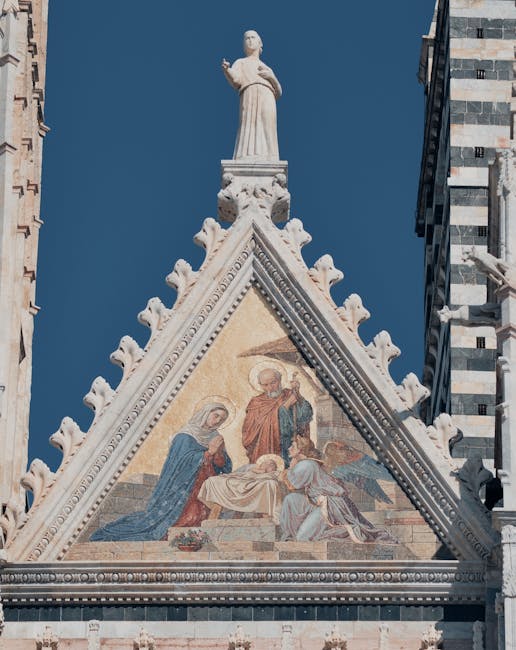






Introduction
Siena unfolds like a living painting in the heart of Tuscany, offering art lovers a tactile palette of stone, terracotta and glass. Tucked away throughout the city, the alleys for mosaic and ceramic enthusiasts form a sensory route that connects Siena’s religious and civic history with Italy’s long-standing craft traditions. As you wander the cobblestone lanes, you’ll see how tesserae and glazes are worked into architecture, decorate sacred floors and embellish the façades of workshops and shops. These narrow streets, often bathed in filtered light, invite you to slow down: stop to study a floor motif, look up to admire a colorful bas-relief, or push open a workshop door where the warm scent of fresh glaze tells centuries of craft stories.
The city is best known for its Duomo, the Cattedrale di Santa Maria Assunta (Duomo di Siena), and the famous Piazza del Campo, but it’s the small streets linking these landmarks that reveal Siena’s true artisanal heart. Here, marble mosaics and inlaid floors converse with glazed earthenware and painted plates, creating an artistic landscape where the sacred mingles with everyday life. Each alley has its own tale: some run alongside medieval hospices where fragments of Christian mosaic survive, others border family-run workshops where enamel recipes and firing techniques are passed down through generations.
This article is meant to guide the curious walker through a route of monuments, museums and practical stop-off points — complete with addresses, opening hours and ticket prices — so a visit becomes an immersive experience. Whether you’re a collector, photographer, art history student or a traveler craving striking images, you’ll find practical tips to spot the best patterns, interact with artisans, and take respectful, well-composed photos. Lace up your walking shoes, grab a paper map (or a fully charged phone battery) and a notebook: Siena’s alleys and ceramics offer a tactile, visual lesson that’s best appreciated slowly, at ground level and under the unique light of its small medieval squares.
 Click here to book a private 2-hour walking tour
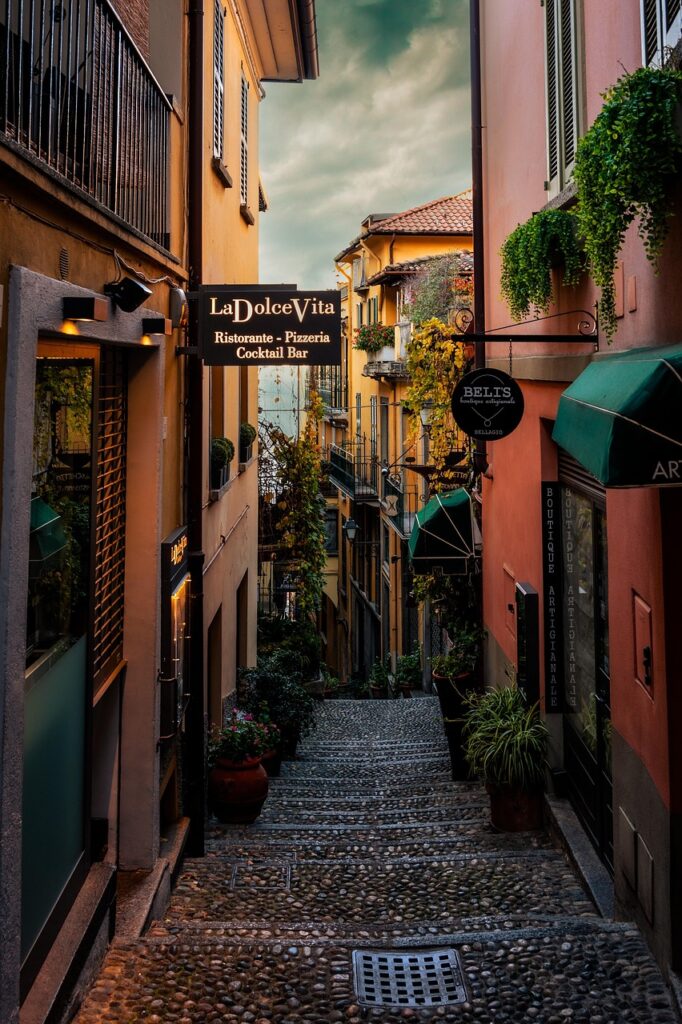
The Duomo di Siena and the Museum Complex: Inlaid Marble Floors and Marble Details
The epicenter of Siena’s mosaics and polychrome floors is undeniably the Duomo di Siena (Cattedrale di Santa Maria Assunta), located at Piazza del Duomo, 8, 53100 Siena SI, Italy. Famous for its alternating bands of black and white marble, the cathedral hides a pictorial library in its floors: panels of inlaid marble (intarsia) that depict biblical scenes and allegories. To view these floors you often need to descend within the building and sometimes step onto temporary walkways installed for preservation.
Just adjacent is the Museo dell’Opera Metropolitana di Siena, same address: Piazza del Duomo, 8, 53100 Siena SI. The museum houses fragments, sculptures and decorative elements taken from the Duomo and its sacristy; it also explains marble-laying techniques and the symbolism behind the motifs. Typical opening hours are 10:00 to 19:00 (occasional closure between 13:00 and 14:00 off-season), and a combined ticket for the complex (Cathedral, Baptistery, Museo dell’Opera and Biblioteca Piccolomini) normally ranges around €13 – €18 depending on chosen options. The Battistero di San Giovanni, located within the complex, adds sculpted baptismal fonts and mosaic elements.
Practical tips: book ahead in high season to avoid queues; bring a light blanket if you want to sit and study the floors (benches are scarce); avoid mass times if you’d like photos without crowds. The textures of the marbles are best captured early morning or late afternoon when low light skims across the surfaces and enhances the reliefs.
Click here to book your ticket for Siena Cathedral
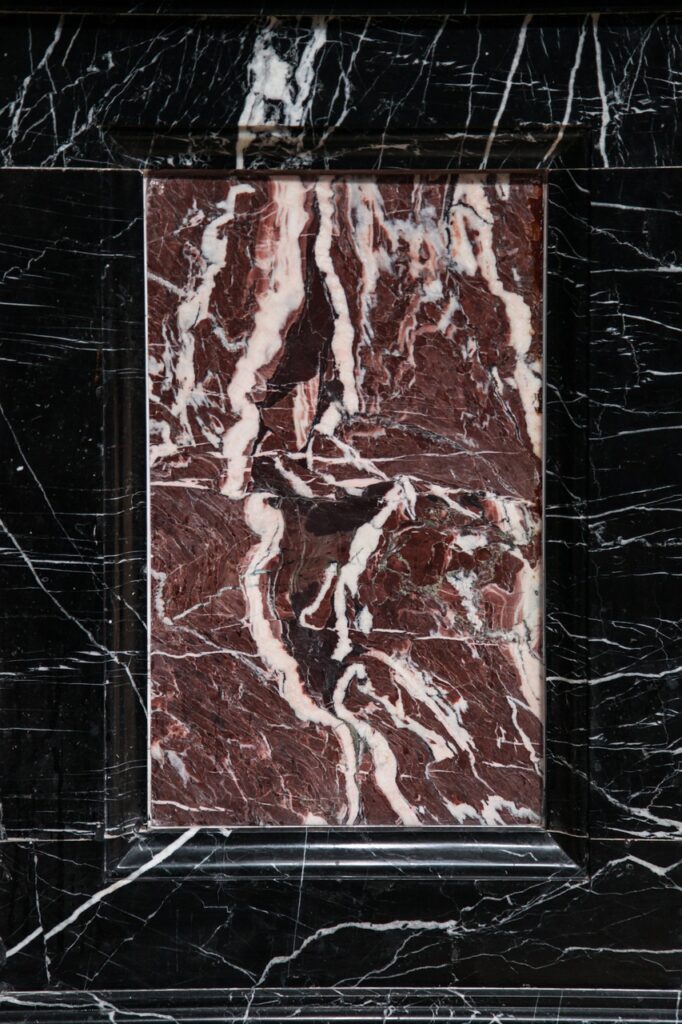
Santa Maria della Scala and Ceramic Fragments: Medieval Hospitality and Museum Displays
Right across from the Duomo, the Museo Santa Maria della Scala occupies the former medieval hospital and hospice at Piazza del Duomo, 2, 53100 Siena SI, Italy. This museum complex is an ideal place to understand how faience and decorative ceramics were used in non-strictly religious settings. From chapels to convalescent wards, you’ll find ceramic fragments, mosaic pieces and votive plates arranged in a chronological route that links care, devotion and craft.
Typical opening hours are 10:00 to 19:00, and admission for the permanent exhibition is usually around €10 – €14; reduced rates apply for students and seniors. The museum is especially rewarding for photographers seeking compositions that combine architecture, relics and perspective: the large vaulted rooms let in a soft light that’s ideal for shooting.
Local tips: don’t miss the old hospital pharmacy, often preserved with medicinal pottery and ceramic labels; ask staff where the display cases with ancient tesserae are located if you want to avoid the busier sections. Audio guides provide useful technical context to understand local clay deposits and firing processes that influenced Sienese glazes.
Click here to book a guided walking tour with cathedral visit
Palazzo Pubblico and Civic Frescoes: Ceramics in Public Life
The Palazzo Pubblico, home to the city’s communal government, faces the famous Piazza del Campo, 1, 53100 Siena SI, Italy. Inside you’ll find the Museo Civico di Siena, which displays wall frescoes (notably Ambrogio Lorenzetti’s “Allegory of Good and Bad Government”) and decorative elements that show how faience and tiles were used in noble residences. Although the palace is better known for its paintings, corridors and certain rooms preserve azulejos and terracotta elements that highlight the porous boundary between sacred and secular art.
Typical hours: 10:00–19:00 (with earlier closures in low season). Indicative price: €8 – €10 for entry to the Museo Civico; access to the Torre del Mangia is separate if you want to climb for panoramic views. It’s smart to combine the visit with a stroll across Piazza del Campo to study the paving and channels that frame the square, often adorned with terracotta elements and weathered metalwork.
Practical tips: buy a skip-the-line ticket for the Torre del Mangia in high season; for photographers, evening light gives a warm glow to the ochre façades and glazed surfaces. Check out the small shops around Via Banchi di Sopra and Via di Città for faience reproductions inspired by motifs found in the Palazzo Pubblico.
Click here to book a tour with Duomo entry and panoramic views
Workshop and Shop Trail: Where to Find Contemporary Ceramics in Siena
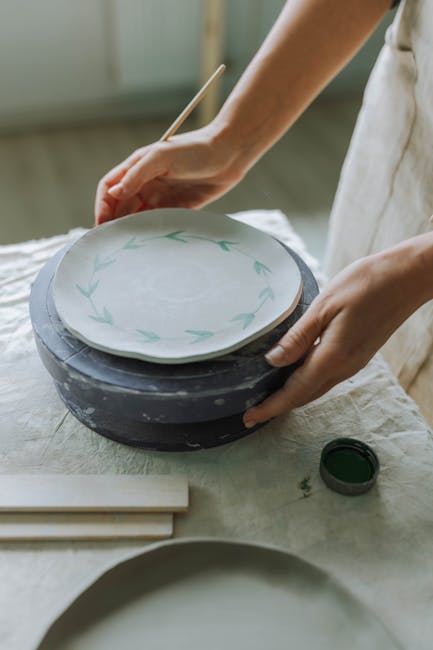
The alleys around Via di Città, Via Banchi di Sopra and Via Dupré host workshops and shops where local artisans craft and sell contemporary ceramics inspired by traditional patterns. Workshop names change and some move locations, but look for small signs that read “Laboratorio Ceramiche” or “Officina d’Arte” — those usually indicate production spaces where you might catch demonstrations of wheel-throwing and glazing.
Useful addresses to keep in mind for wandering: stroll along Via di Città, then turn onto Via dei Pellegrini and Via del Casato di Sopra, where many workshops open their doors in the morning (typically 09:30–13:00 and 15:30–19:00). Prices vary widely: a small decorative plate can cost from €15 to €40, while a more elaborate piece or a one-of-a-kind vase can exceed €100. Ask politely to negotiate secure packaging if you need your purchase shipped.
Practical tips: if you’d like to see a firing, ask to visit the kiln — many workshops welcome appointments. For transport, buy bubble wrap locally (found in tobacconists or packaging shops) and inquire about international shipping options the store may offer to avoid breaking your pieces on the way home.
Click here to book a private walking tour of hidden gems
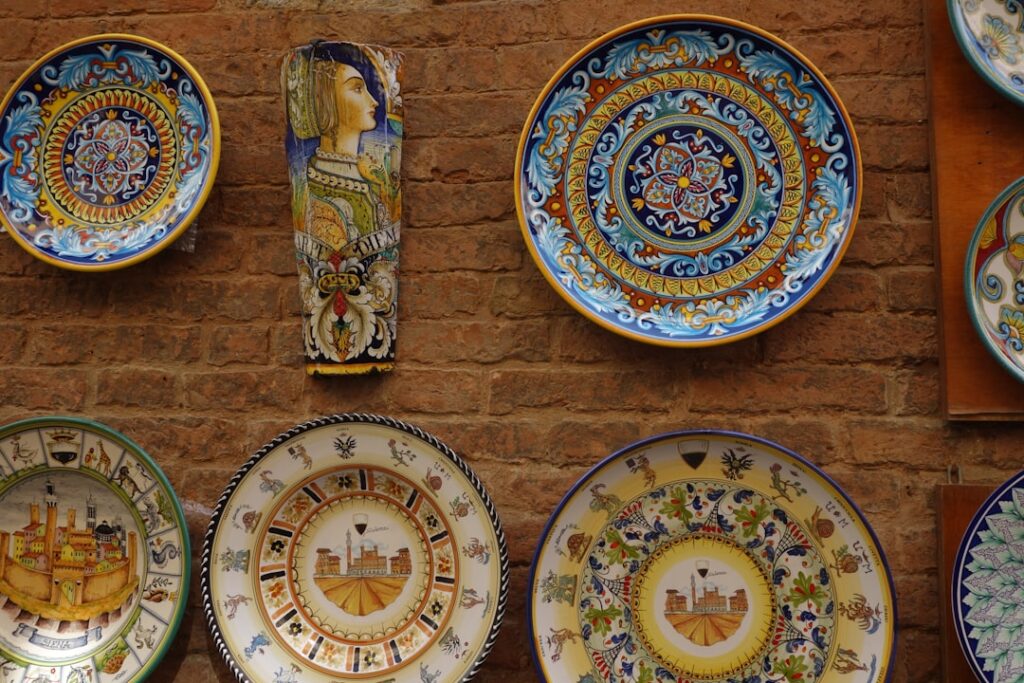
Photography and Ethical Tips for Capturing Mosaics and Ceramics
Photographing mosaics and ceramics in alleys requires both respect and technique. Favor soft natural light (morning and late afternoon). In the Duomo and museums, avoid using flash — not only is it often prohibited, it can alter glazes and damage pigments. If you’re a photographer, bring a small folding tripod and a remote shutter for long exposures indoors (check museum rules beforehand).
On the ethics side, obey “Do Not Touch” signs, ask permission before photographing an artisan at work and, if you buy a piece, mention the photo you took — it’s a great way to build rapport and artisans will often be happy to share the historical context of a piece. Finally, respect closing times for sacred spaces and don’t disrupt religious services or guided tours.
Conclusion
Siena reveals itself as an open-air museum for anyone passionate about mosaics and ceramics: from the floors of the Cattedrale di Santa Maria Assunta to the display cases at the Museo Santa Maria della Scala, from the corridors of the Palazzo Pubblico to the tucked-away workshops along Via di Città, every step offers a discovery. Key addresses — Piazza del Duomo, 8 for the Duomo and the Museo dell’Opera Metropolitana di Siena, Piazza del Duomo, 2 for Santa Maria della Scala, and Piazza del Campo, 1 for the Palazzo Pubblico and Museo Civico — provide a practical foundation to plan your route. Opening hours and prices mentioned (generally between €8 and €18) are indicative and may change, so check official sites or book online in high season.
With good walking shoes, a camera and a curious mind, you’ll not only admire patterns and colours but also grasp the techniques and daily life that bring these materials to life. Talk to artisans, look for details in church corners, and purposely get lost in narrow lanes to stumble upon unexpected shops. Siena isn’t just a collection of famous monuments: it’s a place where art lives in the texture of a glaze, the cut of a polished marble and the gesture of a potter. These alleys offer a tactile and visual adventure — an invitation to take home not just objects, but stories and memories rooted deep in Sienese soil.