





Introduction
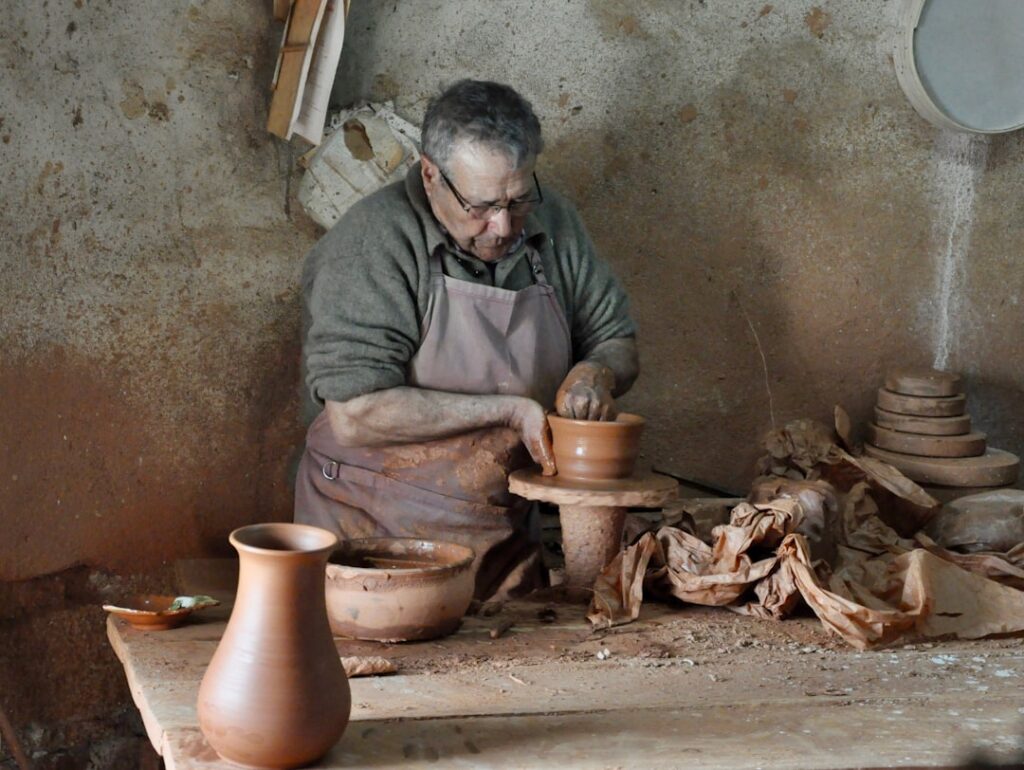
Tuscany has been a land of artisans for centuries, defined by simple shapes and luminous glazes. In the shadow of Siena’s Duomo and the cobbled lanes around Piazza del Campo, the art of ceramics takes on a special character: it mirrors the landscape, captures the ochres of the hills, and preserves medieval patterns passed down through generations. Exploring pottery studios around Siena is not just about watching a technical demonstration; it’s stepping into a world where clay tells the story of farmhouses, monasteries, guilds and neighborhood festivities like the Palio di Siena.
Between the Chianti vineyards and the winding roads to Monticchiello, several artisan workshops give visitors the chance to observe, touch and sometimes shape the earth themselves. Techniques range from wheel-thrown pottery to slip decoration and traditional glazes inspired by Sienese soils. Local potters often use regional raw materials — clay dug from nearby hills or natural pigments — and offer both utilitarian pieces (plates, jars, cups) and contemporary decorative creations.
This article offers a detailed, practical guide to several workshops located within an hour’s drive of Piazza del Campo, with exact addresses, indicative prices, opening hours and tips to make the most of your visit. Whether you want to book a two-hour beginners’ session, visit a museum-workshop or buy a unique keepsake, you’ll find concrete information here. We’ll also cover the best time to visit, how to get there from Siena train station (Stazione di Siena), and how to bring your pieces home safely.
The workshops listed here were chosen for their authenticity, accessibility and educational quality. Some are run by locally renowned master potters, others by young ceramicists experimenting with new approaches. Together they form a cultural trail that perfectly complements a classic Siena visit. Get ready to smell wet clay, hear the whirr of the wheel, and leave with an object shaped by your hands — or, if not, a signed piece by a Tuscan artisan.
Before you set out, a practical tip: most studios require reservations for classes and accept only a small number of participants. Bring a card for payment, but also ask if they can ship purchases if you’re traveling light. Finally, note that opening hours can change in high season (May–September); it’s best to call or email to confirm before you go.
 Click here to book your ticket for Siena Cathedral
Workshop 1: Laboratorio Ceramiche di Siena — Historic Centre
The Laboratorio Ceramiche di Siena sits in the historic heart of the city, just minutes from the famous Piazza del Campo. The studio offers daily demonstrations, direct sales and beginner sessions.
Address: Via di Città 78, 53100 Siena SI, Italy.
Phone: +39 0577 123456 (booking recommended).
Opening hours: Tuesday – Sunday 10:00 – 18:00 (closed Monday).
Prices: free self-guided visit; 2-hour beginner workshop: €40 per person (includes clay and firing for a standard piece), 4-hour advanced workshop: €85. Shipping within Italy: from €12.
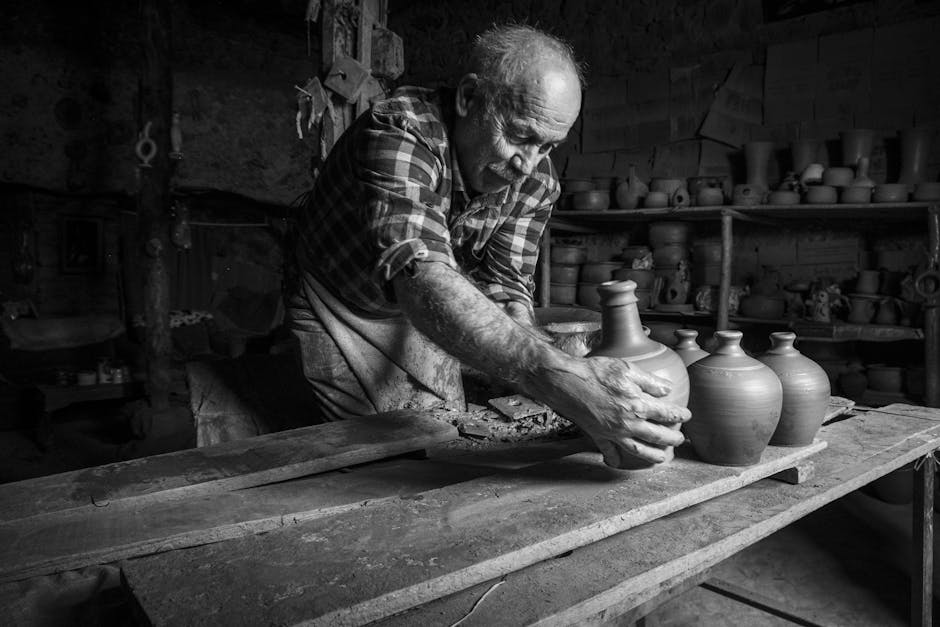
Immersive description: The moment you step through the door you’re greeted by a mix of scents — wet clay, warmed wood and fired glaze. Shelves are packed with finished pieces: hand-painted plates, little rural figurines and glazed jars in browns and blues. The space centres on three potter’s wheels and a large table for decorating sessions. The artisans enjoy explaining the historical ties between their motifs and Sienese traditions: floral patterns inspired by the gardens of Santa Maria della Scala or stylized crowns that echo the emblems of the Contrade.
Practical tips: arrive 10–15 minutes before your class to choose the object you want to work on. Wear clothes you don’t mind getting dirty; the studio provides aprons and towels. If you want a larger fired item (pot over 30 cm), allow a supplement of €25 for firing and packaging. Ask for a wheel demonstration — even beginners love the hypnotic feel of throwing clay.
Click here to discover Siena on a guided walking tour
Workshop 2: Officina Ceramica La Certosa — Buonconvento
Thirty minutes south of Siena is Buonconvento, a small medieval town where artistic heritage meets contemporary craft. The Officina Ceramica La Certosa is housed in a restored building near the Museo d’Arte Sacra di Buonconvento.
Address: Via Mercatale 12, 53022 Buonconvento SI, Italy.
Phone: +39 0577 654321.
Opening hours: Monday – Saturday 09:30 – 13:00 and 15:00 – 19:00; Sunday by appointment.
Prices: guided workshop + short decorating class 1h30: €35; half-day course: €60; weekend course: €160 (materials included). Pieces for sale: bowls and cups from €18, decorated platters from €45.
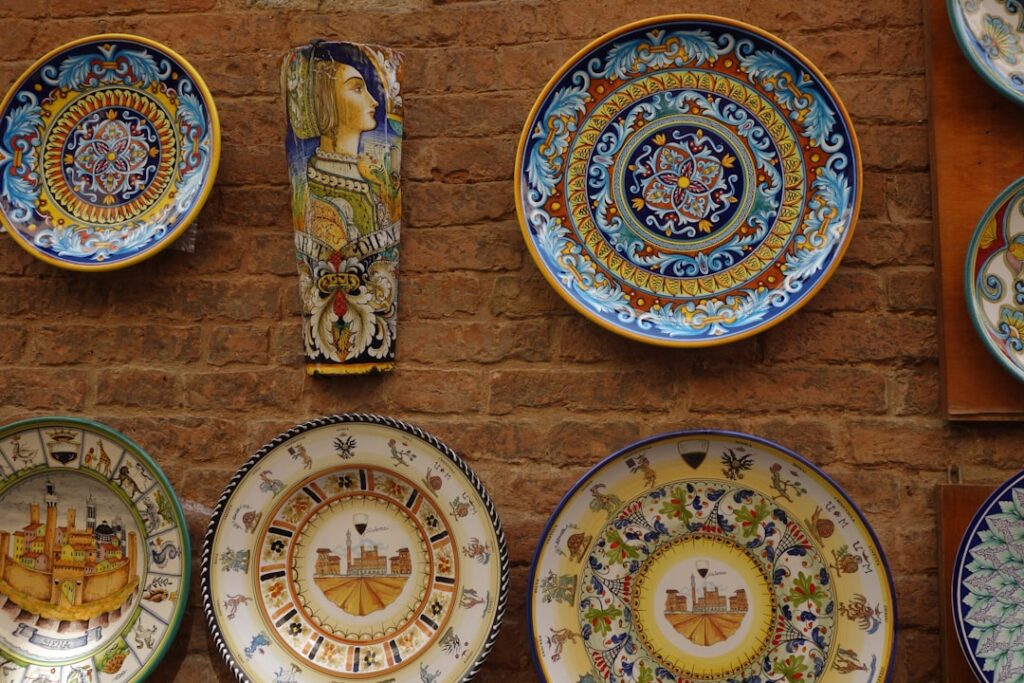
Immersive description: The workshop occupies a large room with lime-washed walls and soft light. Windows look out onto a Buonconvento lane where church bells are often heard. The potters have a recognisable style: crackled glazes, greens and earthy tones, simple motifs with a contemporary twist. The studio also hosts artist residencies, bringing an international touch to traditional methods.
Local tip: Buonconvento is a perfect stop after a morning in Siena. Take lunch at Trattoria « La Bottega del Buon », located at Via Roma 3, 53022 Buonconvento SI, serving authentic Tuscan dishes (average budget €18–28 per person). If you buy fragile items, ask about the “shipping worldwide” option: La Certosa offers insured international shipping from €30 depending on volume.
Click here to book a farm-based Tuscan cooking class
Workshop 3: Ceramiche di Monteriggioni — Artisan Village
Monteriggioni, famous for its medieval walls overlooking the Sienese plain, is home to Ceramiche di Monteriggioni, a studio-shop located just outside the castle. It’s a great spot to combine sightseeing and craft discovery.
Address: Via Roma 2, 53035 Monteriggioni SI, Italy (150 m from the Porta Fiorentina of Castello di Monteriggioni).
Phone: +39 0577 987654.
Opening hours: daily 10:00 – 19:30 in high season; reduced winter hours (10:00 – 17:00).
Prices: 90-minute beginner workshop: €30; private lesson (2 people): €75; guided tour + free demonstration for castle visitors (show your ticket).
Immersive description: The studio sits in a small artisan borgo with direct views of Monteriggioni’s circular towers. Artisans craft rustic shapes that echo local architecture: large jars, oil lamps and painted tiles. Kids love the “make your own tile” workshops where they decorate and fire a personal tile with fortress-inspired motifs. The adjoining shop offers reproductions of historic decorative tiles — great for gifts or wall décor.
Practical tips: Pair the studio visit with a walk along the Monteriggioni walls (entrance to the ramparts: €4 for adults). If you plan to ship a large jar, request special packing — the studio works with a local shipping service and offers reinforced packaging for €40–60 depending on size. In summer, book morning workshops to avoid the afternoon heat.
Click here to book a Chianti castle tour with lunch
Workshop 4: Studio Ceramico Colle di Val d’Elsa — Borgo Nuovo
While Colle di Val d’Elsa is best known for crystal, its artisan fabric also includes talented ceramicists. The Studio Ceramico Colle di Val d’Elsa offers a contemporary approach, blending clean forms with experimental glazes.
Address: Via Vallerozzi 45, 53034 Colle di Val d’Elsa SI, Italy.
Phone: +39 0577 555888.
Opening hours: Wednesday – Sunday 10:00 – 17:00; closed Monday and Tuesday.
Prices: 2-hour discovery workshop: €45 (includes fired piece); throwing course 3 sessions (3 x 2h): €120. Designer works for sale: bowls from €25, designer vases from €75.
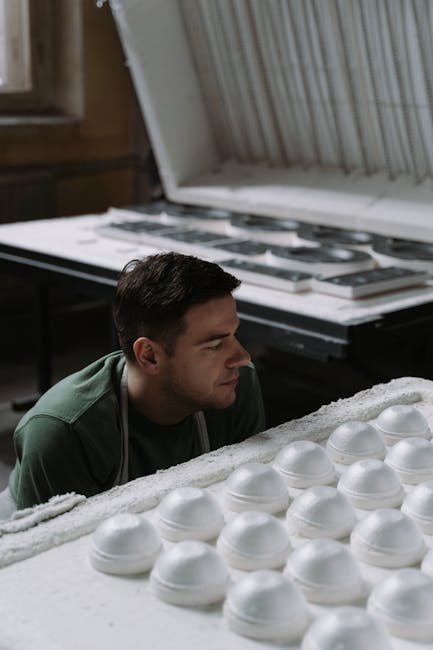
Immersive description: The studio occupies a converted warehouse filled with light. Displayed pieces play with glaze transparency and the roughness of clay. Ceramists here often experiment with reduced-atmosphere firings (raku, soda); results can be unpredictable and marked by flame and controlled chance. During a raku demonstration expect a theatrical atmosphere: flames, smoke and rapid maneuvers revealing surprising colors.
Practical tips: Raku is spectacular but fragile; raku workshops usually require prior permission and strict safety conditions. If you’re traveling with children, opt for traditional decorating sessions. The studio also offers gift vouchers (valid 12 months) — a great option if you want to give someone an experience.
Click here to book an electric-bike Chianti tour with lunch
Workshop 5: Podere della Terra — Farm-Based Workshop near Asciano
For a more rural, sensory experience, Podere della Terra is a workshop on an organic farm near Asciano in the Val d’Orcia. Here ceramics converse with agriculture: local clay, plant pigments and outdoor firings depending on the season.
Address: Strada Provinciale 73, Podere La Terrazza, 53041 Asciano SI, Italy.
Phone: +39 338 9871234 (reservations required).
Opening hours: workshops by reservation; generally Tuesday – Sunday 09:00 – 12:30 and 15:00 – 18:00 in season; closed Monday.
Prices: half-day farm workshop (includes garden visit and pigment gathering): €65; full day (modeling + pit or raku firing depending on season): €145. Local olive oil and wine tasting (optional): €15 per person.
Immersive description: Arriving at Podere della Terra feels like stepping into deep Tuscany: olive groves, cypresses and rolling fields. The studio is partly outdoors, with a large area for traditional firings and a barn converted into a modeling space. Potters teach how to prepare clay from local soil, grind plant pigments (beetroot, vine leaves) and apply natural slips. Final pieces often have an organic, rustic character — perfect for authentic home décor.
Practical tips: wear closed shoes and a hat; in summer it can get very hot on the Asciano plateau. If you have a rental car, the route is scenic but can be narrow — choose a compact vehicle. Podere often offers packages combining workshops with agritourism stays: book early from spring. Also ask the potter for a certificate describing the firing and materials used to help with possible customs checks.
Click here to discover Tuscan olive oil production
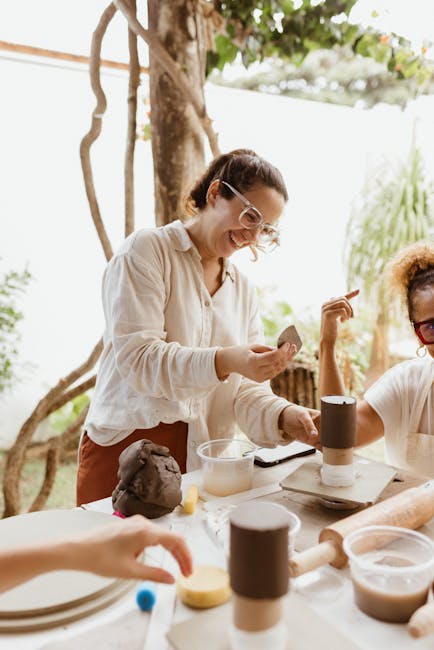
Workshop 6: Museo-Laboratorio della Ceramica — Museum of Rural Life, Montisi
Montisi is a tiny but charming village between the Val d’Orcia and the Crete Senesi. The Museo-Laboratorio della Ceramica, part of the Museo della Civiltà Contadina, offers a historical and hands-on journey into rural ceramics.
Address: Piazza Nuova 1, 53020 Montisi SI, Italy.
Phone: +39 0577 888999.
Opening hours: Thursday – Sunday 10:00 – 16:30; closed Monday to Wednesday. Museum entry: €5 (reduced €3). Educational workshops: €20 per child / €30 per adult for a 90-minute session.
Immersive description: The museum brings together utensils, glazed pieces and archaeological fragments found in the area. The laboratory section lets visitors touch and handle traditional glazes, learn about conservation methods and take part in workshops inspired by peasant models (oil jars, cooking dishes). Exhibits tell the story of rural family life and the vital roles ceramics played: storing oil, baking bread and keeping seeds.
Practical tips: the museum is ideal for families and fans of rural history. If you visit in summer, combine your stop with a drive through the Crete Senesi (scenic SP438). The museum also sells reproductions of historical pieces at affordable prices (€10–30). Photographers should aim for late afternoon light for soft illumination in the exhibition rooms.
Click here to reserve your walking tour and Duomo entry
Workshop 7: Ceramica Contemporanea — Siena Art District, Via Pantaneto
For a contemporary, conceptual approach head to Siena’s art district at Ceramica Contemporanea, near Via Pantaneto. This space brings together young creators and rotating exhibitions, often connected to local art schools.
Address: Via Pantaneto 101, 53100 Siena SI, Italy.
Phone: +39 0577 444333.
Opening hours: Tuesday – Sunday 11:00 – 19:00; closed Monday. Exhibition entry is free; workshops are paid depending on the program (about €25–80 depending on duration).
Immersive description: The space is bright, with white walls and carefully curated displays. Exhibited works reflect research into form, material and the dialogue between ceramics and other media (glass, metal). Workshops can include interdisciplinary collaborations: sculpture-ceramics, ceramics and photography, or object design. Temporary shows attract a curious, international audience looking for original, innovative pieces.
Practical tips: if you’re after a contemporary souvenir rather than traditional pottery, this is the place to go. Artists often offer catalogues or limited numbered editions. Check whether the studio can provide a sales invoice (useful for insurance and customs). Via Pantaneto is close to many cafés and art bookshops — perfect for a creative pause after your visit.
Practical tips for visiting workshops around Siena
Planning visits to ceramics studios takes a little organisation. Here’s a detailed list of tips to make your experience smooth and enjoyable:
- Booking: Most workshops require reservations for classes, especially in high season. Call or email 48–72 hours in advance to secure your spot.
- Transport: From Stazione di Siena (Piazza Gramsci 1), central workshops are walkable. For Buonconvento, Monteriggioni or Asciano, a car is more convenient (about 25–40 minutes). Regional buses (SenaBus, Tiemme) serve some towns but schedules can be limited.
- Language: Most studios speak at least some English; a few Italian phrases help smooth interactions. Useful phrases: « Vorrei prenotare un corso » (I would like to book a course), « Quanto costa la spedizione? » (How much is shipping?).
- Payment: Bring cash for small purchases, though most places accept cards. Check foreign transaction fees and card limits with your bank if you’re non-European.
- Transporting pieces: For fired items, ask whether the studio offers insured shipping. If flying, prefer compact pieces or request professional packing. Unfired pieces usually cannot be transported by air.
- Clothing: Wear comfortable, washable clothes. Studios typically provide aprons, but don’t risk a new outfit.
- Duration: Allow at least 1h30 for an introductory session; 3–4 hours for more involved work. Multi-day courses let you deepen techniques and finish more refined pieces.
- Seasonality: Most studios operate fully from March to October. In winter some close or reduce hours; always check before you go.
- Purchases: If buying a piece as a gift, ask for a receipt and gift wrapping. Many studios provide authenticity certificates and artisan business cards.
Click here to book a truffle hunting experience near Siena
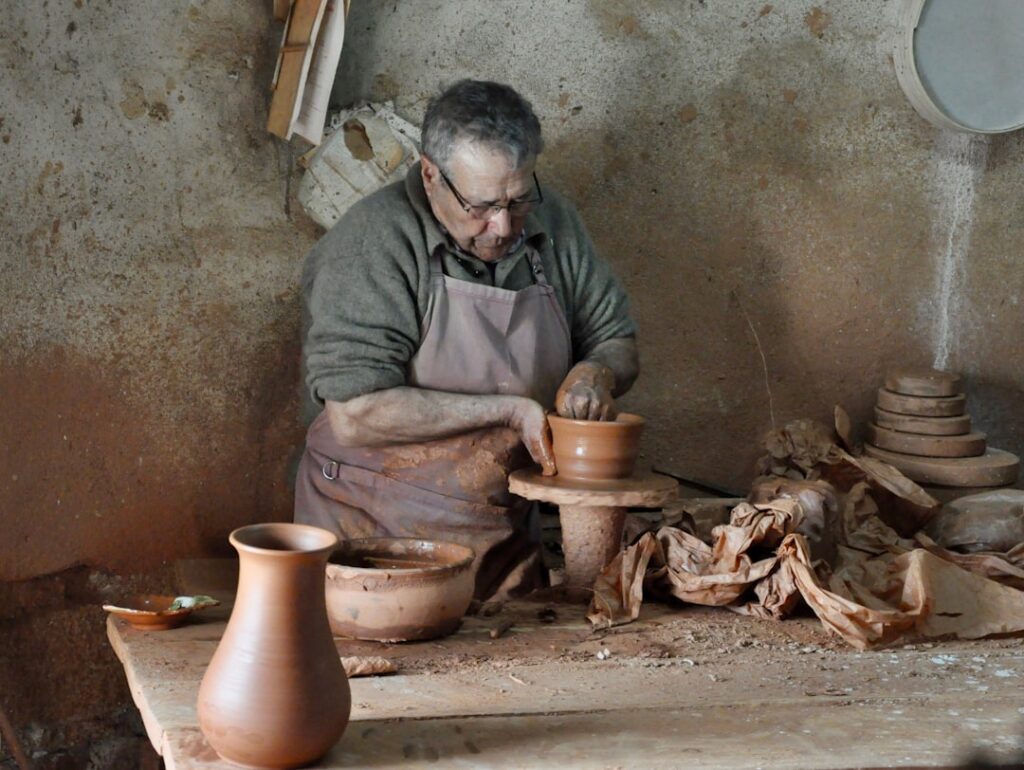
Suggested itinerary: a day of ceramics from Siena
If you have a full day based in Siena, here’s a recommended itinerary combining discovery, hands-on learning and tasting:
- Morning (09:00 – 11:30): Head to Laboratorio Ceramiche di Siena (Via di Città 78). 1.5-hour beginner workshop (€40). Afterwards, grab a coffee on Piazza del Campo.
- Midday (12:30 – 14:00): Drive to Buonconvento (about 30 minutes). Lunch at Trattoria « La Bottega del Buon » (Via Roma 3). Average budget €20–30 per person.
- Afternoon (14:30 – 17:00): Visit Officina Ceramica La Certosa (Via Mercatale 12). Decorating workshop or guided visit (€35).
- Late afternoon (17:30 – 19:00): Walk around Buonconvento or return to Siena via the vineyards to admire the last light on the hills.
This itinerary is flexible: if you prefer a more rural experience, swap Buonconvento for Podere della Terra and book the afternoon session for firing or pigment gathering.
Final precautions and practical information
A few recommendations to ensure a trouble-free experience:
- Health and safety: Studios typically follow safety rules (gloves, goggles for certain operations, rules during firings). If you’re pregnant or have respiratory issues, notify the studio before taking part in a raku firing or handling fine pigments.
- Insurance: Check whether your travel insurance covers craft activities and accidental damage to rented equipment.
- Respect the space: Studios are often private workspaces: respect opening hours, equipment and the instructions given by artisans.
- Languages and learning: Workshops may offer guides in Italian and English; ask if an interpreter is available for non-Italian speaking groups.
- Responsible buying: Prefer locally made, signed pieces; avoid cheap industrial copies sold in tourist areas.
Conclusion
Ceramics around Siena is a sensory and cultural journey: it links the raw materials of Tuscan hills to the patient hands of potters and the kilns that transform clay into useful and symbolic objects. Whether it’s a studio in the historic centre of Siena, an officina in a medieval village, a contemporary studio or a farm-based workshop in the Val d’Orcia, each place offers a different perspective on ceramics, from the most traditional to the most experimental.
The addresses shared in this article — Laboratorio Ceramiche di Siena (Via di Città 78), Officina Ceramica La Certosa (Via Mercatale 12, Buonconvento), Ceramiche di Monteriggioni (Via Roma 2), Studio Ceramico Colle di Val d’Elsa (Via Vallerozzi 45), Podere della Terra (Strada Provinciale 73, Asciano), Museo-Laboratorio della Ceramica (Piazza Nuova 1, Montisi) and Ceramica Contemporanea (Via Pantaneto 101, Siena) — are concrete starting points to build your itinerary. The provided prices and hours help you anticipate expenses and plan travel calmly.
Finally, remember that the most memorable experience isn’t always the most expensive: often it’s the short studio sessions, the conversations with a passionate artisan and the surprise of a first turned piece that linger. If you want a lasting souvenir, prioritise quality and authenticity; if you want to learn, pick workshops that balance demonstration and hands-on practice. Above all, let yourself be carried by the slow, delicate rhythm of working with clay — that’s where the best encounters happen and the objects that tell a real story are born.